Saucony Peregrine 16 vs Hoka Speedgoat 7 | 2026 Comparision
| Comparision | Product | Rating | Price |
|---|---|---|---|
 | 8.6 | Check LOWEST PriceRead Review | |
 | 8.2 | Check LOWEST PriceRead Review |
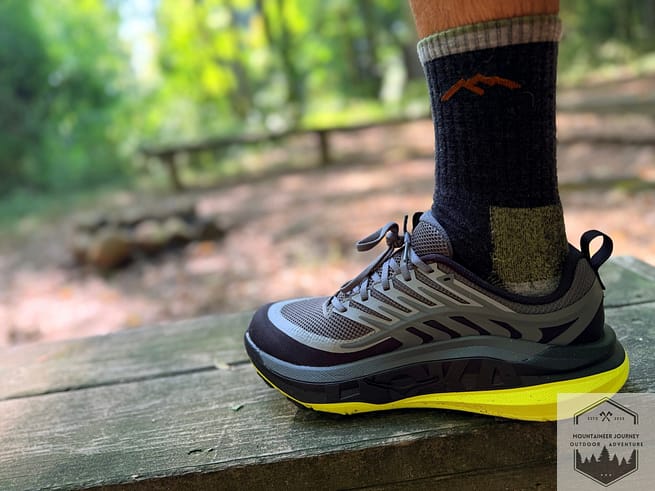
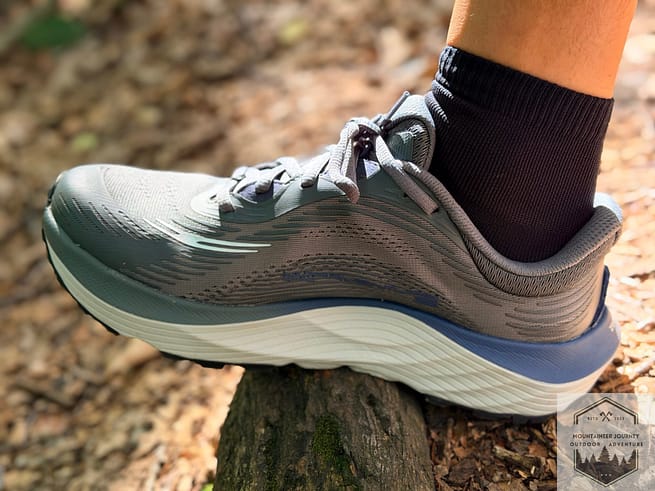
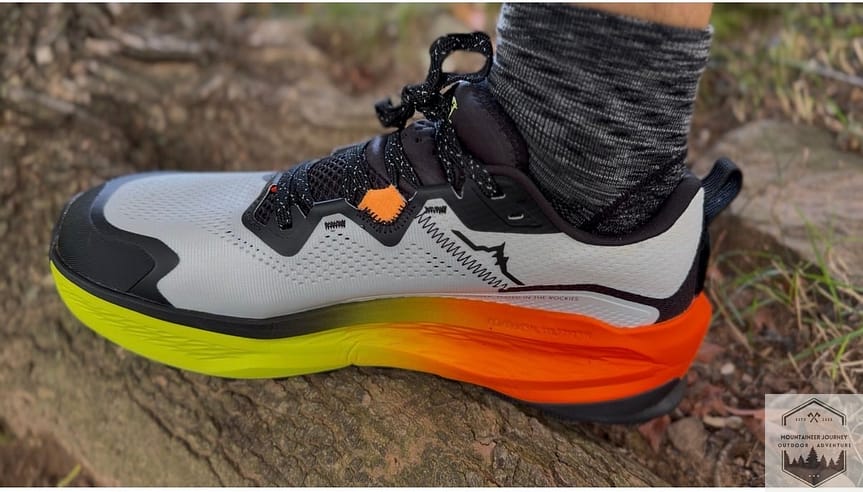
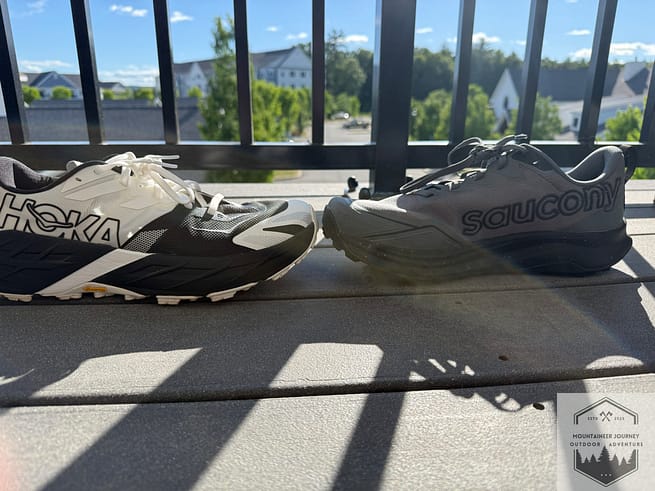
I’ve logged serious trail miles in the Saucony Peregrine 16 and spent plenty of time on technical trails in the Hoka Speedgoat 7, so I can give you an honest, hands-on comparison.
The Peregrine 16 got over 75 miles of testing across rocky terrain, loose dirt, wet roots, loose singletrack, and moderate trails, while the Speedgoat 7 was put through its paces on rough trails where cushioning, grip, and stability really matter.
In this comparison, I’ll break down both shoes in the categories that truly impact your trail experience: price, comfort, traction, overall protection, fit and sizing, breathability, durability, and weight.
By the end, I’ll share my final thoughts on which shoe delivers the best value and performance overall. Plus, I’ll explain exactly who should reach for the Saucony Peregrine 16, who the Hoka Speedgoat 7 suits best, and who might want to look elsewhere.
Also, if you’re interested in learning more, I have tested each product individually in my Hoka Speedgoat 7 review and Saucony Peregrine 16 review.
Hoka Speedgoat 7 vs Saucony Peregrine 16 Price Comparison
Overall, the Saucony Peregrine 16 is the cheaper trail-running shoe, while the Hoka Speedgoat 7 costs more but offers more cushioning, stability and long-distance performance.
Saucony Peregrine 16 Price: $150
Hoka Speedgoat 7 Price: $165
| Comparision | Product | Rating | Price |
|---|---|---|---|
| 8.6 | Check LOWEST PriceRead Review | |
| 8.2 | Check LOWEST PriceRead Review |
Comfort

Both the Saucony Peregrine 16 and the Hoka Speedgoat 7 are comfortable trail runners, but they serve different needs.
The Peregrine 16 offers mild cushioning with PWRRUN foam and a lower 32mm heel stack, making it ideal for runners who want a firmer, more connected ride and excellent ground feel on technical trails. However, it may feel too stiff or harsh for those seeking plush cushioning or running ultra distances.
The Speedgoat 7 uses Supercritical EVA and a higher 37mm heel stack for superior shock absorption, making it better suited for long-distance runners and those tackling rough, rocky terrain.
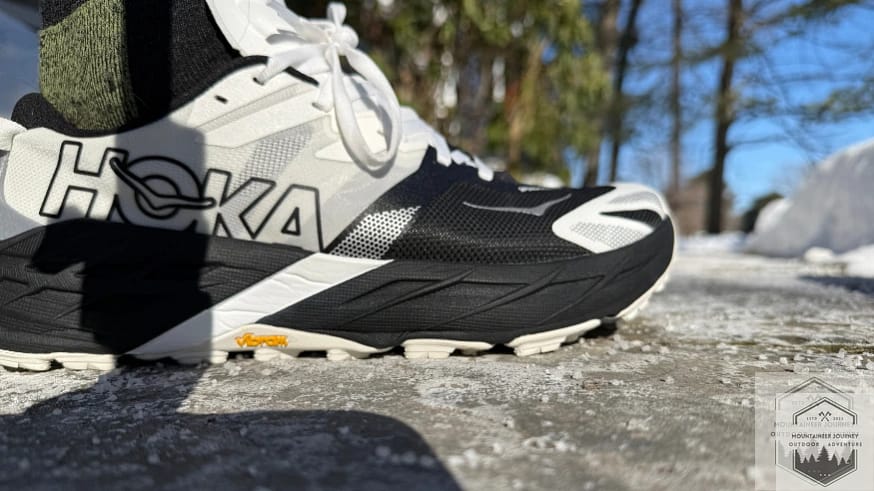
Its softer, more cushioned ride eases foot fatigue but can feel stiff initially and may be uncomfortable for runners with wider feet or high arches due to its tighter fit.
During testing, the Peregrine 16 excelled in agility and precision, perfect for quick, technical trail runs but lacked the plush comfort for extended ultra runs.
The Speedgoat 7 showed strength in cushioning and protection over long miles but required a break-in period and might not suit those preferring a roomy toe box or immediate comfort.
Overall, choose the Peregrine 16 if you prioritize trail feedback and a responsive feel, especially on shorter, technical runs.
Opt for the Speedgoat 7 if your focus is on cushioning, shock absorption, and comfort over long distances and on rugged terrain, and accept some initial fit tightness.
Saucony Peregrine 16 Comfort: 3.5 out of 5
Hoka Speedgoat 7 Comfort: 4.5 out of 5
Winner: Hoka Speedgoat 7
Traction
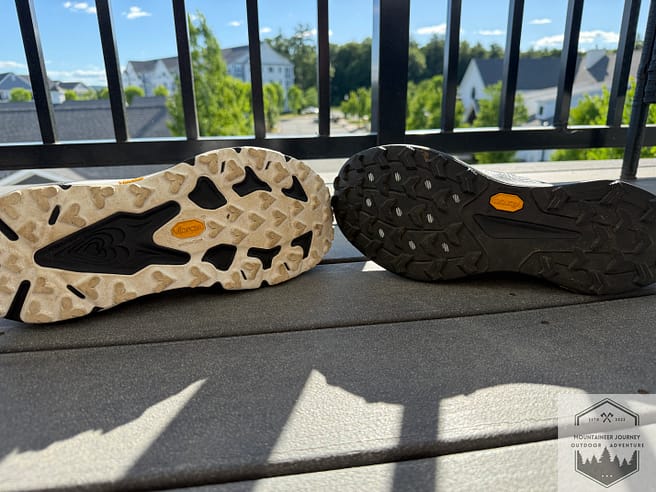
Both shoes feature excellent rubber outsoles, but the Hoka Speedgoat 7 offers superior traction overall, especially on mixed terrain, steep descents, and rugged trails.
Its redesigned Vibram Megagrip outsole with aggressive lateral and heel lugs excels on loose scree, moderate mud, and wet rock, providing confident grip on challenging downhills and uneven surfaces.
I really found that one of the strengths of the Speedgoat 7 was side-hilling, where a lot of trail runners tend to flex under pressure; the 7 holds a very firm base.
However, it can be less reliable on very slippery or polished surfaces.
The Saucony Peregrine 16’s Vibram Megagrip outsole with 4mm lugs delivers precise and controlled traction, particularly on dry singletrack, loose dirt, and technical terrain where quick foot placement is key.
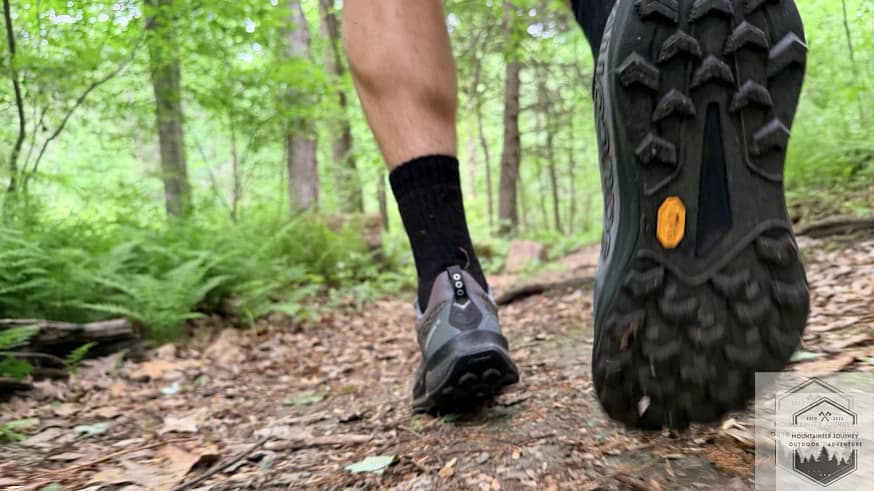
The Vibram Megagrip outsole gives better grip on slick rocks and wet rock than older Saucony rubber compounds.
It grips well on wet roots and hard-packed snow but is better suited to faster, nimble runs than to steep or muddy conditions.
In summary, the Speedgoat 7 is ideal for runners tackling varied, rugged trails who need reliable grip on descents and uneven ground, while the Peregrine 16 suits those who prioritize agility and precision on technical, drier trails.
If you often face slick or muddy surfaces, the Speedgoat 7’s traction will serve you better; if you prefer a lighter, more reactive shoe for quick maneuvers, the Peregrine 16 is a strong choice.
Saucony Peregrine 16 Traction: 4.5 out of 5
Hoka Speedgoat 7 Traction: 4.5 out of 5
Winner: Tie
Overall Protection
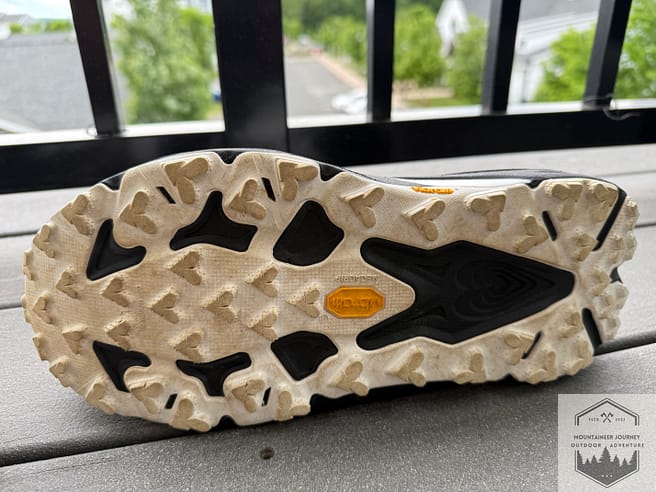
The Hoka Speedgoat 7 offers better overall protection, thanks to its higher stack height, wider base, and lateral flare that stabilize and shield your foot on rough terrain.
Its 37mm heel stack and EVA midsole absorb impact well, making it ideal for long runs on uneven trails.
While it lacks a traditional rock plate, the cushioning and wider platform provide solid underfoot defense. The built-up upper and secure heel collar add extra protection against trail hazards.
The Saucony Peregrine 16 focuses more on nimble performance, with a lower stack height and a rock guard that protects without sacrificing ground feel.
Its reinforced upper and toe bumper offer decent protection on technical trails, but the thinner midsole means you’ll feel more trail impact, which can tire your feet over long distances.
Both shoes have gaiter attachments if needed. If you want maximum underfoot protection and shock absorption for rugged terrain and long miles, the Speedgoat 7 is the stronger choice.
If you prefer a lighter, more connected shoe that balances protection with trail feel for shorter, technical runs, the Peregrine 16 fits better.
In testing, the Speedgoat 7’s cushioning and stability stood out on rough descents, while the Peregrine 16 excelled in agility and precise foot placement but felt less protective on extended runs.
Saucony Peregrine 16 Overall Protection: 4 out of 5
Hoka Speedgoat 7 Overall Protection: 4.5 out of 5
Winner: Hoka Speedgoat 7
Peregrine 16 vs Speedgoat 7: Which Fits Better?

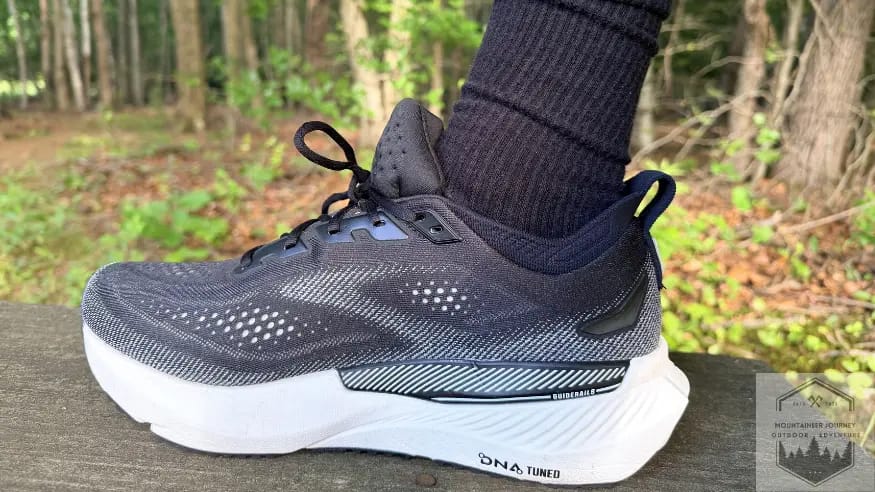
The Saucony Peregrine 16 fits more runners comfortably, especially those who want a true-to-size fit with plenty of toe box room and a natural feel up front.
However, the shoe itself feels a little sloppy. There could be much better lockdown on the upper, which caused stability issues during my testing.
I had to consciously control my foot strike because the lack of midfoot lockdown held me back from moving faster.
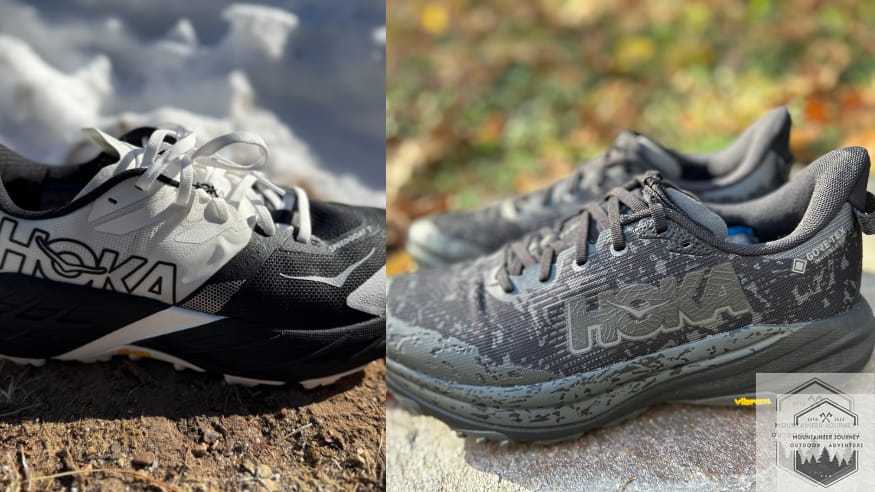
On the flip side, the Hoka Speedgoat 7 has a tighter, low-volume fit. If you have wider feet, high arches, or a high-volume foot, it might feel too snug. Some runners may need to go up a 1/2 size or go for the wide version.
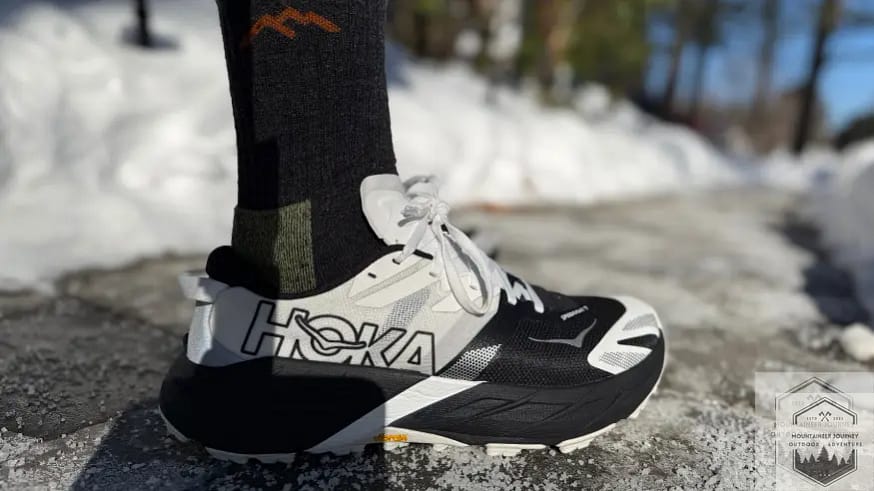
That said, the Speedgoat 7 excels in heel security and midfoot lockdown once broken in. The heel collar and “bucket seat” upper keep your foot locked down (very similar to Mafate 5), but the toe box is more restrictive than the Peregrine 16.
If you want a shoe that feels locked in and performance-driven, and you don’t need much room, the Speedgoat 7 delivers.
It also shines on uneven, off-camber terrain thanks to its wider base and lateral flare, offering better ankle stability.
In short: the Peregrine 16 wins for immediate comfort and a roomier fit, perfect for technical runners who want a connection to the ground and toe freedom.
Saucony Peregrine 16 Fit: 4 out of 5
Hoka Speedgoat 7 Fit: 3.5 out of 5
Winner: Saucony Peregrine 16
Breathability
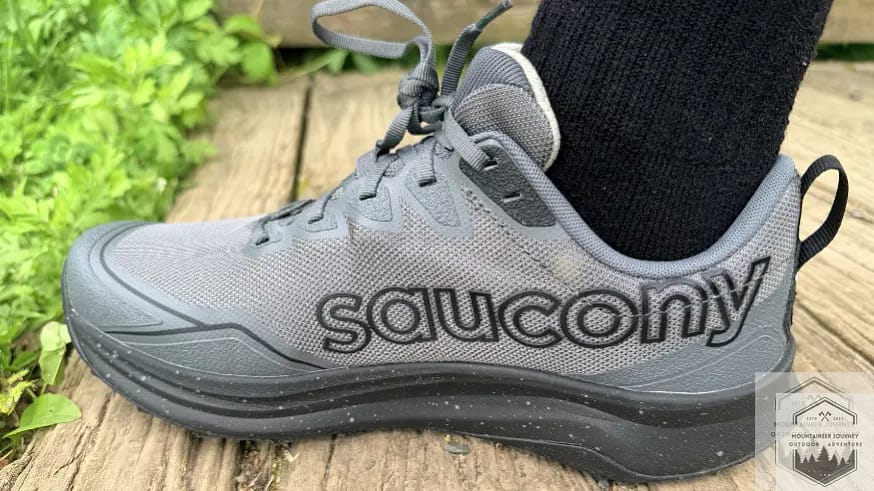
Both shoes offer decent breathability for summer trail running but are not waterproof.
The Saucony Peregrine 16 features a reinforced mesh upper that balances airflow and durability, making it more breathable and comfortable for runners with swelling feet or those who prefer a roomier toe box in hot conditions.
In contrast, the Hoka Speedgoat 7 has a more protective, structured upper that provides better durability on rugged terrain but feels warmer and less airy.
I tested both in 90°F weather; the Peregrine 16 definitely had better airflow on the top and sides of the foot compared to the Speedgoat, which has thicker textiles in those specific areas.
If you prioritize maximum breathability and a more open fit for hot summer runs, the Peregrine 16 is the better choice. However, if you need more protection and don’t mind a snugger, less ventilated fit, the Speedgoat 7 will still perform well.
Saucony Peregrine 16 Breathability: 4.5 out of 5
Hoka Speedgoat 7 Breathability: 4 out of 5
Winner: Saucony Peregrine 16
Weight
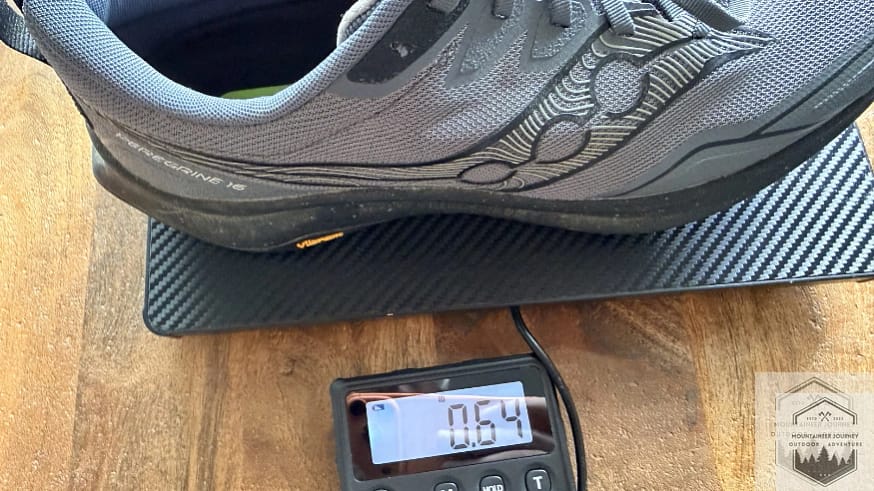
The weight comparison is closer than most people expect, but the Saucony Peregrine 16 feels lighter and more nimble, while the Hoka Speedgoat 7 feels smoother and more efficient over long distances.
The Peregrine 16 weighs 10.2 ounces per shoe, on our calibrated scale. The Peregrine 16 feels light, precise, and quick on technical trails.
The Hoka Speedgoat 7 is also 10.2 ounces per shoe. For a shoe with a 37mm heel stack height, that is impressive. You are getting a lot of midsole cushion, a wide base, a protective upper, and a Vibram Megagrip outsole without the shoe feeling like a heavy hiking shoe.
The Peregrine 16 has the advantage in agility. The lower stack height, firmer PWRRUN foam, and connected ride make it easier to move quickly through tech trails, uneven surfaces, and rocky terrain. If you like quick foot placement, the Peregrine 16 feels more natural.
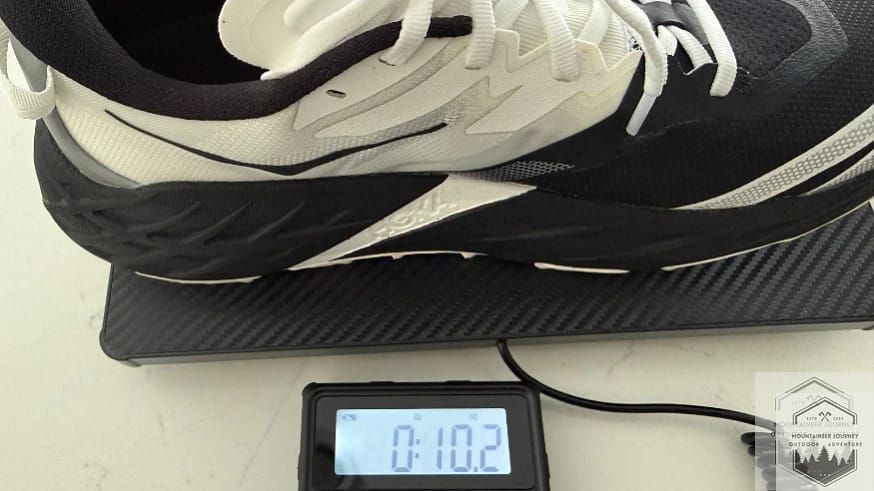
The Speedgoat 7 has the advantage in weight distribution. Even though it is more built up, the aggressive MetaRocker helps the shoe roll forward efficiently.
That makes it feel less bulky than expected during long trail runs. The Speedgoat 7 is especially good for heel strikers because the geometry makes heel-to-toe transition smoother.
The Peregrine 16 feels faster and more precise. The Speedgoat 7 feels more cushioned, more stable, and more protective.
For shorter technical trails and fast-paced runs, the Peregrine 16 wins the weight category. For long-distance comfort, the Speedgoat 7 uses its weight better.
Saucony Peregrine 16 Weight: 4.5 out of 5
Hoka Speedgoat 7 Weight: 4.5 out of 5
Winner: Tie
Durability
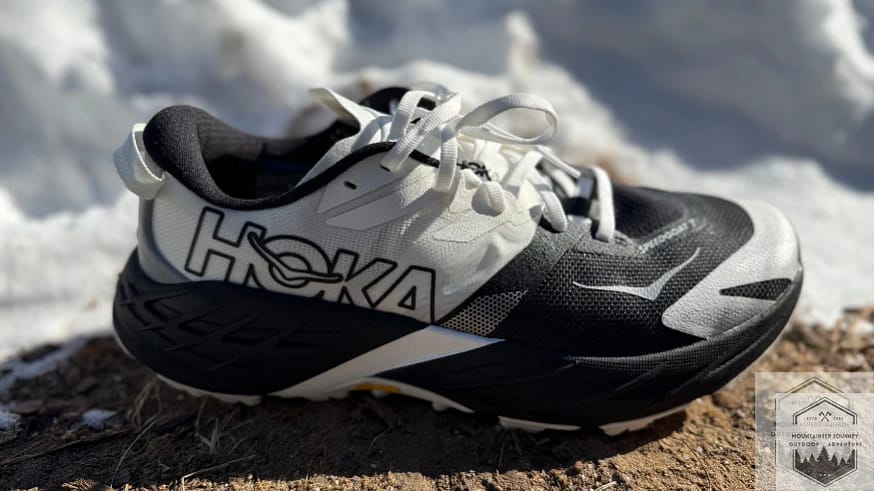
Both trail running shoes are well-built, but the Hoka Speedgoat 7 offers superior durability thanks to its robust materials and construction, while the Saucony Peregrine 16 emphasizes longevity with its durable outsole and upper, though it may not match the Speedgoat 7’s overall lifespan.
The Speedgoat 7 features a sturdier mesh upper with overlays designed to withstand rugged terrain, a resilient Super Critical Foam EVA midsole, and a Vibram Megagrip outsole that resists wear and tear on rocky, uneven trails.
While the upper mesh may show some wear after extended use, the overall construction holds up well, especially under the stresses of long-distance running and technical terrain.
In contrast, the Peregrine 16 uses highly durable materials and an improved upper designed to resist abrasion, and its Vibram Megagrip outsole is tough and long-lasting.
However, the Peregrine 16’s lower stack height and lighter materials may lead to earlier midsole compression and less cushioning over time compared to the Speedgoat 7.
During testing, I found the Speedgoat 7 maintains cushioning and structural integrity longer, especially on tough, rocky routes.
The Peregrine 16 is very durable for its class but does not quite match the Speedgoat 7 in overall lifespan and protection against wear.
If durability is a top priority and you want a trail shoe that can handle extended mileage on rough terrain without losing cushioning or protection, the Speedgoat 7 is the stronger candidate.
The Peregrine 16 still offers excellent durability, particularly for technical trails and moderate distances, but the Speedgoat 7 takes the crown for long-lasting performance.
Saucony Peregrine 16 Durability: 4 out of 5
Hoka Speedgoat 7 Durability: 4.5 out of 5
Winner: Speedgoat 7
Saucony Peregrine 16 Overall Rating: 8.2
- Comfort: 3.5 out of 5
- Traction: 4.5 out of 5
- Overall Protection: 4 out of 5
- Fit: 4 out of 5
- Breathability: 4.5 out of 5
- Weight: 4.5 out of 5
- Durability: 4 out of 5
Total: 29/35
Hoka Speedgoat 7 Overall Rating: 8.6
- Comfort: 4.5 out of 5
- Traction: 4.5 out of 5
- Overall Protection: 4.5 out of 5
- Fit: 3.5 out of 5
- Breathability: 4 out of 5
- Weight: 4.5 out of 5
- Durability: 4.5 out of 5
Total: 30/35
Speedgoat 7 vs Peregrine 16: Which One Is Better Overall?
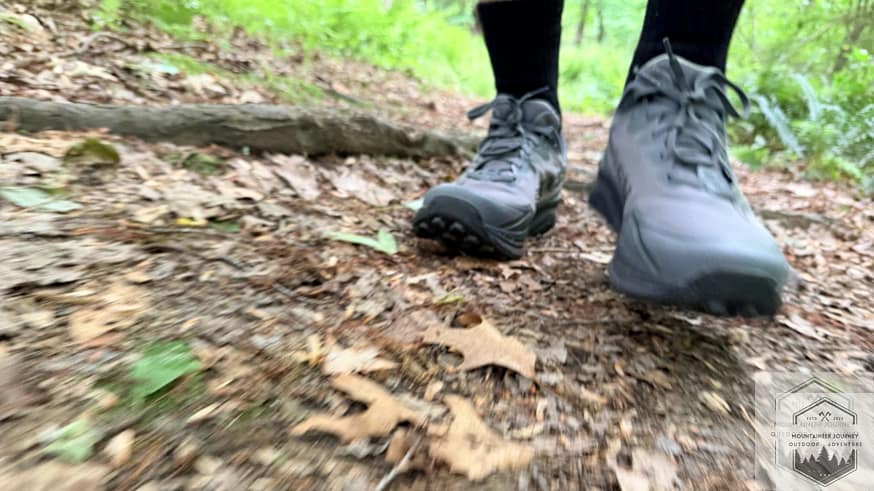
The Hoka Speedgoat 7 is the better shoe overall. It wins because it offers greater comfort, more underfoot protection, better shock absorption, stronger traction on mixed terrain, and a smoother ride for long-distance training.
The Saucony Peregrine 16 is good. I would never call it a bad trail shoe. In fact, it is one of the better options in the Saucony Peregrine line for runners seeking technical-terrain performance. It is precise, grippy, durable, and more natural feeling than the Speedgoat 7.T
The Speedgoat 7 is simply more complete. If I had to pick one shoe for rocky terrain, steep downhills, mountain climbs, loose dirt, wet rock, moderate mud, long trail runs, and rough conditions, I would pick the Hoka Speedgoat 7.
The key reasons the Speedgoat 7 takes the crown include its 37mm heel stack height, which provides better shock absorption, and its use of Super Critical EVA, which delivers a softer, more cushioned ride.
The shoe’s redesigned tread pattern and aggressive lugs offer strong traction across most trail conditions, enhancing grip and stability.
Excelling in long-distance comfort and cushioning, the Speedgoat 7 is particularly well-suited for extended training sessions, making it the top choice for runners seeking a protective, comfortable trail-running shoe.
The Peregrine 16 might be the better choice if you want a lower stack height, better ground feel, more room in the toe box, better durability expectations, and a more agile ride on technical trails.
The Peregrine 16 offers a firmer, more connected ride and is praised for its agility and precision on rocky terrain.
For best bang for your buck, the Saucony Peregrine 16 is the value winner. It costs less, lasts well, and handles technical trails beautifully.
For best overall performance, the Hoka Speedgoat 7 is the winner. It is the better of the two trail-running shoes for most runners who want comfort, protection, and confidence over longer distances.
Order HERE for the LOWEST PRICE AVAILABLE
(Do NOT pay retail):
| Comparision | Product | Rating | Price |
|---|---|---|---|
| 8.6 | Check LOWEST PriceRead Review | |
| 8.2 | Check LOWEST PriceRead Review |
How We Personally Tested Our Methodology
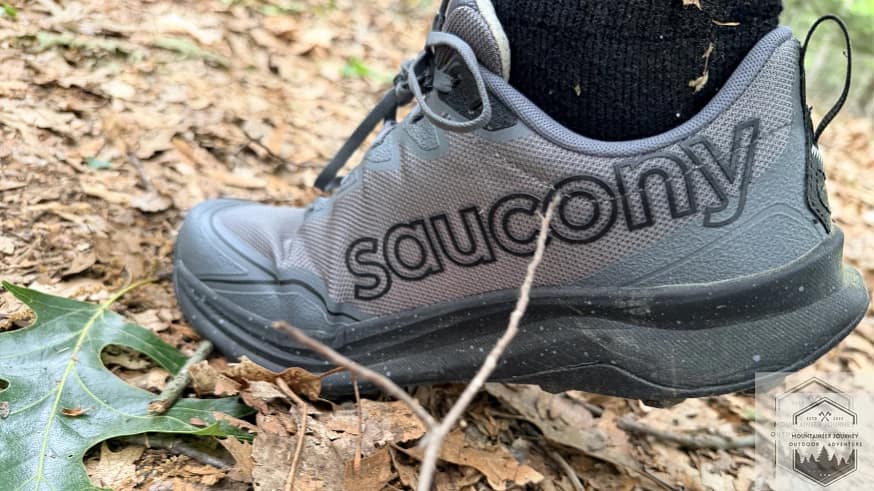
I tested the Saucony Peregrine 16 for 75+ miles across varied terrain. I focused on how the shoe performed during real trail runs, not just how it felt walking around.
The Peregrine 16 was evaluated for traction, comfort, durability, fit, breathability, protection, and weight. I paid close attention to the Vibram Megagrip outsole, 4mm lugs, PWRRUN foam, toe bumper, rock guard, heel collar, toe box, and overall shoe feel.
The Hoka Speedgoat 7 was evaluated through hands-on experience on technical trails where cushioning, traction, and stability matter. I focused heavily on the 37mm heel stack height, Super Critically Foamed EVA, redesigned tread pattern, lateral and heel lugs, MetaRocker design, low-volume fit, and protective ride.
Both shoes were judged to be trail-running shoes for real-world use, not road shoes or casual hiking shoes. The goal was to determine which shoe performs better across rough trails, mountain climbs, steep downhills, wet rock, loose dirt, and mixed terrain.
Mountaineer Journey is an independent outdoor gear publisher. The testing approach is based on direct trail use, detailed comparison, and honest recommendations. No manufacturer paid to influence this comparison, and no brand sponsorship determined the winner.

Tyler is the founder Mountaineer Journey and a professional Mountain Guide with 15+ years of technical experience in trekking, mountaineering, and trail sports. Having logged thousands of miles from rugged alpine summits to urban paths, Tyler provides rigorous, field-tested insights on hiking, walking, and trail running gear. All reviews are 100% unsponsored and unbiased, ensuring you get honest scoring based on real-world performance. His mission is to help outdoor enthusiasts of all levels find reliable equipment that ensures comfort, safety, and performance on any terrain.