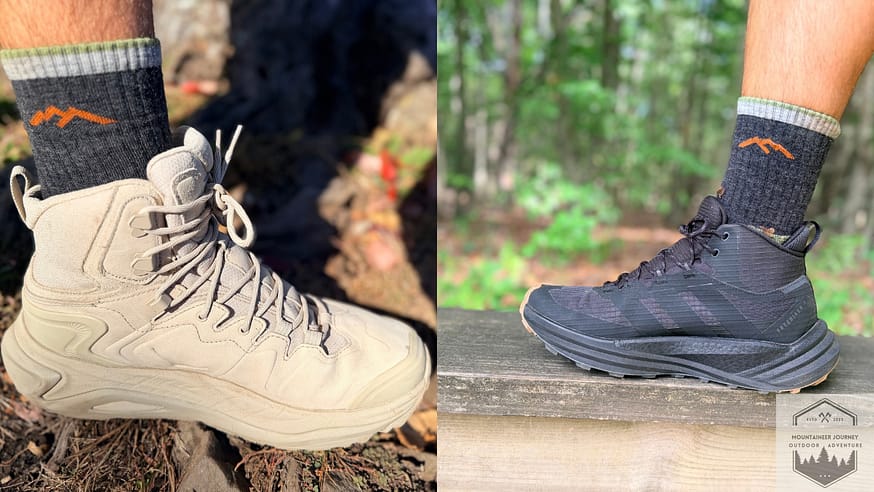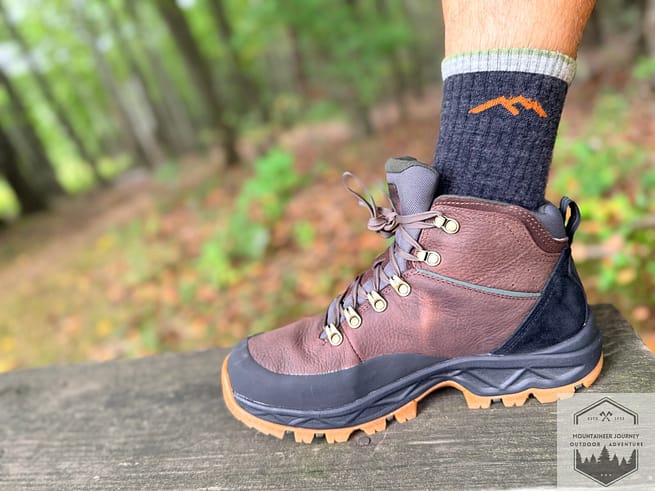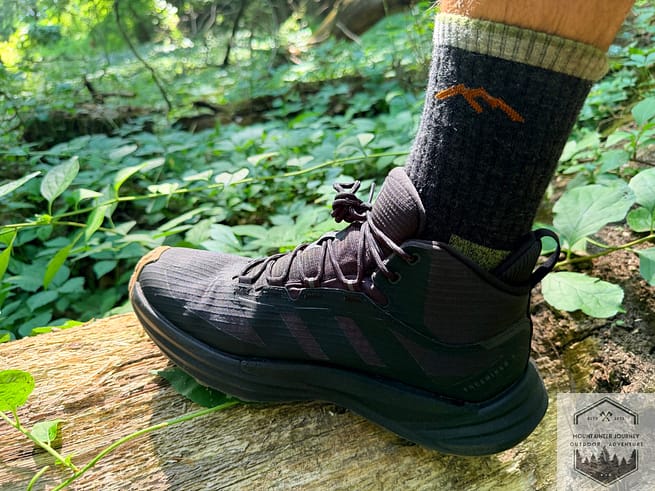
Hoka Kaha 3 vs Salomon Quest 5 | Unsponsored 2026
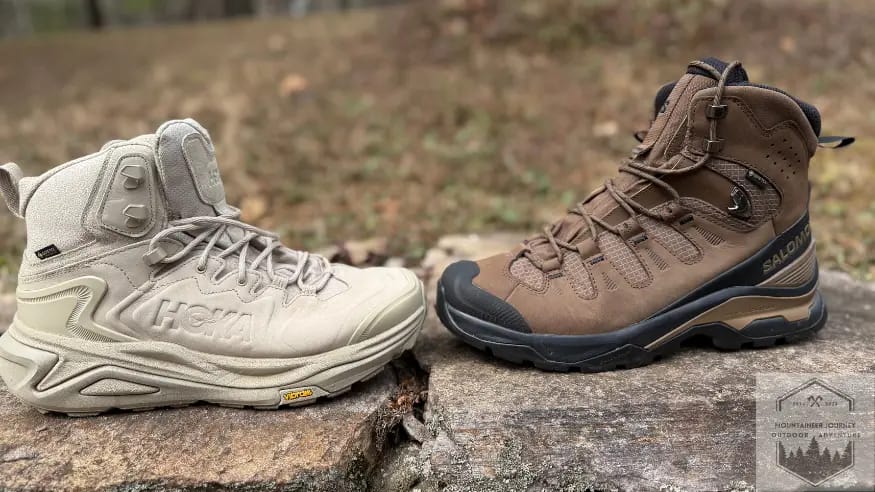


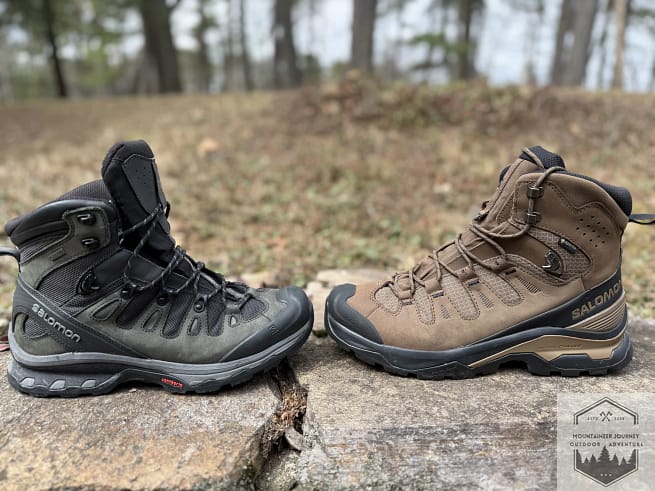
In this article, I’m sharing my honest comparison of the Hoka Kaha 3 GTX and the Salomon Quest 5 GTX after personally testing both hiking boots on the trails.
I’ve logged serious trail miles in each of these hiking boots, and I’m here to provide an objective testing comparison from the perspective of a professional hiker.
I’ll be comparing these two head-to-head in categories like price, comfort, traction, overall protection, fit and sizing, breathability, and durability.
Both boots represent premium options in the hiking boot market, competing directly at the same price point but with distinctly different philosophies.
At the end, I’ll share which product offers the best overall value and recommend which one you should buy.
For deeper dives into each boot individually, check out my Hoka Kaha 3 Review and Salomon Quest 5 Review.
Editor’s Note: I updated this review on 9/30/26 with new testing insights and recommendations.
Price Comparison
Hoka Kaha 3 GTX Price: $240
Salomon Quest 5 GTX Price: $240
Comfort
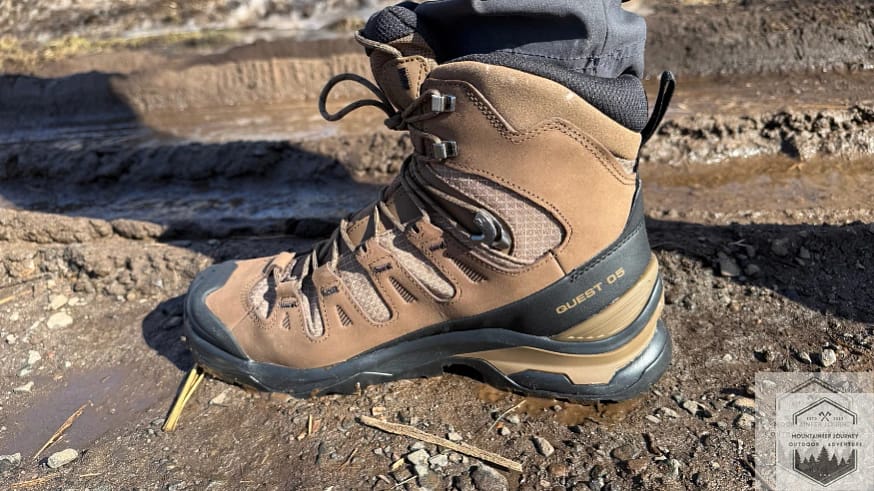
Both the Hoka Kaha 3 and Salomon Quest 5 are comfortable hiking boots, but they achieve comfort through fundamentally different approaches.
The Kaha 3 uses a dual-density EVA midsole with a thicker outsole. This creates a softer, more plush ride that absorbs impact exceptionally well on long hikes. The footbed is plush with a nice forgiving feel. I experienced much less foot fatigue while testing the Hoka Kaha 3 compared to the Quest 5.
Hoka’s signature Meta-Rocker is the standpoint feature. That subtle curve in the midsole guides your stride forward, creating smoother transitions, especially on flatter terrain sections. This is what really separates the Kaha 3 from the Quest 5; it “feels” much lighter on foot than the scale actually shows.
The Salomon Quest 5 takes a different approach with EnergyCell foam. The step-in comfort is still comfortable; however, it doesn’t provide the anti-fatigue of the Kaha 3. The 12mm heel-to-toe drop is actually more subtle than the 8mm on the Kaha 3 because the stack height is more minimal.
What would have made the Quest 5 model much more comfortable is a rockered sole. The Salomon Elixir Activ has a rockered sole, which really aided comfort and made heel-to-toe transitions easier.
Overall, while the Quest 5 improved its comfort, the Kaha 3 is still the king of trail comfort.
Hoka Kaha 3 Comfort: 5 out of 5
Salomon Quest 5 Comfort: 4 out of 5
Winner: Kaha 3
Traction
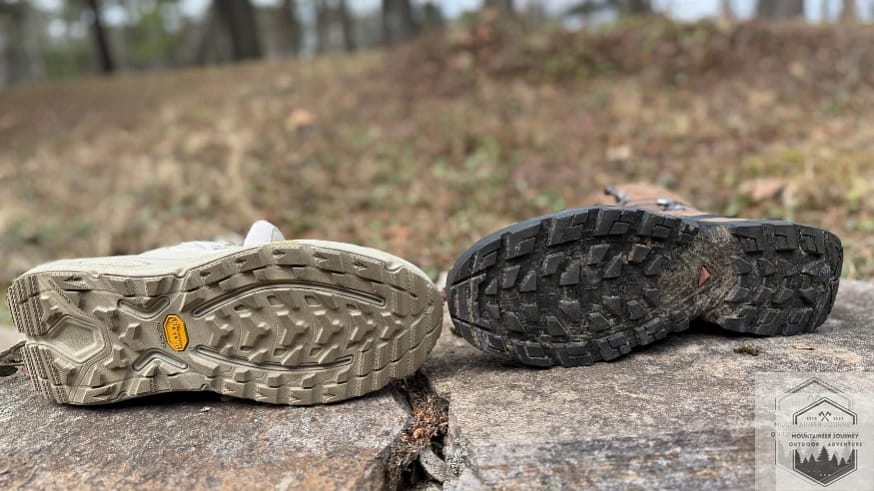
Traction is where these two boots differ most in grip philosophy.
The Hoka Kaha 3 features the Vibram Megagrip outsole with 4mm lugs in a wide multidirectional pattern. I tested them on wet rocks, muddy trails, scree, snow, and steep descents. The Kaha 3 has excellent traction on both wet and dry terrain.
The Kaha 3’s flared heel design also enhances grip while adding more ground contact. I really noticed the biggest difference while in boulder fields; the flared heel helped grab that extra surface area I needed to stay stable on the trail.
The Salomon Quest 5 uses All-Terrain Contagrip rubber with deeper, more aggressive lug patterns. While testing out the Quest 5 in the same kind of terrain as the Kaha 3, I felt the biggest difference was grip in mud. The deeper, chunkier lugs dug into softer terrain much better than the Kaha 3.
The Quest 5’s extra weight also pounds the outsole deep into softer terrain, improving contact. I noticed this similar pattern on the newer Timberland Mt. Maddsen 2.0.
The biggest difference between these two boots is wet-weather traction. The Kaha 3 has a slight advantage, with microspikes on its Vibram Megagrip outsole that add a bit more contact than the Salomon Contagrip.
Otherwise, both boots do very well on technical trails when it comes to grip.
Hoka Kaha 3 Traction: 4.5 out of 5
Salomon Quest 5 Traction: 4 out of 5
Winner: Kaha 3
Overall Protection
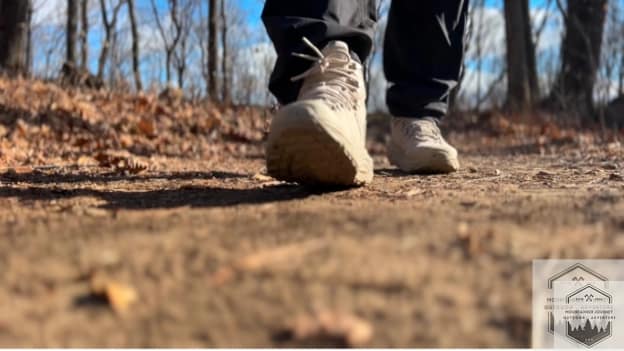
Both boots are built for rugged terrain and serious protection, though they prioritize different elements.
The Kaha 3 uses Nubuck leather with Gore-Tex Invisible Fit membrane bonded directly to the upper. The gusseted tongue prevents debris from entering the boot. The molded TPU toe cap, TPU heel counter, and broad rubber rand deliver solid rock protection along the sides.
The Kaha 3 ankle cuff is mid-height, providing ankle support without the aggressive stiffness of traditional hiking boots. The stack height is high enough to prevent sharp objects from puncturing the boot.
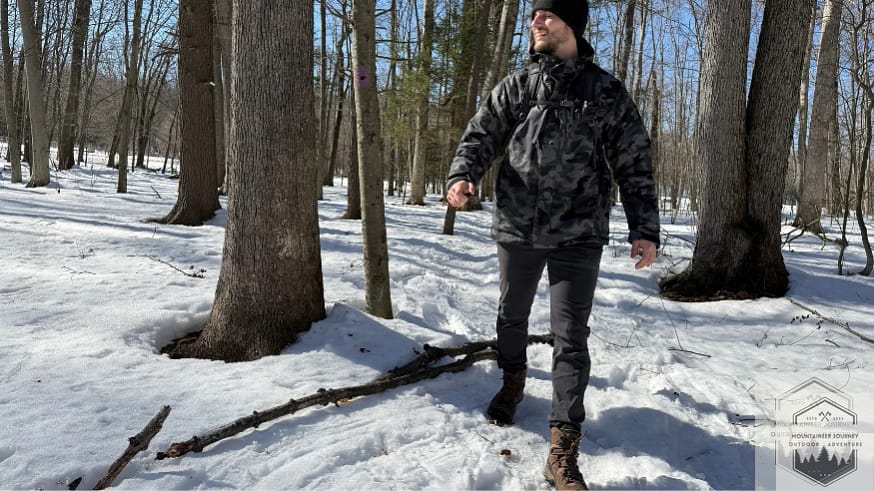
The Salomon Quest 5 features a full nubuck leather and ripstop fabric upper, wrapped in a Gore-Tex waterproof membrane. The protective toe cap and leather mudguard effectively shield against root kicks.
The Quest 5’s ankle cuff is noticeably higher and stiffer. For hikers carrying heavy packs on steep terrain, this extra ankle protection provides security that lighter boots can’t match. It’s built like traditional hiking boots, prioritizing support over flexibility.
The Quest 5 is really built like a fortress and offers better overall protection.
Hoka Kaha 3 Overall Protection: 4.5 out of 5
Salomon Quest 5 Overall Protection: 5 out of 5
Winner: Quest 5
Fit and Sizing
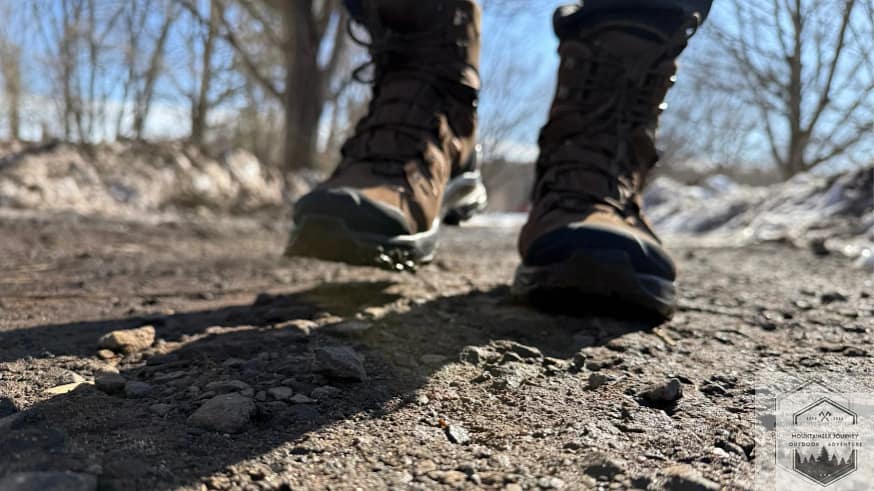
Both boots have some sizing issues.
The Kaha 3 fits well with decent overall volume and has good midfoot lockdown out of the box. The toe box offers decent natural toe splay, though some hikers with wider feet may find it feels a little crammed.
Personally, I didn’t find any issue with the toe box, and I do tend to be on the wide side when it comes to hiking boots. The Kaha 3’s lacing hardware includes quick-lace metal top hooks that speed up trailside adjustments. However, I noticed that the eyelet angle can cause laces to slip before you lock the knot—a minor frustration when gearing up.
For sizing with the Kaha 3, I would stick to your normal size.
The Quest 5 runs slightly large, the exact opposite of the Quest 4. If you’re between sizes, consider going a half size down. The overall volume near the toe box offers decent room for toe splay; I didn’t have any issues with hot spots.
I did, however, have issues with my toes slamming into the front of the boot when descending. This area is missing some extra padding that would’ve been useful. Also, for those who have thinner calves, the opening of the Quest 5s is quite large, and you’ll have to really lock down the laces to get them tight up against your calves.
Both boots accommodate most foot shapes reasonably well, but neither offers wide sizing options. For a more accommodating boot for wide sizes. Check out the Merrell Moab 3 wide version.
Hoka Kaha 3 Fit: 4 out of 5
Salomon Quest 5 Fit: 4 out of 5
Winner: Tie
Breathability
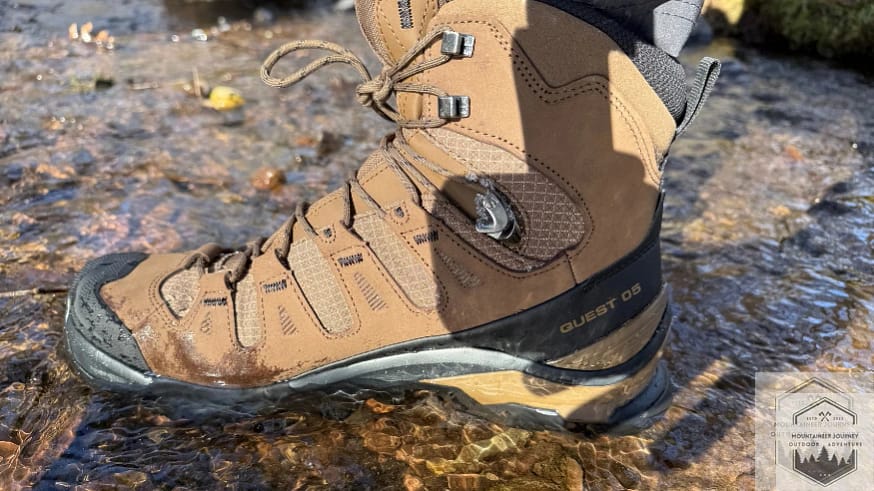
Breathability is where both of these waterproof boots show expected limitations. You’re trading that waterproofing for limited breathability.
The Hoka Kaha 3 uses Gore-Tex Invisible Fit. According to Gore-Tex, Invisible Fit should be more breathable than standard Gore-Tex. Personally, while testing these, I didn’t notice a difference in breathability between the standard Gore-Tex model and the Invisible Fit on the Kaha 3.
The Kaha 3 does run a little warm in summer conditions. The ventilation areas where the nu buck leather tapers off do provide some airflow, and the drying times after creek crossing are more reasonable than the Quest 5.
The Salomon Quest 5 uses standard Gore-Tex lining with heavier nubuck leather and synthetic ripstop fabric. The Quest 5 definitely retains more heat directly compared to the Kaha 3, over both boots aren’t very breathable in summer hiking during our testing.
The Kaha 3 edges ahead here because of its lighter face fabric and better airflow design.
If you’re looking for lighter, more breathable summer hiking boots, check out the Hoka Anacapa Breeze or the Salomon Elixir Activ.
Hoka Kaha 3 Breathability: 3.5 out of 5
Salomon Quest 5 Breathability: 2.5 out of 5
Winner: Kaha 3
Hoka Kaha 3 Overall Rating: 8.4
Total: 21.5/25
Salomon Quest 5 Overall Rating: 7.8
Total: 19.5/25
Which Boot is Better Overall?
After my head-to-head comparison, the Hoka Kaha 3 wins mainly for its superior comfort, better wet-rock traction, and improved breathability.
Both hiking boots offer excellent value at the $240 price point. They’re among the tested hiking boots I rate highest across all categories. The comfort, stability, waterproof protection, and durability are exceptional compared to other hiking boots in this range.
The comfort/protection trade-off is real. The Kaha 3 makes long hikes feel effortless. The Quest 5 makes loaded hikes feel secure.

Tyler is the founder Mountaineer Journey and a professional Mountain Guide with 15+ years of technical experience in trekking, mountaineering, and trail sports. Having logged thousands of miles from rugged alpine summits to urban paths, Tyler provides rigorous, field-tested insights on hiking, walking, and trail running gear. All reviews are 100% unsponsored and unbiased, ensuring you get honest scoring based on real-world performance. His mission is to help outdoor enthusiasts of all levels find reliable equipment that ensures comfort, safety, and performance on any terrain.