Our Score
Brooks Glycerin 23 Review | The Ultimate Walking Shoe for 2026?
In this article, I’m sharing my HONEST Brooks Glycerin 23 review for walkers wondering whether this premium shoe is WORTH IT in 2026.
I bought these shoes with my own money and was NOT sponsored, paid, or received a free product for review.
Each category receives a score based on OBJECTIVE testing standards with a final recommendation at the end.
Editor’s Note: We updated this review on 10/1/26 with changes to the support score after further testing, along with new insights and recommendations.
Brooks Glycerin 23 Review In Short

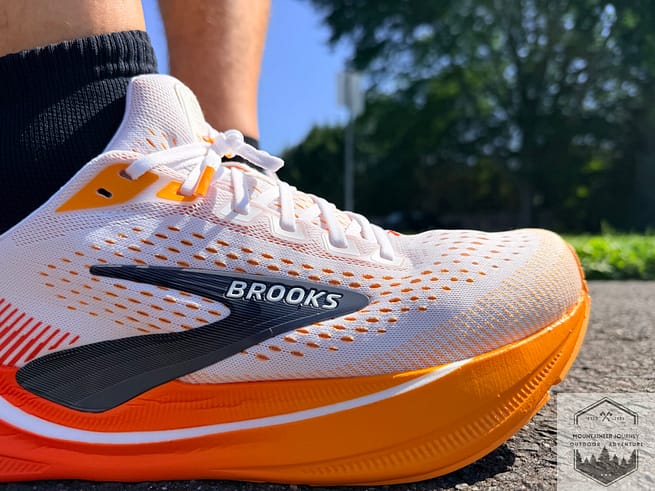
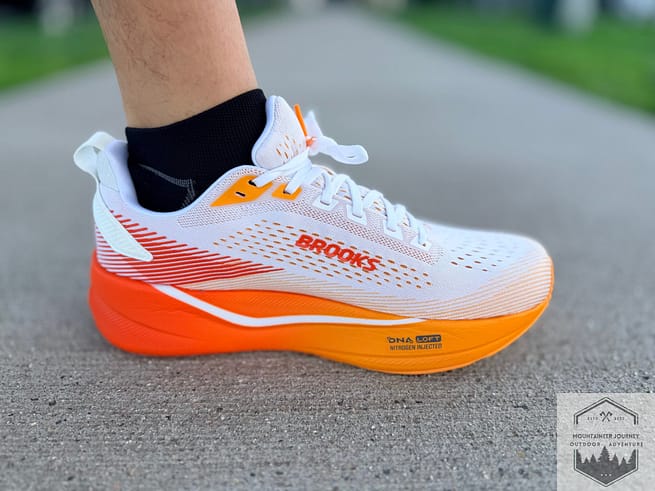
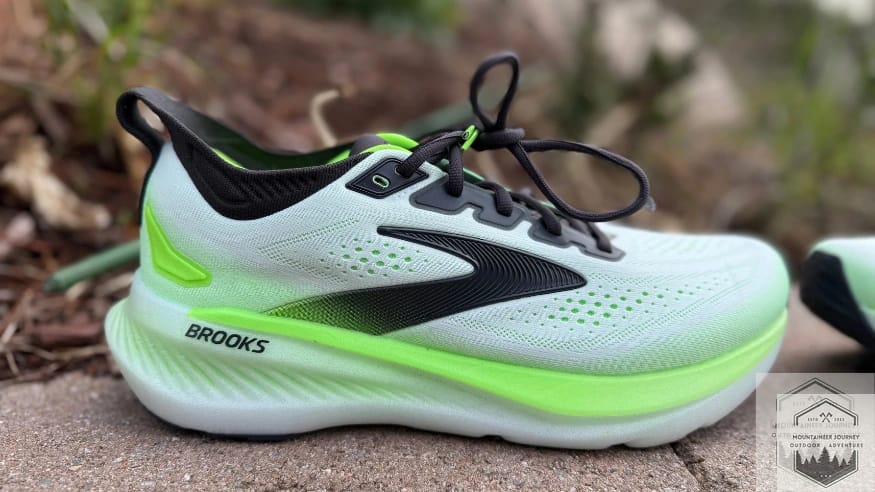
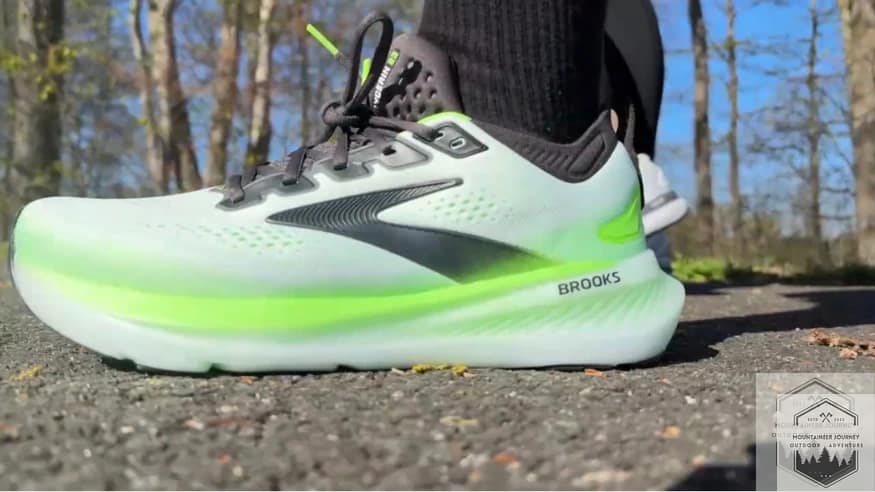
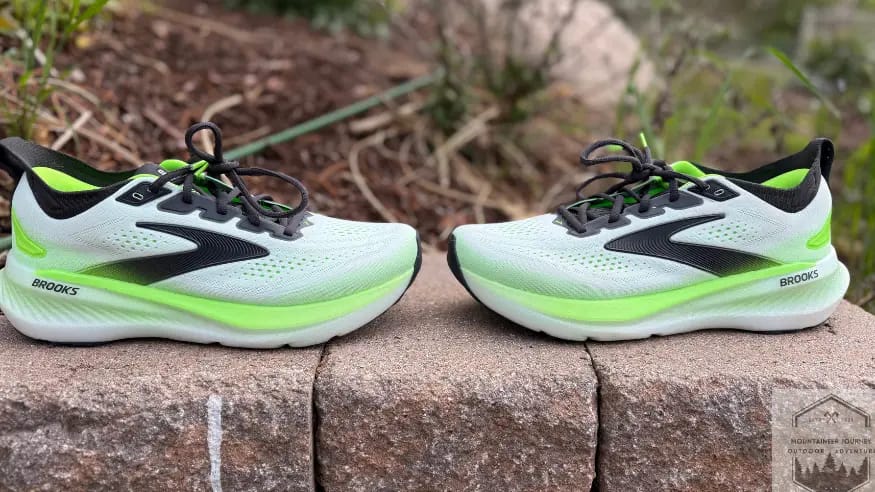
The Brooks Glycerin 23 features DNA TUNED midsole technology with nitrogen-infused dual-cell foam that delivers real comfort. The heel and tongue padding are major upgrades from previous iterations. With an 8mm drop and substantial 40 mm heel stack height, this shoe supports a natural walking gait cycle.
During my testing across concrete, asphalt, and light trails, the Glycerin 23 delivered consistent soft landings and excellent durability. I recommend this shoe for daily walking, training, work, and recovery runs for those looking for top-notch comfort and energy return.
At $175, you’re paying for premium materials and proven technology. Compared to similar shoes like the Brooks Ghost Max 4 or Hoka Bondi, the Glycerin 23 offers the same balanced ride.
Compare Similar Products
| Comparision | Product | Rating | Price |
|---|---|---|---|
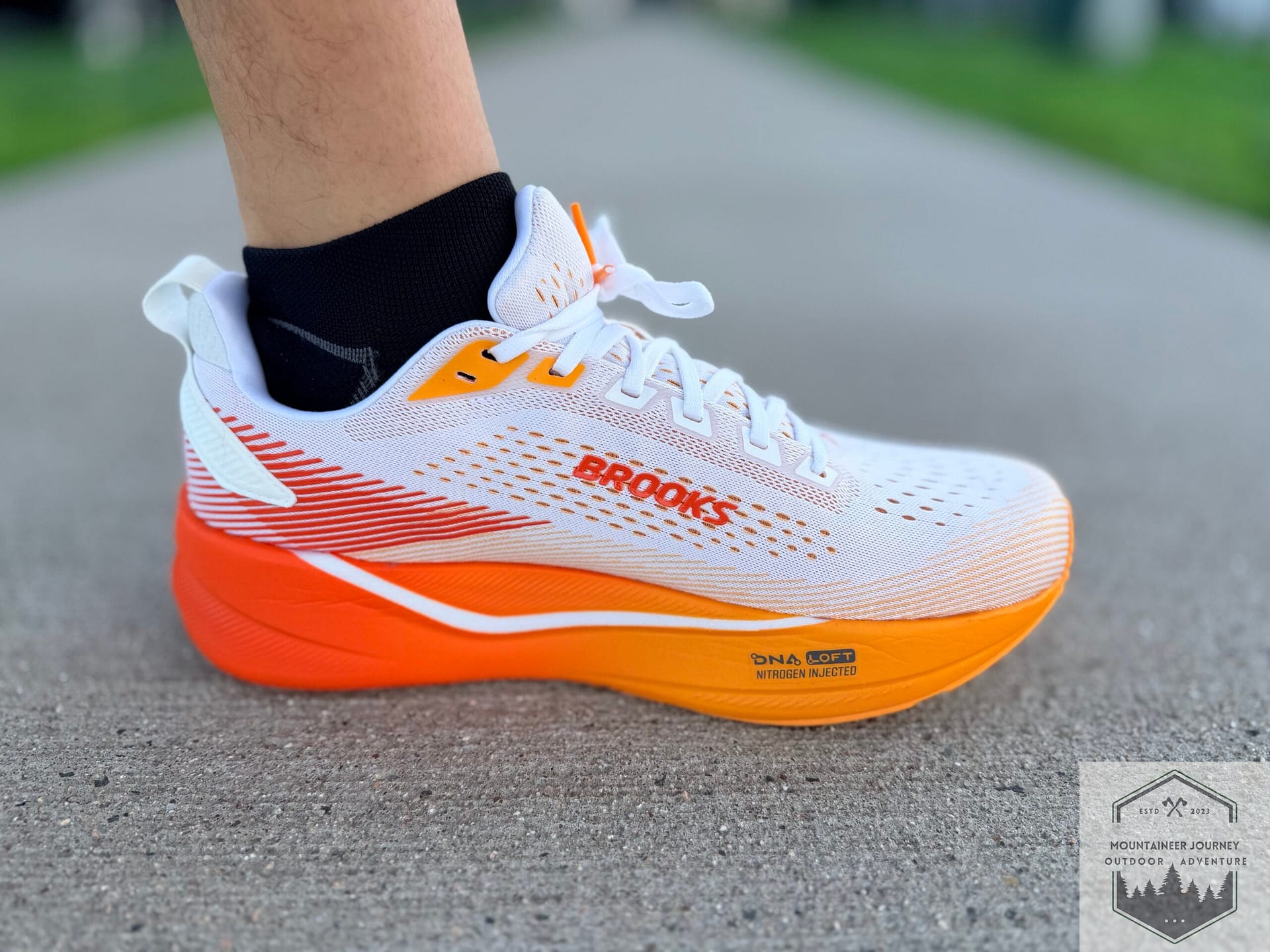 | 9.1 | Check Lowest PriceRead Review | |
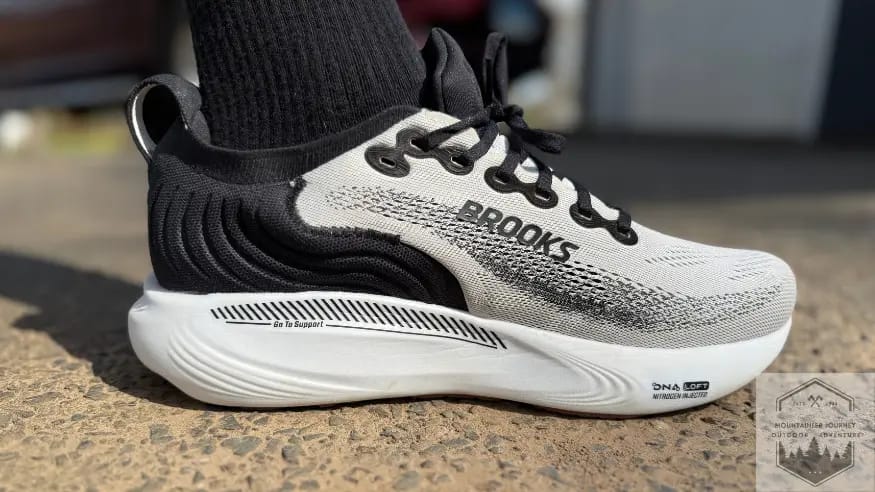 | 8.5 | Check Lowest PriceRead Review | |
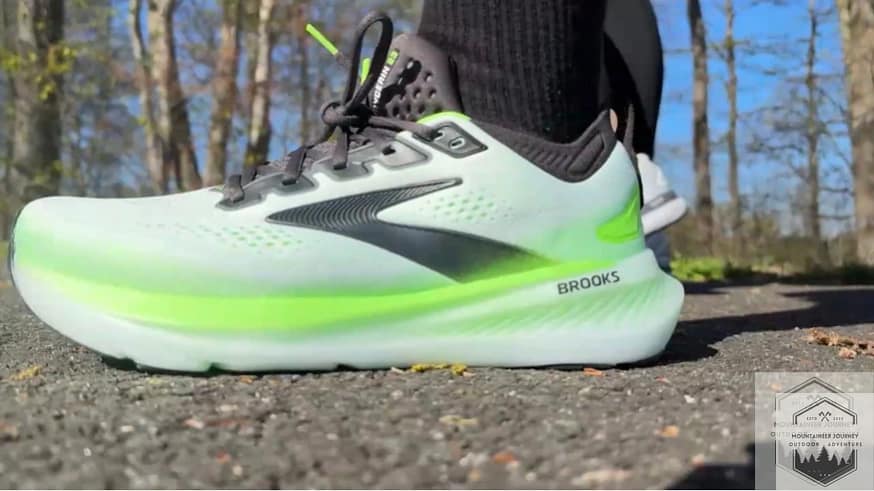 | 8.4 | Check Lowest Price |
Brooks Glycerin 23 Pros and Cons
Pros
- Excellent plush cushioning
- Lightweight, agile
- Wide platform for stability
- Durable engineering
Cons
- Jacquard mesh can get warm
- Premium price
- Narrow toe box
Who Should Buy the Brooks Glycerin 23
- People who prefer top-notch comfort with a comfortable footbed
People who walk long distances for work—teachers, nurses, postal workers
Those with joint concerns needing superior cushioning and impact absorption
Who Shouldn’t Buy The Brooks Glycerin 23
Budget-conscious buyers looking for value walking options under $120
Those preferring minimalist or lower-drop walking shoes
People with narrow feet who need precise lockdown without sizing adjustments
Brooks Glycerin 23 Comfort
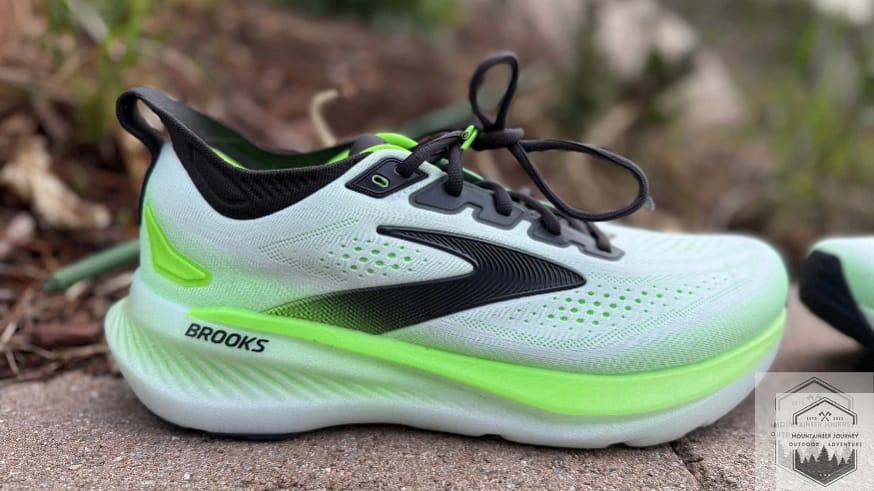
When I first slipped on the Brooks Glycerin 23, the heel cushioning immediately stood out. That DNA TUNED midsole with nitrogen-infused foam underfoot genuinely soaks up impact. I noticed it most when stepping off curbs and walking downhill during my neighborhood routes.
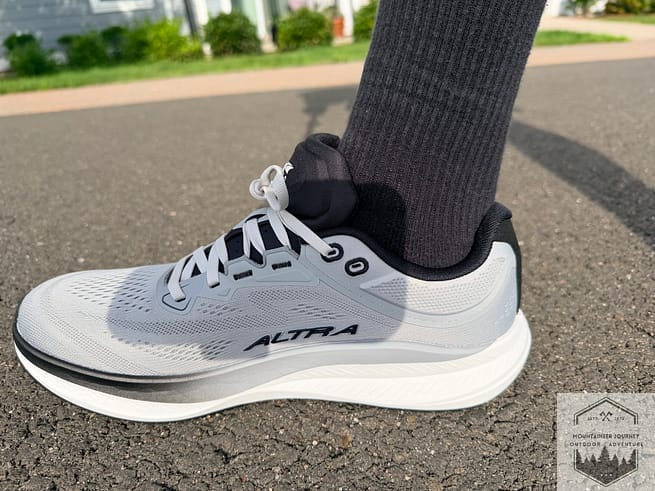
The 40mm heel stack height with a 31 mm forefoot creates enough cushioning without going overboard, as many new cushioned shoes tend to do. The energy return and “bounce” are similar to the Altra Experience Flow 3; I really felt an extra pep in my step.
My feet sink slightly into the foam, but it’s not that marshmallowy sensation where you feel like you’re walking on clouds and might topple over. The shoe maintains a balanced ride. The foam keeps your legs feeling spry. Impact absorption was top-notch; these should be at the top of the list if you have joint pain.
The triple jacquard warp knit upper wraps the foot securely, while the generously padded heel collar acts like a small pillow around your ankle. The heel padding is some of the best I have tested in a walking shoe to date.
One honest note: the forefoot foam is denser and firmer than the heel. During walks longer than 8 miles in a single session, I felt this more on the ball of my foot, where it is flatter than the contralateral side. The Glycerin 23 offers substanial cushioning although the energy return may be overkill for those who prefer more ground feel.
Comfort Score: 9/10 (30%)
Support
I measured the heel-to-toe drop at 9 mm. This really supports natural gaits for heel-striking walkers. I found my heel-to-toe transitions felt smoother; however, on inclines, it wasn’t as effective because my toe-off wasn’t as in sync on hill sections.
Brooks removed some lateral sidewalls in the midfoot compared to the previous version, which adds flexibility but slightly reduces containment. I felt my feet moved a little too much in the shoes, even with a really tight lockdown when lacing them up.
For me, as a neutral walker with mild overpronation tendencies, the support was good. I didn’t notice any flare-ups of my IT Band Syndrome on my left side, where I tend to overpronate more.
The heel counter stiffness provides solid structural support without feeling rigid or restrictive. For those needing extra support or aggressive pronation control, the Adrenaline GTS 24 would be the better choice with additional stability features.
Given the larger stack height and bounce, these shoes can feel tippy at times. I don’t recommend these if you have ankle issues, as they can roll more easily than some shoes.
While the shoe is neutral, I do use an insert to prevent my overpronation on my left foot. Consider this if you tend to overpronate and are still buying neutral-stability shoes.
However, for most neutral walkers, this shoe delivers solid support.
Support Score: 8/10 (20%)
Traction
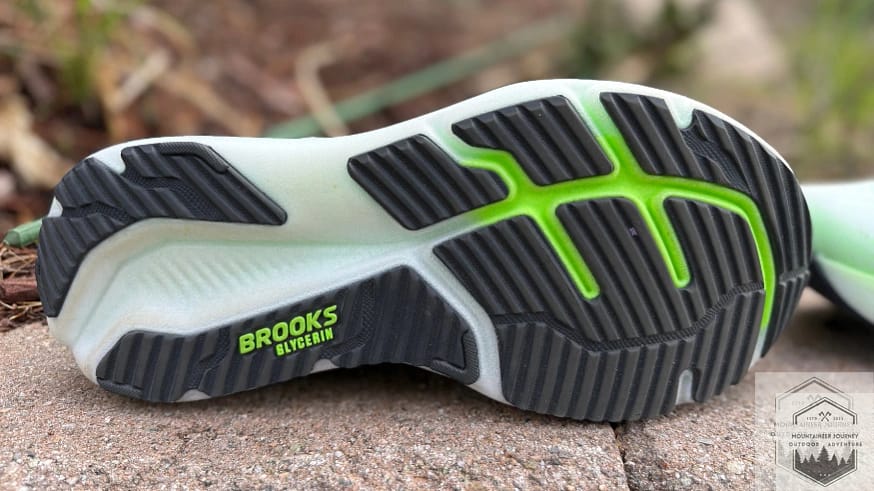
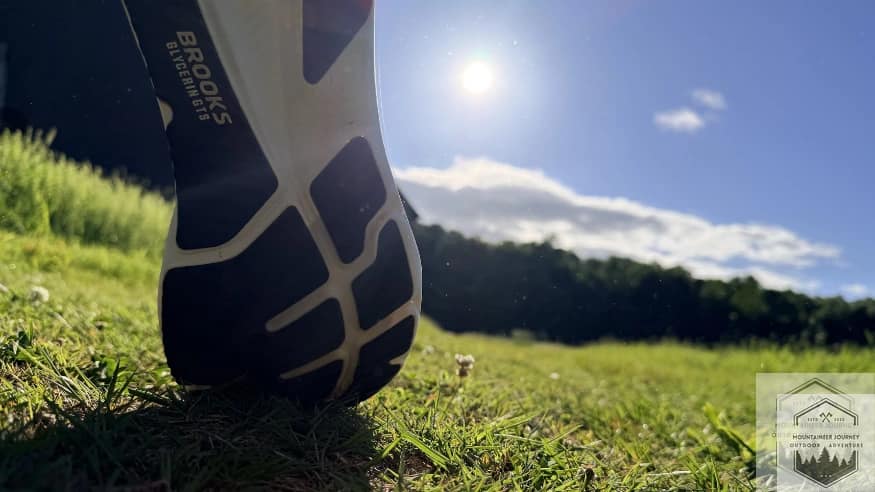
The RoadTack rubber outsole covers most of the sole with thick, durable rubber in high-wear zones. The rubber zonal patterns are much more effective than cut-in patterns we see on newer shoe models.
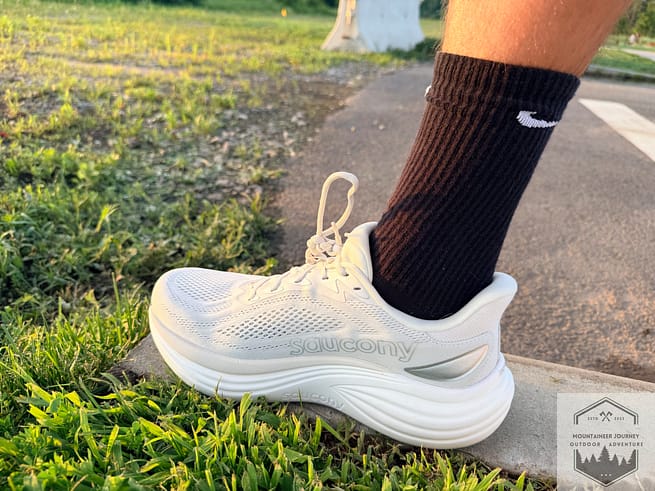
For example, the Hoka Bondi 9 has minimal rubber zones, with the tread cut into the shoe to save weight, rather than dedicated rubber tread zones like the Glycerin 23. On concrete, asphalt, indoor floors, and some light trails, the grip was consistent. On wet concrete, I didn’t slip.
The rubber extends slightly over the toe box, adding grip during toe-off and on inclines (a feature I really found unique during testing)
Overall, for those on predictable terrain, wet or dry, the Glycerin 23 has reliable grip.
Traction Score: 8/10 (15%)
Weight
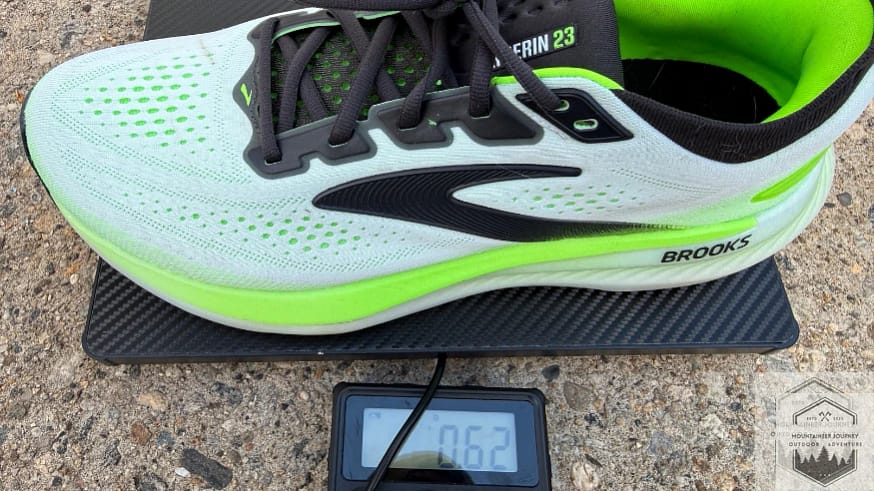
I weighed the Brooks Glycerin 23 at 9.7 oz per shoe on our scale. This is remarkable because the shoe has such plush cushioning and super-comfortable heel padding without adding extra unwanted weight. For comparison, this shoe weighs less than the Brooks Adrenaline GTS 25, which is surprising because it has much more foam.
At times, the larger foam can make this shoe feel blocky, but it’s still lighter than most high-stack shoes, so fatigue should be minimal on longer efforts.
Weight Score: 8.5/10 (15%)
How Does The Brooks Glycerin 23 Fit?
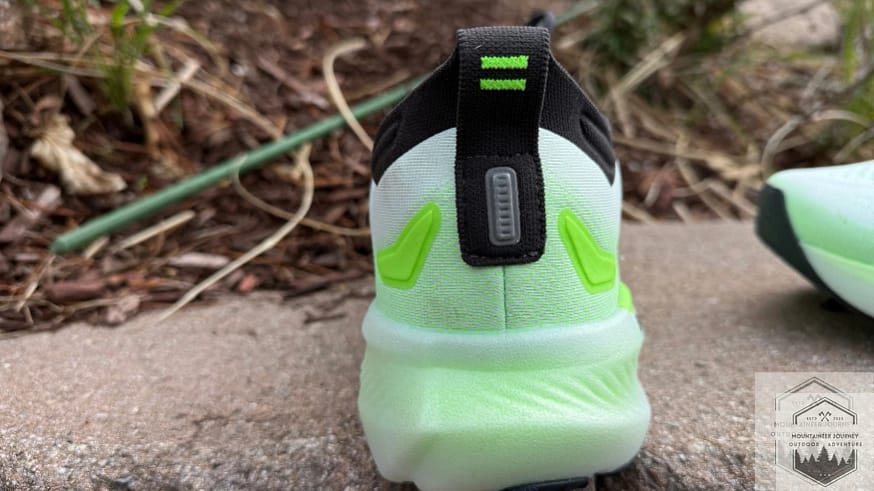
I purchased my shoes in men’s size 10.5 E, which is my standard size for Brooks walking shoes. The length was more than enough. The Brooks shoes are very consistent in size and fit. If you have high-volume or wide feet, order the 2E width.
The midfoot lockdown is secure without constriction. The padded heel collar prevents slippage once properly laced, though during my first few walks, I experienced minor heel lift until I adjusted my lacing technique and the collar broke in.
Fit Score: 8/10 (15%)
Is the Brooks Glycerin 23 Worth It?
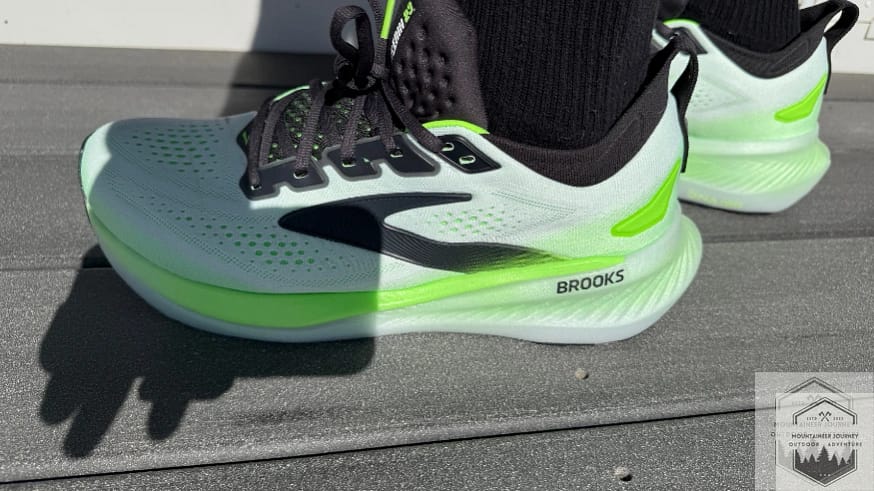
If you’re seeking premium cushioning for serious daily walking without the instability of ultra-maximalist shoes, the Glycerin 23 delivers. This shoe suits most foot shapes and comes in sizes up to 4E. It’s also a good option for walking and recovery running days.
At $175, this is a premium shoe demanding a premium price. For occasional walks or those covering shorter distances, the investment is harder to justify.
Consider the Asics Superblast 3 if you want top-notch cushioning with the same energy return as the Glycerin. If you like the Brooks walking shoes line but want a little less cushioning, the Brooks Ghost 18 is a good option with better traction. If you are on a budget looking for a shoe under $150, the Hoka Solimar 2 is a good option, although it offers much less comfort than the Glycerin.
Value: 9/10 (5%)
Scoring Breakdown
Comfort (30%): 9/10
Support (20%): 8/10
Traction (15%): 8/10
Weight (15%): 8.5/10
Fit (15%): 8/10
Value (5%): 9/10
Total Weighted Score: 2.70 + 1.60 + 1.20 + 1.275 + 1.20 + 0.45 = 8.425
Our Rating: 8.4/10
Frequently Asked Questions
How long do the Brooks Glycerin 23 walking shoes last?
Based on outsole wear patterns and midsole compression during my testing, expect 300-500 walking miles depending on your weight and walking surface.
Are Brooks Glycerin 23 good for standing all day?
Absolutely. The DNA TUNED cushioning excels for prolonged standing and absorbing impact.
Do Brooks Glycerin 23 run true to size?
Length runs true to size for walkers. All Brooks shoes tend to be very consistent with sizing. I recommend going with your normal shoe size.
What’s the difference between Glycerin 23 and Glycerin GTS 23?
The Glycerin 23 is designed for neutral walkers without stability features. The Glycerin GTS 23 adds GuideRails technology for overpronators who need extra support and motion control.
How We Tested and Our Methodology
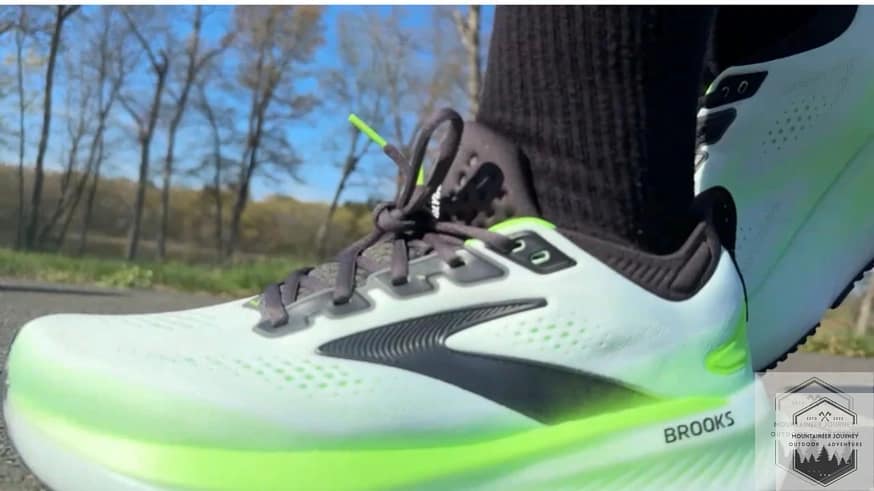
I personally tested the Brooks Glycerin 23 since its release, logging over 75 walking miles on these shoes. Testing continues through 2026.
Mountaineer Journey is a 100% independent publisher with years of testing and reviewing outdoor equipment.
With over 16 years of real-world experience testing footwear for comfort, durability, and support, I approach every review from both a performance and practical standpoint.
We currently pay for the products we test ourselves; no company or manufacturer pays us to sway our opinions or decisions. The final verdict reflects an honest assessment based on objective testing standards and personal walking experience.

Tyler
Tyler is the founder Mountaineer Journey and a professional Mountain Guide with 15+ years of technical experience in trekking, mountaineering, and trail sports. Having logged thousands of miles from rugged alpine summits to urban paths, Tyler provides rigorous, field-tested insights on hiking, walking, and trail running gear. All reviews are 100% unsponsored and unbiased, ensuring you get honest scoring based on real-world performance. His mission is to help outdoor enthusiasts of all levels find reliable equipment that ensures comfort, safety, and performance on any terrain.