Our Score
Brooks Adrenaline GTS 25 Review | Unsponsored
In this article, I’m sharing my HONEST Brooks Adrenaline GTS 25 review for individuals wondering whether this stability shoe is WORTH IT in 2026.
I bought these shoes with my own money and was NOT sponsored, paid, or given a free pair for review. All thoughts are my own.
I’ve tested the Adrenaline GTS 25 extensively on light trails, asphalt, concrete, and indoor floors. What makes this review unique is my personal situation—I’m flat-footed on my left foot, which causes overpronation.
I’ll share exactly how this stability trainer performed in my testing. I’ll cover comfort, stability, traction, weight, durability, and OVERALL value, giving objective scores for each category based on testing standards.
I will also be directly comparing the Adrenaline GTS 25 to many top walking shoes, including the Brooks Ghost Max 3, Hoka Clifton 10, and Hoka Gaviota 6.
Editor’s Note: We updated this review on 10/1/26 with new testing insights and recommendations for alternative models.
Compare Similar Products
| Comparision | Product | Rating | Price |
|---|---|---|---|
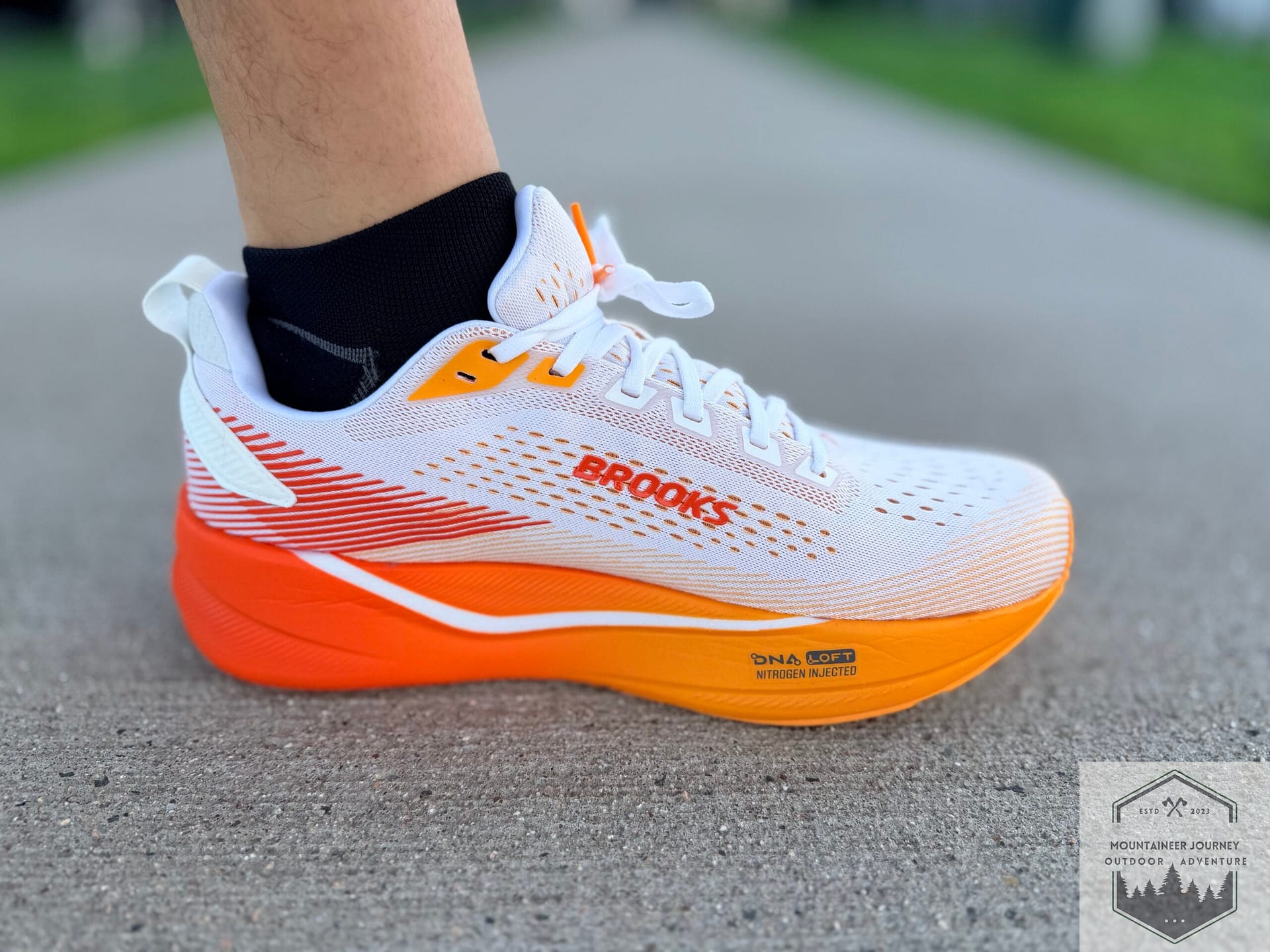 | 9.1 | Check Lowest PriceRead Review | |
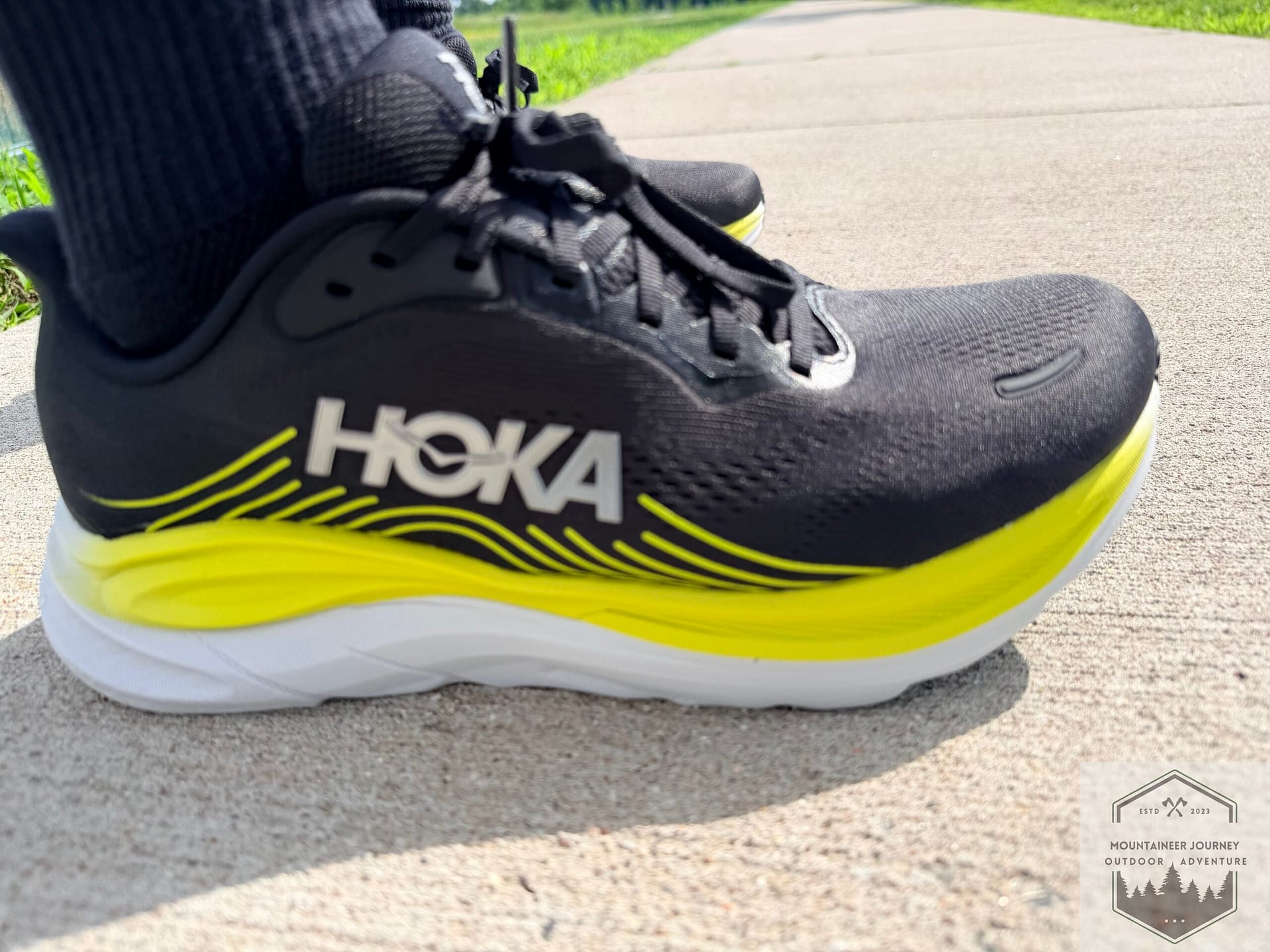 | 8.6 | Check Lowest PriceRead Review | |
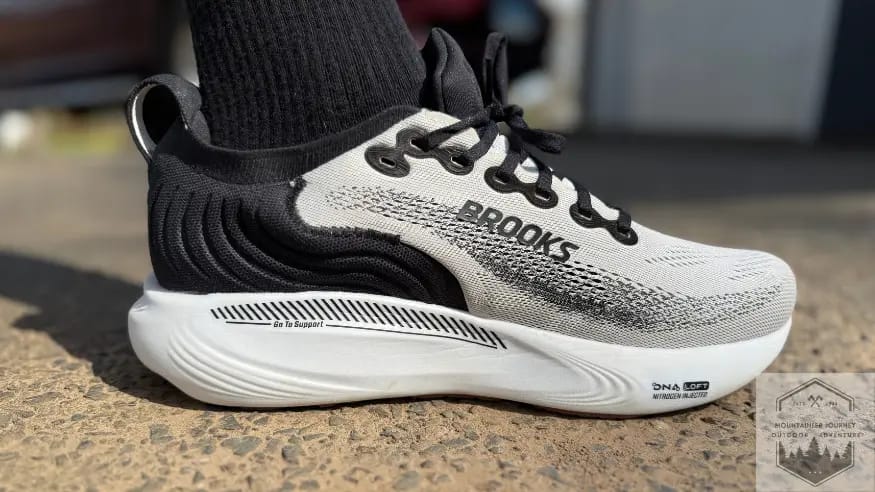 | 8.5 | Check Lowest Price |
Brooks Adrenaline GTS 25 Review In Short
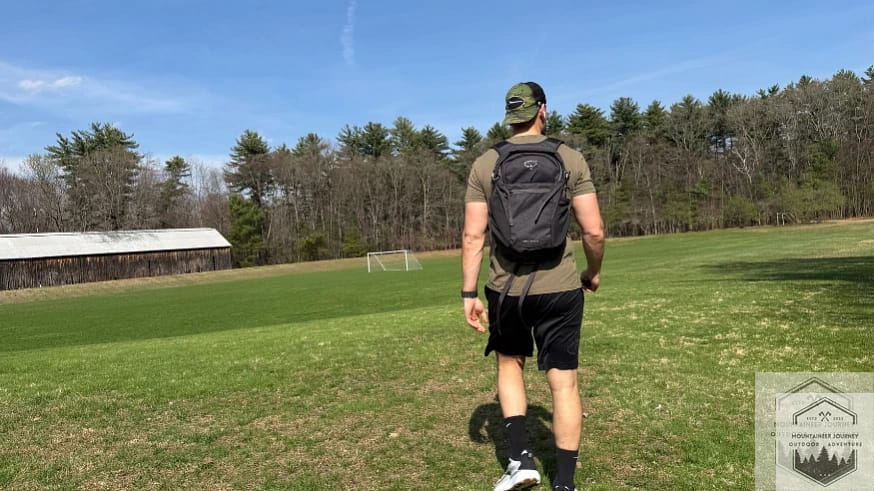
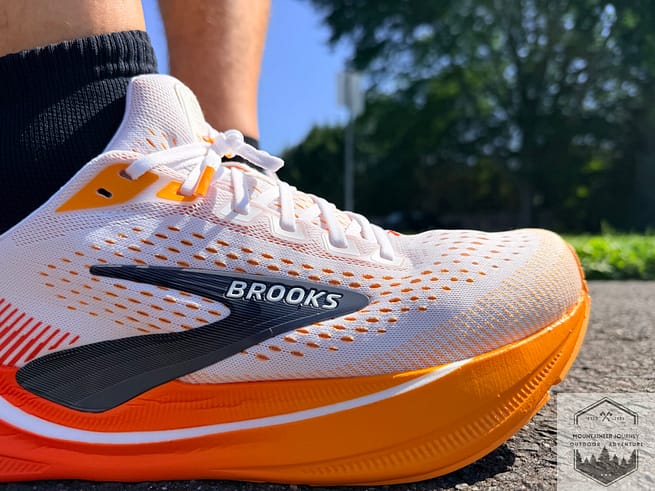
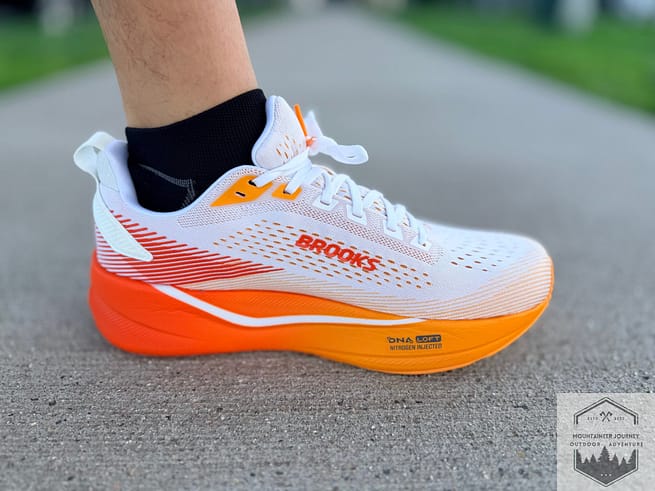
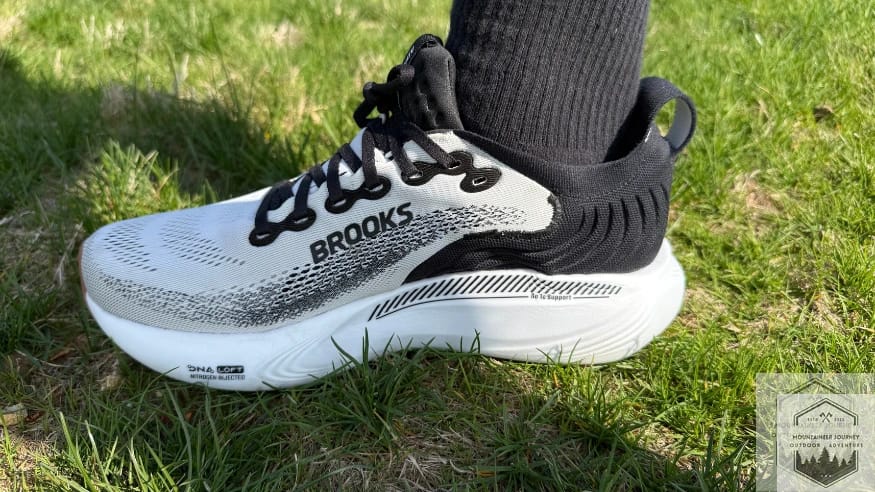
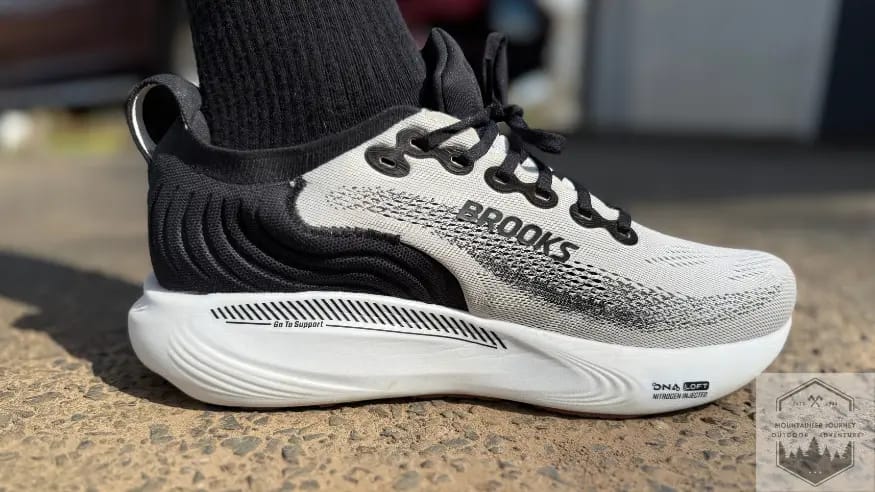
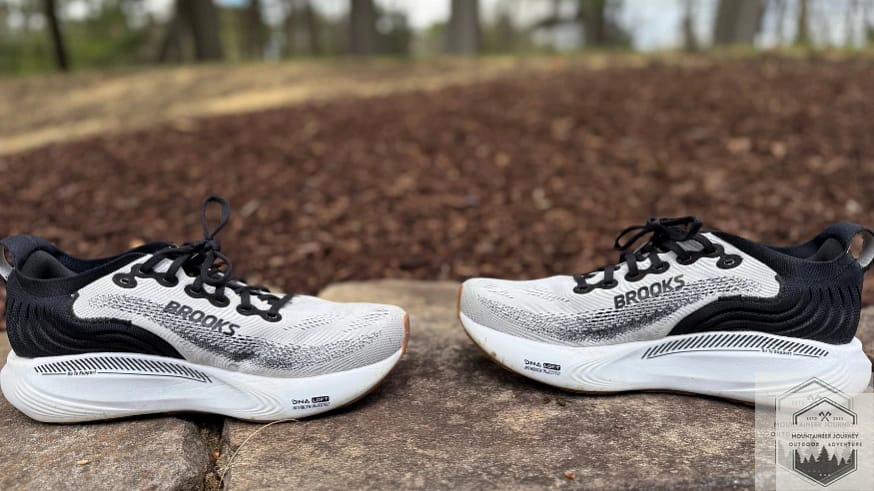
The Brooks Adrenaline GTS 25 features DNA LOFT v3 foam, a very soft, forgiving foam with excellent energy return. They feature a go-to support system with guide rails that resist overpronation.
The reduced 10mm drop (down from 12mm in the GTS 24) creates a smoother transition from heel strike to toe-off. With a stack height of 37mm in the heel and 27mm in the forefoot, you get substantial cushioning while maintaining stability.
For someone like me with a flat left foot that causes overpronation, the Adrenaline GTS 25 genuinely helped fight excessive inward roll. This really eased up my IT band syndrome and helped me continue to train the exact way I wanted to.
At $155, this stability shoe positions itself among the top-tier daily walking shoes. After extensive testing, it’s one of the best walking shoes for overpronation I’ve worn in 2026, and it handles daily miles with reliable comfort.
Brooks Adrenaline GTS 25 Pros and Cons
Pros
- Excellent for overpronators w/o hard overcorrection
- Plush cushioning
- Reliable performance across asphalt, concrete, and light trails
- Comfortable for all-day wear and long miles
Cons
- Slightly firm heel cup
- The heel collar may feel overly padded for some
Who Should Buy the Brooks Adrenaline GTS 25
People who overpronate and need gentle stability correction
People with flat feet seeking comfortable daily trainers
Those seeking more cushion than previous Adrenaline models
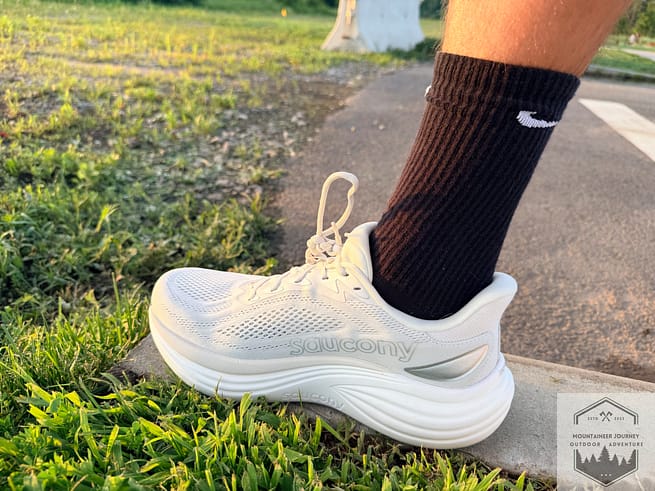
- Those looking for stable walking shoes without maximum cushioning like the Hoka Gaviota 6
Who Shouldn’t Buy the Brooks Adrenaline GTS 25
Neutral runners who don’t need stability features
People who prefer a neutral heel-to-toe drop
Those seeking maximum energy return for speed work
Brooks Adrenaline GTS 25 Price
Right now, the Brooks Adrenaline GTS 25 retails at $155, with the best deals available through major retailers.


Disclosure: These links may provide a discount and in return, give us a commission to run the website 🙂
Brooks Adrenaline GTS 25 Comfort
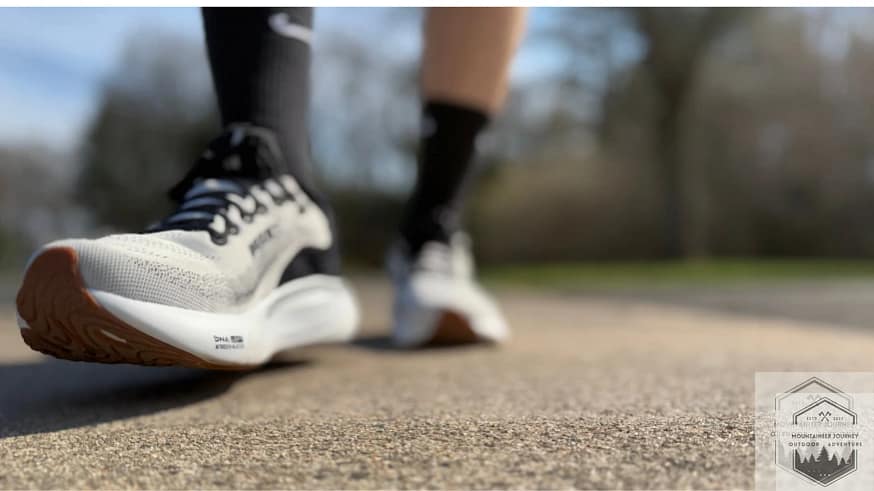
When I first slipped on the Brooks Adrenaline GTS 25, the DNA LOFT v3 foam immediately felt different from other stability models I’ve worn. My heel sank into soft, controlled plushness at the footbed.
The heel padding is extremely foamy and conforming. I didn’t experience any excessive hot spots or blisters on the heel. The plush heel collar and tongue enhance comfort and prevent lace bite during my testing on longer walks.
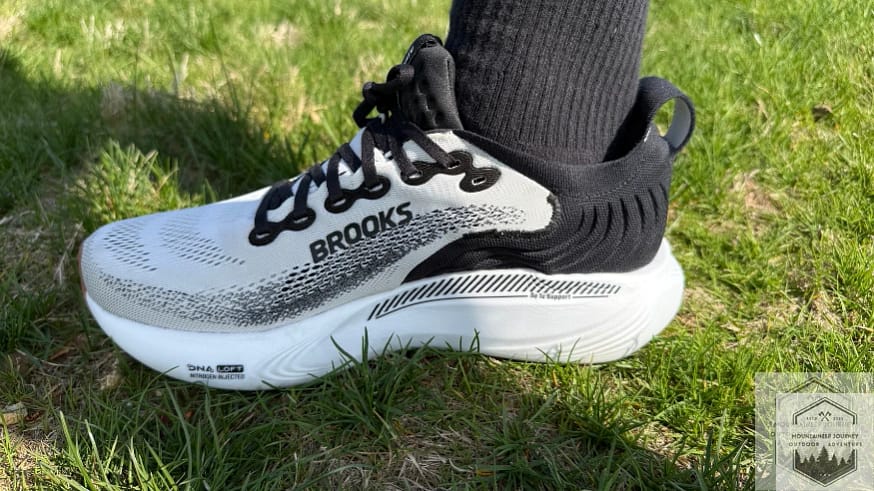
The double jacquard-engineered mesh upper offers breathability that keeps my feet from overheating in moderate temperatures. That said, the added padding does trap some warmth. On a humid afternoon walk, I noticed my foot felt warmer than in lighter trainers.
It’s a trade-off for that secure fit and cushioned feel. The impact absorption is comparable to the Brooks Glycerin 23, with less foam. These are a sweet spot for general impact absorption without going overboard on foam.
What impressed me most: the cushioning held up through long miles without that dead, compressed feeling. The forefoot does firm up slightly after extended use, but the heel maintains its soft, shock-dampening character.
Comfort Score: 8.5/10 (30%)
Stability and Support
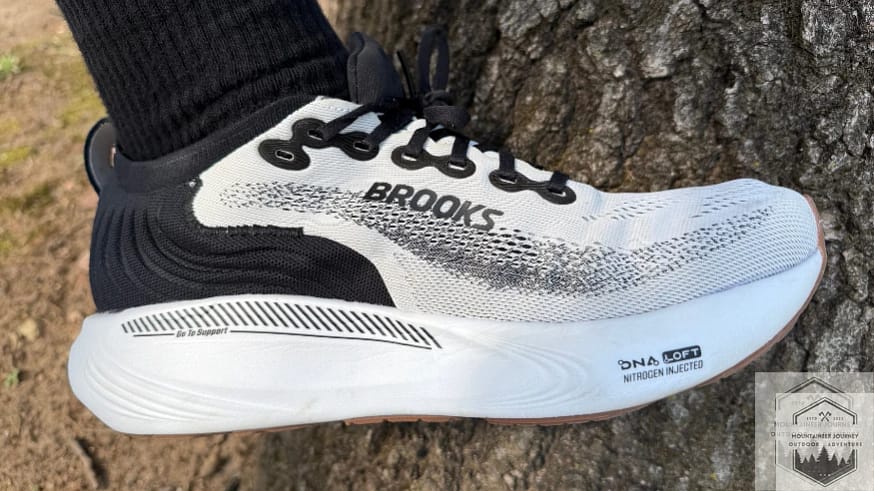
Here’s where the Brooks Adrenaline GTS 25 truly shines for many overpronators.
The GuideRails technology creates raised sidewalls from the heel to the midfoot, guiding your foot through each stride without forcing an aggressive correction. That medial collapse I ALWAYS experience when walking was gone immediately.
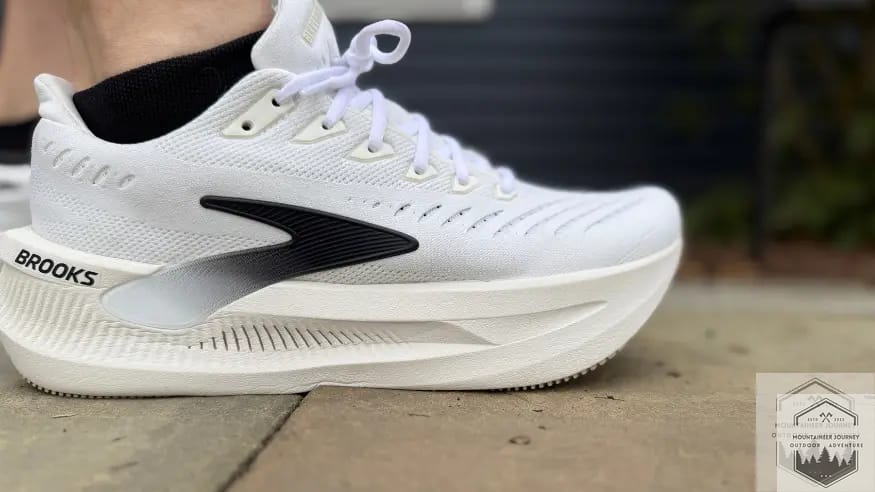
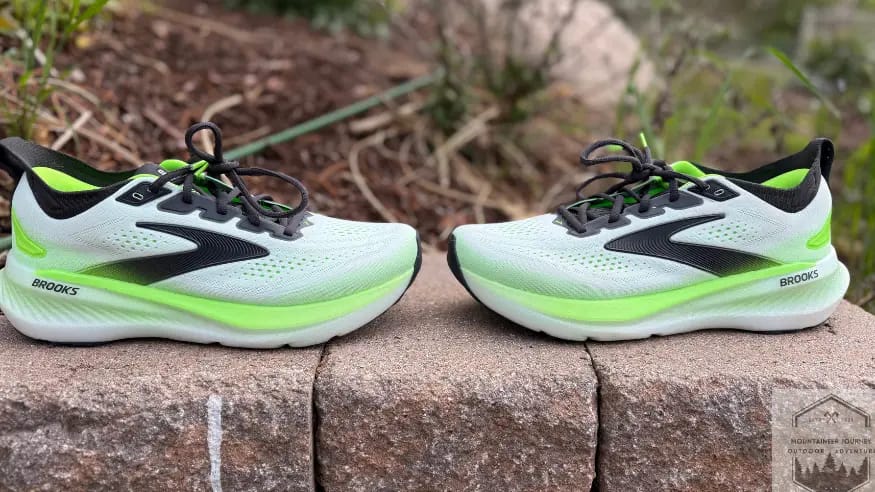
This was a relief, as I always tend to overpronate in my Hoka Clifton 10 or even the Brooks Ghost Max 3.This also gave me relief on my left side from IT band syndrome, which affects me due to the excessive pronation of my foot.
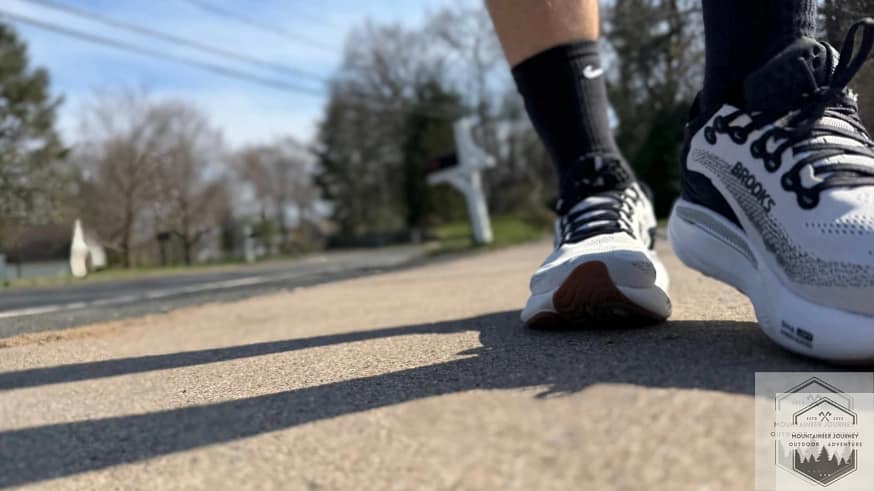
Within the first mile, I felt the medial post engaging under my arch, gently resisting that inward collapse. It wasn’t intrusive, more like a supportive hand keeping things aligned. With the lower drop reduced from 12mm to 10mm, the Adrenaline GTS 25 offers a more natural foot position while still providing ample stability.
This matters for users transitioning from a more neutral drop to a higher 8 mm drop during the heel-to-toe transition. The heel counter stiffness provides solid lockdown without rigidity. During my testing on uneven concrete and light trails, my ankle felt supported through lateral movements.
The shoe’s DNA LOFT v3 foam balances softness and stability, delivering a comfortable ride while maintaining the support overpronators need. I also felt the higher ankle cuff added more stability than most walking shoes in this class.
The only other shoe we have tested that scores as high on support against overpronation is the Hoka Gaviota 6. However, the Gaviota 6 is much stiffer and more rigid.
Support Score: 9/10 (20%)
Traction
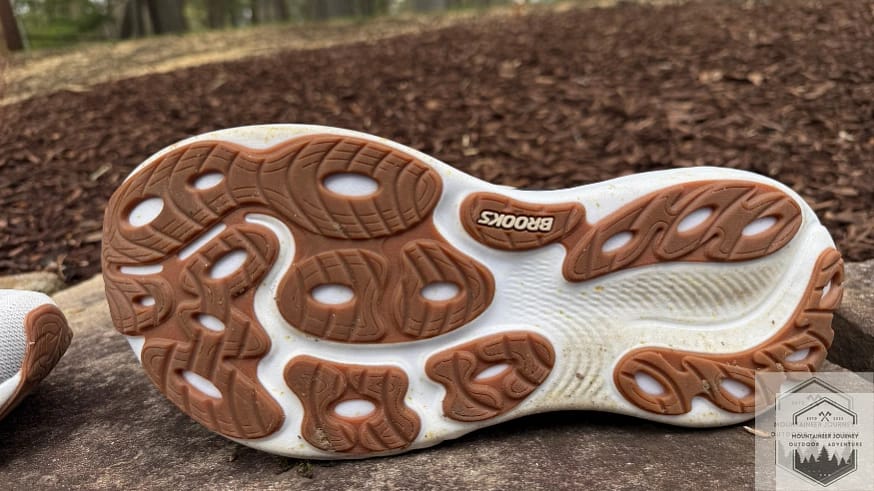
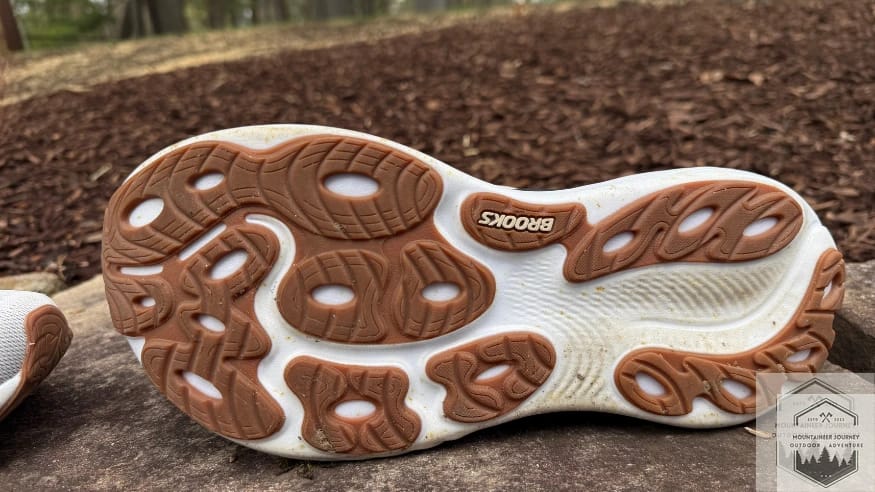
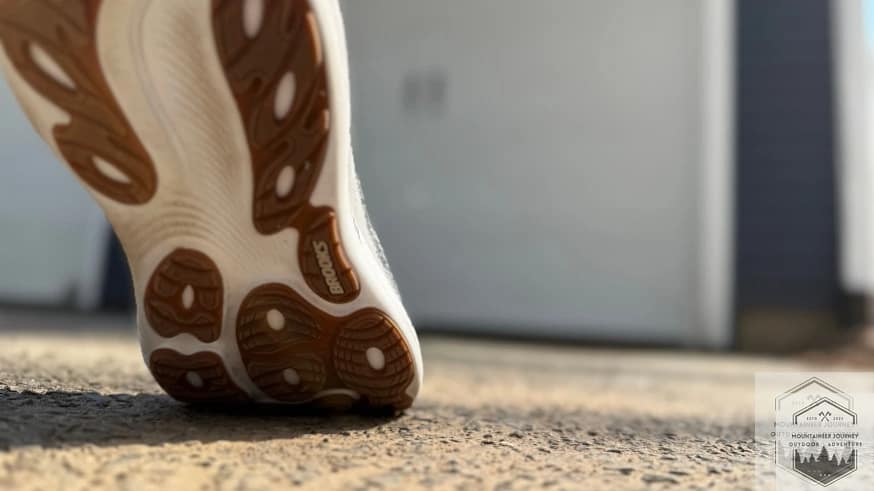
The RoadTack rubber outsole on the Brooks Adrenaline GTS 25 delivers reliable grip across multiple tested surfaces, though it’s clearly optimized for pavement. I tested these on light trails with loose gravel, common asphalt, concrete sidewalks, and indoor floors.
On asphalt and concrete, where most people will use this shoe, the RoadTack rubber provides exceptional grip. Compare that to the Brooks Glycerin 23, where you don’t get any traction islands; that makes all the difference.
The outsole is slightly grippier than other shoes because the traction islands have deeper indentations than more superficial rubber compounds. On lighter gravel trails, I did have a few slip-ups; however, these were mainly in the midfoot, where the rubber is less optimized.
On wet pavement after rain, grip remained adequate but not exceptional, reliable enough for recovery runs or walks without white-knuckling through turns.
Traction Score: 8/10 (15%)
Weight
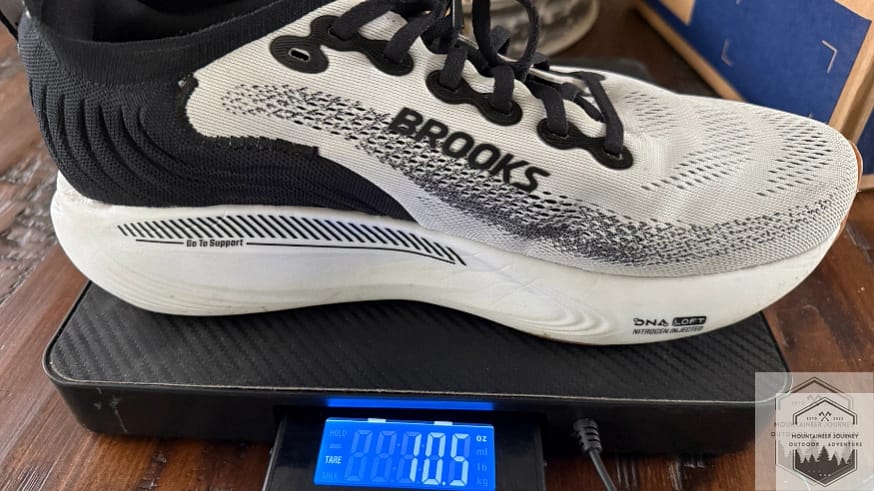
I weighed the Brooks Adrenaline GTS 25 at 10.5 oz per shoe for my men’s size 10.5. A little heavier than some stability-focused shoes, however, they do not feel excessively heavy or blocky on my feet.
The natural rockered sole adds smooth heel-to-toe transitions, making these shoes feel about average weight on foot. Although this is not a springy, propulsive shoe, it gets the job done without causing excessive fatigue from its weight.
Weight Score: 8/10 (15%)
How Does The Brooks Adrenaline GTS 25 Fit?
I purchased mine in a men’s size 10.5 2E, which fit perfectly. The sizing on Brooks shoes tends to be very consistent across all models. I will say, the toe box is quite roomy, a little bit more than most people would need, but I didn’t experience any slipping or excessive movement in the shoe with the added room.
Those whose toes tend to swell in warm weather will appreciate the extra toe-box room.The volume of the shoe will fit most foot sizes well.
Heel lockdown is solid thanks to the padded heel collar. I experienced no slipping during testing. The secure fit prevented internal movement that usually causes blisters on longer miles.
Overall, do not size up or down. Move to 2E if you are a wider size.
Fit Score: 8.5/10 (15%)
Is the Brooks Adrenaline GTS 25 Worth It?
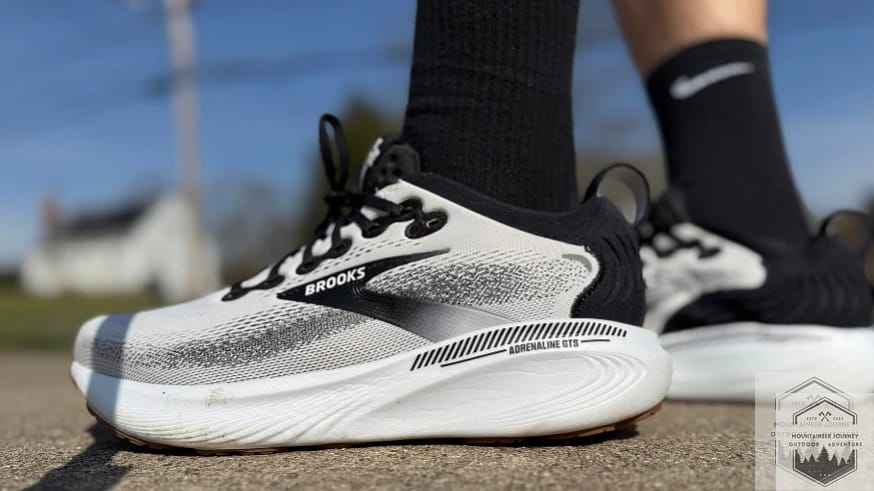
After logging serious miles in the Brooks Adrenaline GTS 25, I can confidently say this stability shoe delivers excellent value for its intended users.
This model uses durable materials, and the engineering is designed for high-mileage use without excessive wear. For those looking for extra support and to fight instability, the Adrenaline delivers.
The strengths of this shoe are control and stability while still providing a plush footbed and good impact absorption. I do not recommend this shoe for people who don’t need stability or overpronation correction.
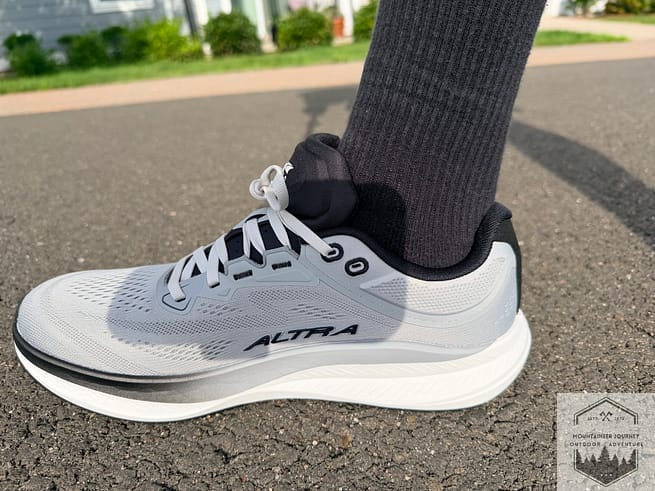
For those looking for a more neutral model and/or a lighter alternative, check out the Altra Experience Flow 3. For more cushion with the same exact guiderail system, the Brooks Glycerin GTS 23 tested very well for us as well. For more grip without excessive pronation control, the Altra Torin 9 is an enticing option that doesn’t sacrifice stability for comfort.
Currently, it’s one of the best walking shoes for overpronation I’ve tested in 2026. The Adrenaline GTS 25 also ranks in our Best Walking Shoes of 2026; check that out for more information.
Value Score: 8.5/10 (5%)
Scoring Breakdown
Comfort (30%): 8.5/10
Support (20%): 9/10
Traction (15%): 8/10
Weight (15%): 8/10
Fit (15%): 8.5/10
Value (5%): 8.5/10
Total Weighted Score: 2.55 + 1.80 + 1.20 + 1.20 + 1.20 + 0.40 = 8.5/10
Our Rating: 8.5/10
Frequently Asked Questions
Can I use the Brooks Adrenaline GTS 25 for walking?
Absolutely. The Brooks Adrenaline GTS 25 excels as a walking shoe, especially for those dealing with overpronation.
How does it help with overpronation?
The GuideRails technology and medial post work together to prevent excessive inward foot roll. This system guides your foot through natural motion without harsh correction, reducing strain on knees and ankles.
Do Brooks Adrenaline shoes run true to size?
Yes, these shoes run true to size.
What’s the difference from the GTS 24?
The Adrenaline GTS 25 has a lower heel-to-toe drop of 10mm compared to its predecessor’s 12mm. It also features a larger toe box and a more plush footbed.
How We Tested and Our Methodology
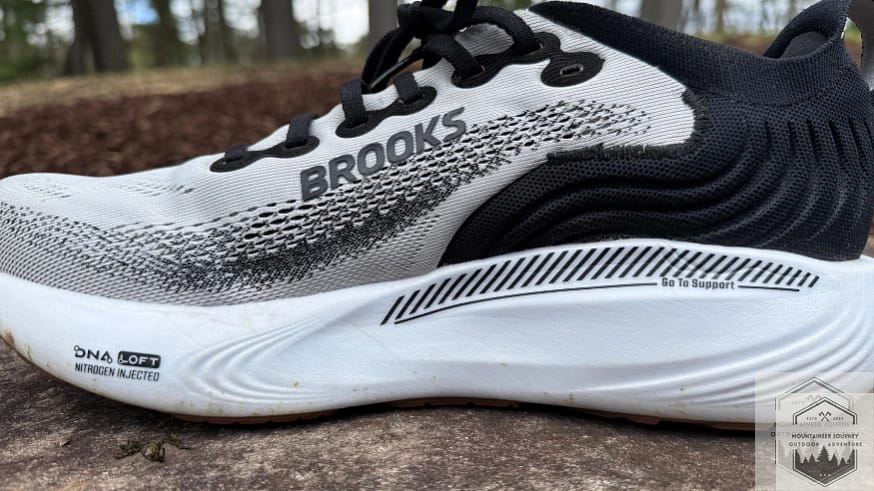
I have personally tested the Brooks Adrenaline GTS 25 for over 75 miles since its release and will continue testing through 2026.
I purchased these shoes with my own money—no early access, no free product. This keeps my scoring OBJECTIVE.
Mountaineer Journey is a 100% independent publisher with years of testing and reviewing outdoor equipment.
With over 16 years of real-world experience testing footwear for comfort, durability, and support, I approach every review from both a performance and practical standpoint. We test each shoe across varied conditions before scoring.
We pay for the products we test ourselves; no company or manufacturer pays us to influence our opinions or decisions.

Tyler
Tyler is the founder Mountaineer Journey and a professional Mountain Guide with 15+ years of technical experience in trekking, mountaineering, and trail sports. Having logged thousands of miles from rugged alpine summits to urban paths, Tyler provides rigorous, field-tested insights on hiking, walking, and trail running gear. All reviews are 100% unsponsored and unbiased, ensuring you get honest scoring based on real-world performance. His mission is to help outdoor enthusiasts of all levels find reliable equipment that ensures comfort, safety, and performance on any terrain.