Our Score
Best Hiking Boots of 2026 | Unsponsored
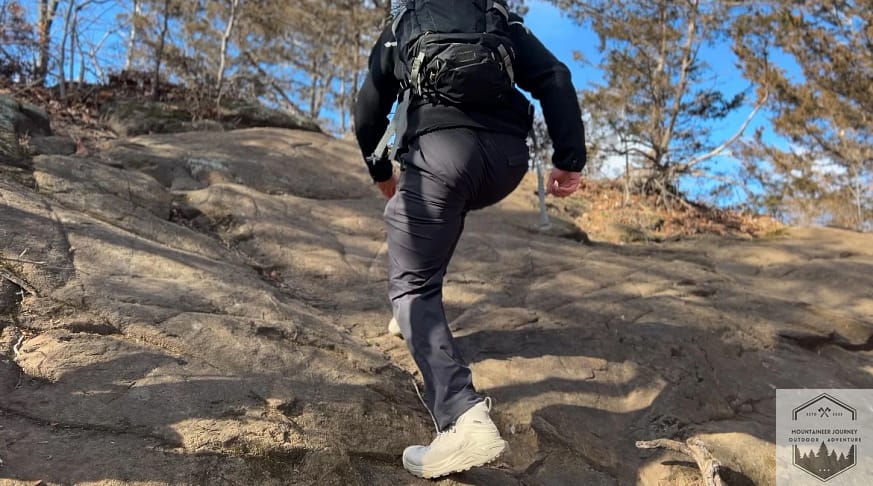
In this article, I’ll share my best hiking boots of 2026. After testing over 50 hiking boot models over the last 16 years, I have compiled a list based on objective test results, along with my case study of each model.
I have spent hundreds of hours testing each boot on the trail, particularly in rough, technical terrain. My testing covered comfort, traction, overall protection, stability, waterproofness, weight, durability, and sustainability.
I have compiled the top 10 hiking boots for 2026 after testing over 10 brands.
Related: Best Lightweight Hiking Boots, Best Budget Hiking Boots, Most Comfortable Hiking Boots, Best Hiking Boots For Wide Feet
Top Rated Hiking Boots Of 2026
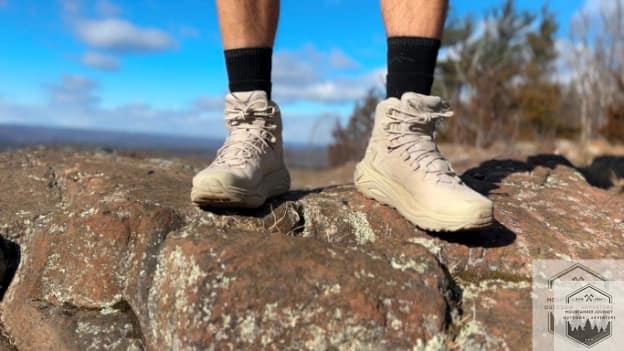
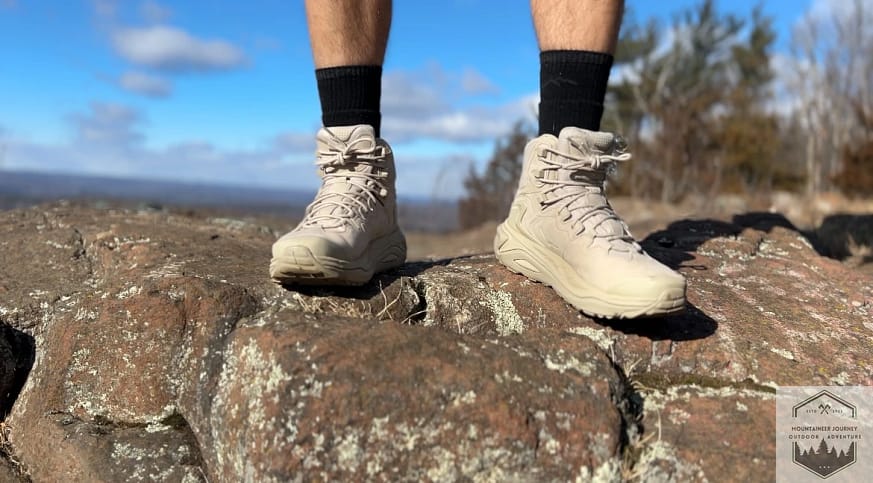
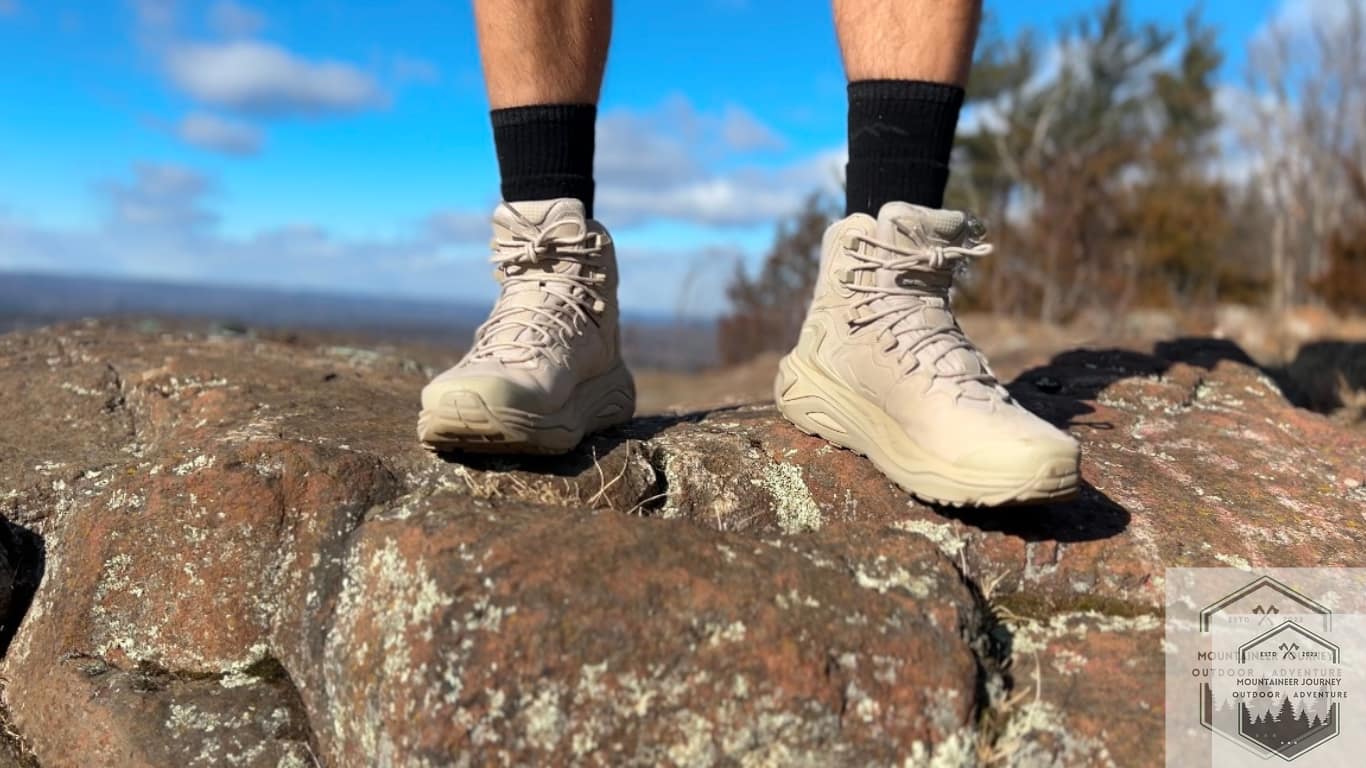
Hoka Kaha 3 GTX (Best Overall)
Our top-rated hiking boot of 2026. Best pick for beginner hikers to advanced technical trail-dwellers. Great grip, stability, and comfort.
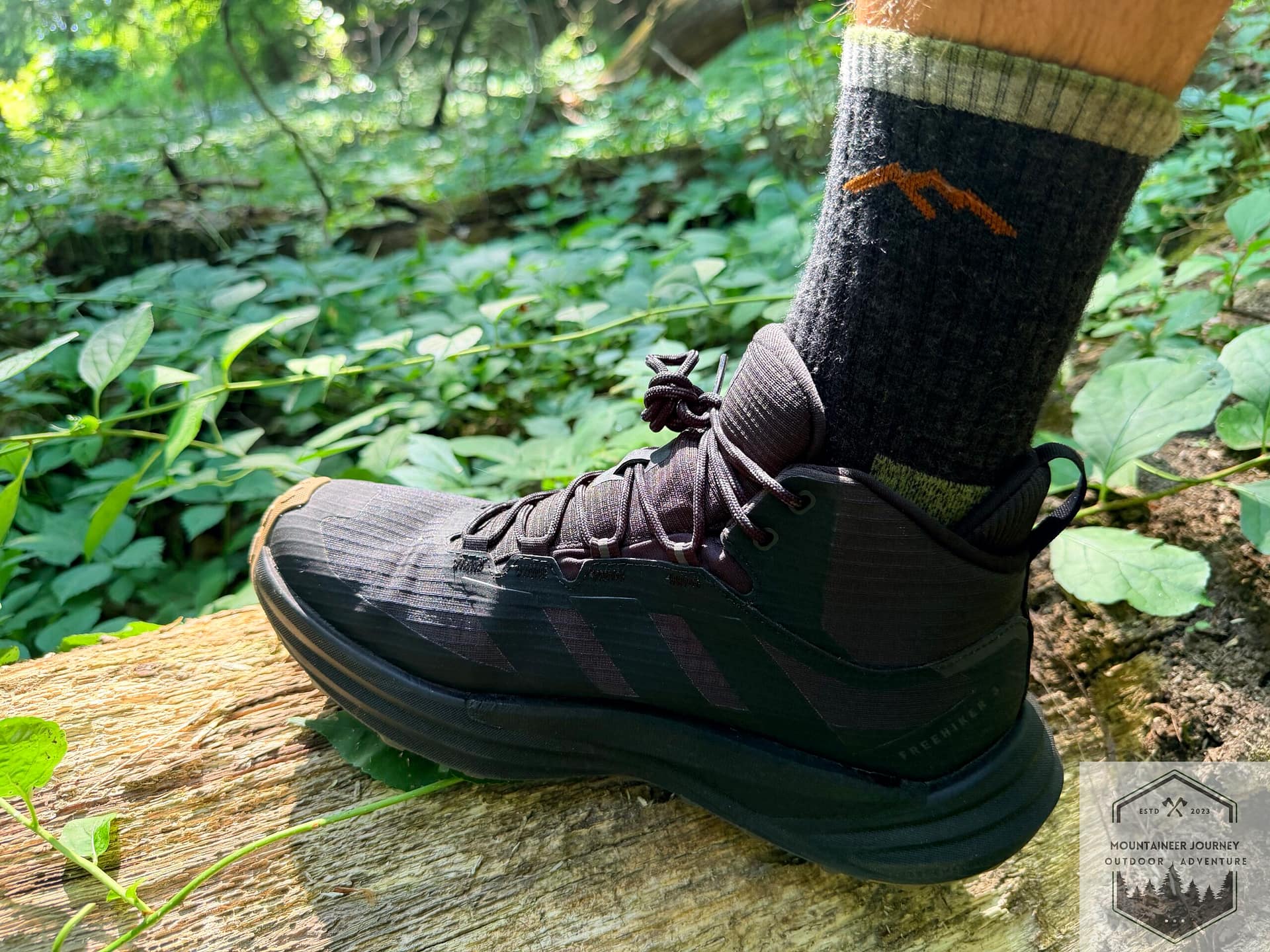
Lightweight and comfortable. The Terrex Free Hiker 3 is a great pick for those willing to spend the premium price for a better hiking experience.
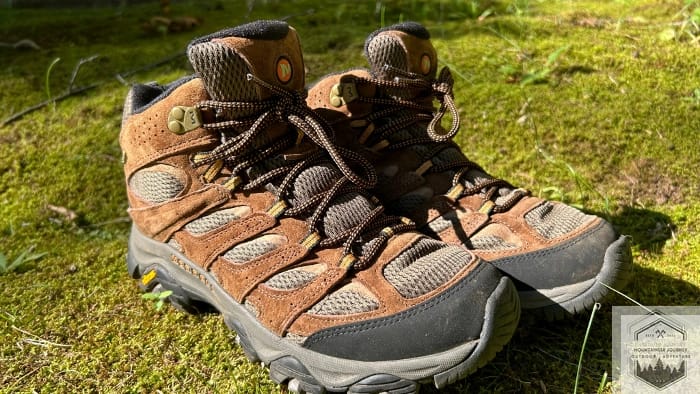
Merrrell Moab 3 (Best Budget Boot)
This is the most popular hiking boot for a reason; they work. Top-grade comfort, grip, and premium leather.
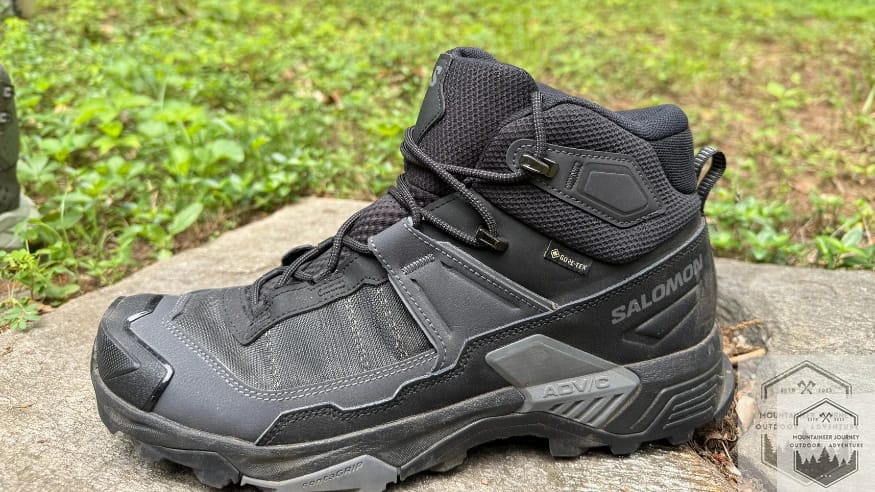
Salomon X Ultra 5 (Best Lightweight)
Weighing less than 16 ounces per boot, the X Ultra 5 has great prescriptive technologies to make an extremely stable boot.
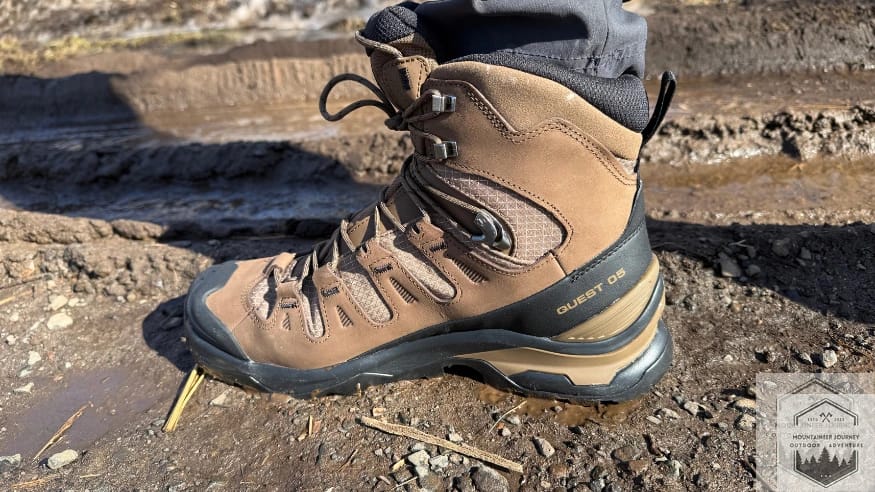
Salomon Quest 5 (Best Backpacking Boot)
The Quest 5 may not be the most comfortable, but its ankle support and lockdown are outstanding. Made for backpackers or those who want excellent over-the-ankle protection.
As an independent reviewer, I purchase all products myself. Some links may be affiliate links that support the site at no cost to you
Editor’s Note: I updated this review on 10/4/26 with new testing insights and rankings as well as adding the Timberland Mt. Maddsen 2.0 to the top 10.
Watch this Full Review on YouTube!
Best Overall Hiking Boot of 2026
Hoka Kaha 3 GTX
Pros
- Outstanding comfort
- High-riding ankle support
- GORE-TEX invisible fit
- Excellent shock absorption
Cons
- Heavier Boot
- Price Tag
Price: $240
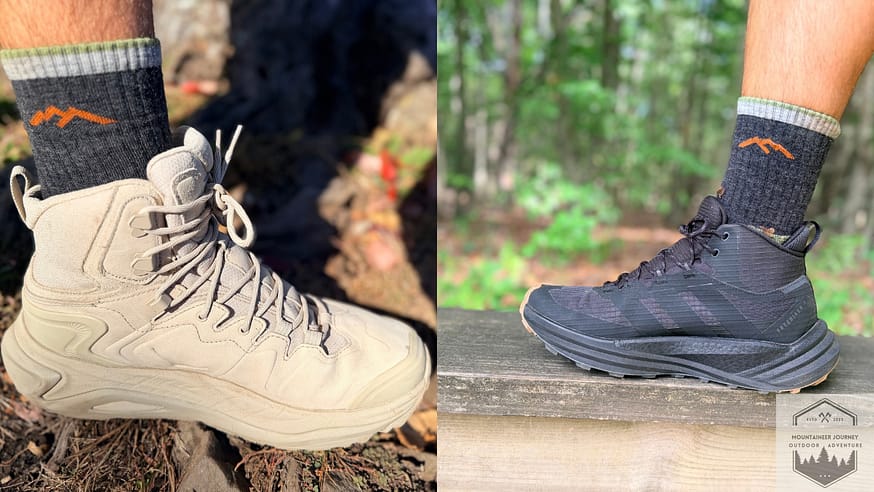
The Hoka Kaha 3 GTX emerges as the best hiking boot in 2026, offering superior cushioning and strong support for everyone from beginner hikers to advanced trekkers. With added comfort and specs over the previous Kaha 2, it’s our choice for the best hiking boot of 2026 based on our testing.
With an impressive comfort rating of 9.5/10, the Kaha 3 delivers extreme comfort with an EVA midsole that cradles your foot in a 360-degree fashion. Impact absorption is top-notch, especially for those who want a very comfortable ride on the trail.
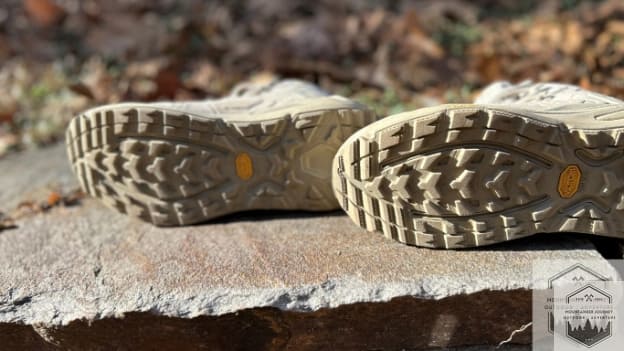
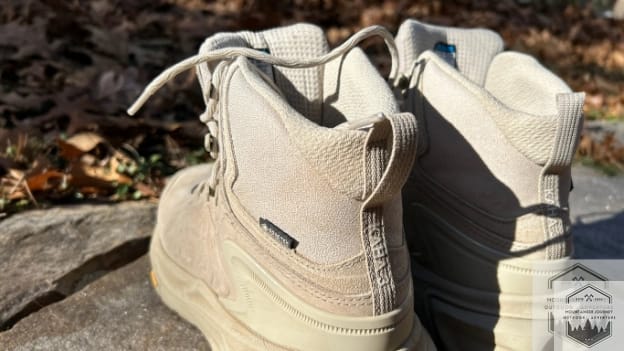
The Kaha 3 offers exceptional traction and stability on the trail, with a Vibram Megagrip sole that digs deep into the terrain for extreme grip. High-ankle support and Nubuck leather provide undeniable trail support. The boot’s lacing system uses three metal hooks and offers exceptional support for various foot shapes, providing added stability on hikes.
The ankle cuff stretches up to 7.5 inches, providing reliable trail support. Hoka continues to integrate the Meta-Rocker feature and promotes a fluid stride, which helps reduce strain on your feet during long treks.
With the Kaha 3 my stride feels much “lighter” as if I wasn’t wearing a boot at all. However, a drawback of the Kaha 3 is still its weight if you’re looking for a lighter alternative.
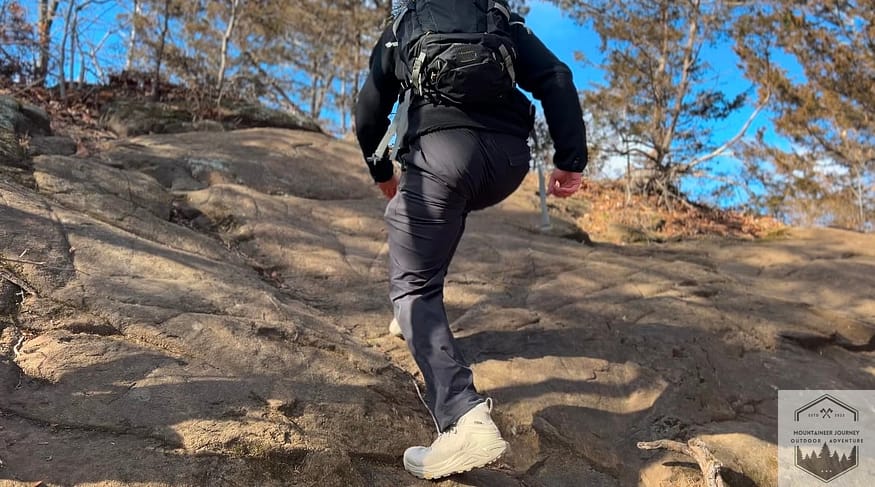
This is the best option for hikers who want a comfortable, top-notch stability boot that you can take anywhere, from light hikes to the most challenging technical trails. This boot isn’t best for people with extremely wide feet or those who prefer a lower price tag.
Read More: Hoka Kaha 3 GTX Review | The Most Underrated Hiking Boots Of 2026
Most Comfortable Hiking Boot
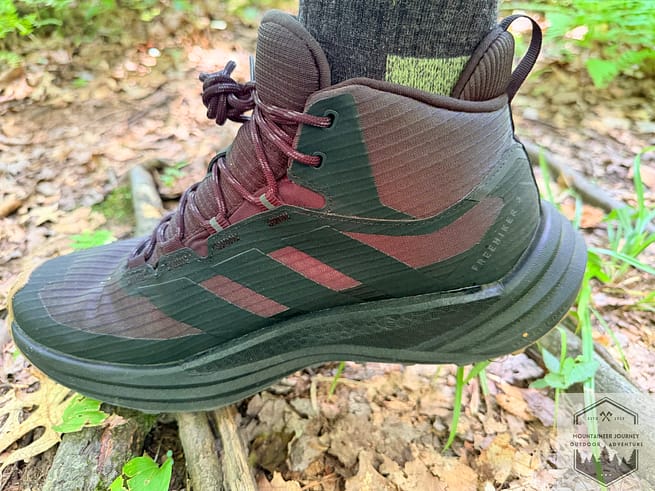
Adidas Terrex Free Hiker 3
Pros
- Excellent Ankle Support
- Excellent footbed cushioning
- Adidas Boost Impact Absorption
- Lighweight
Cons
- Toe Bumper
- Runs slightly warm for summer hiking
- Price
Price: $200
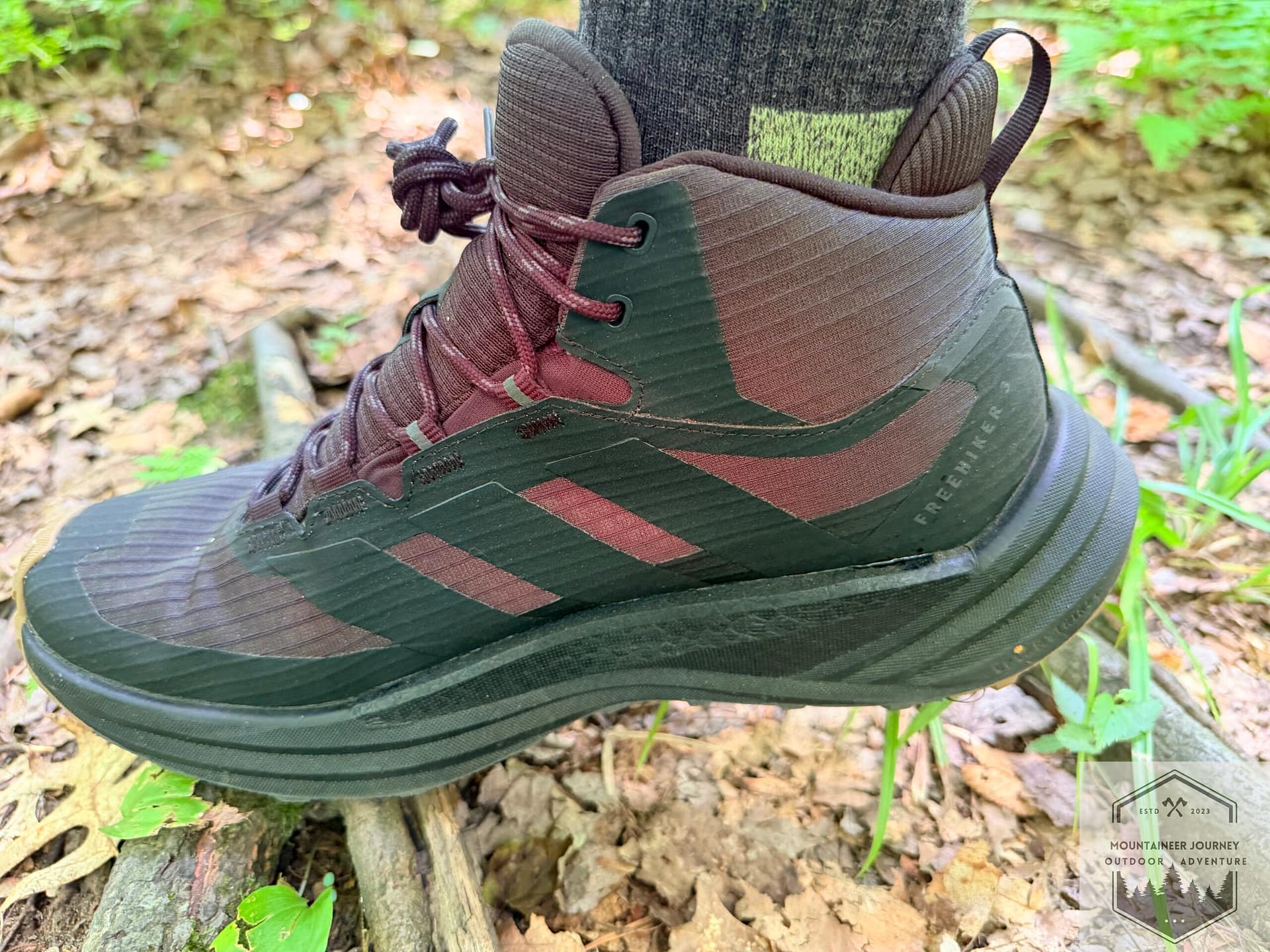
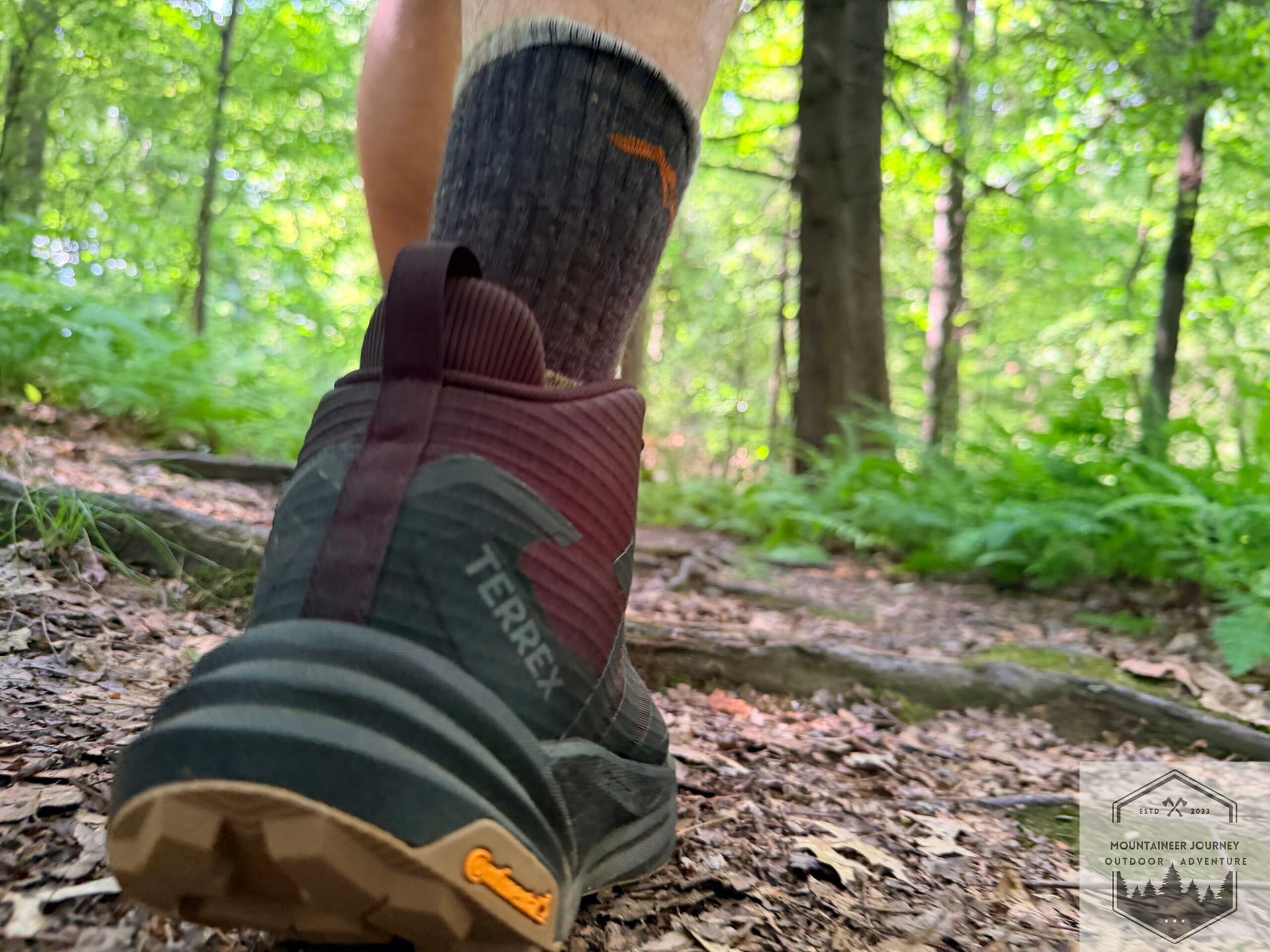
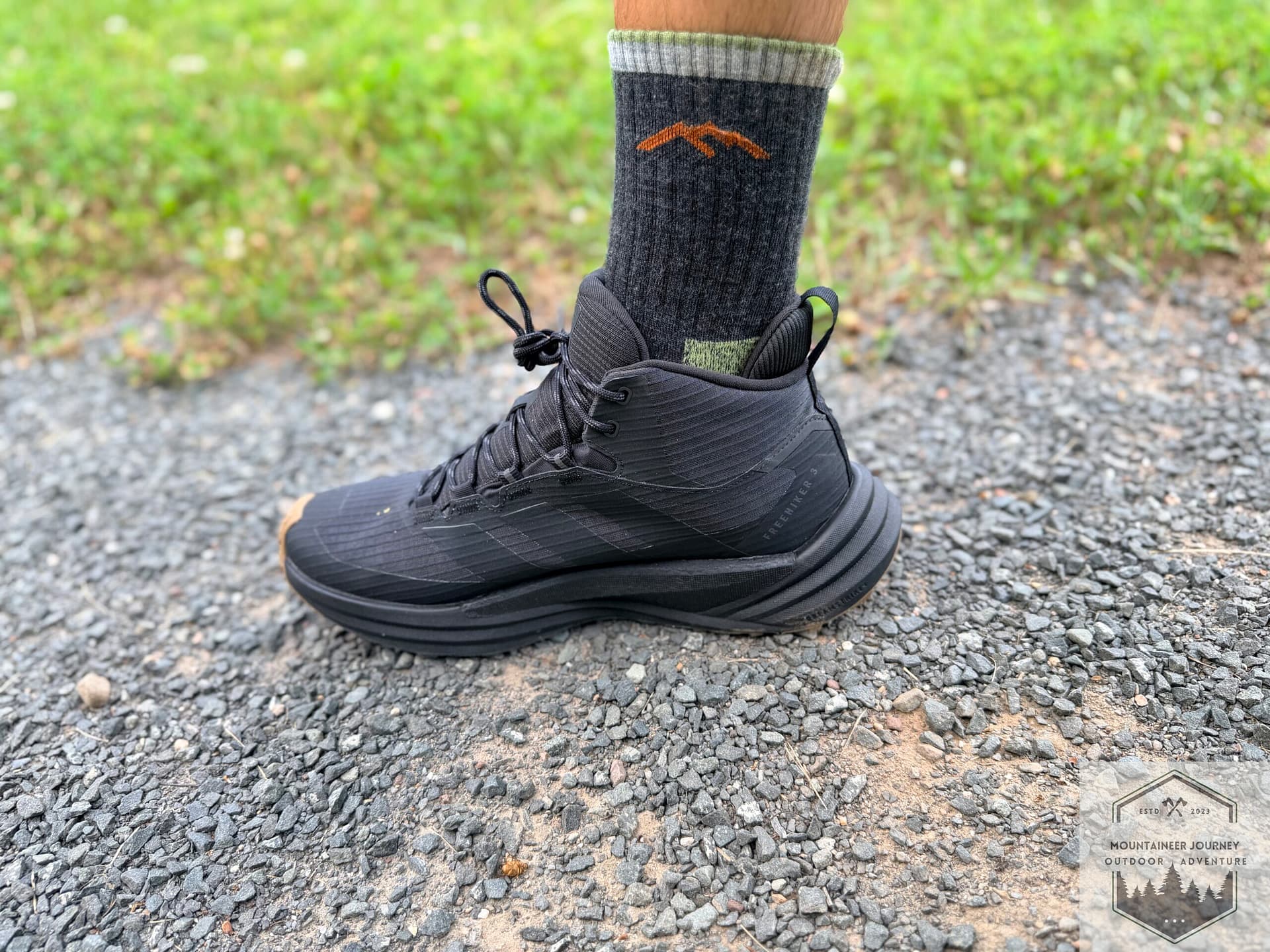
The Adidas Terrex Freehiker 3 was just released this year in 2026, and it beats out our previously most comfortable hiking boot, the Hoka Anacapa 2. Although the Anacapa 2 is still slightly more comfortable, we rated the Terrex Free Hiker 3 as better overall.
This boot is ideal for hikers who want top-notch comfort yet still the rugged capabilities of a technical hiking boot. Lightweight at just 14 oz per boot, these have been one of the smoothest transitions in hiking boots I have tested.
The impact absorption is some of the best you’ll get without a massive stack height. Coming down loose scree and limestone, the Dreamstrike + Midsole really blunts the impact while you’re hammering downhill.
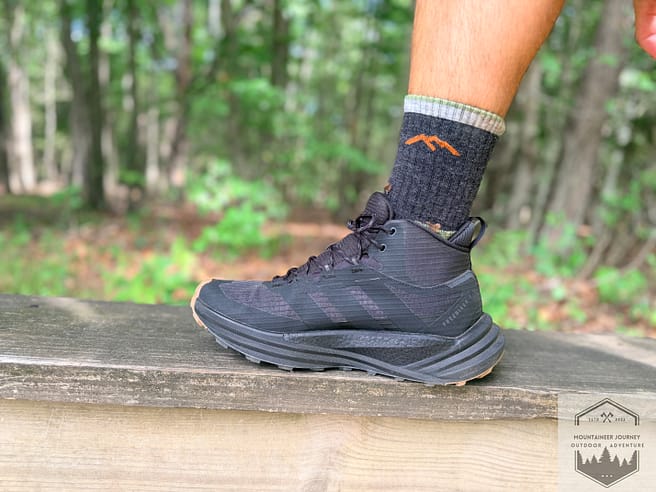
The Free Hiker 3’s ankle collar has been upgraded and is both inviting and plush, especially on uphill ascents, giving your heel comfortable support.
This iteration also widened the outsole, which really improves stability without adding plastic or shanks. Thanks to the nubuck ripstop mesh upper, it conforms to your foot and prevents movement inside the shoe. The flared heel design also adds another weapon to your arsenal; the heel really ate up the terrain during our testing.
The Adidas Terrex Free Hiker 3 is best for people willing to spend premium dollars on a comfortable, lightweight hiking boot. Say goodbye to choosing comfort over stability; this one balances both effectively. This isn’t the best option for hikers who want extremely high ankle support and/or premium leather. Check out the low-cut version for an even lighter ride: Adidas Terrex Free Hiker 3 Ultra Review.
Read Review: Adidas Terrex Free Hiker 3 Review
Best Budget Hiking Boot
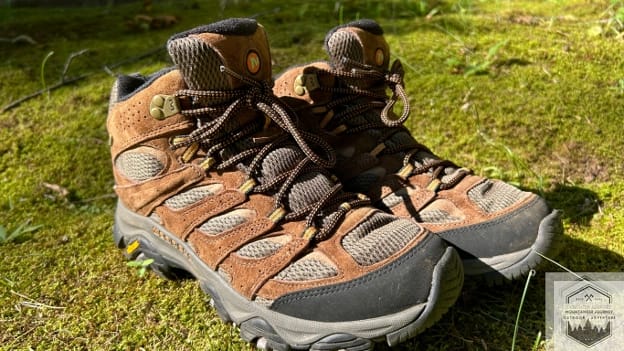
Merrell Moab 3
Pros
- Great cushioning
- Budget-friendly
- Great waterproofing
- Versatility
Cons
- Lacks traction in muddy conditions
- Breathability Issues
- Heavy
Price: $130
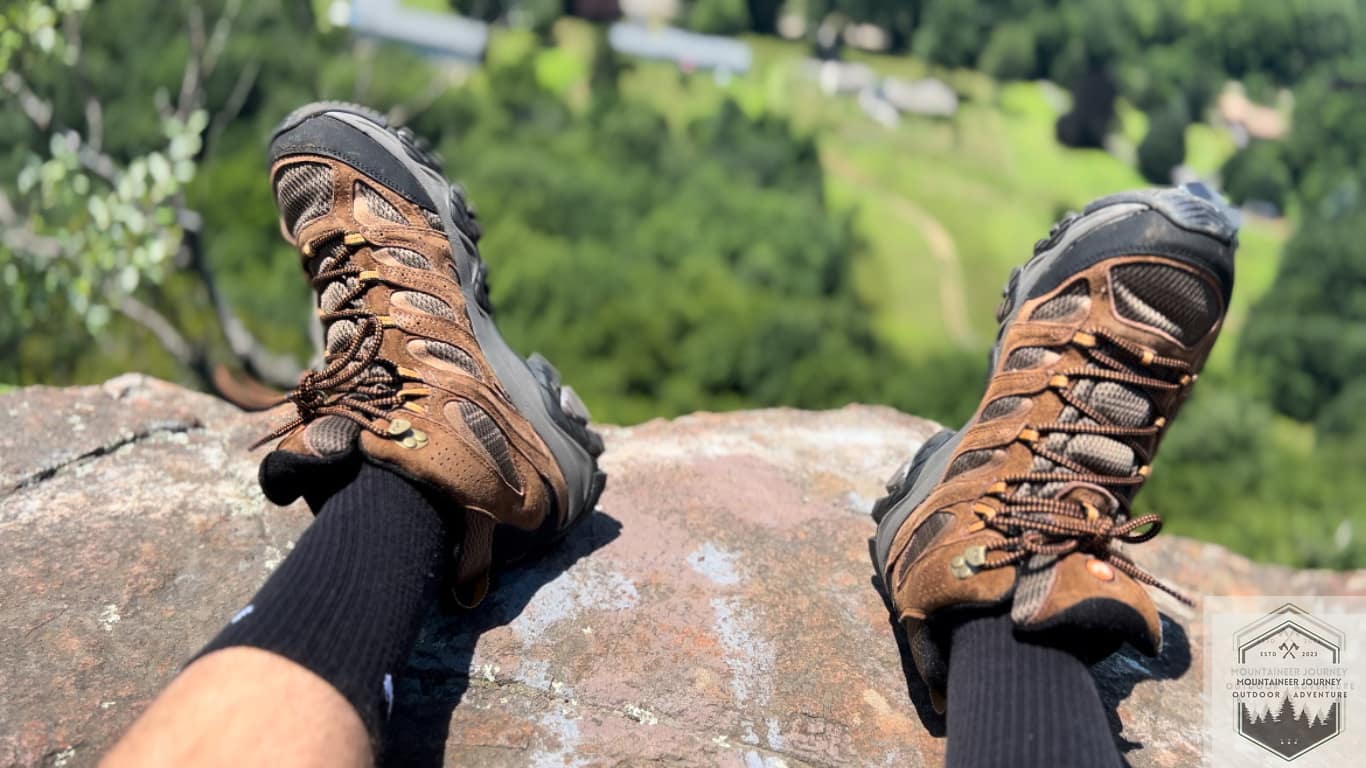
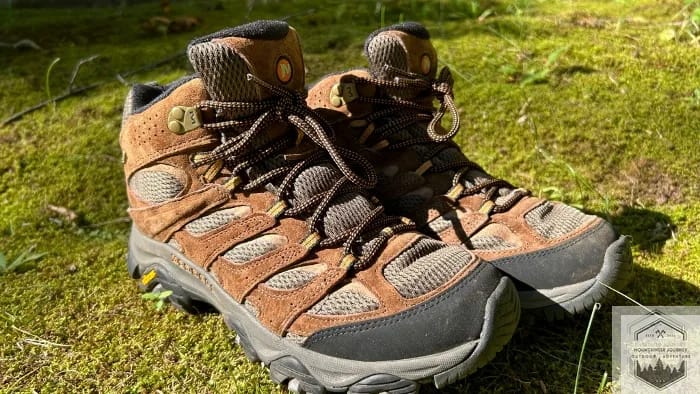
The Merrell Moab 3 hiking boot offers a budget-conscious choice that doesn’t compromise on comfort or support. With an average price of around $130 at the time of writing, it boasts an impressive comfort rating of 8.5 and substantial cushioning, making it ideal for hikers who prioritize comfort without overspending.
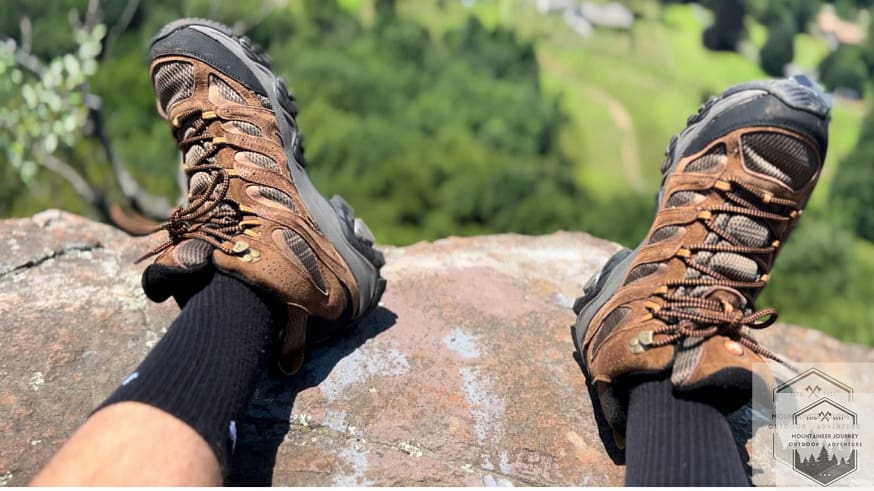
While it isn’t as stiff on terrain as the Oboz Bridger and Oboz Sawtooth, it still keeps up with the competition in support and stability. The wider lacing eyelets at the top of the boot really lock down your ankle and hold it in place on technical trails. The rubber toe bumper effectively protects the entire toe box.
After testing the Moab 3 for over 150 miles, it has shown to be one of the most durable hiking boots on the market in 2026. Its waterproof design performed very well in our 10-minute immersion test; I’ve crossed countless creeks with no water penetration.
The Moab 3 comes in two different waterproof options: Gore-Tex and the proprietary Merrell Waterproof membrane. I conducted a case study comparing the Merrell Waterproof membrane with Gore-Tex, and my findings showed that the Merrell membrane performed better.
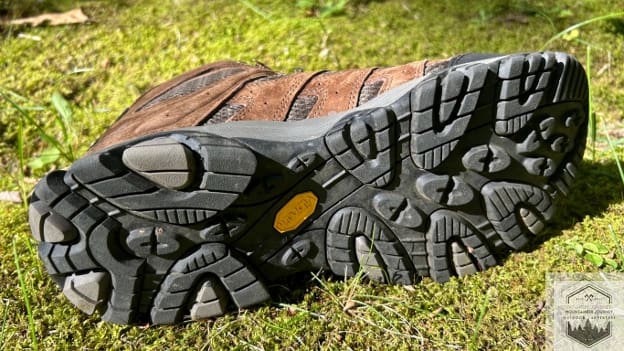
Traction-wise, it boasts the Vibram TC5 Plus outsole. The lugs are very chunky, similar to the Timberland Mt. Maddsen 2.0, and grip very effectively on technical and light trails, excluding mud. The lugs aren’t very effective at shedding mud.
Read More: Merrell Waterproof vs Gore-Tex
For an everyday hiker looking for a budget hiking boot, the Merrell Moab is simply the best available. This is also an excellent option for hiking beginners, especially with the lower price tag.
Read More: Merrell Moab 3 Review
Best Lightweight Hiking Boot
Salomon X Ultra 5 GTX
Pros
- Excellent Overall Value
- Great Price
- Durable AND Lightweight
- Top-Notch Stability
Cons
- Synthetic Materials
- Soft Outsole
Price: $175
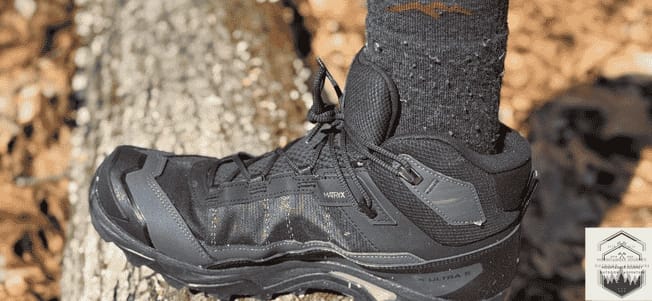
The Salomon X 5 Ultra is an excellent choice for hikers who want a lightweight model with backpacking capabilities. Its stability and support are among the best I’ve tested in a mid-hiking boot.
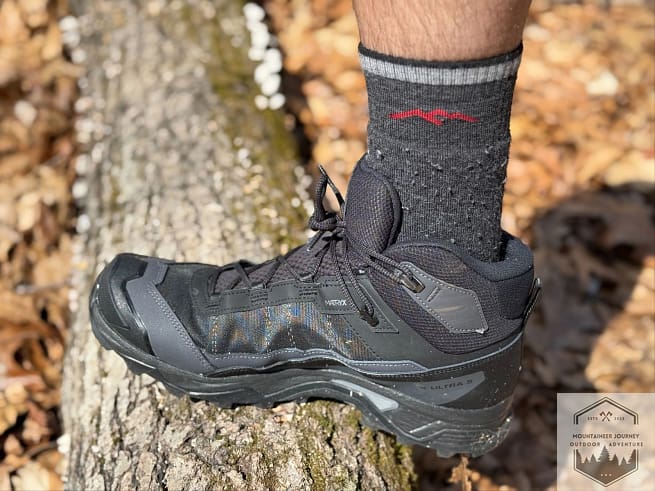
While testing the X Ultra 5 in the White Mountains of New Hampshire, I found the lockdown excellent, keeping my ankle stable through off-camber sections. The Advanced Chassis and Active Support wings kept my foot centered and planted, so I wasn’t fighting that side-to-side roll when the trail got uneven.
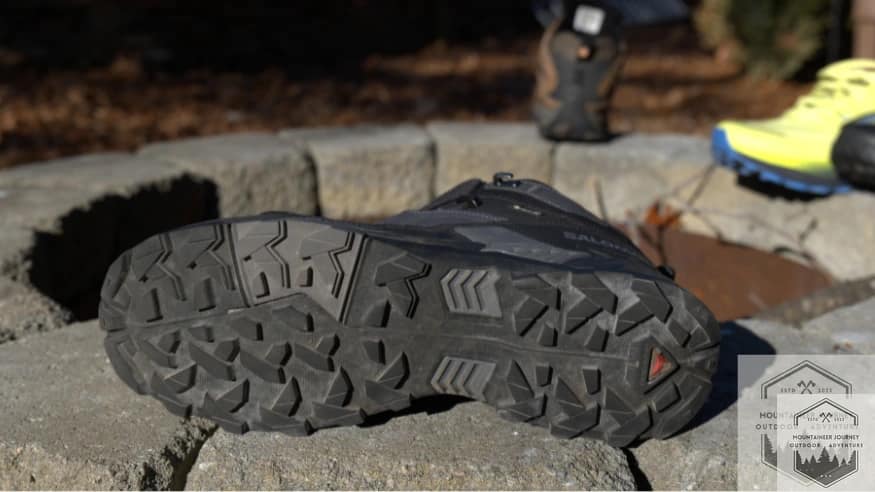
The updated Contagrip outsole is a real upgrade over the X Ultra 4. The lugs are much more aggressive and can tackle technical trails. The stack height is about 10% thicker than the last model, so it takes the pounding better and handles the extra load when you’re backpacking.
The updated fit on the X Ultra 5 is a game-changer. The new Matryx® upper really steps things up—it wraps around your foot securely and keeps everything locked in place, boosting stability without putting unwanted pressure or compression on the top of your foot. They also come in regular and wide widths.
The upper is just as breathable as the previous iteration, even with the new Maytryx addition. Waterproofing is solid too. The Gore-Tex membrane keeps water out in wet grass, shallow puddles, and sloppy sections, but it doesn’t turn the boot into a sweat box. Weighing less than 16 ounces per boot, these are some of the lightest boots on the market with locked-in stability.
The X Ultra 5 is also an excellent option for hikers who don’t want to spend over $200 on the Kaha 3 or Adidas Terrex Free Hiker 3.
Read Review: Salomon X Ultra 5 Review 2026 | Unsponsored
Best Backpacking Boots
Salomon Quest 5
Pros
- Highly Durable Upper
- Excellent Stability Active Support Wings
- Great Traction With Contagrip Lugs
Cons
- Higher Price Point($240)
- Breathability
- Weight
Price: $240
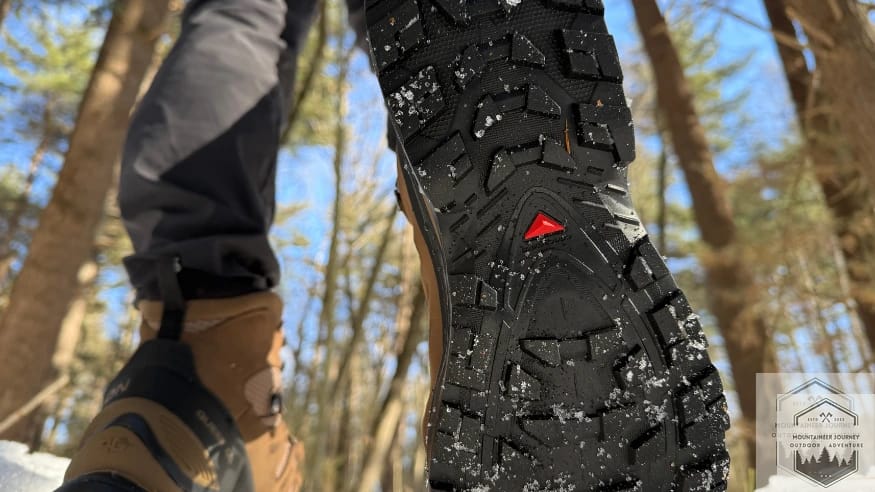
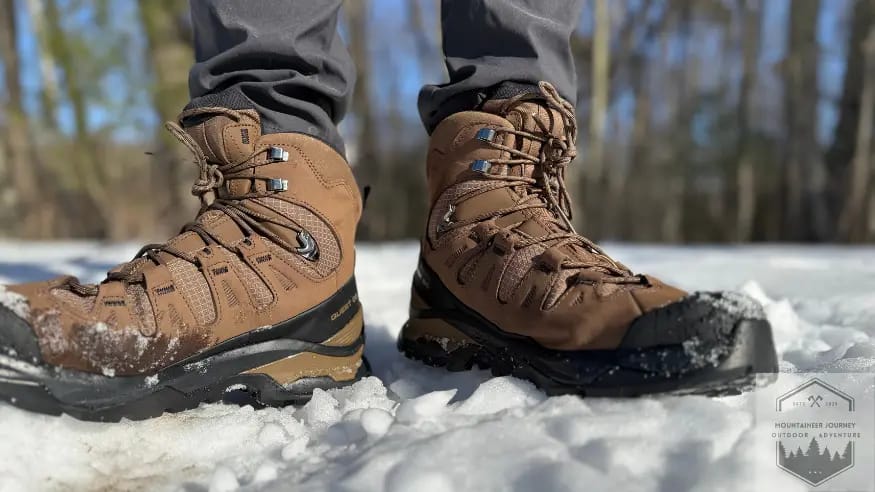
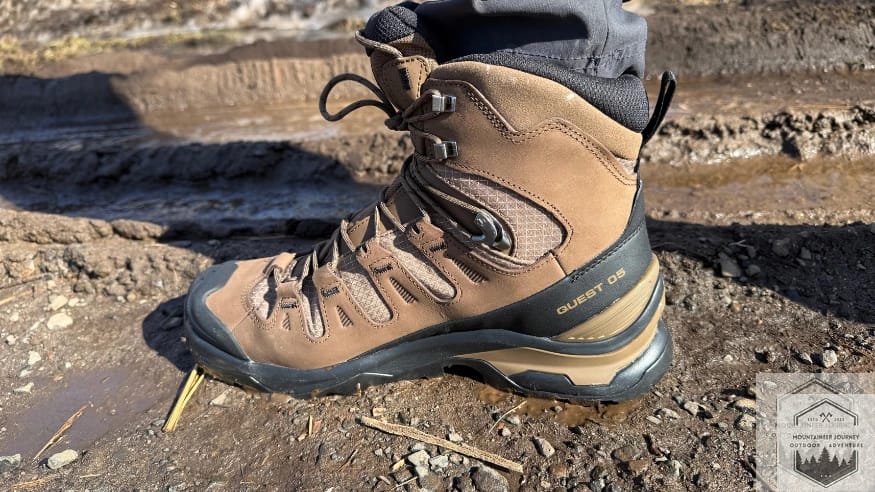
The Salomon Quest 5 is our top-rated backpacking boot for 2026. This boot is for hikers who want high-riding ankle support and great lockdown. They revised the upper with more robust leather, plus an advanced chassis and active support wing-locking system for superior support and stability.
During my testing with a 30-lb backpack, I noticed how stable my foot was on sidehills. The boots took over my overpronation and locked my feet in. The extremely high ankle cuffs lock in ankle stability. The upgraded Contagrip TA outsole has thicker lugs on the medial and lateral aspects of the boot, which really bite into the terrain much better than the previous version.
Getting through mud was no trouble; the lugs also shed mud much better than any pair we have tested. Although the Quest 5 offers great stability and support, it isn’t without downsides.
The boots are quite heavy; we weighed them at 22 oz per boot on our calibrated scale. On the trail in rainy conditions, the boots can become extremely heavy as they really waterlog easily. Foot fatigue can become a real issue on longer miles, especially with a backpack on.
Another important factor to consider is comfort. While the boot features an improved sock liner and insole that enhance impact absorption and comfort, the cushioning doesn’t measure up to the previous Hoka Hiking Boots we mentioned, and the impact absorption isn’t as good either.
This is noteworthy, especially since you’re paying the same price, if not more.
Read Our Review: Salomon Quest 5 Review
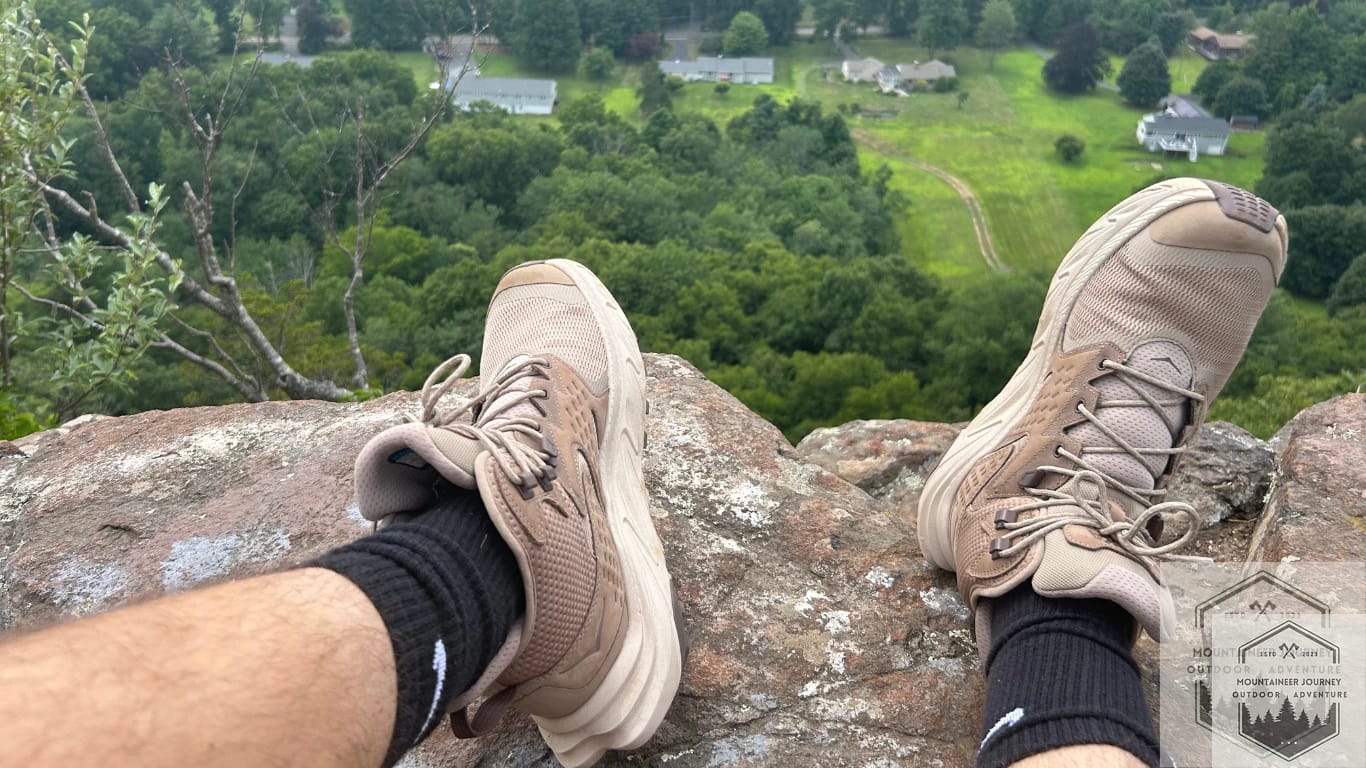
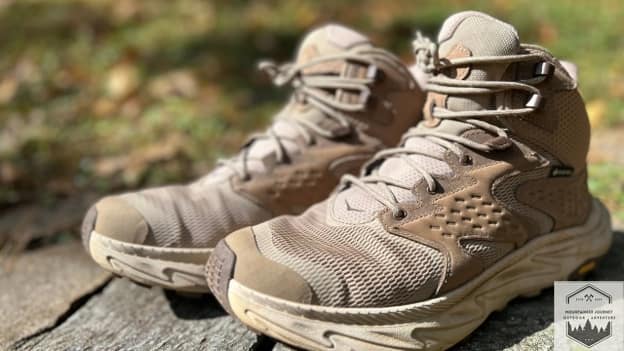
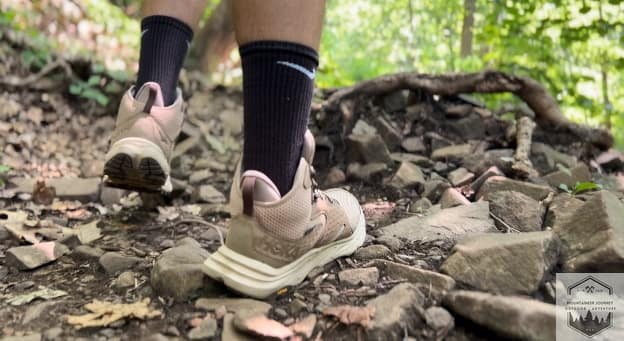
6. Hoka Anacapa Mid GTX
Price: $195
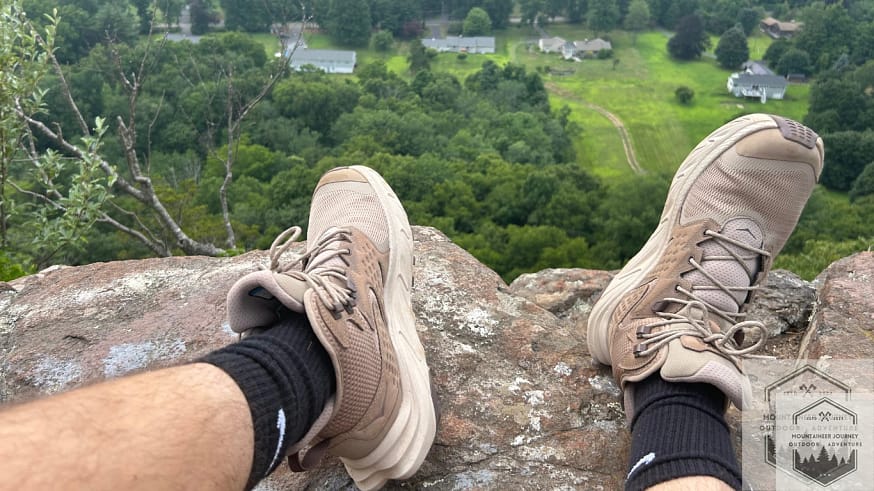
The Hoka Anacapa 2 is an extremely comfortable mid-hiking boot. The higher stack height, combined with excellent impact absorption, makes it great for hikers who want an extremely comfortable ride with an easy heel-to-toe transition.
The Vibram Megagrip outsole grips extremely well on light and technical trails. Add in the flared heel design, and it grips up some of the most challenging terrain. However, given the higher stack height, the midsole compression can be quite excessive, leading to the dreaded topple-over effect with stability issues.
The ankle stability is locked in; however, the instability issues come more towards the heel with that midsole compression. We recommend the Hoka Anacapa 2 for more beginner hikers on lighter trails and those who want an excessively rockered sole for the easiest heel-to-toe transitions.
Read Review: Hoka Anacapa Mid GTX
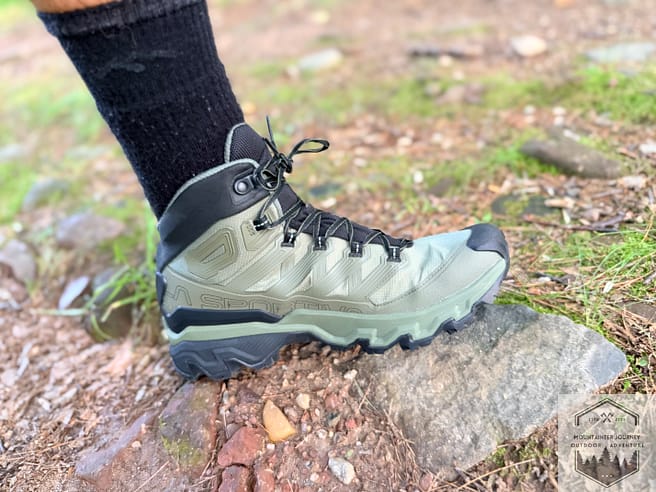
7. La Sportiva Ultra Raptor 3 – Best For Technical Terrain
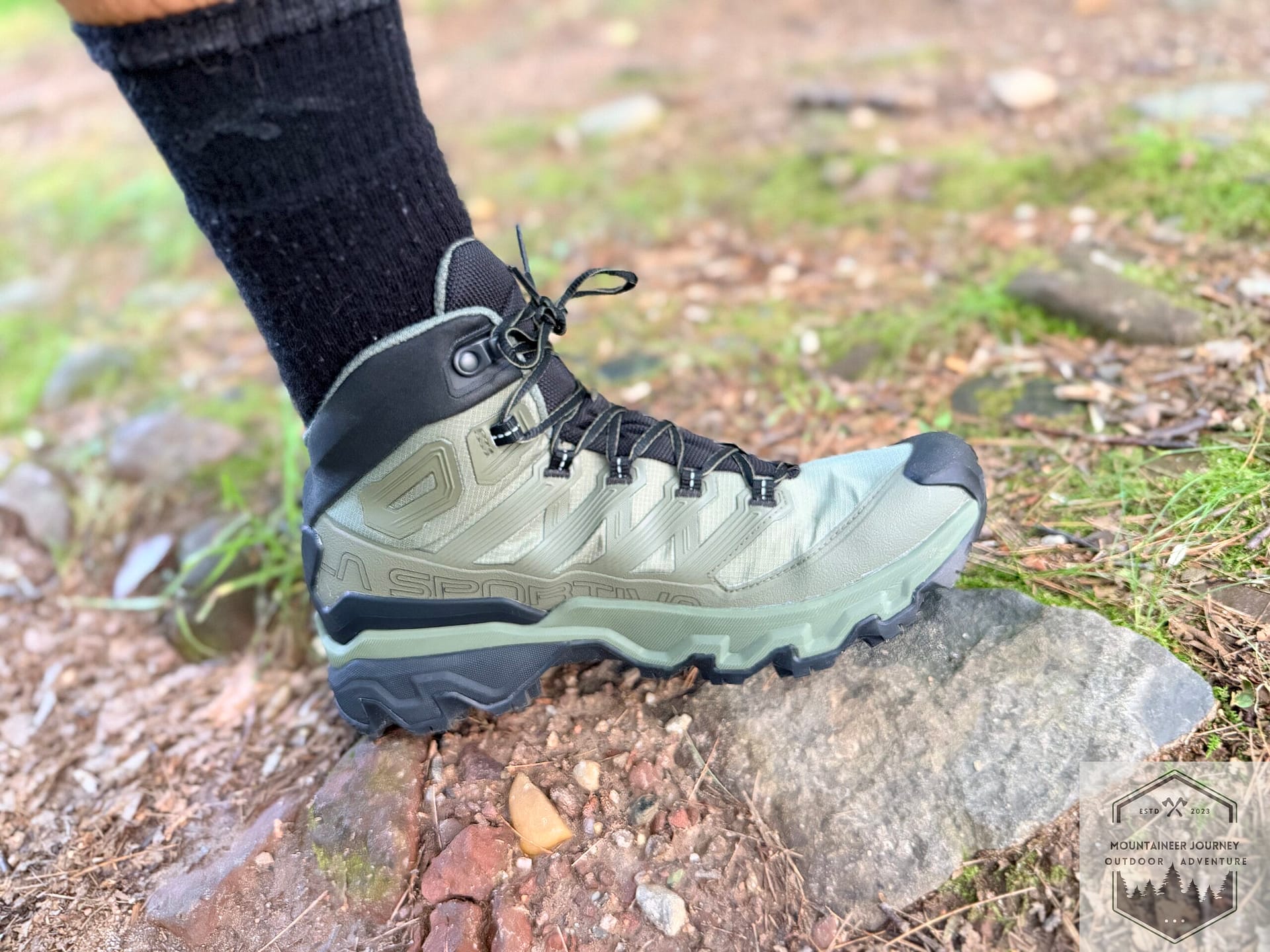
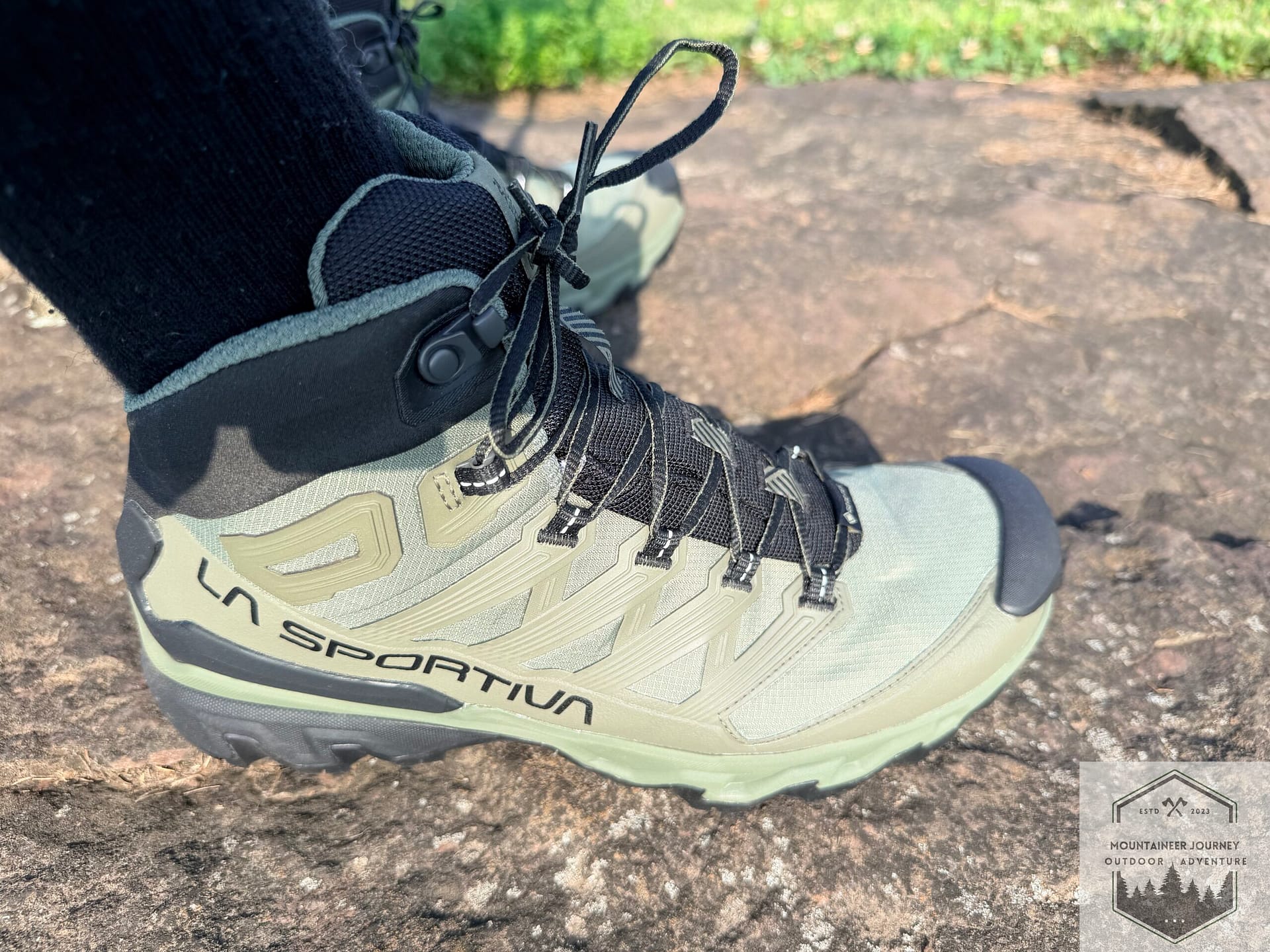
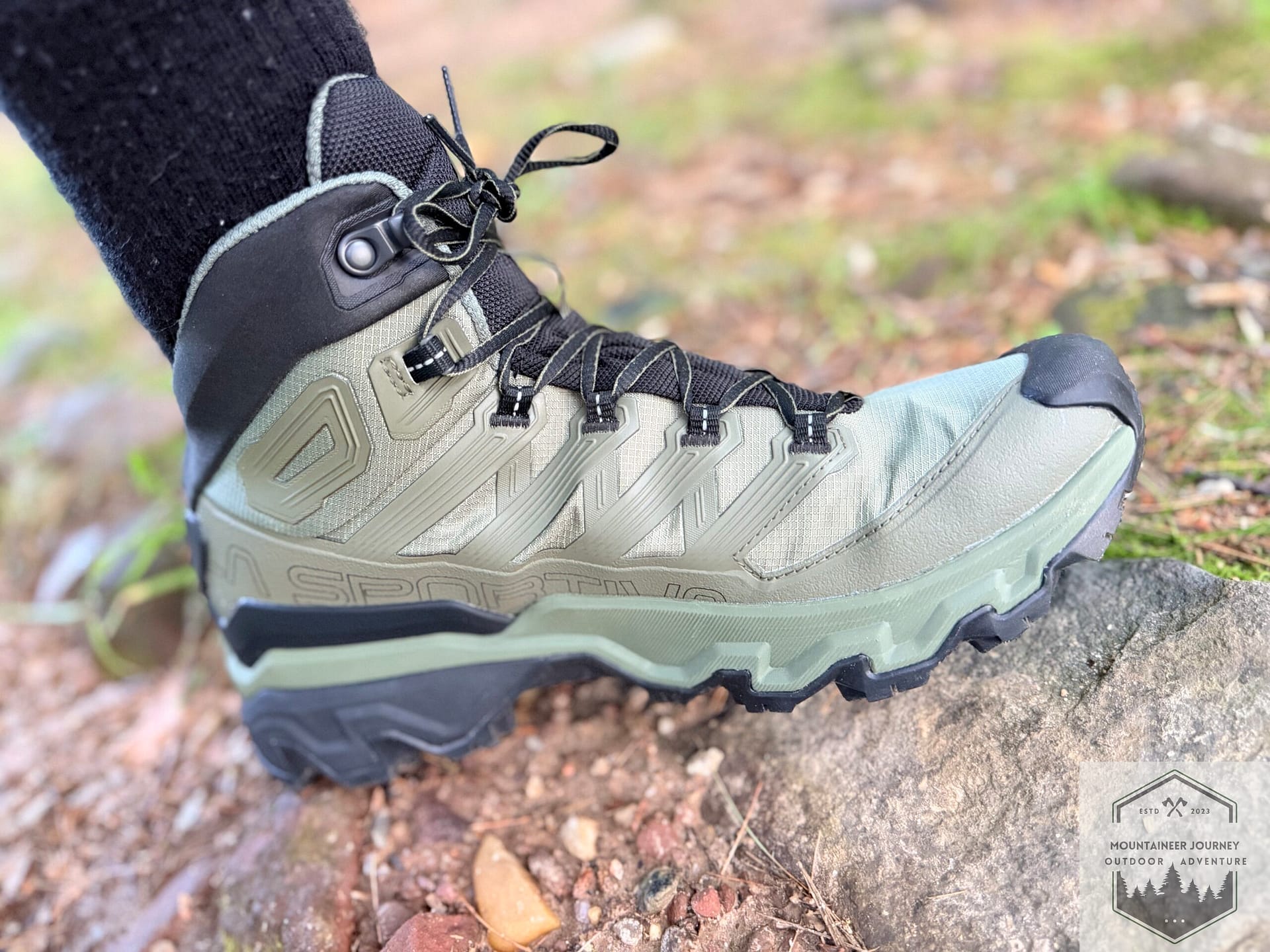
Price: $200
The La Sportiva Ultra Raptor 3 is a lightweight, nimble hiking boot designed for challenging, technical trails. These boots performed excellently on limestone, sandstone, and loose basalt. The newer FriXion XF 2.0 outsole has 4 mm lugs that are extremely aggressive and grippy.
These boots really contour to the shape of your foot and hug it like a glove, so there is no internal movement, especially on uneven terrain. Unfortunately, this is not the best option for wide-foot hikers, as the midfoot can get quite tight and narrow.
This boot is complete overkill for a casual weekend hiker or anyone who needs superior impact absorption. Stick to the Ultra Raptor 3 if you are serious about challenging trails and need a Technical boot.
Read Review: La Sportiva Ultra Raptor 3 Review
8. Lowa Renegade
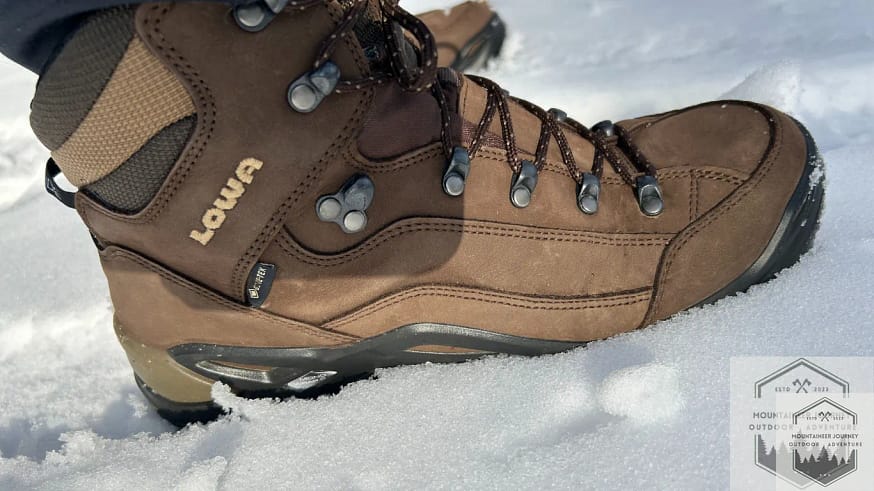
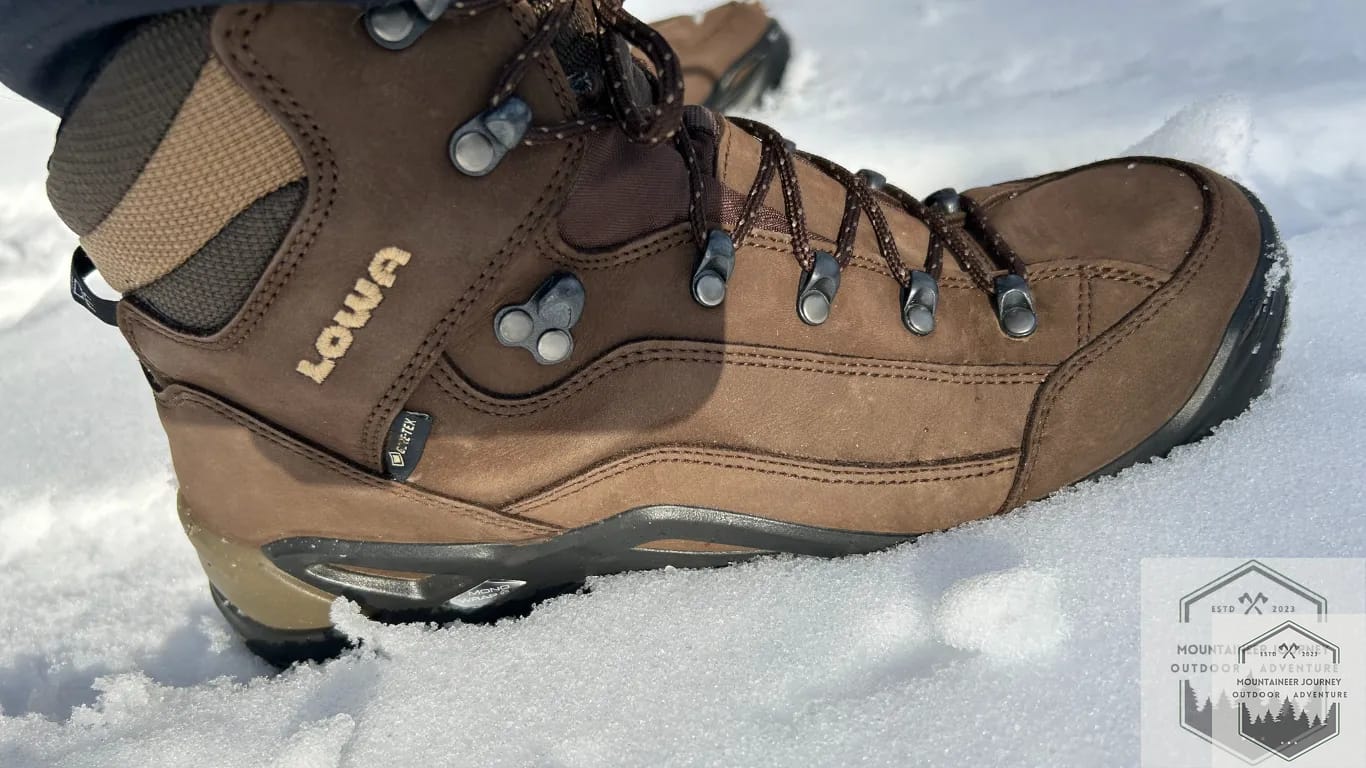
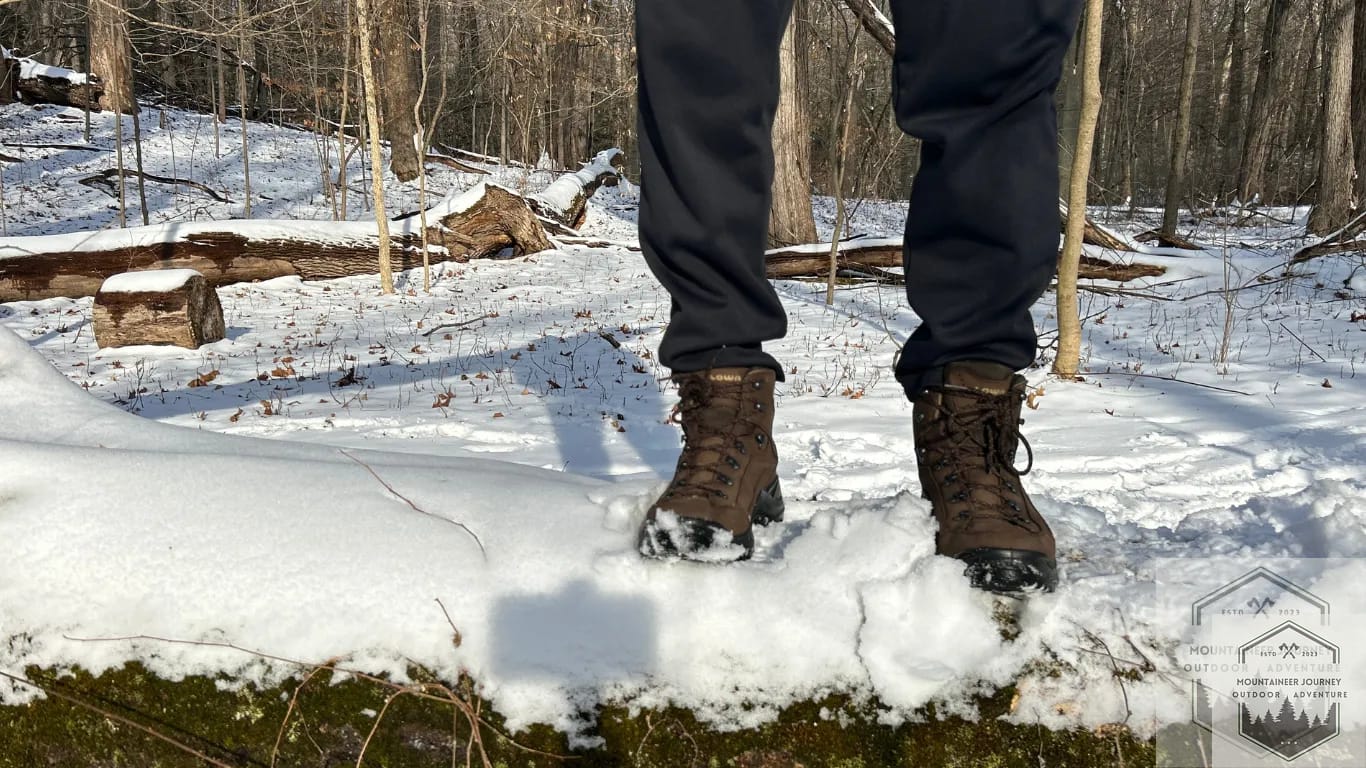
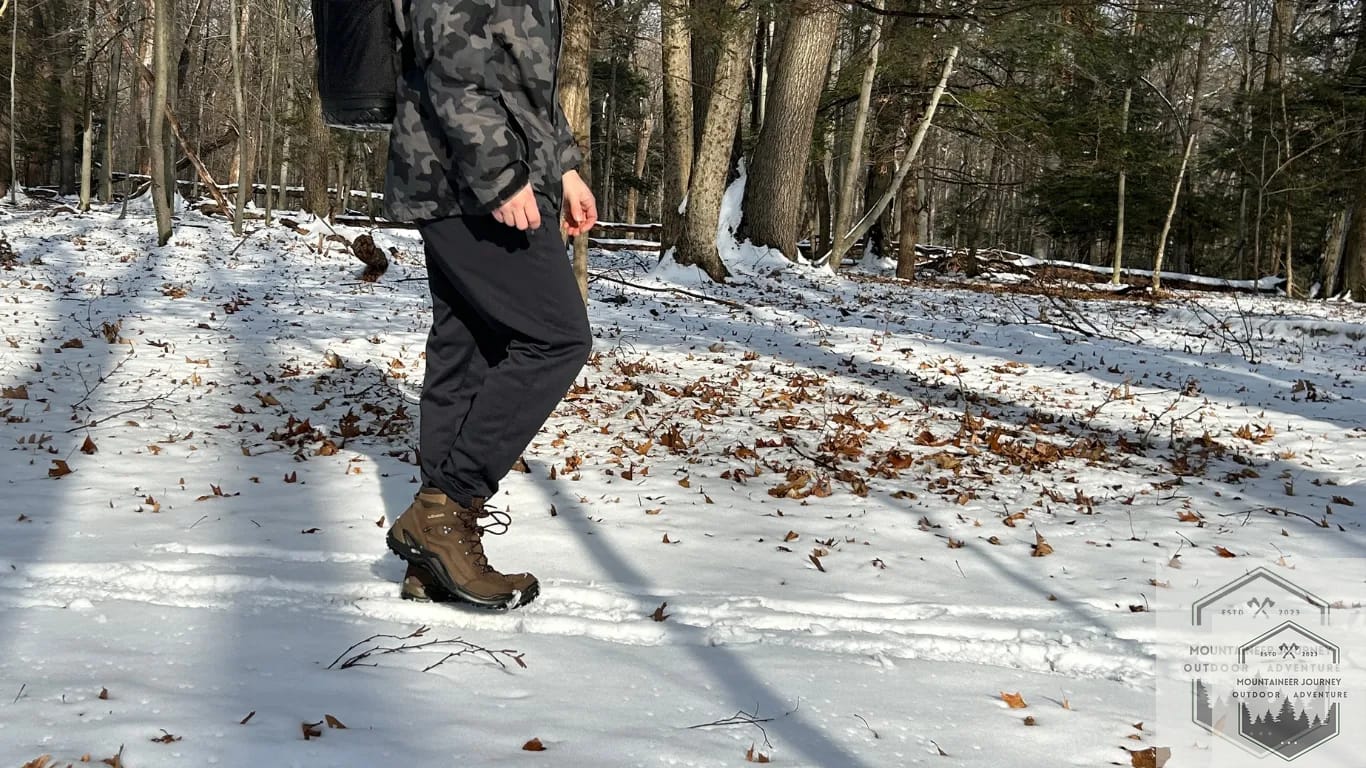
Price: $280
The Lowa Renegade was replaced by the Salomon Quest 5 as this year’s best backpacking boot. However, this is still a strong option for top-notch support and stability with a heavier backpack. The Renegade’s break-in period can be quite cumbersome. It took me up to 20 miles to fully break them in.
The Dyna PU shock absorption zones are placed in the footbed of the Lowa Renegade to give impact absorption where most of your foot will be striking. I have to say, this seems like a great midsole feature, but the impact absorption isn’t up to par with some of our other hiking boots higher on the list.
If you prefer to hike with a fully leather boot in winter or harsher conditions with added weight on your back, the Lowa Renegade is a good choice.
Read Review: Lowa Renegade Review
9. Timberland Mt. Maddsen 2.0
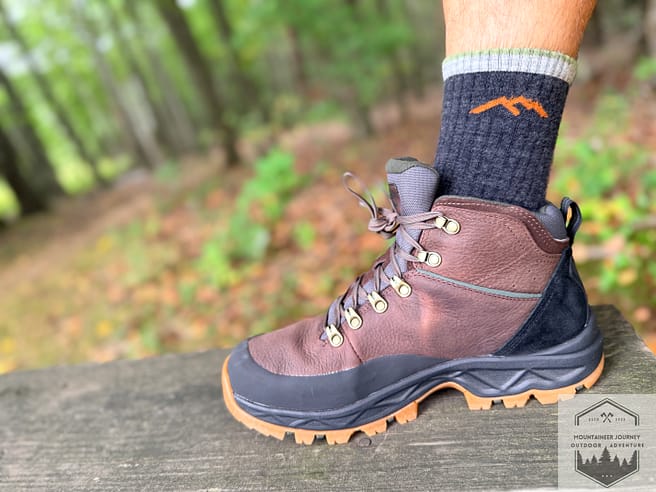
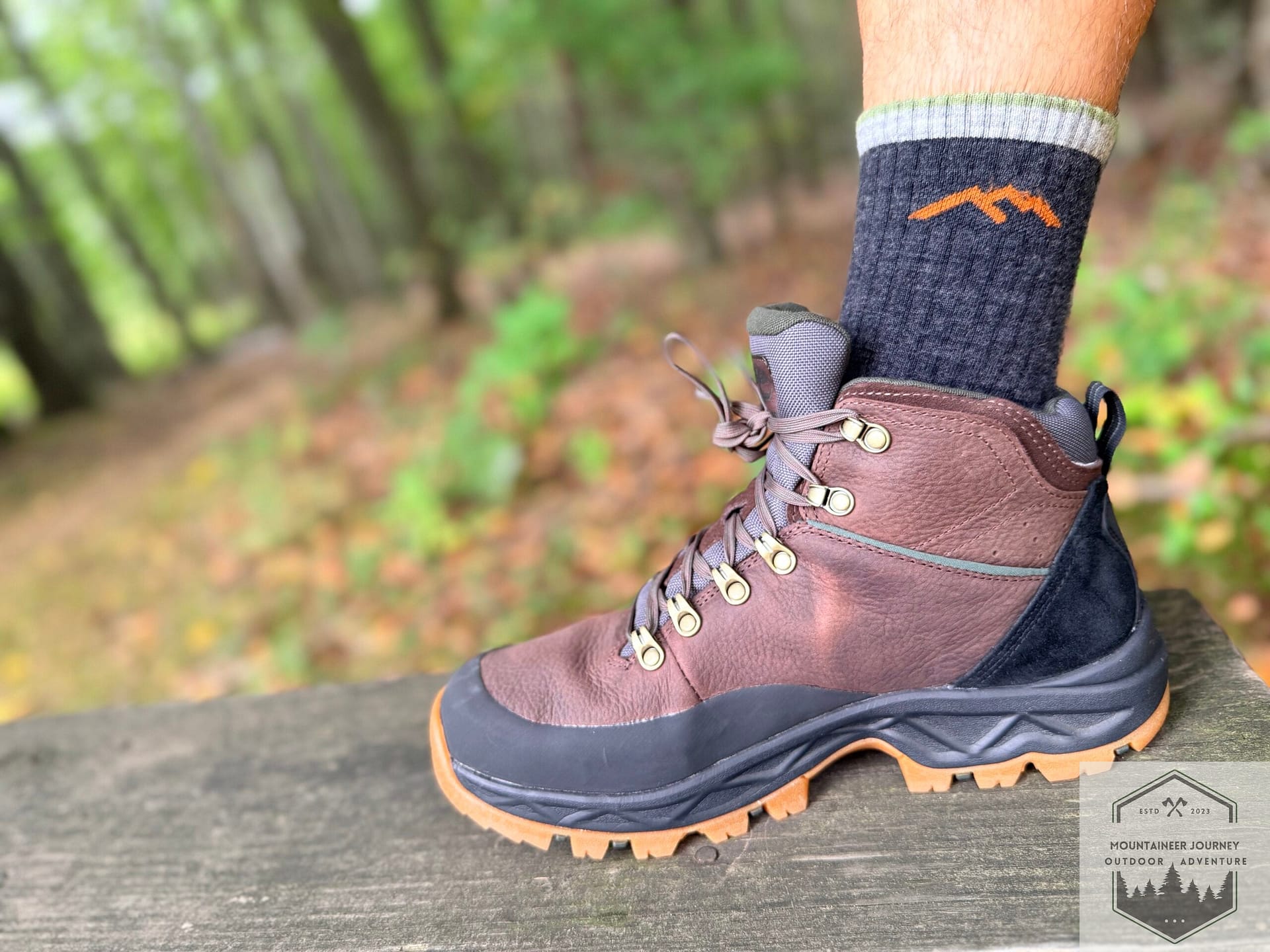
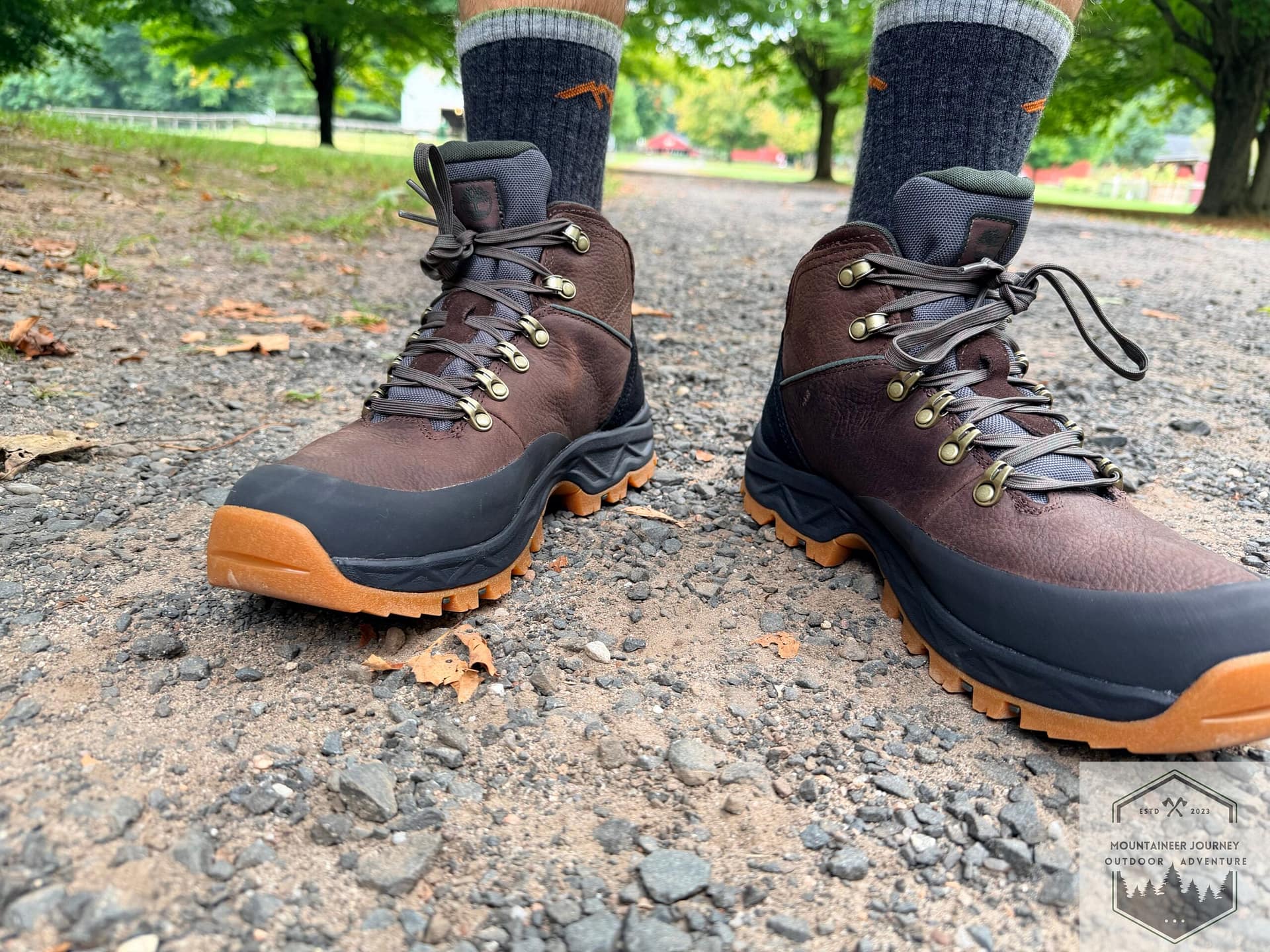
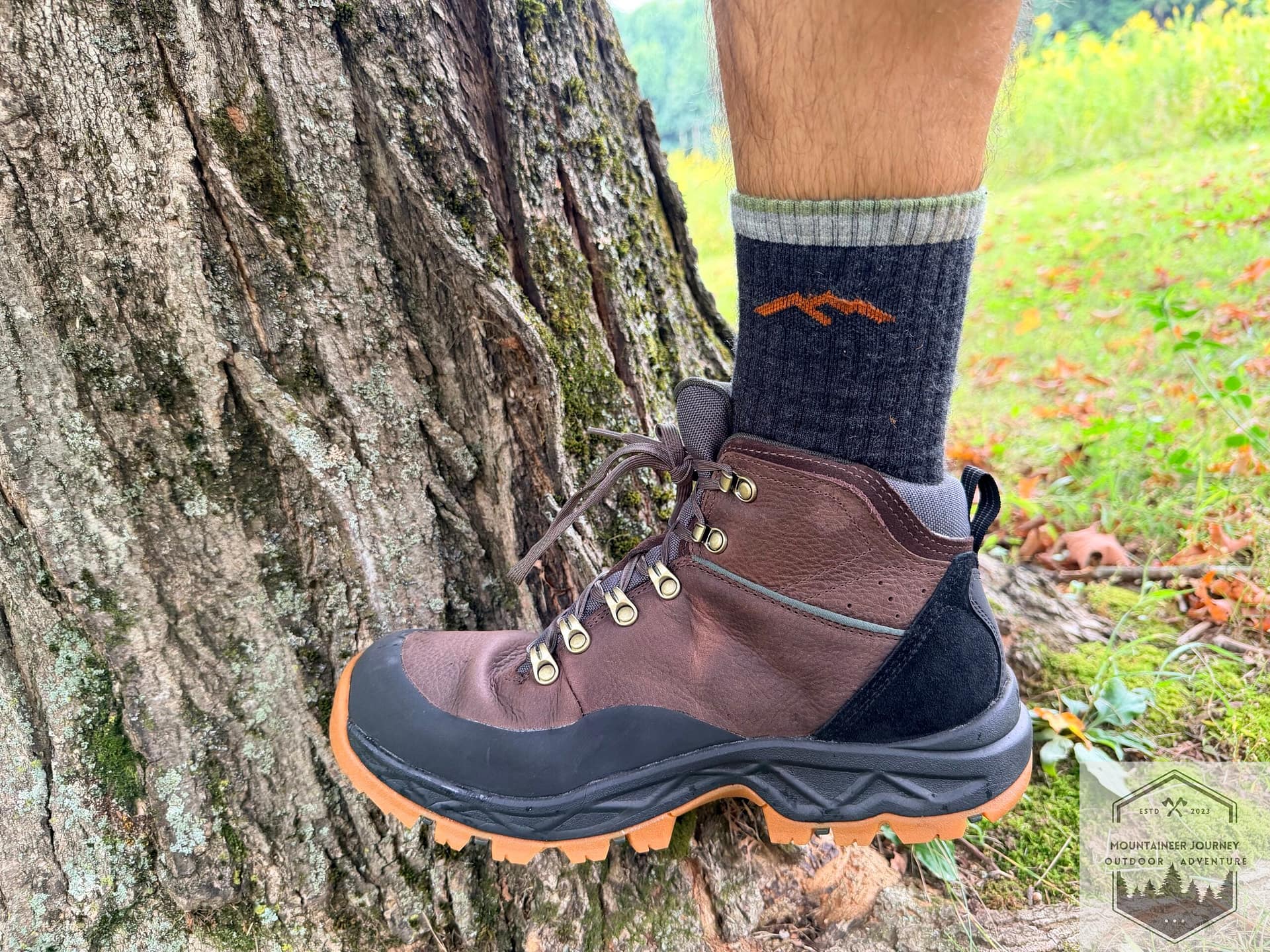
Price: $160
The Timberland Mt. Maddsen 2.0 is built for budget-conscious hikers who want a full-grain leather boot with excellent overall protection. At $160, it costs quite a bit more than the previous iteration, the original Mt. Maddsen, which was a crowd favorite.
Despite the price increase, they definitely upgraded the outsole with thicker, chunkier lugs that I found impressive on granite, limestone, and boulder-field technical trails. The Mount Madison 2.0’s most unique feature is its durable rubber rand, which runs from the toe box to your arch and protects your foot from sharp objects on the trail.
The two lacing eyelets at the top of the ankle provide excellent lockdown and real-time stability during our trail testing. However, they weighed in at 21 oz per boot. They also feel quite heavy on foot. Therefore, we really recommend them for shorter trails and more beginner hikers given the lower price tag.
Read Review: Timberland Mt. Maddsen 2.0 Review
10. Hoka Transport Hike GTX
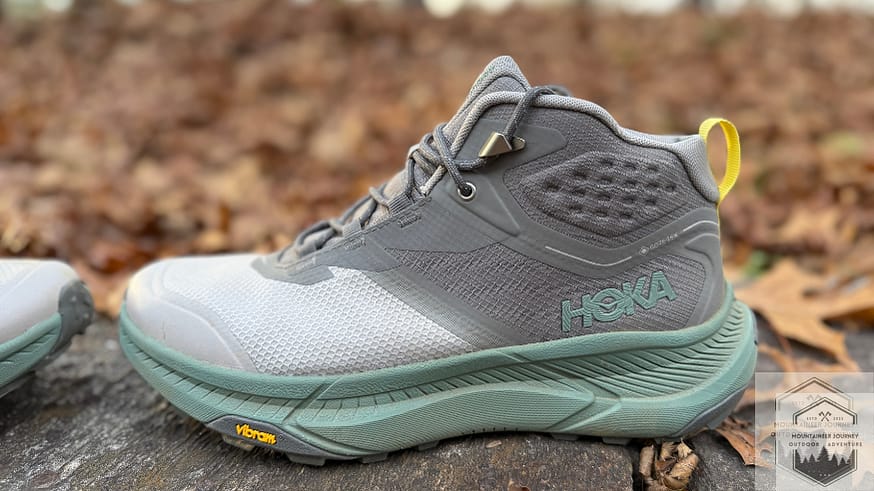
Price: $190
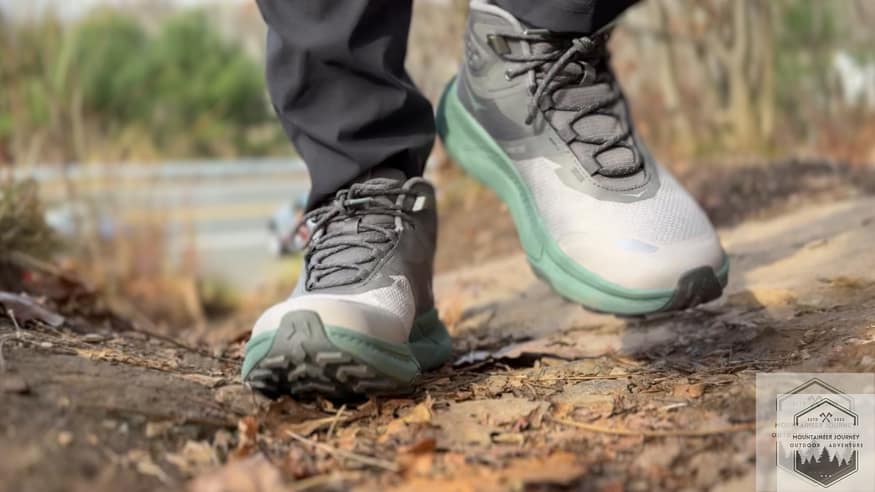
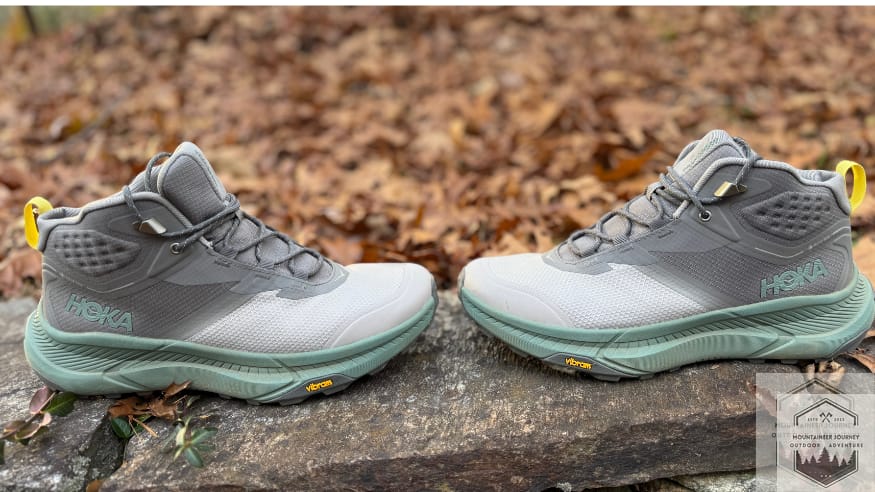
Released last year, the Hoka Transport Hike is a new value-add to the Hoka hiking boot family. However, this is the furthest from the previous Anacapa and Kaha 3 you just read about. The footbed is firm and considerably comfortable, but not even close to the impact absorption of the previous two boots.
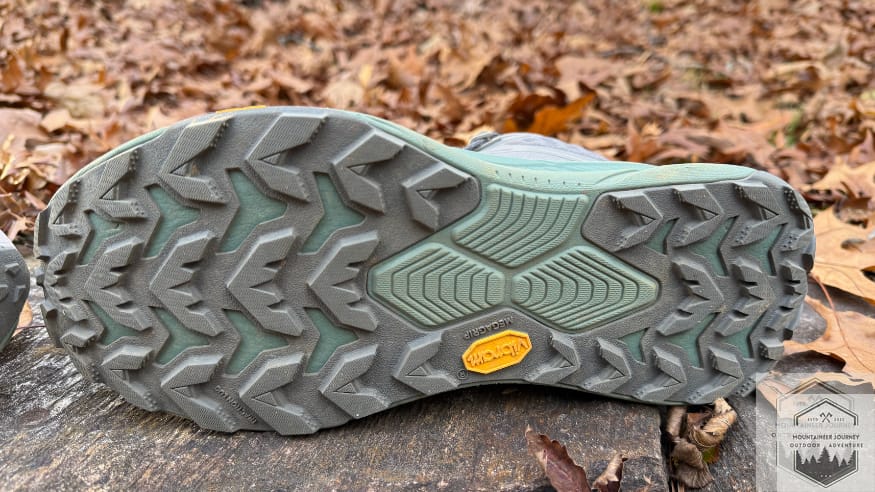
Obviously, Hoka uses less foam on this model, and one highlight is that it weighs only 14.5 oz per boot, making it extremely lightweight and nimble. What sets this boot apart is its wider fit than more nimble boots like the La Sportiva Ultra Raptor 3. It does use the Vibram Megagrip outsole, but the lugs are shallower. I recommend this only on lighter to moderate trails.
The Transport Hike GTX is made for beginner hikers who want the ultimate road-to-trail shoe. You can use these on lighter paths and normal walking trails if you prefer a less aggressive boot with a lighter profile.
Read Our Review: Hoka Transport Hike GTX Review
How We Objectively Test For The Best Hiking Boots Of 2026
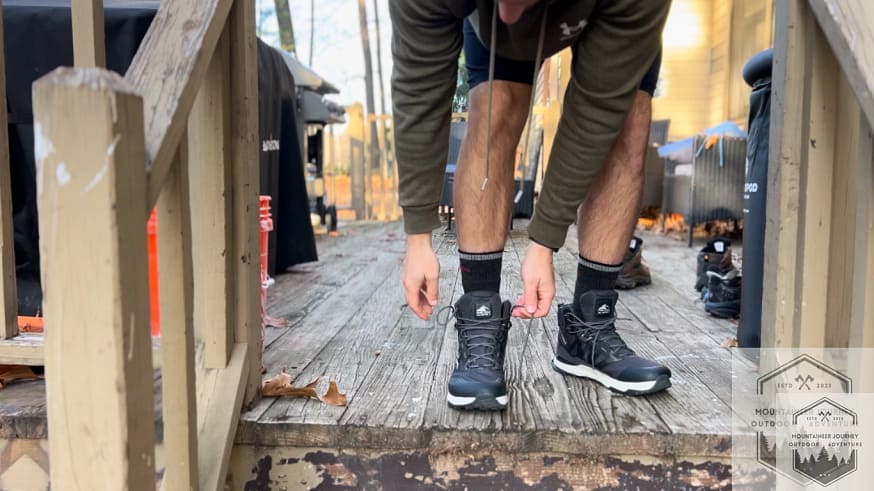
I like to objectively measure all my hiking boots across specific categories before writing my reviews. I have compiled a list of categories weighted to give you the best possible overall score before deciding on a hiking boot.
I have iterated this formula over the past 16 years to perfect it.
Our weighted categories are:
Comfort: (18% of weighted score)
Traction: (18% of weighted score)
Overall Protection: (9% of weighted score)
Waterproofness: (9% of weighted score)
Stability & Support: (9% of weighted score)
Fit: (9% of weighted score)
Durability: (18% of weighted score)
Value: (9% of weighted score)
Based on these objective measures, we can assign an overall score to each hiking boot review.
Comfort
I will go over each testing category and how I objectively test for each to give you the best possible selections. When it comes to hiking boot comfort, my first impression is: how comfortable is the footbed? When I first slip on the boots, does my foot sink into the insole easily, or do I feel some discomfort?
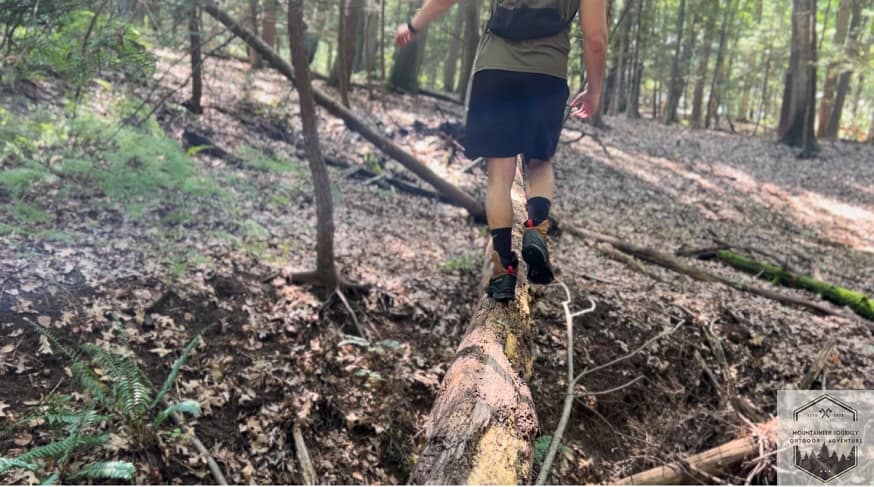
When I first slipped on the Oboz Bridger, I immediately felt some compression on the top of my foot. Unfortunately, this took away from the comfort score, no matter how comforting the footbed is.
The next objective measure for comfort is toe box room. Some hiking boots offer generous toe box space while others can be more compressive. A good example is the Salomon Quest 4; it has great toe box space but becomes a little more compressive around the heel and midfoot.
A smaller objective measure I use for comfort is how easy it is to walk in. The Altra Lone Peak 2 excels in ease of walking; with a zero-drop feature, it feels like you are wearing a running shoe on the trail.
Impact absorption is a huge need for many hikers. The midsole foam can do a great job of protecting your joints long term; however, it does take away from trail feel, which some hikers prefer. The best boots strike a great balance between impact absorption and trail feel, without fully dulling those impacts.
One of the last objective measures I use for comfort is heel and ankle comfort. The Hoka Anacapa 2 is a great example of a boot that offers excellent comfort in every direction. The heel has extra cushioning, and so does the ankle cuff, without feeling too restrictive. Too much pressure on your ankle and heel can lead to a bad hiking experience.
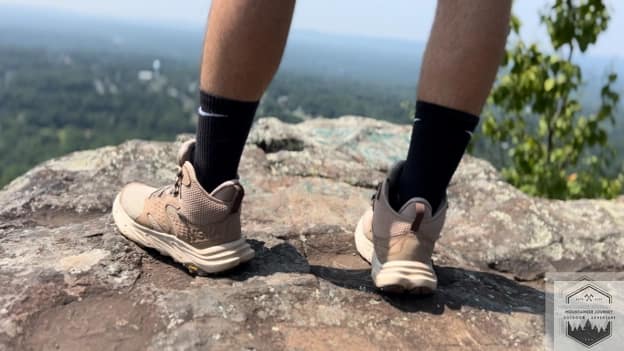
Additional questions I ask myself for comfort are: How does the footbed feel? Are there any additional compression spots? Does the comfort change after a certain number of miles? And how does shock absorption feel with this boot?
These objective measures help me determine an overall comfort score. Comfort is the most important score when testing hiking boots. I have been reiterating this formula to make it as objective and accurate as possible.
Traction
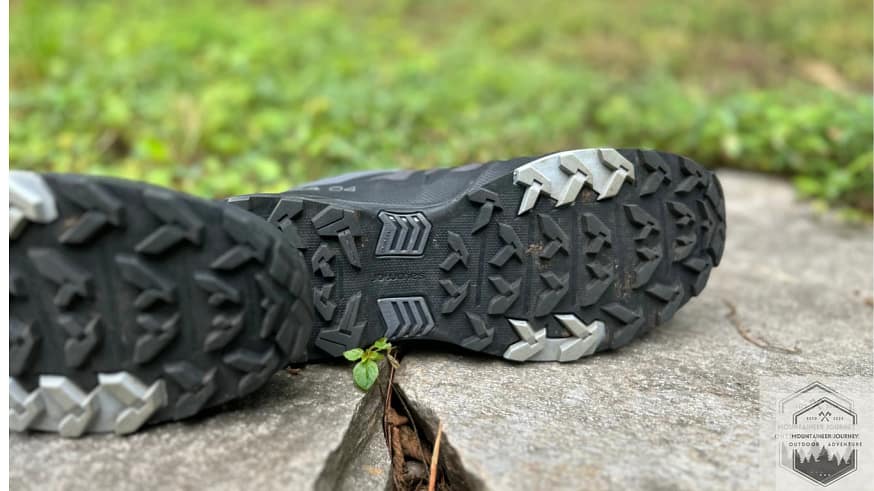
The next measuring category is traction. Traction is mainly measured by lug and outsole performance. Many hiking boots source their outsoles from other companies, such as Vibram. Other companies such as Salomon, produce their own outsoles like Contagrip or Columbia Omnigrip.
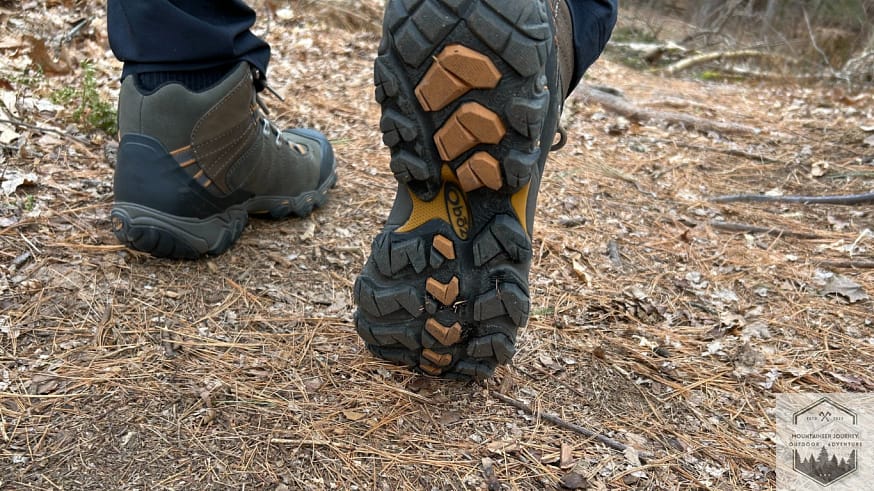
I also test the outsoles directly and compare them to each other to give you a better idea of what are the best hiking boot materials on the market. For example, I did a case study of Salomon Contagrip vs Vibram. I found the Vibram outsole slightly grippier than Contagrip on most surfaces.
Read More: Contagrip vs Vibram | Which One Is Better?
I also assess the outsole’s overall makeup. Is it stiffer or softer? A softer outsole can sometimes overcompress and cause a topple-over effect, causing you to lose your footing.
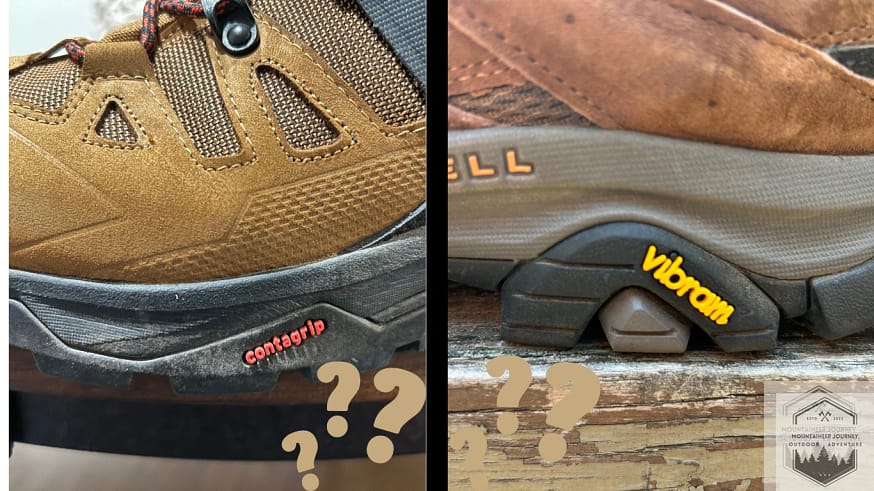
Next, I measure the lugs, which are essentially the teeth of the hiking boot’s outsole. Deeper lugs tend to work better for uneven terrain, snow, or mud.
Shallow lugs are great on even, smoother terrain. We also assess how well the lugs grip snow or mud. Grip also depends on the trails you’ll be hiking, so you can choose the right tread for the job.
A great example is the Hoka Transport Hike. While the lugs are shallower, they work well on lighter trails and walking paths, and they’re more of a road-to-trail shoe. They did not test well on technical trails, but they aren’t meant to be a technical hiking boot. It really comes down to the terrain you’ll be hiking on, which will help narrow down your hiking boot selection.
This is why we test our hiking boots on multiple trails and different types of terrain. One boot may be effective at tackling boulder fields, while another may be better on side hills and uneven gravel.
There is not a one-size-fits-all solution for the perfect outsole. That’s why we break down what boots are best on certain types of terrain. These elements help me create an overall traction score from a bird’s-eye view.
Overall Protection
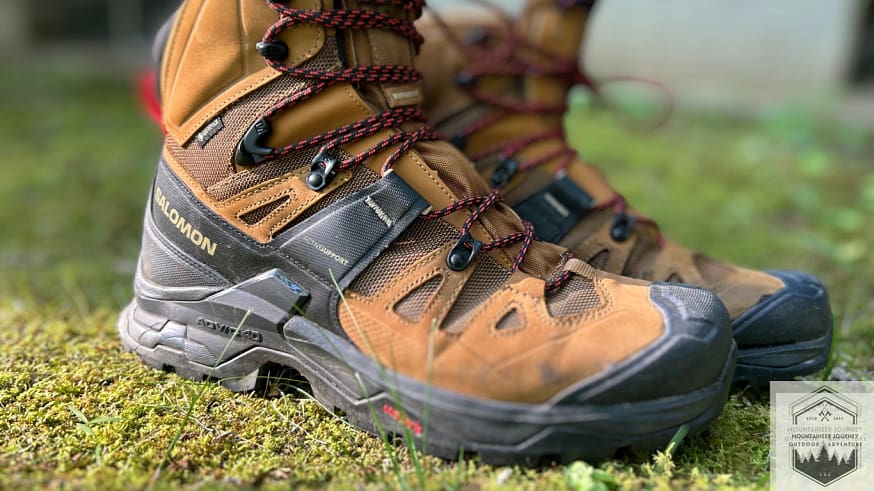
Overall protection is a category many other hiking boot testers do not factor into their score. I believe this is an important factor to consider when purchasing your boots. If you feel like your feet are at risk of sharp objects piercing through your boots, then you are essentially putting yourself at risk of injury.
When assessing overall protection, I start at the toe box. Most boots have a protective toe cap; many are rubber, while some are almost steel-toed.
The Timberland Mt. Maddsen 2.0 has an excellent toe box and a rand that runs from the toe box to the arch of your foot, providing robust protection. Other hiking boots, like the Salomon X Ultra 4, offer much less toe-box protection, putting you at risk on the trail.
Next are the medial and lateral aspects of the boot. Many Nubuck leather boots cover the sides of your foot well, while other synthetic boots leave these areas exposed. You want a nice, robust upper that resists scratches and punctures on the trail and protects your foot well.
Last, the heel and tongue of the boot. Most hiking boots have a gusseted tongue, which helps keep out debris from entering your boot. I also check the heel for rubber cap protection. When scoring top hiking boots, I feel overall protection is a crucial factor many reviewers leave out.
Waterproofness
Waterproofness is a must for any year-round hiker. Several hiking boot models claim they are waterproof, but in my testing, I found they were not. The Columbia Newton Ridge claims to be waterproof; I found the opposite.
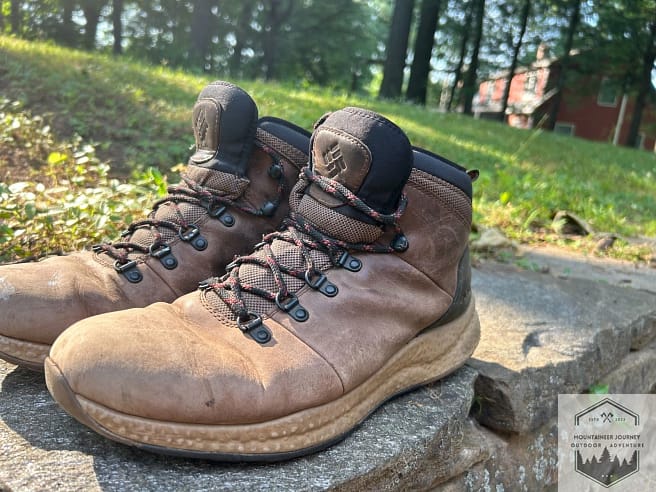
Many waterproof membranes are made with Gore-tex or GTX. GTX works pretty well against water resistance; it does take away from the breathability. Other hiking boots craft their own waterproof membrane, such as Keen and Merrell.
I felt the Keen and Merrell waterproof membranes performed better in the field for waterproofing and breathability. I did a case study on each, comparing them to Gore-Tex.
Read More: Merrell Waterproof vs Gore tex | Which Is Better?
Read More: Keen.dry vs Gore tex | Which Is Better?
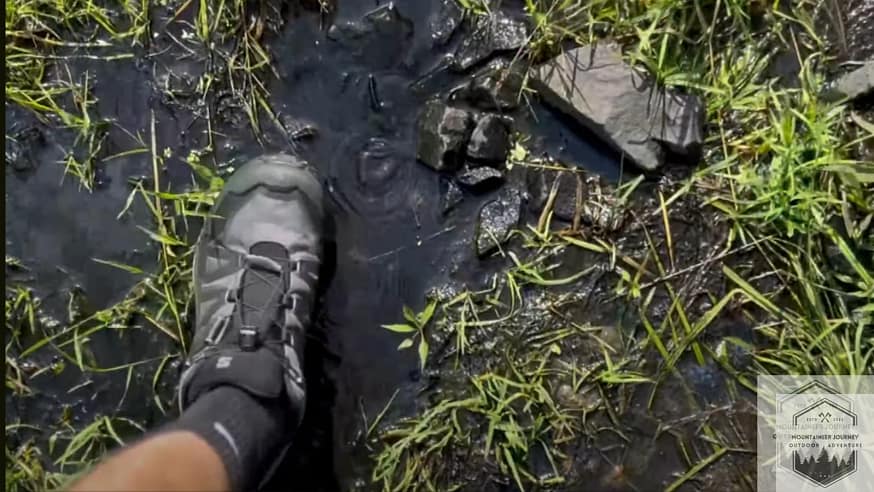
When testing a hiking boot’s waterproofness, I turn to my 10-minute submersion test. I place them in water (a creek) for 10 minutes and notice any waterlogging; I also test how high the waterproof membrane goes. During our testing, we also crossed multiple creeks and wet areas along the trail to further test the waterproof membrane.
The Lowa Renegade is a great example of a very high waterproof membrane, extending higher than 6 inches during my testing. Some hiking boots do not have a waterproof membrane at all, which tends to make them lighter and more breathable. However, it does come down to preference.
Waterproofness is important for keeping your feet dry and avoiding blisters.
Stability and Support
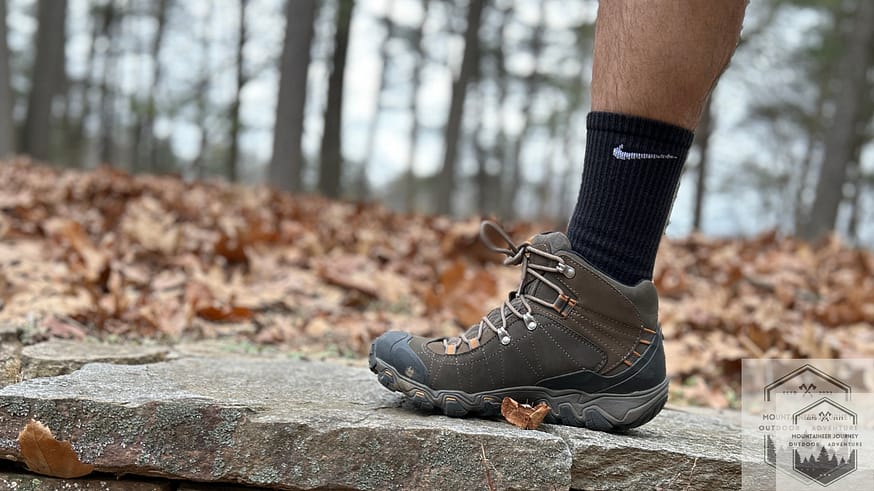
Stability and support are essential when choosing your boots. My first objective standard for stability and support is the ankle. Hiking boots with nice, sturdy ankle support reduce the risk of sprains. Most of the time, a higher ankle cuff increases ankle support. You must also factor in how secure the ankle cuff is.
When comparing the Merrell Moab vs Keen Targhee III, I felt the Moab had better ankle security, dubbing it the winner between the two for stability and support. The top lacing eyelets near the ankle also play a role in ankle stability. The further the eyelet is away, and the angle it is placed at, can sometimes further lock down or cause over-compression.
Another objective testing measure is torsional stability. In my YouTube reviews, you can see I twist the hiking boot to see how much torsional stability it offers. Better torsional stability helps prevent overpronation and supination for more natural foot movement, especially while backpacking. Torsional stability also for better weight distribution and surefootedness.
Salomon boots feature the Advanced Chassis, which aids lateral stability and improves torsional rigidity. Newer hiking boots are coming out with a flared heel design, which improves ground contact, especially when you’re climbing a steep slope. This also reduces nimbleness and adds weight, so it’s another consideration if you’re taking on more technical trails and need lighter, quicker movement.
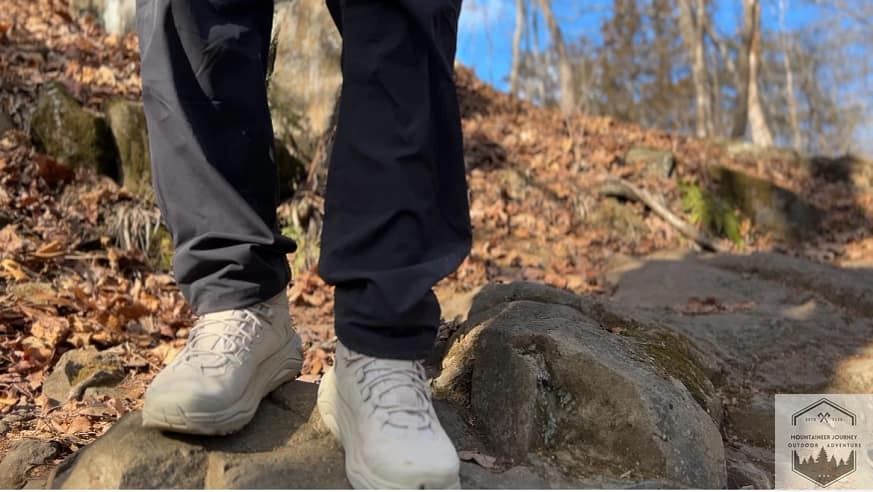
The last thing I consider when rating the best hiking boots for stability and support is surefootedness. How secure does my foot feel while on the trail? This matters when training proprioception while hiking and anticipating terrain.
Fit
Fit is an underrated category for assessing hiking boots. Many hikers wear different types of socks, which can skew the boots’ fit assessment. I always wear the same type of Darn Tough Full Cushion hiking socks to ensure my fit ratings are accurate.
First, I like to note how wide the midfoot is by measuring the side-to-side volume of the midfoot inside the boot. I also measure the boot’s internal volume with my tape measure in the toe box, midfoot, and heel.
Some boots may seem deceivingly wide, like the Oboz Bridger, but are actually narrow. This helps me stay objective when testing my fit. From there, I notice how easy they are to slip on and off.
I always recommend whether to size up or down, or to go for the wide fit. Many boots have completely different fits than one another. This is one of the key measurements for getting a pair of boots you’ll love.
Durability
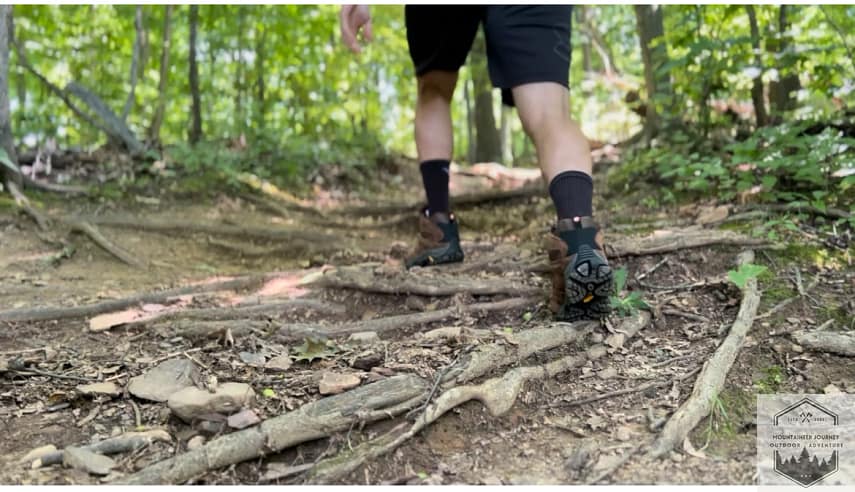
What’s the point of purchasing a hiking boot that won’t last? For durability scoring, I start by assessing the boot’s overall construction. Synthetic and welded materials may save you money and weight in the short term, but sometimes don’t last as long. Leather and traditional stitching tend to last much longer. However, we don’t just go off specs; we test all our hiking boots for at least 30 miles, often going up to over 100 miles with many models.
I assess durability over a long timeline (4+ months) and update my reviews accordingly. Again, we don’t base our durability on specs but on real testing.
A hiking boot that lasts will save you time and money in the long run. Overall, the most durable boots I saw were the Merrell Moab 3, Keen Targhee IV, and Hoka Kaha 3.
Value
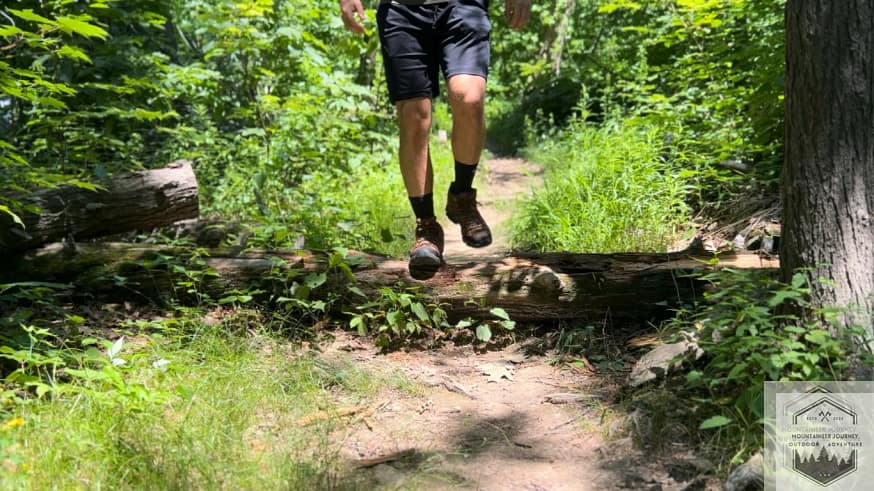
My last objective testing measure is basically putting it all together. Do the previous measures represent the product well for the price?
Paying well over $240 for the Kaha 3 is worth the investment for how well it scored. Compare that to the Quest 4, and I couldn’t justify the price for its performance.
Basically, you want the most value for what you pay. A cheaper hiking boot may not score as well, but it may represent what it’s worth based on its score. Overall, value means getting the same or more than what you pay for.
Types Of Hiking Boots
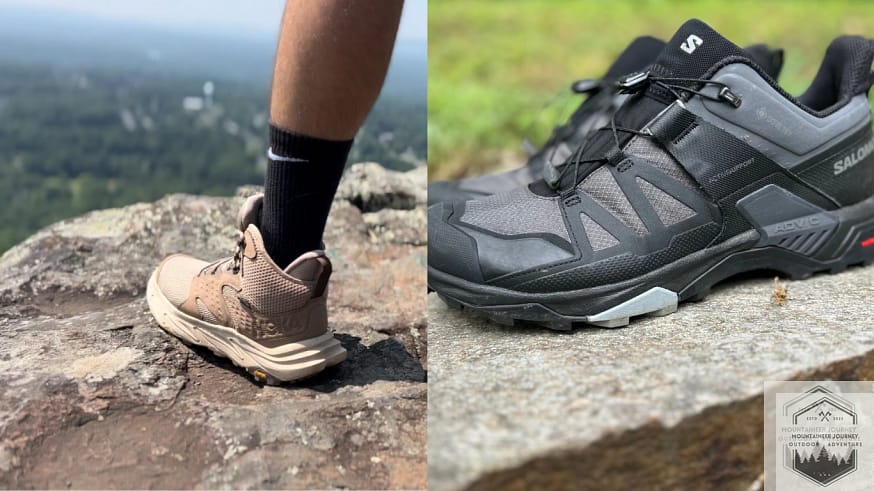
Different hiking boot styles suit specific conditions and user preferences, which is essential for making the right choice.
Lightweight Boots
These are optimal for casual day hikes or speedy fastpacking excursions, giving you the advantage of agility and nimbleness. They don’t offer as much support or endurance as their heavier counterparts.
Lightweight boots also tend to have less durability, but not always. Think of lightweight boots as performing more like hiking shoes, like the Nike Zegama Hike. If you want to move faster on the trail, consider a lightweight boot.
Midweight Boots
Striking a balance between heftiness and support, these boots work well for carrying modest loads on hikes. They’re appropriate for most backpacking journeys. Midweight boots tend to rule most of the hiking boot market.
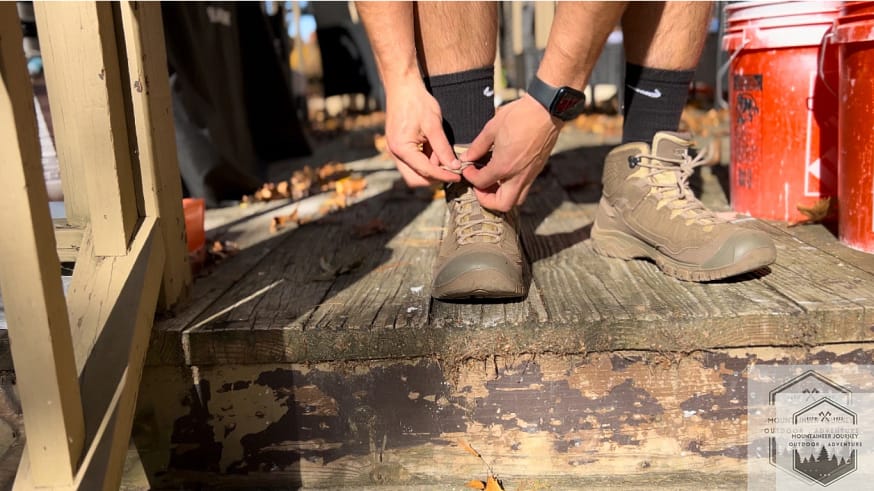
Midweight boots usually offer good-to-better comfort without adding much weight. For most hikers, this is the most popular pick.
Heavyweight Boots
Built for ankle support and heavy loads, these robust boots offer superior protection and stability. Heavyweights are usually less comfortable, but they make up for it with stability and durability.
Consider these boots if you want a heavier boot with ridgid and structured support.
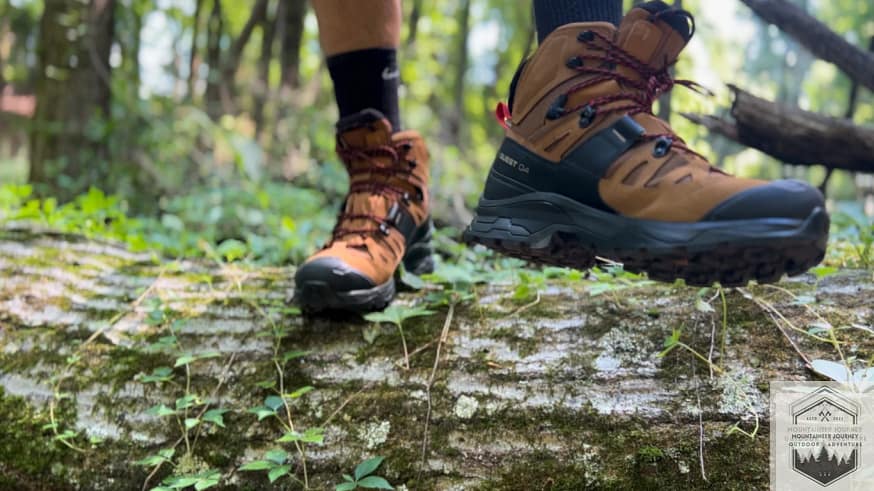
Each boot category has its own advantages and drawbacks. Reflect on your hiking tendencies and the terrain when choosing the right pair of hiking boots.
Why Trust Mountaineer Journey
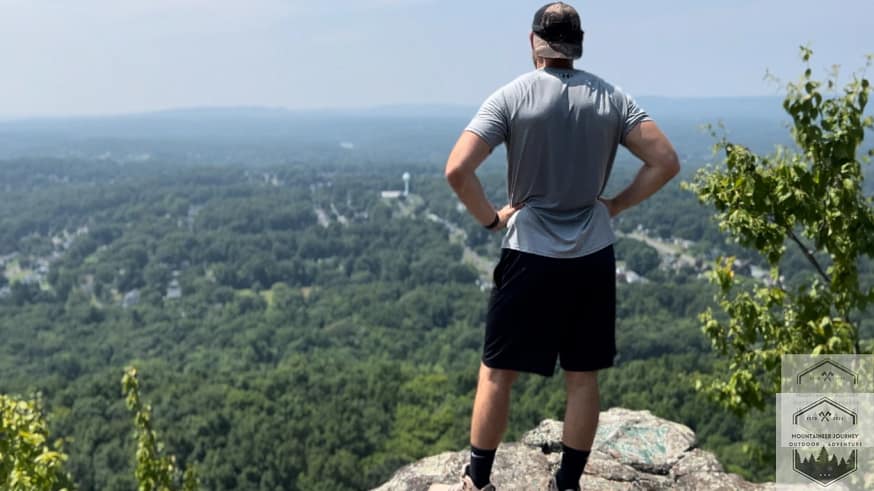
As the sole owner of Mountaineer Journey, I test all hiking boots to the same objective standards. I don’t rely on multiple testers with skewed results based on subjective experience.
I have refined my scoring system over 16 years of trial and error. I refined this scoring system to present you with the best hiking boot options.
I also objectively test hiking boot materials to show you the best components that make up each boot.
Frequently Asked Questions
What are the best hiking boots for long treks?
The Hoka Kaha 3 GTX stands out as one of the best hiking boots for long treks, owing to its plush cushioning, solid support, and excellent water resistance.
Are there budget-friendly hiking boots that offer good performance?
The best budget-friendly boots with great performance are the Merrell Moab 3 with excellent cushioning and support, perfect for day hikes and moderate backpacking.
Which hiking boots are best for wide feet?
The Altra Lone Peak ALL-WTHR Mid 2 is an excellent choice for hikers with wide feet, thanks to its spacious toe box and lightweight zero-drop design.
How important is waterproofing in hiking boots?
Waterproofing is essential for hiking boots, especially in wet conditions, as it helps keep your feet dry and comfortable. Keep in mind that waterproof boots often sacrifice breathability.

Tyler
Tyler is the founder Mountaineer Journey and a professional Mountain Guide with 15+ years of technical experience in trekking, mountaineering, and trail sports. Having logged thousands of miles from rugged alpine summits to urban paths, Tyler provides rigorous, field-tested insights on hiking, walking, and trail running gear. All reviews are 100% unsponsored and unbiased, ensuring you get honest scoring based on real-world performance. His mission is to help outdoor enthusiasts of all levels find reliable equipment that ensures comfort, safety, and performance on any terrain.