Our Score
Most Comfortable Hiking Boots Of 2026 | Unsponsored
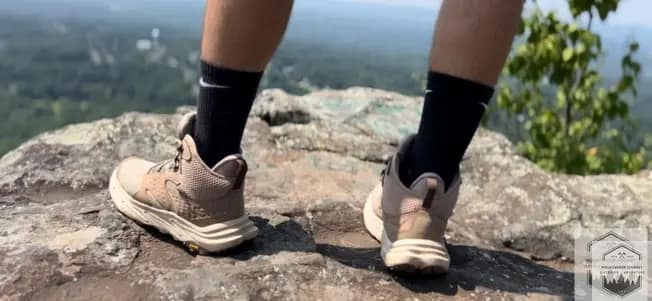
If you are looking for the most comfortable hiking boots of 2026, don’t worry; we have you covered.
We will go over our top 3 picks for the most comfortable hiking boots of 2026, why they are the most comfortable, and how we rate comfort for each pair.
Comfort is a highly subjective experience when evaluating hiking boots. Although there are ways to specifically measure comfort, such as plushness, shock absorption, and overall fit, we believe that ease and comfort are the most important aspects of a hiking boot, because if they aren’t comfortable, you’re not going to wear them!
Our Picks For Most Comfortable Hiking Boots of 2026
| Comparision | Product | Rating | Price |
|---|---|---|---|
Most Comfortable 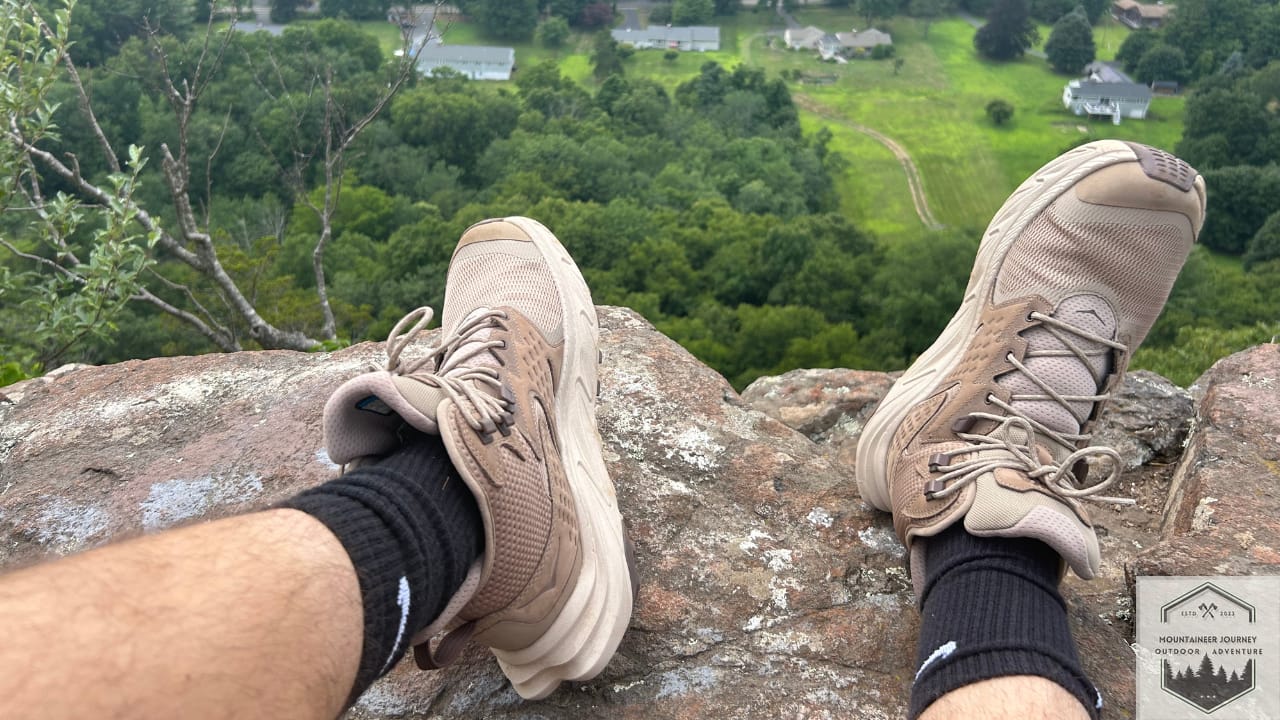 | A number-one pick for our most comfortable hiking boot of 2026. Excellent impact absorption and a comfortable footbed. | 9.3 | Check LOWEST PriceRead Review |
Second 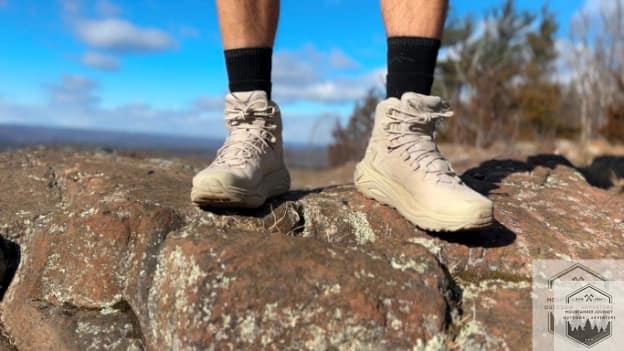 | My second-most-comfortable hiking boot costs a premium: $240. Very comfortable ride with top-notch stability. This is also our number-one-rated hiking boot. | 9.1 | Check Lowest PriceRead Review |
3rd 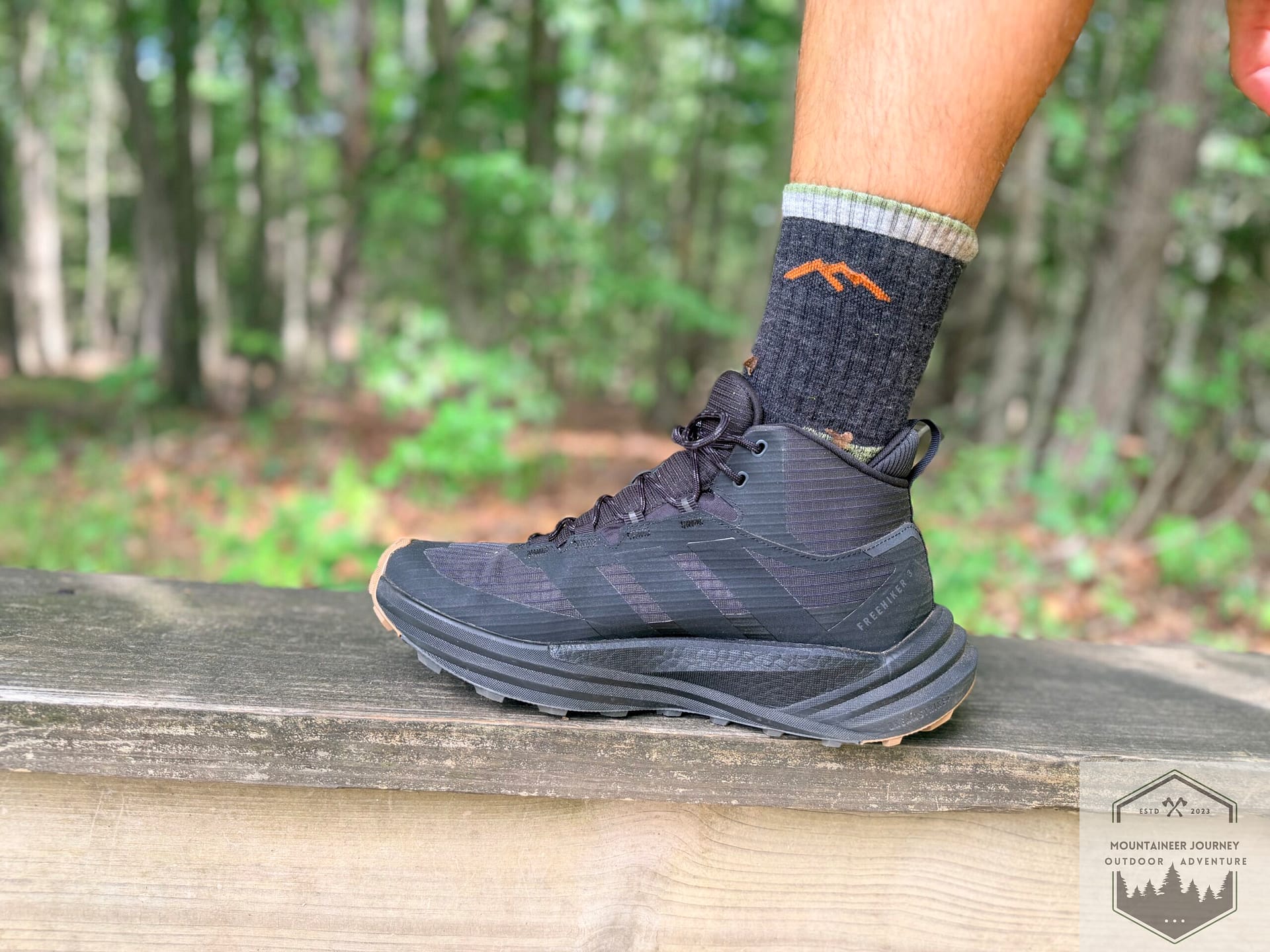 | Best choice for most comfortable lightweight hiking boot with excellent impact absorption. | 8.9 | Check LOWEST PriceRead Review |
4th 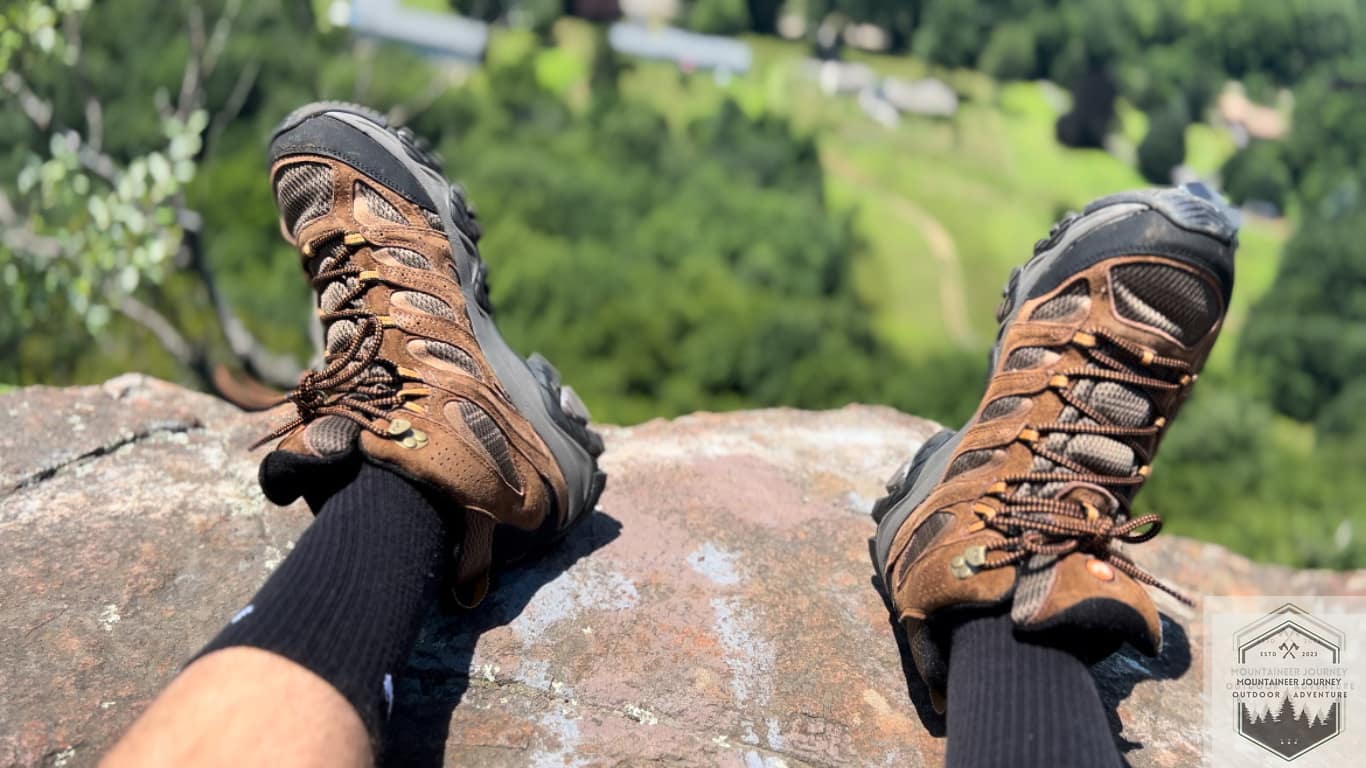 | This is easily the best budget-friendly, comfortable hiking boot under $150. The Merrell Moab 3 is a staple hiking boot and definitely the most popular over the past few years. | 8.6 | Check LOWEST PriceRead Review |
5th 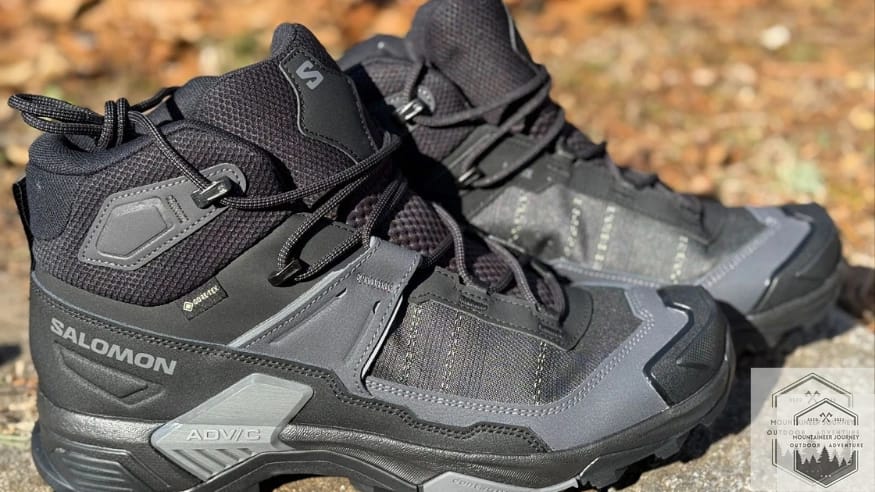 | Top-notch stability in a mid hiking boot with an updated comfortable sock liner and a new midsole. | 8.5 | Check Lowest PriceRead Review |
As an independent reviewer, I purchase all products myself. Some links may be affiliate links that support the site at no cost to you
Editor’s Note (Updated 10/3/2026): This post was updated with new testing insights and new models, like the Adidas Terrex Free Hiker 3 and Salomon X Ultra 5.
Watch Our YouTube Video Of The Most Comfortable Hiking Boots
The MOST Comfortable Hiking Boot Of 2026
Hoka Anacapa 2
Pros
- Most Comfortable Midsole
- Well-Padded Tongue
- Most Comfortable Stride
- Extra Padded Heel
Cons
- Price
Price:$195
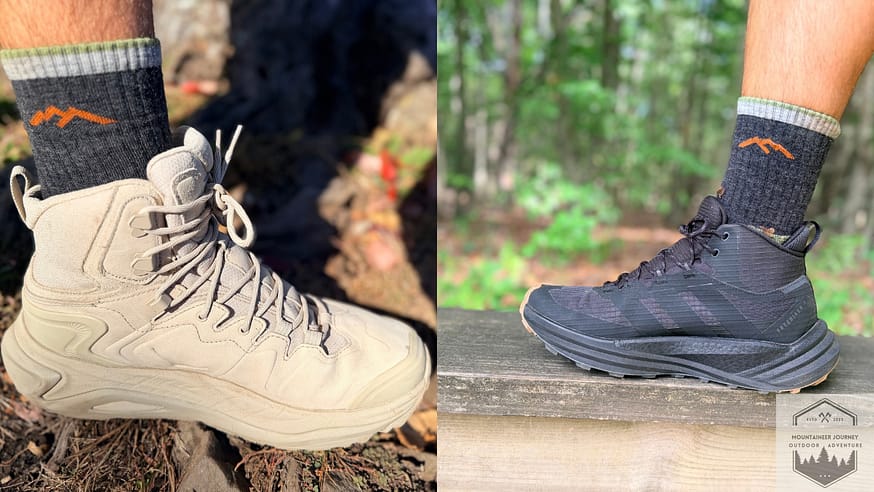
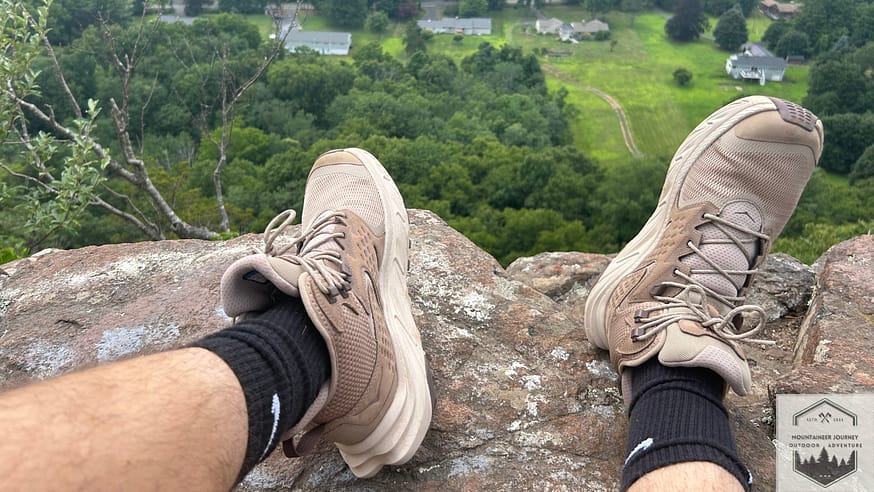
The Hoka Anacapa 2 comes out on top as the most comfortable hiking boot of 2026. It features an EVA midsole. When trying on this boot for the first time, you feel the immediate comfort of the sock liner combined with the plushness of the midsole.
I found the Anacapa 2’s shock absorption to be excellent during testing. The outsole does all the work without feeling too mushy. While on the trail, I had no joint pain or body aches. The outsole is over 2 inches thick and can withstand heavy impacts.
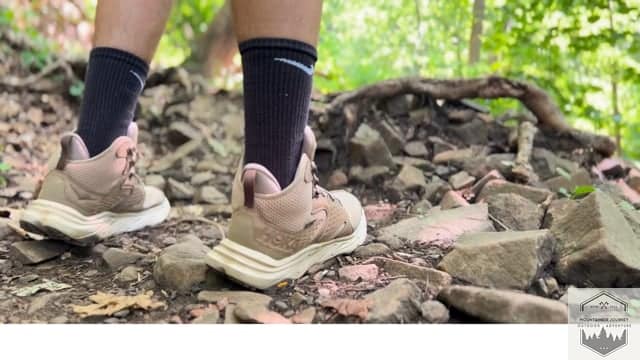
The Anacapa 2 really stood out for me on rocky technical descents. It withstood the pounding much better than other boots, such as the Lowa Renegade and Salomon Quest 5, on similar trails.
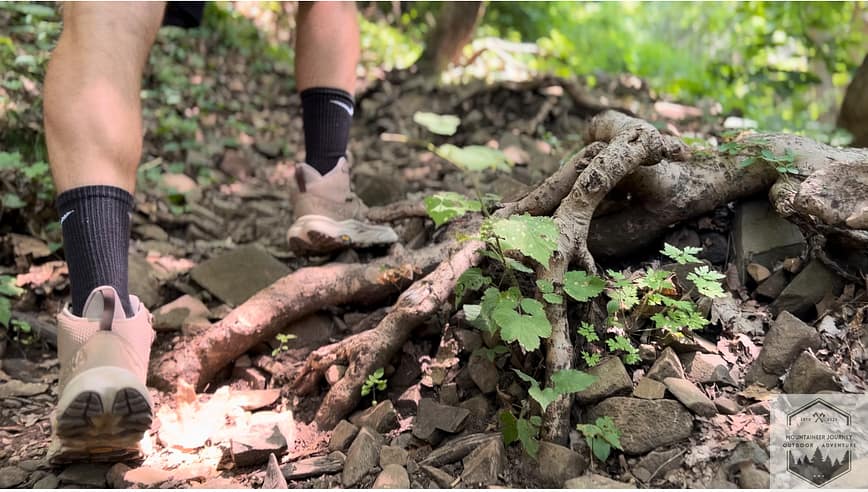
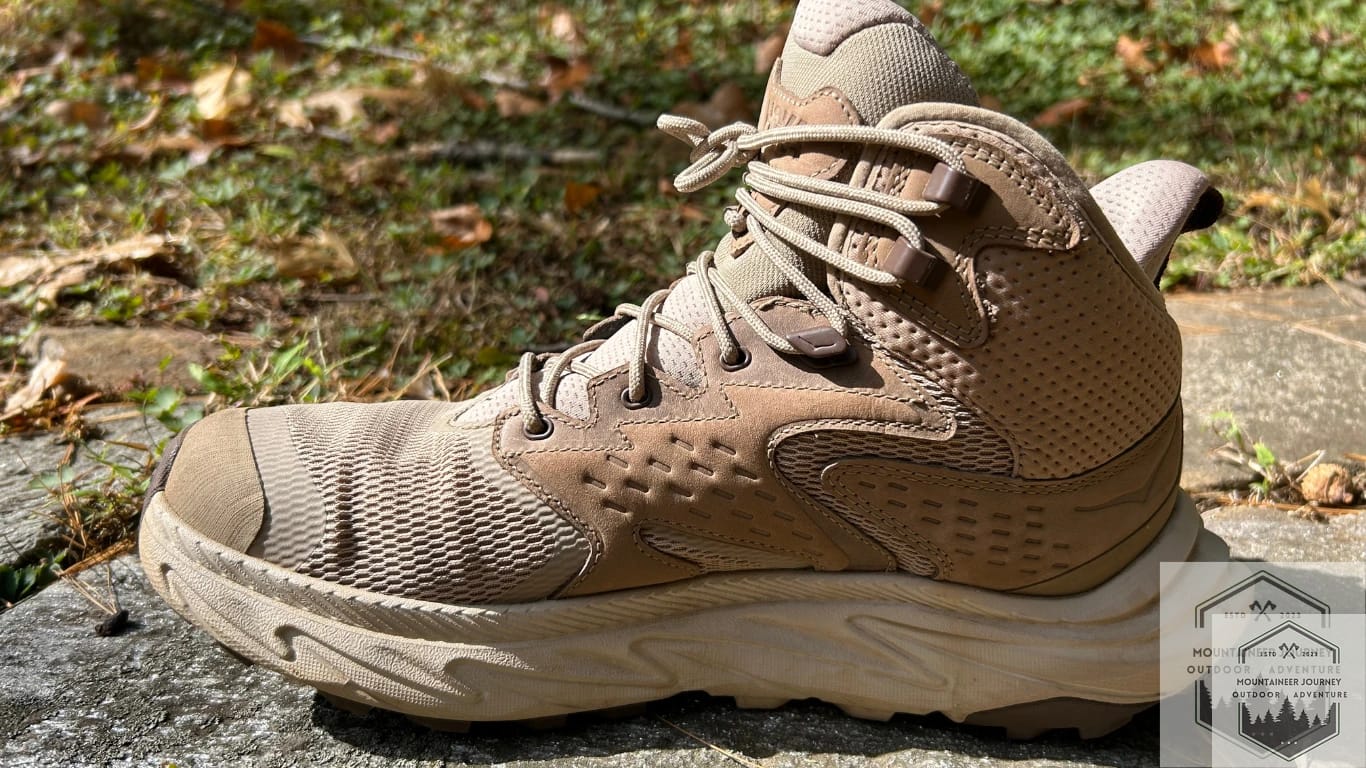
The heel has extra padding that meets you at the ankle cuff. That extra padding gives you the comfortable feel you crave around the back of your ankle, since most boots cheap out in this area. The tongue is thick at the top and thins out towards your toes, perfect for cushioning without constricting the top of your foot.
As the tongue thins toward the top of your foot, it provides a more conforming fit without overcrowding the boot with padding.
Hoka really knocked the design out of the park with the Anacapa. The mesh-impregnated leather throughout the boot feels lightweight without leather’s stiffness. The mesh lets your foot breathe well on summer hikes.
For the non-waterproof version of the Anacapa, which is even more breathable and just as comfortable, check out the Hoka Anacapa Breeze.
Equipped with a Meta Rocker design, the Anacapa gives you one of the lightest, fastest strides on the trail. The boot’s subtle curvature supports an efficient toe-off, making it easier to start to fatigue your muscles as the miles add up.
Overall, the Hoka Anacapa 2 is easily our top choice for the most comfortable hiking boot. The comfort on the trail is undeniable, and the design is engineered to deliver maximum plushness while hiking without compromising stability or grip.
Read More: Hoka Anacapa 2 Mid GTX Review
2. Hoka Kaha 3 GTX
Pros
- Plush Midsole
- Well-Padded Sock Liner
- Thick Shock-Absorbing Outsole
- Comfortable Toe Box
Cons
- Price
- Heel Padding
Price: $240
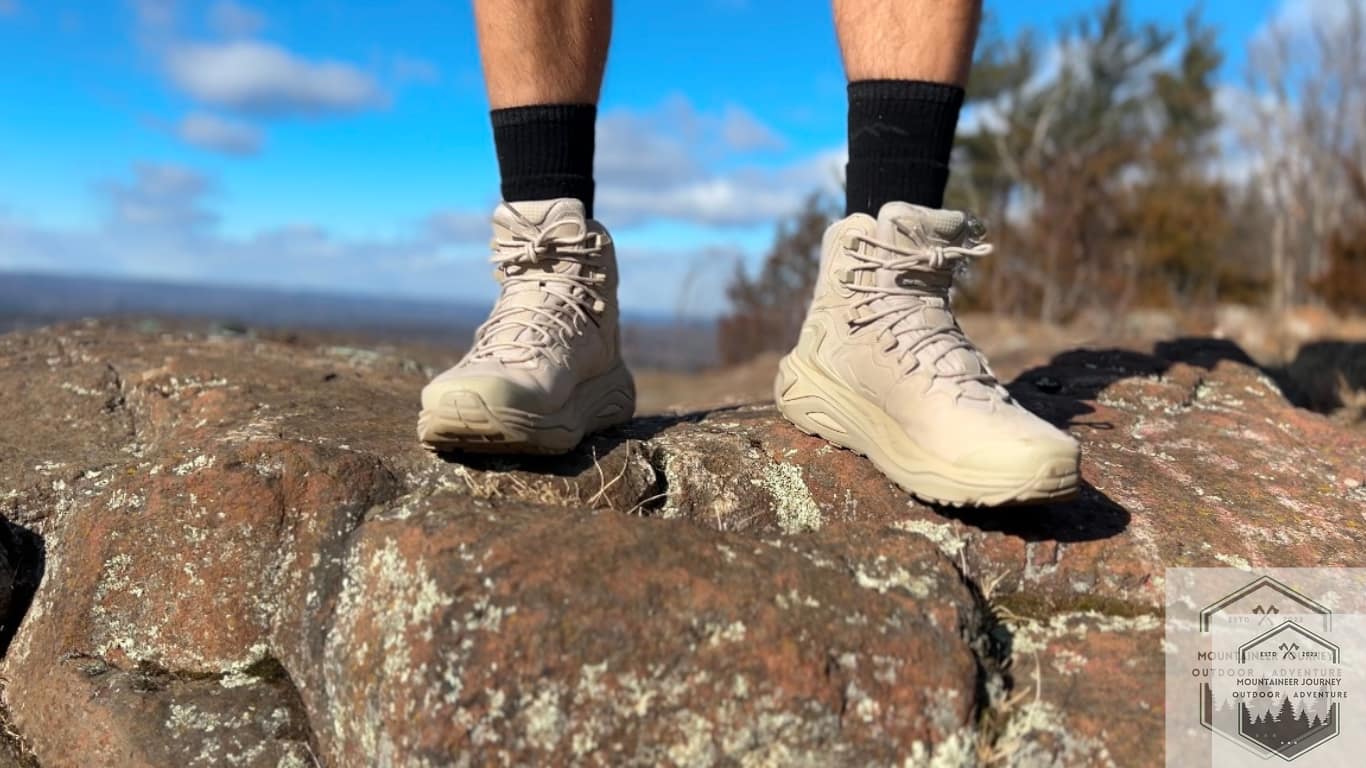
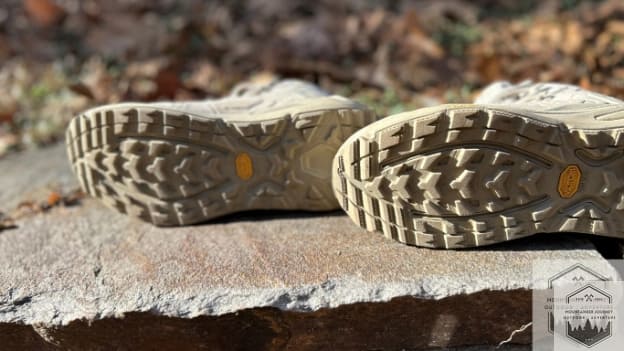
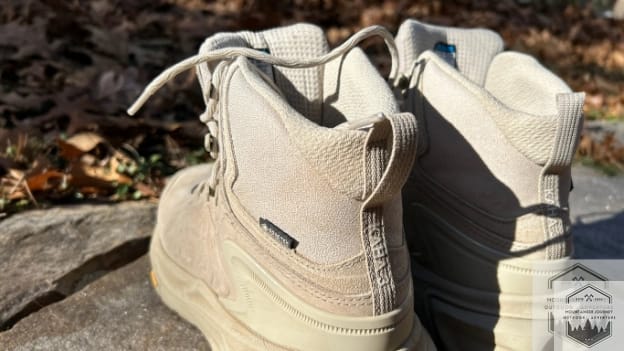
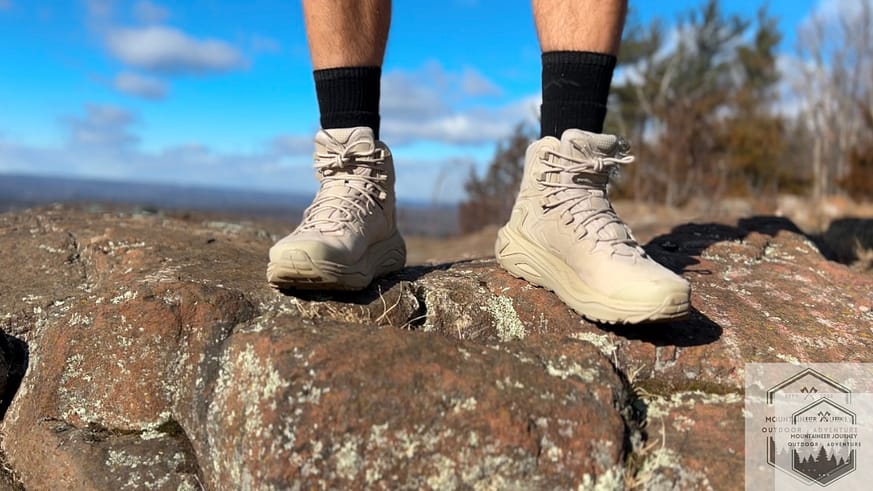
While testing the Hoka Kaha 3, I was very pleasantly surprised by how plush the hiking boot was. The Kaha 3 features the dual-density EVA midsole, renowned for maximum plushness.
The Kaha 3 offers incredibly plush step-in comfort, letting your toes sink gently into the insole without feeling overly mushy. The Kaha 3 sock liner is one of the best out there, very comfortable with a sleek and soft profile.
The sock liner conforms to your foot without any compression or irritation. They are so well padded, you don’t even realize you’re hiking in heavy leather boots.
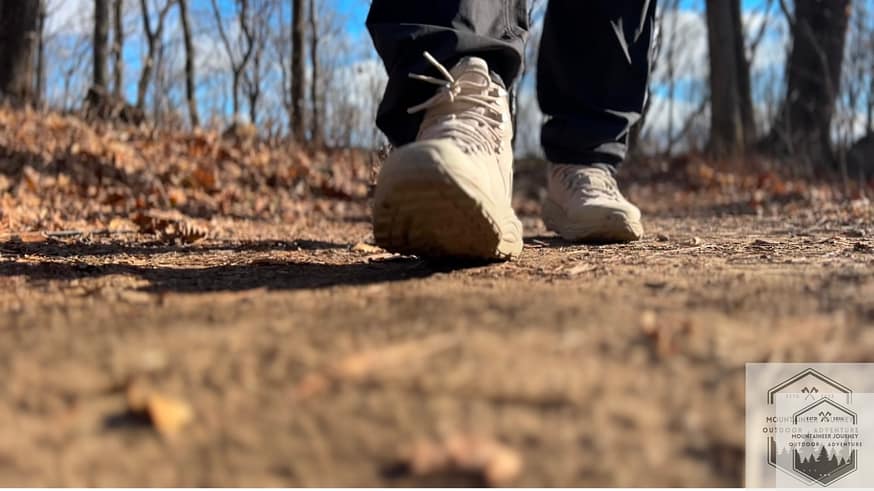
Hoka really knocked it out of the park with the Nubuck leather profile of the boot. The leather is tougher and more robust around the toe box but softens towards the top, where most users experience compression issues.
The toe box gives ample space without feeling overly snug. Unfortunately, the Kata 3 does not come in a wide fit; however, the overall volume of the boot is very generous and conforming. The outsole is approximately 2.3 inches thick near the heel and absorbs impact exceptionally well. Hiking on jagged sandstone, I really felt the outsole dull any hard impacts.
The Kaha really makes foot striking easy and effortless. The ride in these boots is smooth and sleek. The swallowtail heel design allows more contact with the ground, improving stability and comfort on the trail. This is similar to the Merrell Moab Speed 2; it is a subtle stability feature that many testers don’t notice.
One area where the Kaha 3 could improve comfort-wise is the heel. Compared to the Anacapa, the Kaha does not have a padded heel-tab insert. Also, the Anacapa is 4 oz lighter per boot than the Kaha 3.
Overall, the Kaha 3 is an extremely comfortable hiking boot, rated as #2 on our comfort list but #1 for the best overall hiking boot.
We have tested the Kaha 3 for over 100 miles now, and the durability has held up exceptionally well. Performance hasn’t changed since the first mile we put them on. I would avoid this boot if you prefer a lightweight feel, as these are close to 21 oz per boot, or if you are on a budget, as they are the most expensive on this list at $240.
Read More: Hoka Kaha 3 GTX Review | The MOST Underrated Hiking Boots Of 2026
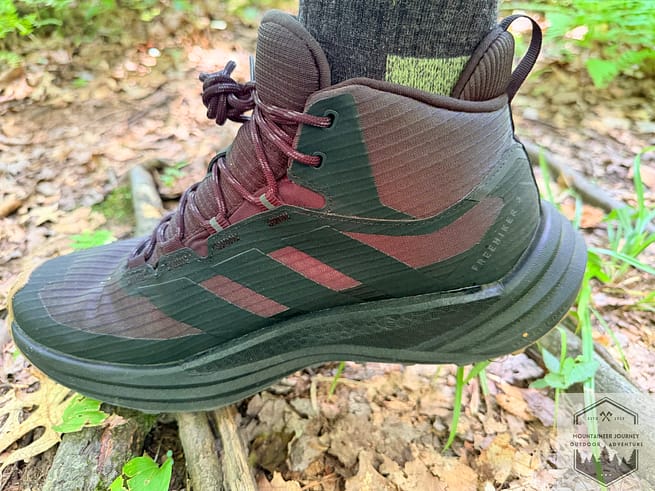
3. Adidas Terrex Free Hiker 3
Pros
- Excellent Ankle Support
- Great Cushioning
- Adidas Boost Impact Absorption
- 14 oz per pair
Cons
- Toe Bumper
- Runs warm
- Price
Price: $200
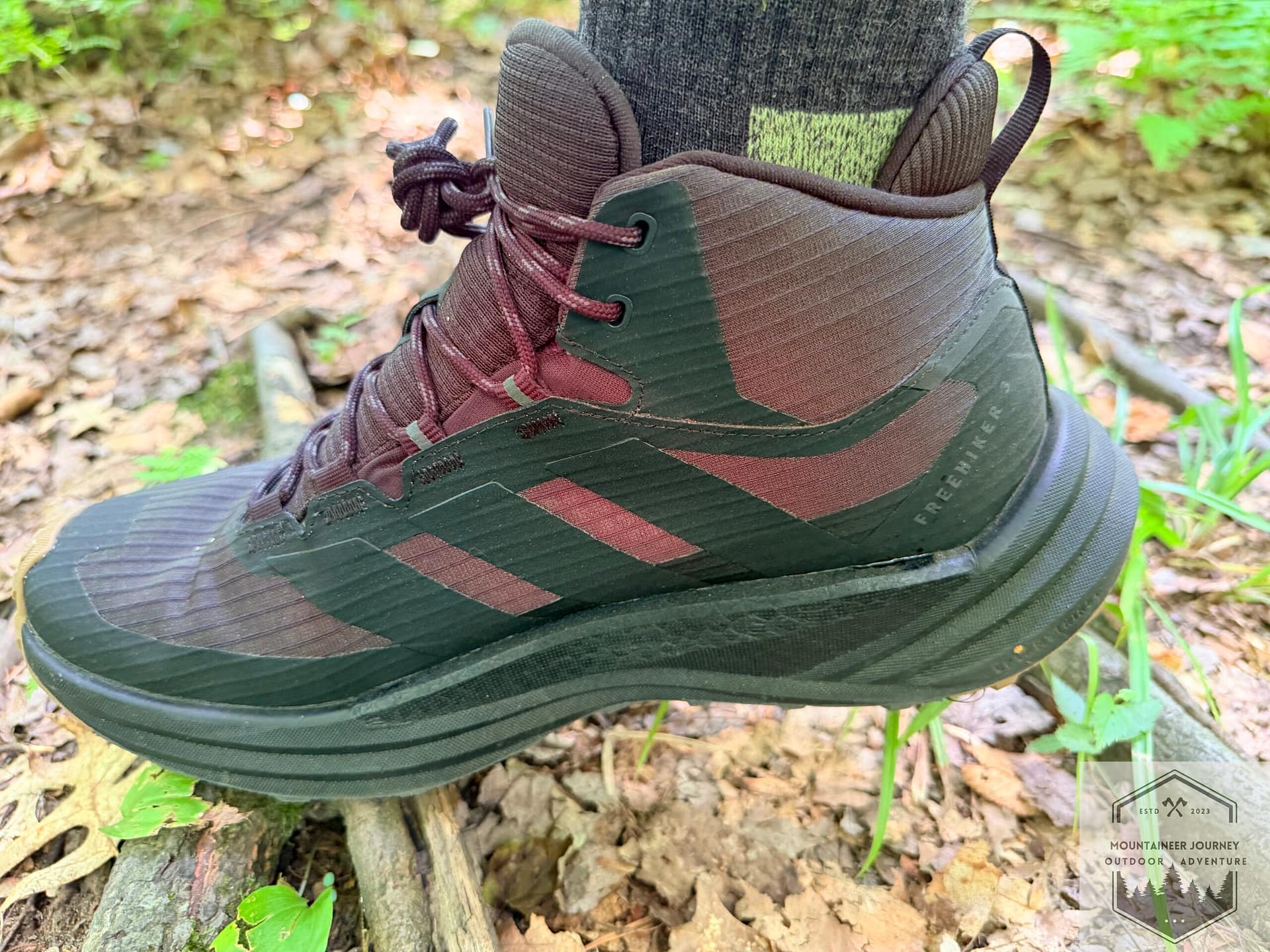
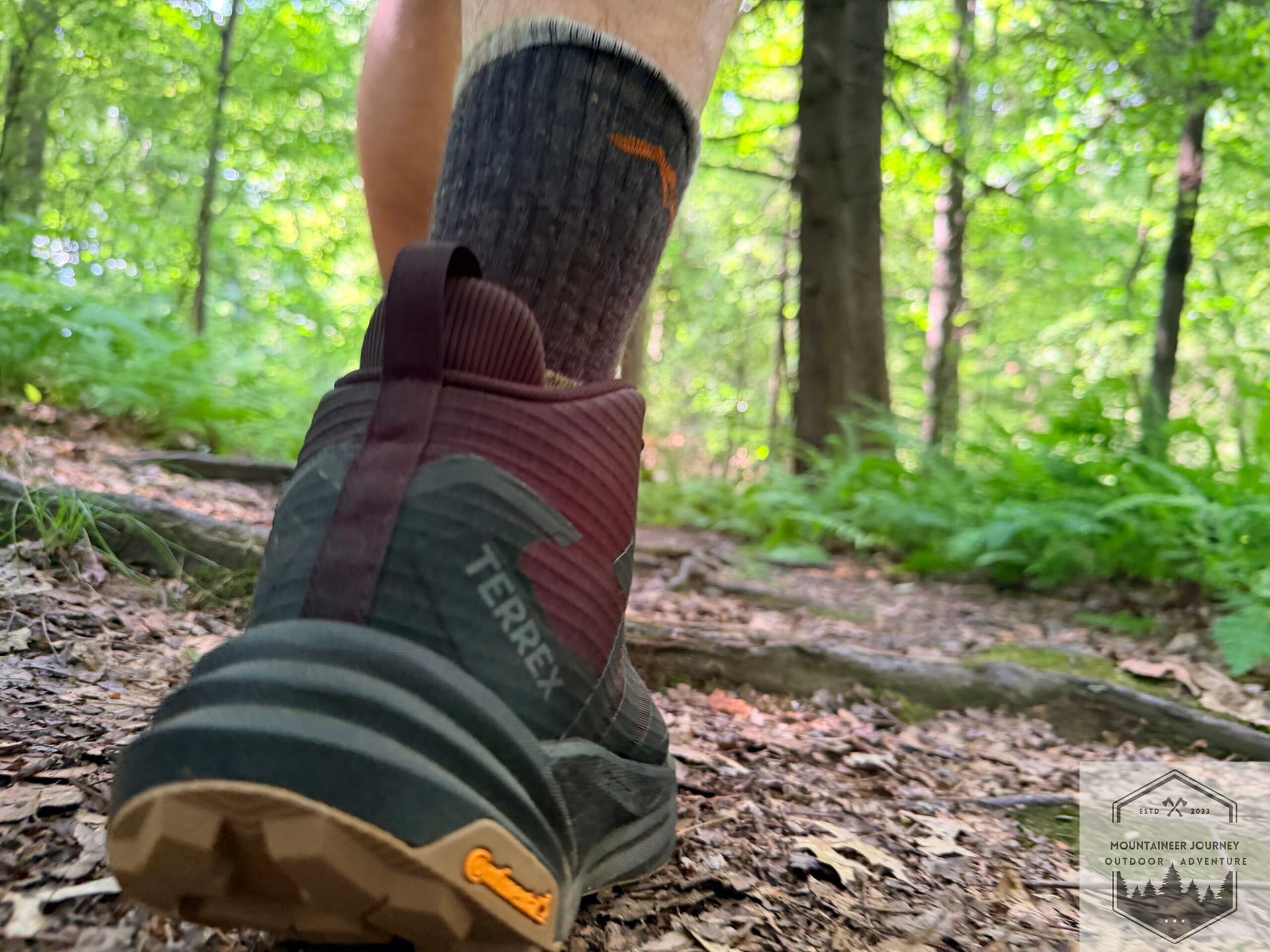
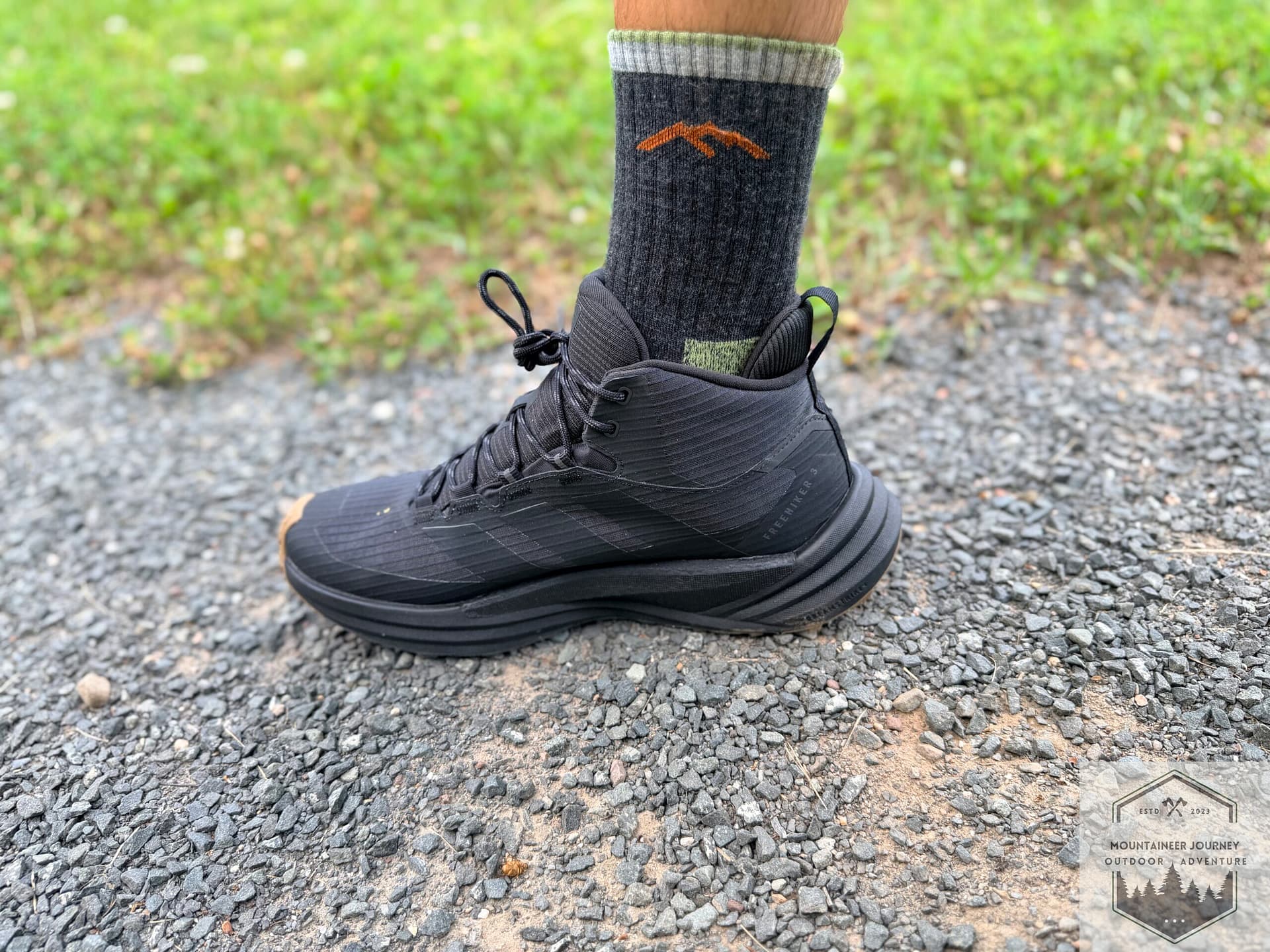
When I first tested out the Adidas Terrex Freehiker 3, I was very impressed by the footbed comfort. I measured a heel stack height of 41 mm, which was perfect for impact absorption, especially on longer days with some scrambling.
One feature that makes the Terrex Free Hiker 3 stand out is its energy return. Most hiking boots don’t have great energy return, but this one has a slight bounce and pop, like walking shoes. In addition, that extra bounce doesn’t cause excessive midsole compression or instability during my testing.
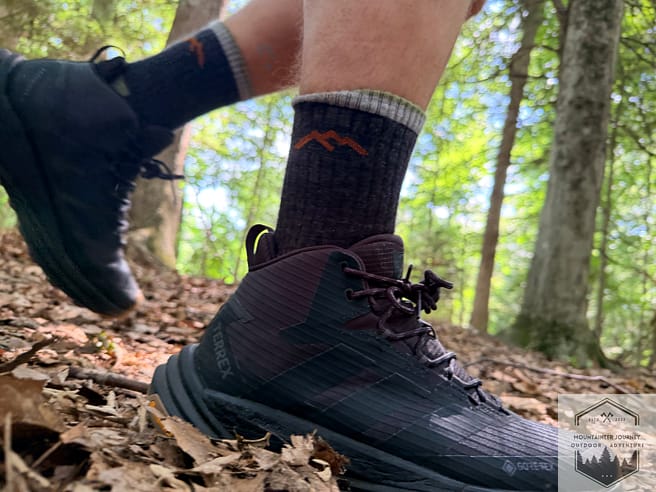
The toe box offers ample space, and the boot is both voluminous and well-fitting. The flex zones align with my arches in this boot. Unlike the Hoka MetaRocker, these natural flex zones match my gait well.
The Continental outsole did extremely well during our testing on basalt, limestone, and granite. I measured the lugs at 4 mm. The medial-lateral chevron lugs really help bite into the extra terrain, and the flared heel design helps with ascents.
The Terrex Free Hiker 3 is also extremely lightweight. I weighed mine in at 16 oz per boot. This is actually the lightest on our list. See our guide on the best lightweight hiking boots. The Free Hiker 3 is best for people who want a comfortable, lightweight hiking boot with excellent grip and stability.
Read More: Adidas Terrex Free Hiker 3 Review
Most Comfortable Budget-Friendly Hiking Boot
Merrell Moab 3
Pros
- Price
- Sleek Sock Liner
- Cozy Midsole
Cons
- Heel Comfort
- Tongue Padding
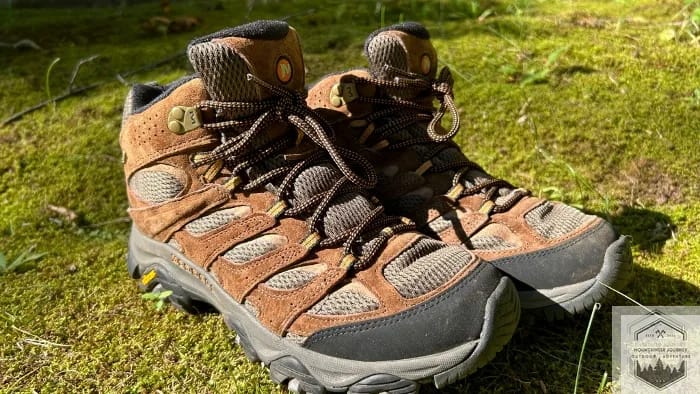
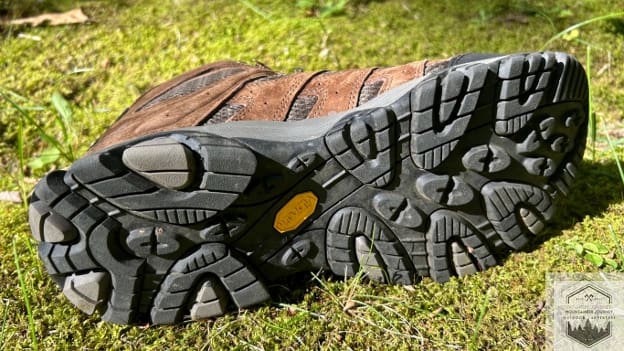
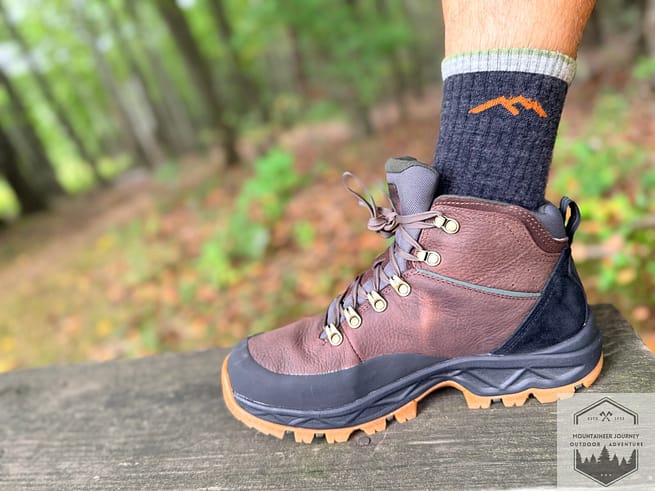
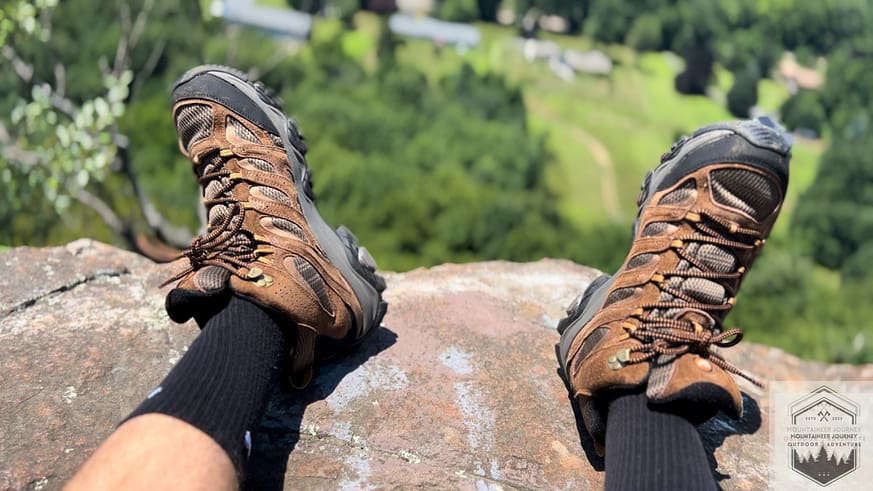
While looking at the Merrell Moab 3, you wouldn’t think it was one of the most comfortable hiking boots in 2026. The rugged design makes these boots look stiff, but they are far from that once you actually get into them.
The Moab 3 does not have the plushness of the Kaha or Anacapa, but it still has an above-average comfort rating. The midsole is cushy but not as forgiving as the top three. The Moab 3 balances comfort and firmness well without leaning too far in either direction.
The sock liner is very sleek and inviting. I felt that the sock liner, combined with the leather, gives a nice, conforming fit around your foot. The Moab 3’s outsole is definitely not maximalist. The stack height is only 32mm in the heel compared to the 38 mm heel stack of the Anacapa.
Given that, the impact absorption with the Merrell Moab 3 is the best you can get out of its stack height tier. This has become one of my favorite boots for most light trails, as they are on the lighter side and don’t feel blocky or excessive. The ankle cuff is also lower for quicker movement, adding a bit more nimbleness than most boots.
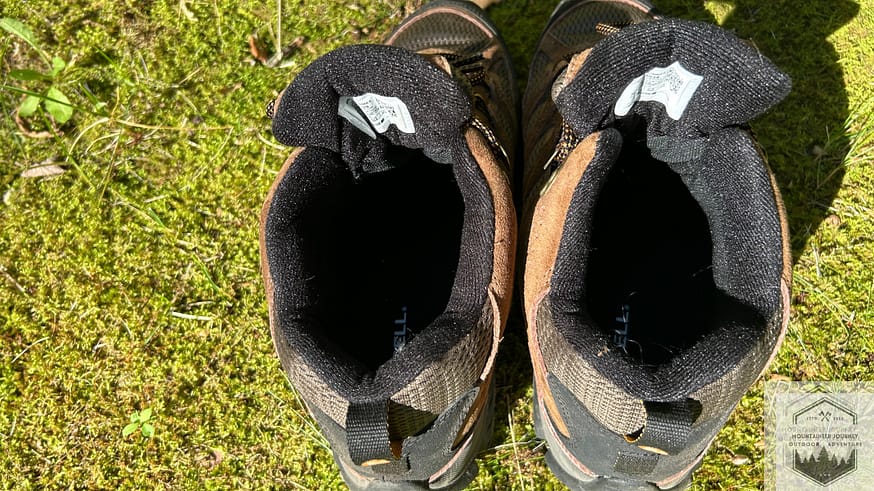
The toe box has a very generous amount of space. If you have wide feet, this is one of your best bets out of all the boots on this list. One concern with the Moab 3 is the heel box. The heel box lacks some padding, which can cause irritation, but not as much as some other models like the Salomon Quest 4.
I was surprised by how comfortable the Moab 3 was, given its low price. This is the top choice for a comfortable hiking boot for those on a budget.
Read More: Merrell Moab 3 Review | WORTH IT in 2026?
5. Salomon X Ultra 5
Pros
- Better Durability
- Soft, Trail-Ready Feel
- Excellent Cushioning & Comfort
- Advanced chassis provides stable lateral support
- Reliable Water Resistance
Cons
- Narrower Fit
Price: $185
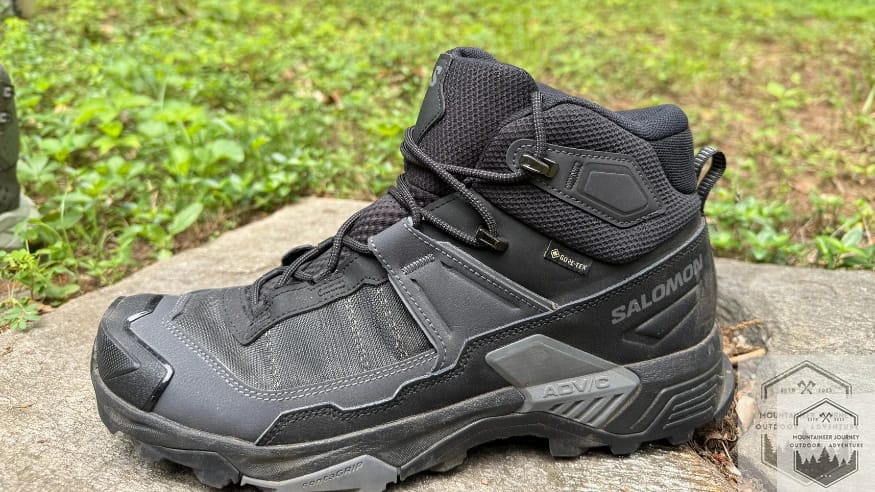
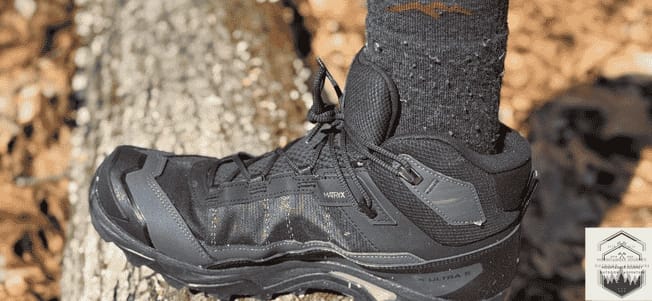
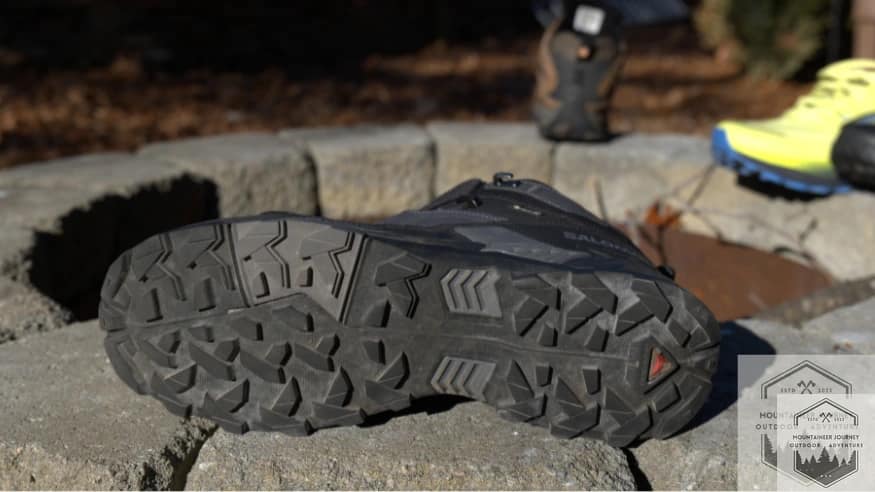
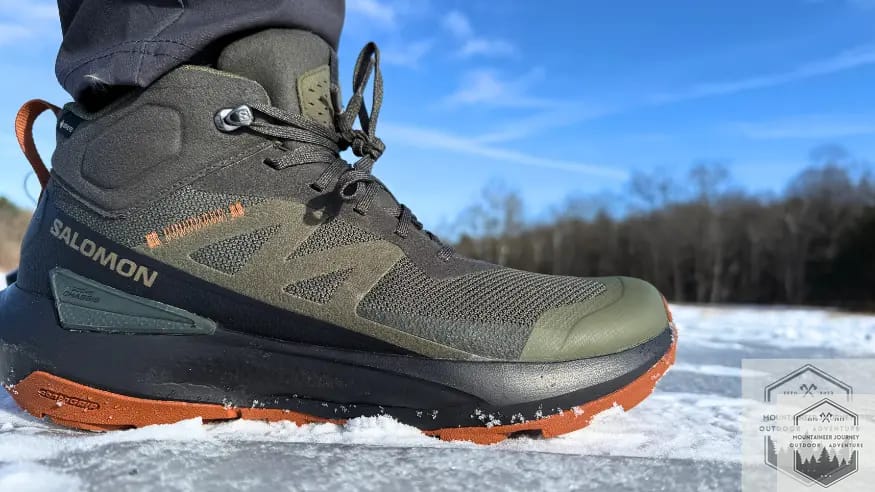
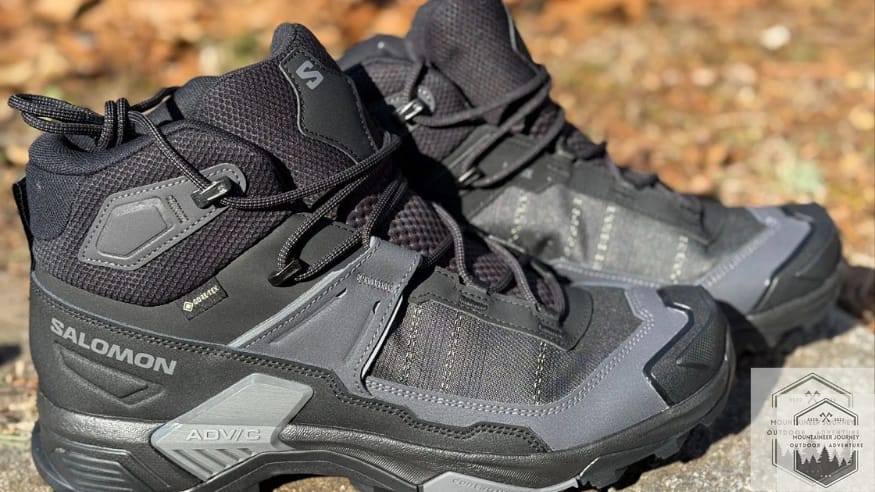
The Salomon X Ultra 5 is a good choice for those looking for a comfortable hiking boot that is lighter, quicker, and very stable. The X Ultra 5 features an Ortholite insole with very good impact absorption. Testing the X Ultra 5 on granite slabs. I felt the midsole did an excellent job of dulling impacts, protecting my joints, and reducing foot fatigue.
The X Ultra 5 is a mid hiking boot but features stability technologies found in heavier backpacking boots. It features SensiFit technology, which cradles your foot within the boot to enhance lockdown, plus active support wings that really aid lateral stability, especially on uneven, technical trails. This is my go-to when I want a lighter backpacking boot that stays comfortable while keeping me locked in and stable.
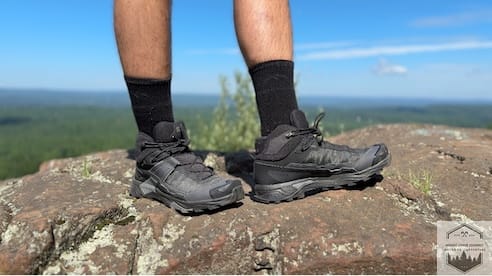
The toe box fits well without any compression; I didn’t have any toe numbness when testing these boots. The tongue is well padded and sits nicely on top of your foot without any lace bite. Padding around the ankle is definitely improved compared to the previous Salomon X Ultra 4.
Overall, we recommend the Salomon X Ultra 5 for those looking for a lightweight, comfortable hiking boot under a $200 budget. While it may not be a max-cushion hiking boot like the top three, it still offers strong impact absorption and stability features you don’t see in a midweight boot.
Read More: Salomon X Ultra 5 Review
How We Rate the Comfort Of A Hiking Boot
When you slip on a hiking boot, you’ll notice the plushness under your foot. This is the insole, which absorbs a lot of impact throughout your hike. If this insole is comfortable and plush, you’re off to a positive start.
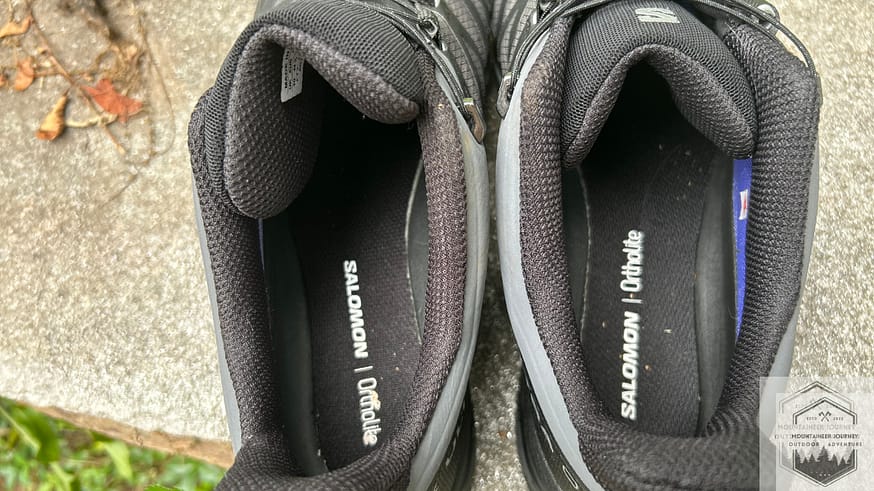
Next, we move to the sock liner, which covers the top of your foot. Many hiking boots, particularly those made of genuine leather, fall short here because they lack comfort.
Sock liners are generally made with PU or nylon. PU tends to be more durable but less comfortable. Next, we move on to the hiking boot’s padding to assess inside comfort. I measure the tongue thickness and note the amount of padding.
I also score the ankle cuff padding and note its thickness. For example, the Salomon Quest has one of the thinnest layers at the ankle cuff, which hurts its comfort rating.
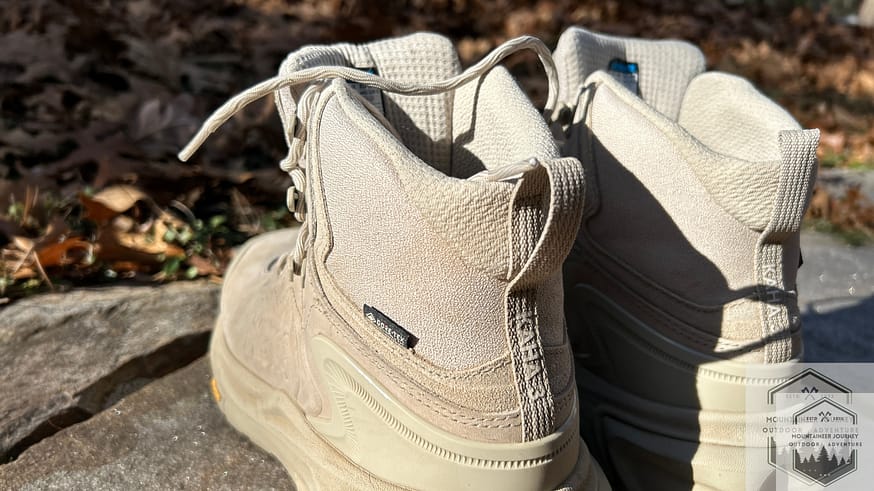
The last objective testing standard I use for comfort is impact absorption. I measure the thickness of the outsole, which is directly proportional to the amount of impact absorption the hiking boot can withstand.
The last part is shock absorption efficiency. I note the difference between the shock absorption of the heel and forefoot.
Our Scoring Breakdown For Measuring Comfort
- Insole Comfort: 40%
- Sock Liner Comfort: 20%
- Overall Padding: 20%
- Impact Absorption: 20%
How We Tested And Our Methodology
When reviewing hiking boots, experience and expertise matter. MountaineerJourney.com is a 100% independent publisher with over 16+ years of experience testing and reviewing outdoor products, especially hiking boots. We use objective testing measures that we’ve refined over 12+ years.
We currently purchase the products we test with our own money and are not paid by any company or manufacturer to influence our opinions or decisions.
Adventure Awaits,
Tyler

Tyler
Tyler is the founder Mountaineer Journey and a professional Mountain Guide with 15+ years of technical experience in trekking, mountaineering, and trail sports. Having logged thousands of miles from rugged alpine summits to urban paths, Tyler provides rigorous, field-tested insights on hiking, walking, and trail running gear. All reviews are 100% unsponsored and unbiased, ensuring you get honest scoring based on real-world performance. His mission is to help outdoor enthusiasts of all levels find reliable equipment that ensures comfort, safety, and performance on any terrain.