Our Score
6 Best Lightweight Hiking Boots for 2026 | Unsponsored
Need the best lightweight hiking boots for your next adventure? We’ve reviewed the top 2026 picks to help you choose the most comfortable, durable, and high-performing boots for your trails.
These ratings are based on our OBJECTIVE testing standards for each hiking boot. As a professional hiking guide with over 16 years of hands-on experience objectively testing hiking boots across a wide range of terrain, I’ve developed a deep understanding of how each boot feels, performs, and holds up in real-world trail conditions.
Editor’s Note: This review was updated on 10/3/26 with new boots, including the Timberland Mount Madison 2.0, La Sportiva Ultra Raptor 3, and Adidas Terrex Free Hiker 3, replacing the Danner Mountain 600, Merrell Moab 3, and Hoka Anacapa Breeze.
Related: Best Men’s Hiking Boots Of 2026, Most Comfortable Hiking Boots Of 2026
Our Best Lightweight Hiking Boots Ranked
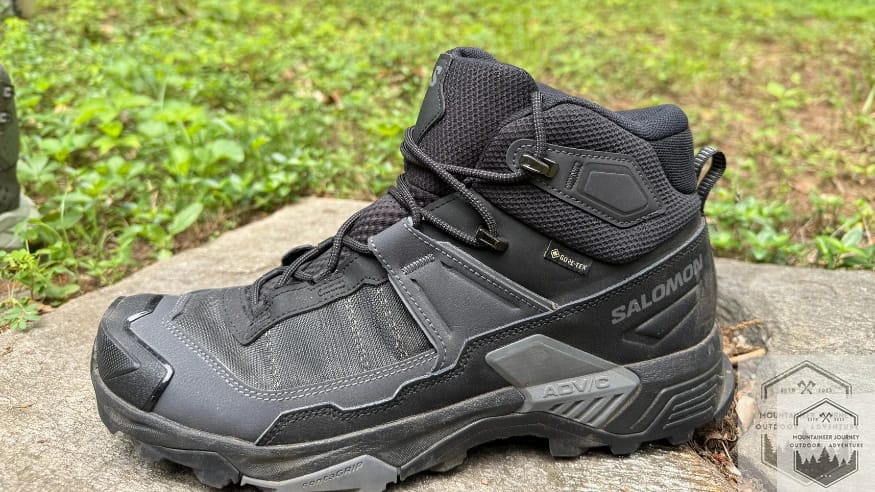
Salomon X Ultra 5 (Best Overall Lightweight Hiking Boot)
Our top-rated lightweight hiking boot of 2026.
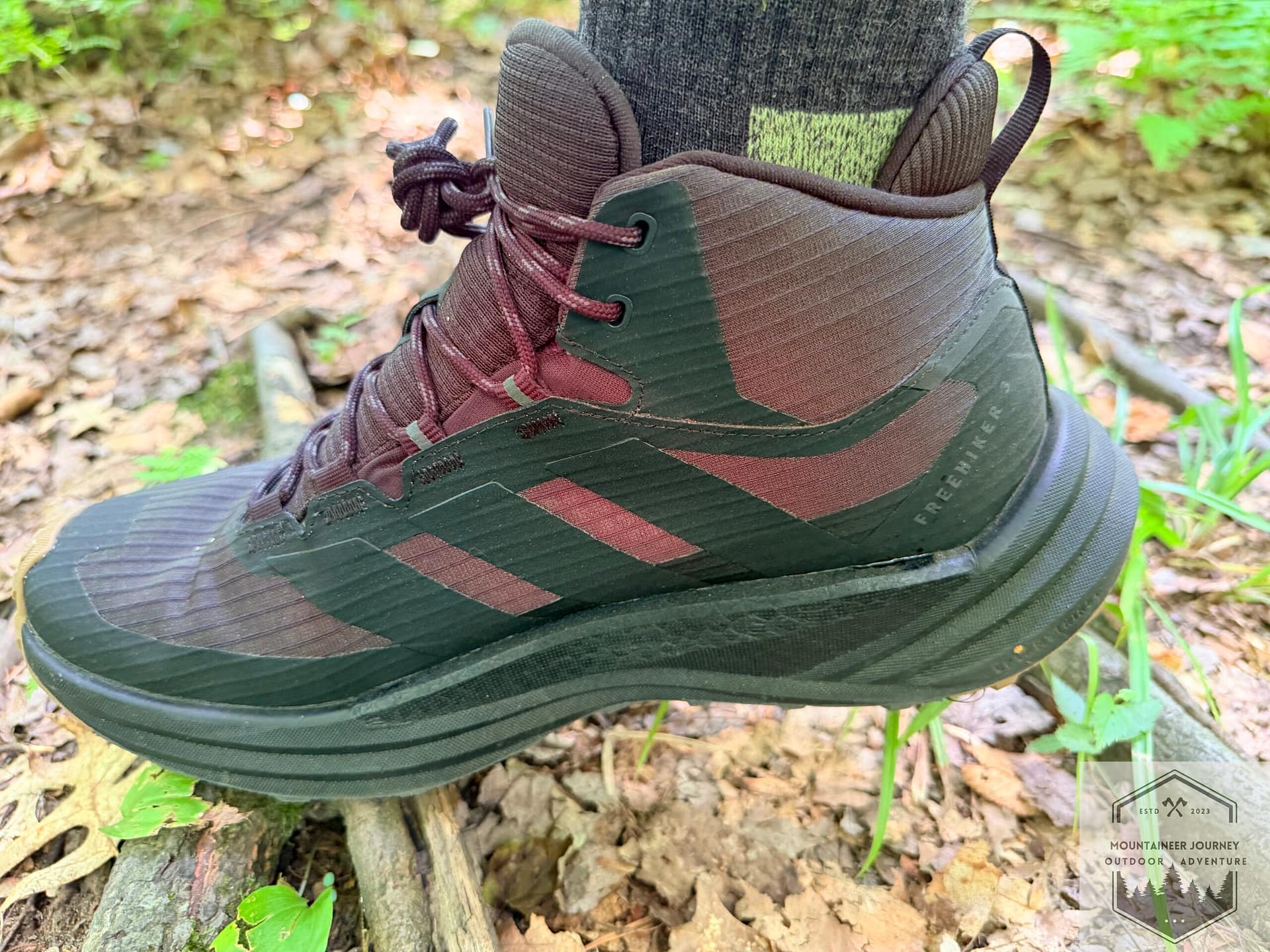
The Terrex Free Hiker 3 is a lightweight, grippy hiking boot with excellent ankle support and top-notch comfort.
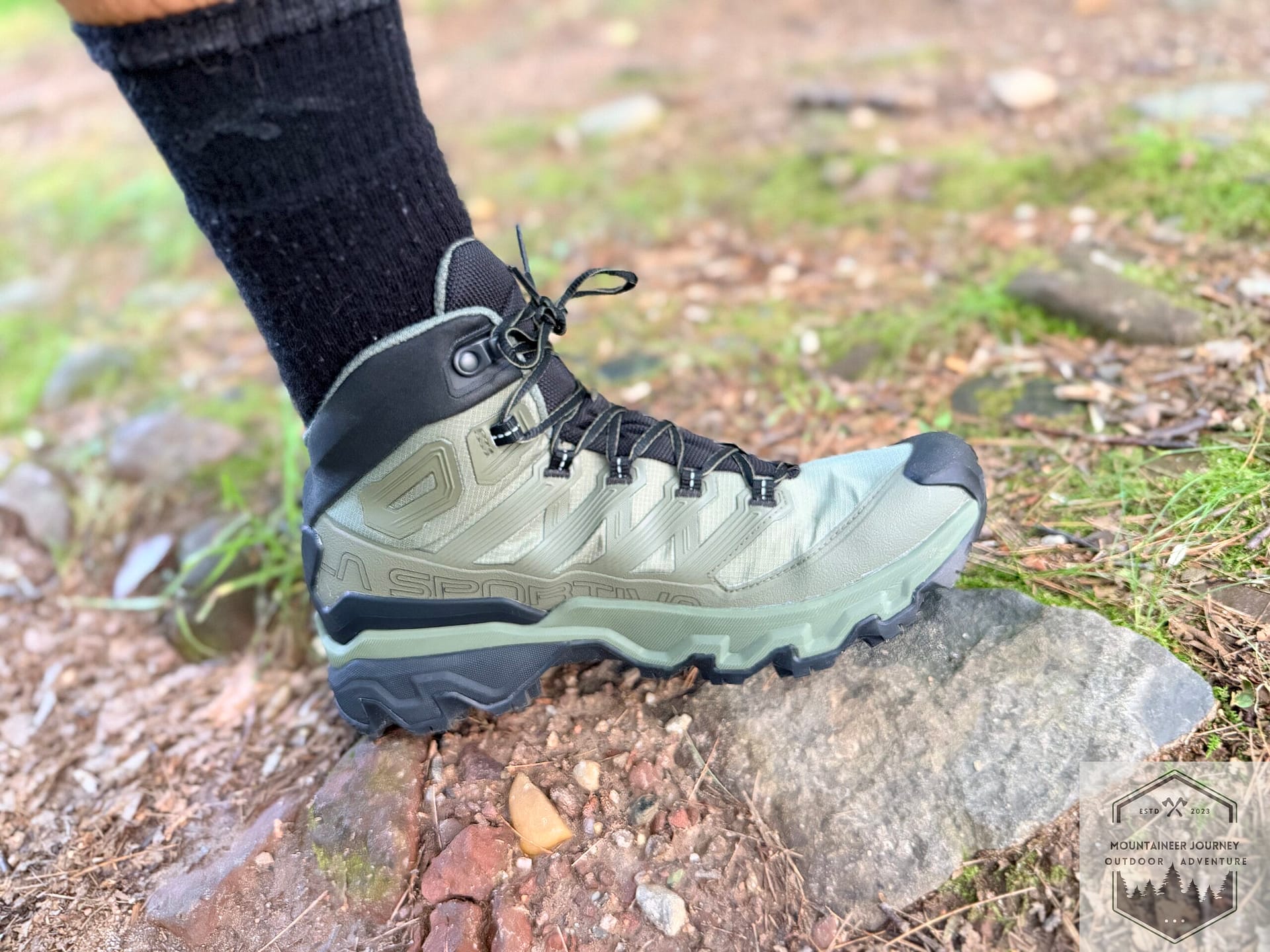
Our best lightweight technical hiking boot of 2026. The Ultra Raptor 3 is made for top-notch stability on rough terrain .
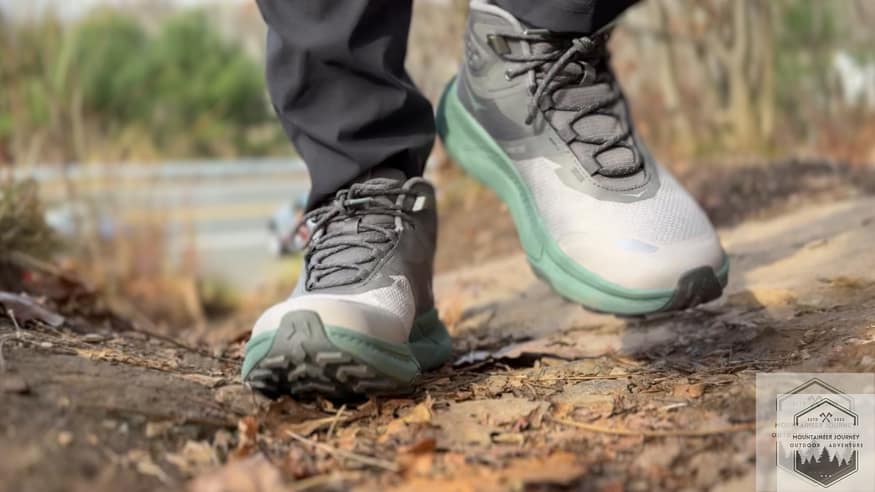
Hoka Transport Hike GTX (Lightest)
Our lightest boot of the entire collection. Ease into each hike with the featherweight and Meta Rocker to roll you forward along the trail.
Lightweight and flexible with good grip and decent stability.
Best lightweight leather hiking boot weighing in at 21 oz per boot with exceptional grip.
As an independent reviewer, I purchase all products myself. Some links may be affiliate links that support the site at no cost to you
Best Overall Lightweight Hiking Boot: Salomon X Ultra 5 GTX
Pros
- Weight 15 ounces
- Stellar support
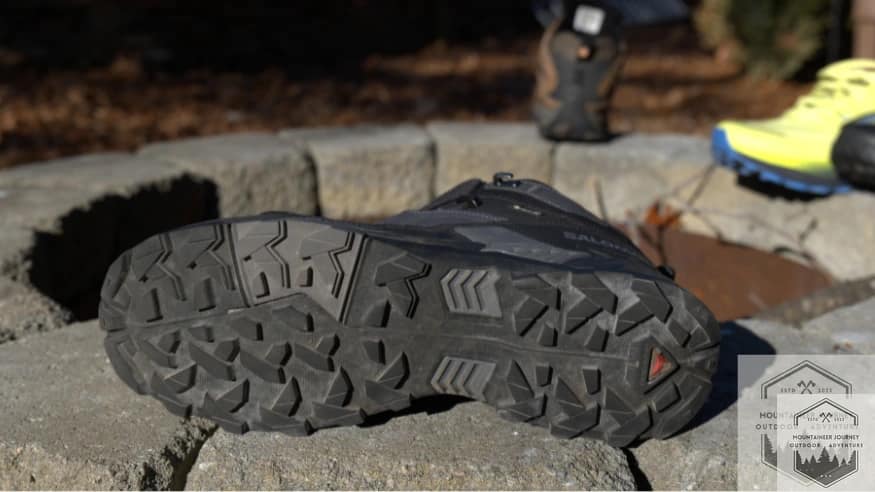
- Impressive Traction
- Price
Cons
- Breathability
- Limited Wide size
Price: $185
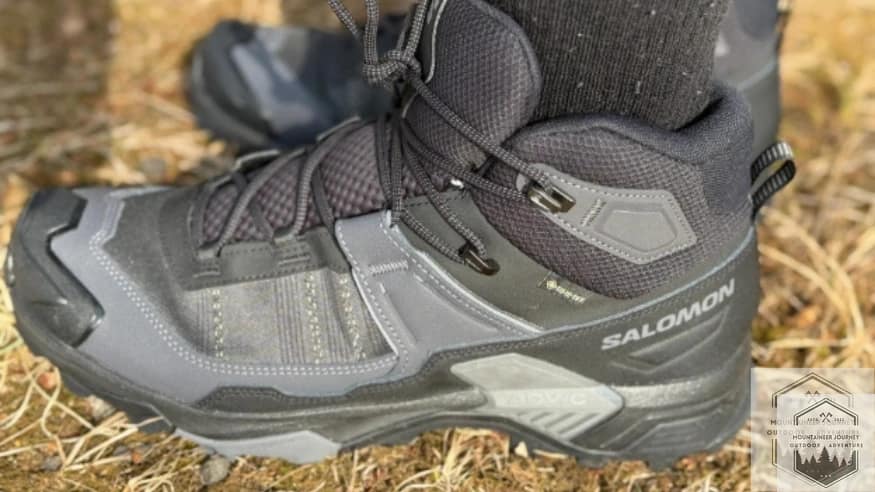
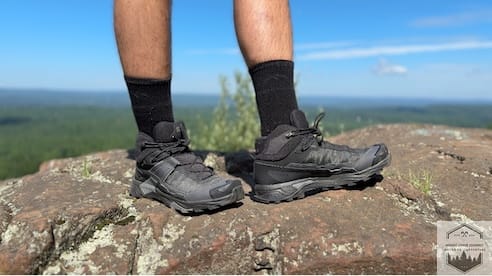
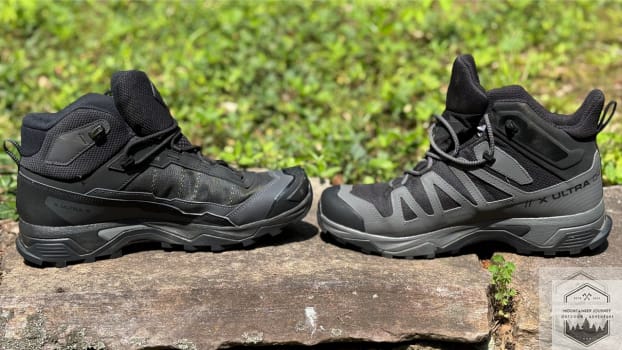
The Salomon X Ultra 5 GTX is our top pick for the best overall lightweight hiking boot. Salomon knocked it out of the park with this boot; they perfected the balance between weight, stability, and performance, so it’s good for everything from technical backpacking to day hiking.
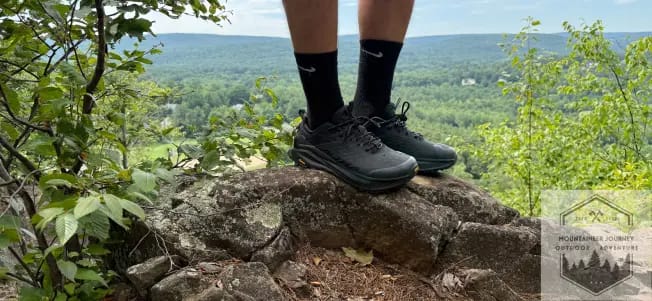
Whether you’re hiking through technical terrain or just out for a day hike, the X Ultra 5 has you covered. Personally, I tested them on some of the toughest trails Connecticut and Massachusetts have to offer, and they outperformed my expectations.
The X Ultra 5 really excelled on tough, rocky descents on limestone and sandstone. The outsole is much stiffer than the previous model. However, it still conforms well to the surface, especially on boulder fields and rock scrambles. The active support wings, along with the Sensifit technology, really lock in the boot’s stability. My feet felt locked down with zero internal movement during our testing period.
For waterproofing, the X Ultra 5 GTX has a Gore-Tex lining that is waterproof but still lets moisture escape. So your feet stay dry in wet conditions without compromising breathability.
The boot also has more PU leather in the construction, along with the new carbon-fiber Matryx upper. The new upper adds a “ruggedness” to the boot that it was missing with the previous model; this also added that further “lockdown” feeling.
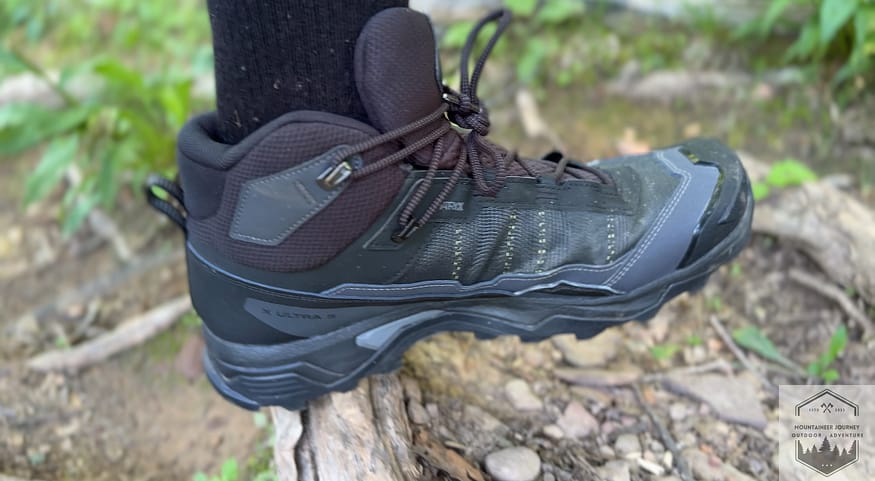
Despite being a robust boot, it’s still very lightweight at only 15.91 ounces. This is one of the better-constructed boots in recent years. Salomon kept the weight down while improving stability and traction, which had been drawbacks of previous X Ultra 5 models. Priced at $185, the Salomon X Ultra 5 GTX is excellent value for the performance and upgraded tech specs.
Read Our Review: Salomon X Ultra 5 Review
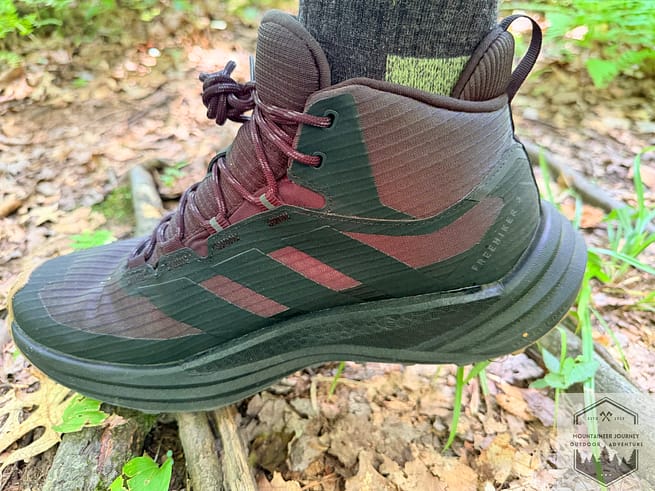
2. Adidas Terrex Free Hiker 3
Pros
- Excellent Ankle Support
- Very well cushioned
- Adidas Boost Impact Absorption
- 14 oz per pair
Cons
- Toe Bumper
- Runs slightly warm for summer hiking
- Price
Price: $200
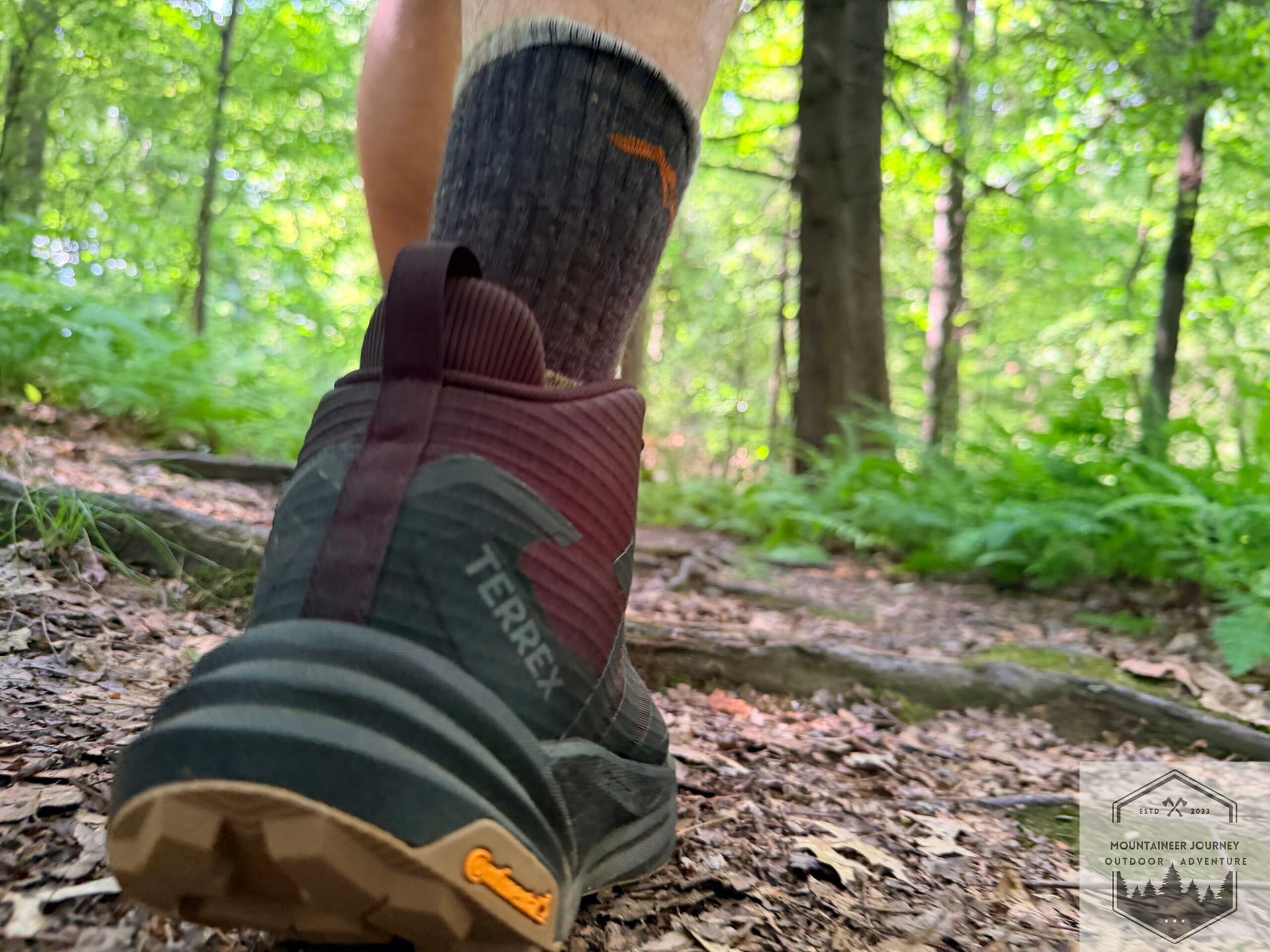
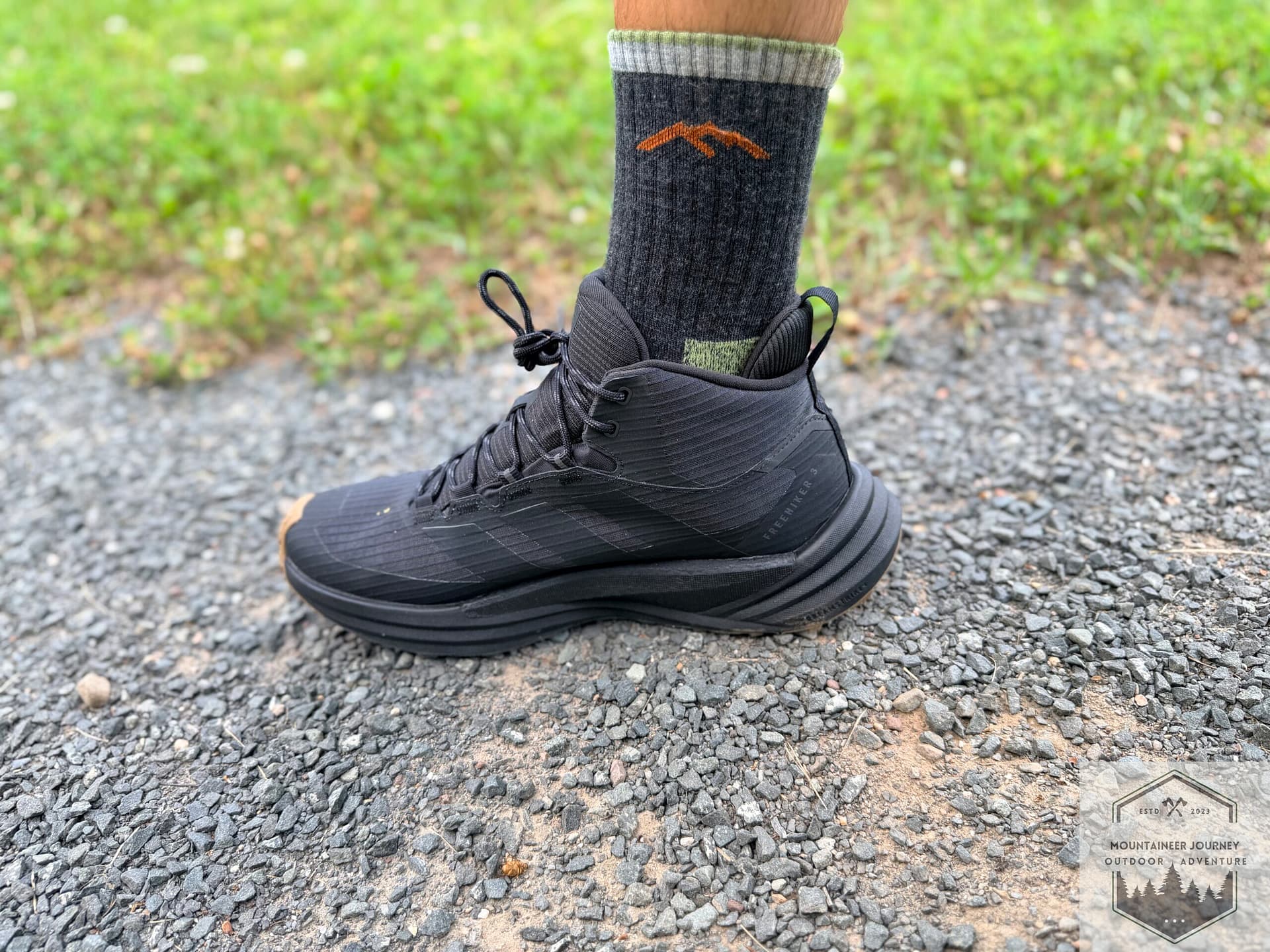
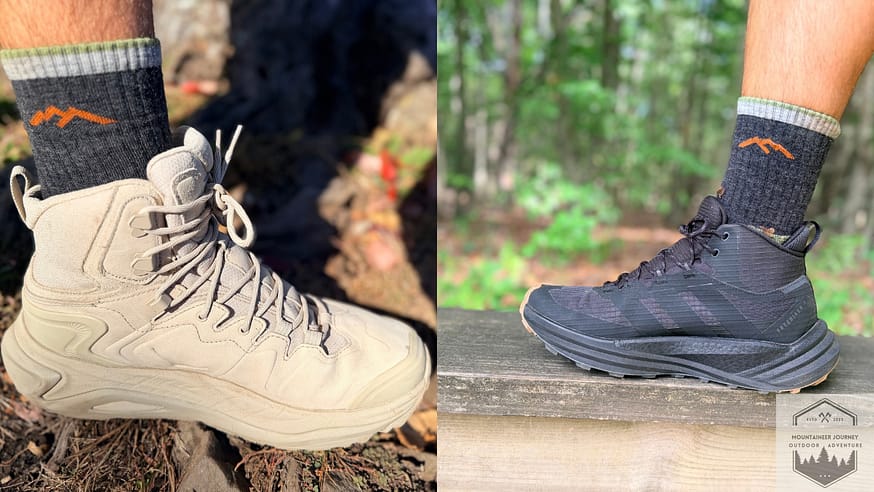
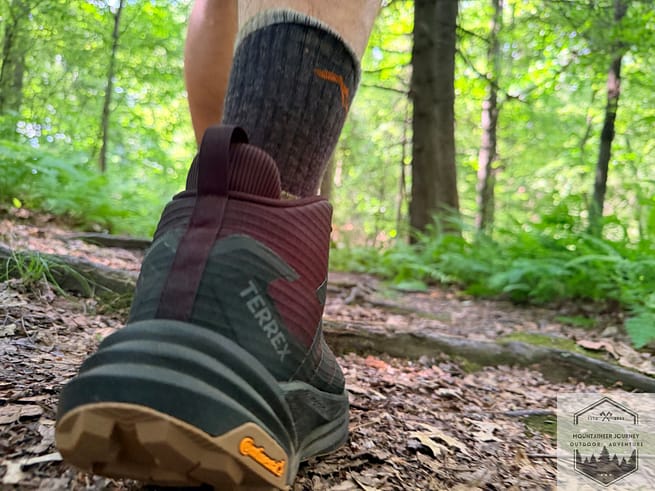
The Adidas Terrex Freehiker 3 weighs extremely light, less than 15 oz per pair. While this is lighter than the Salomon X Ultra 5, they still feel quite blocky on foot, given the substantial 41 mm heel stack. The impact absorption of the Terrex Free Hiker 3 is top-notch out of all the hiking boots in this list. If you want incredible footbed comfort, this should be at the top of your list.
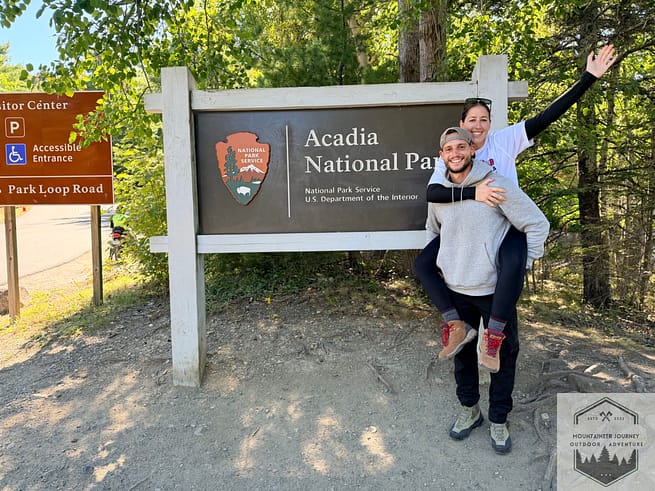
I tested the Terrex Free Hiker on granite slabs in Acadia National Park, and I was very impressed by the midsole’s anti-foot-fatigue support. The continental outsole has 5 mm lugs with a double chevron on the medial and lateral edges that really help with sidehilling and holding an edge on technical trails. The Gore-Tex liner did an excellent job of maintaining waterproofness during our 10-minute immersion test and multiple crossing experiments.
The upper of the Terrex Freehiker 3 does an impressive job of keeping your foot locked down, especially on technical trails. The ankle stability is also pretty good, although I didn’t get as much coverage compared to higher-over-the-ankle hiking boots like the Hoka Kaha 3.
I recommend the Adidas Terrex Free Hiker 3 for those looking for a very comfortable technical hiking boot that is also extremely lightweight. This is a perfect fit for hikers willing to pay the price. I don’t recommend this one if you want a nimble, narrow boot or a traditional leather boot.
Read Our Review: Adidas Terrex Free Hiker 3 Review
3. La Sportiva Ultra Raptor 3
Pros
- Excellent technical trail performance
- Durable construction and materials
- Secure, glove-like fit
- 16 ounces per boot
Cons
- Narrow fit for wide feet
- Less arch support
- Narrow Base
Price: $200
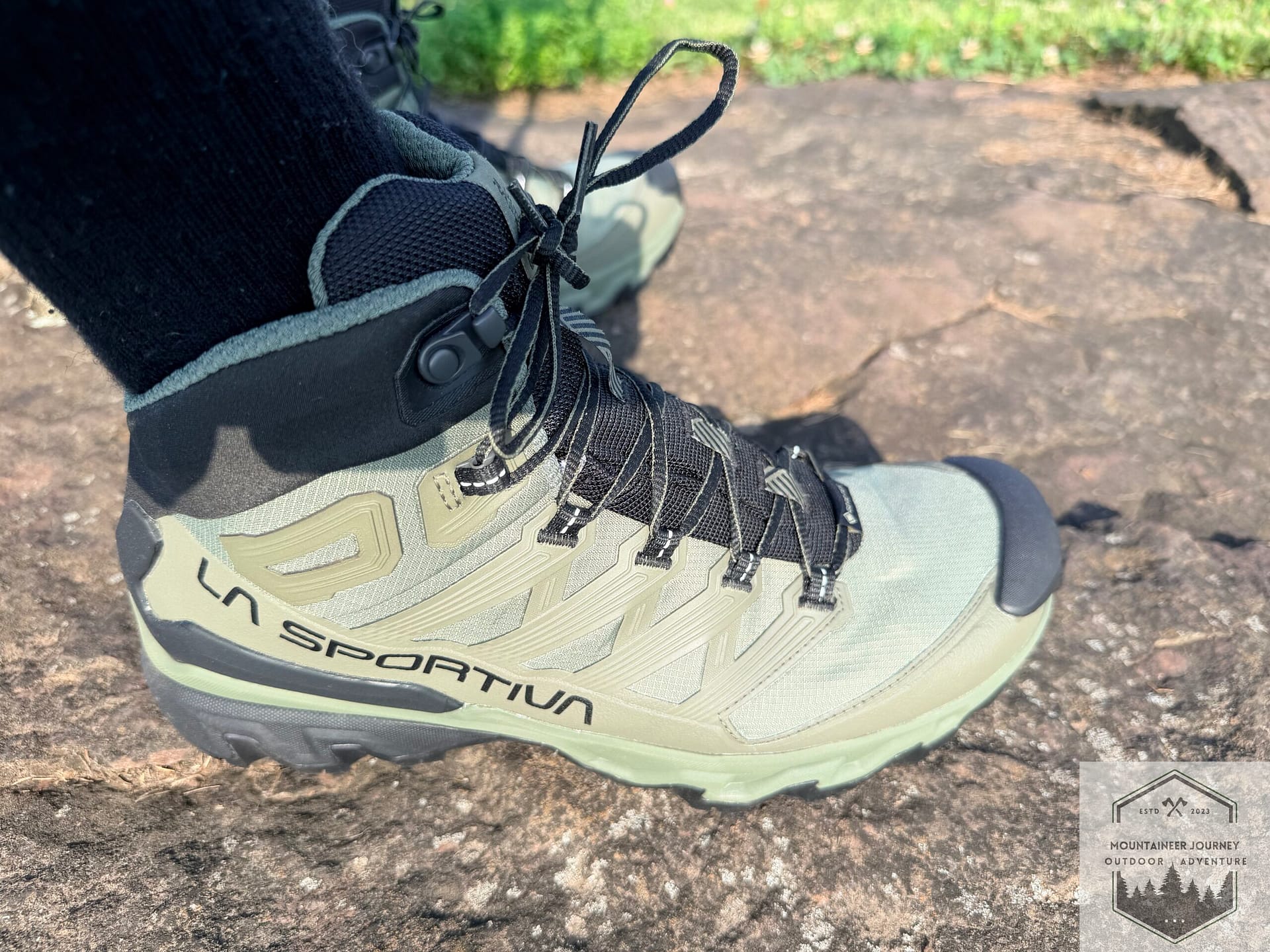
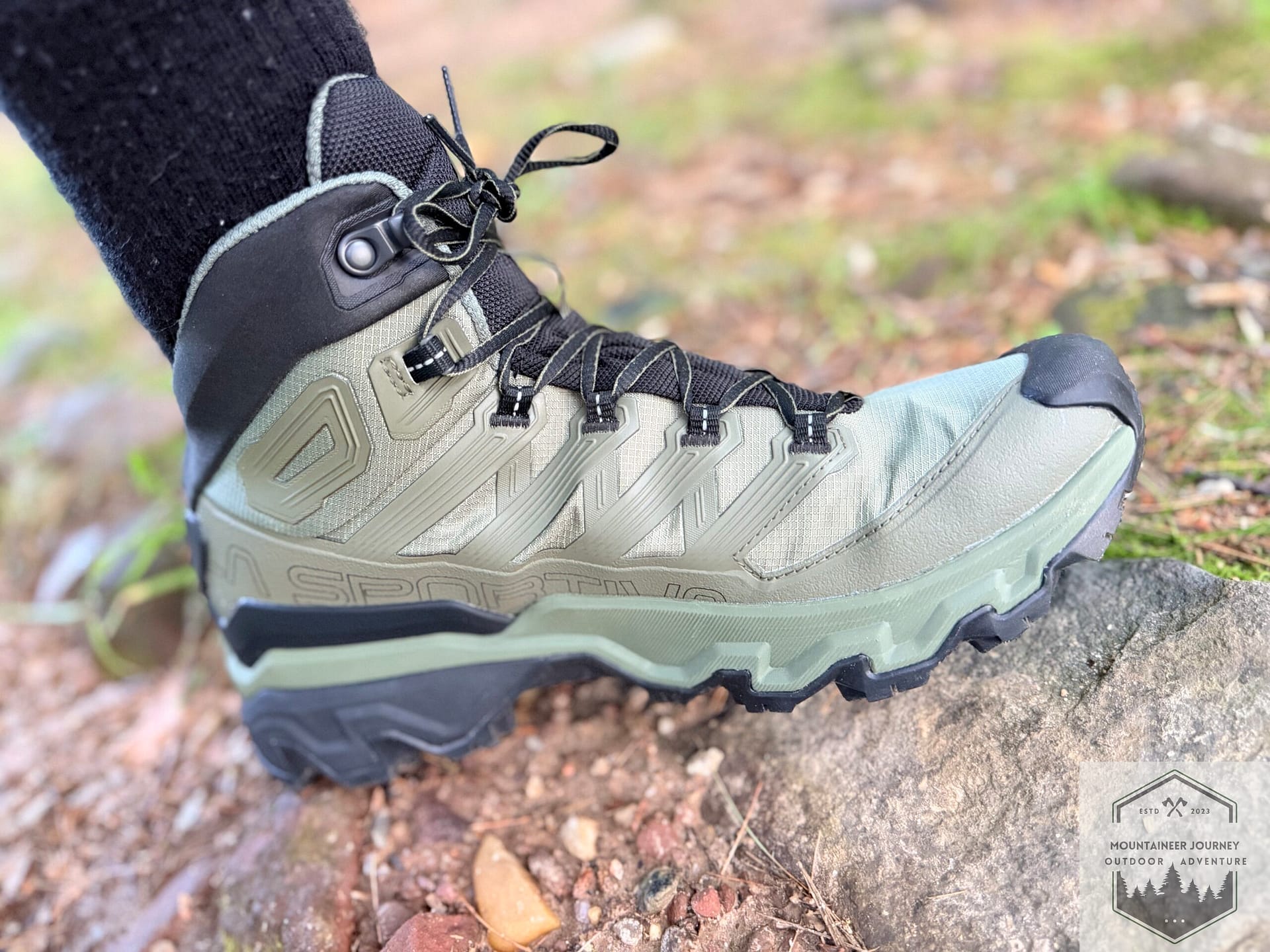
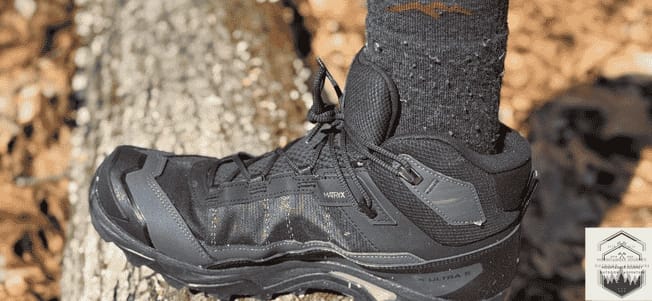
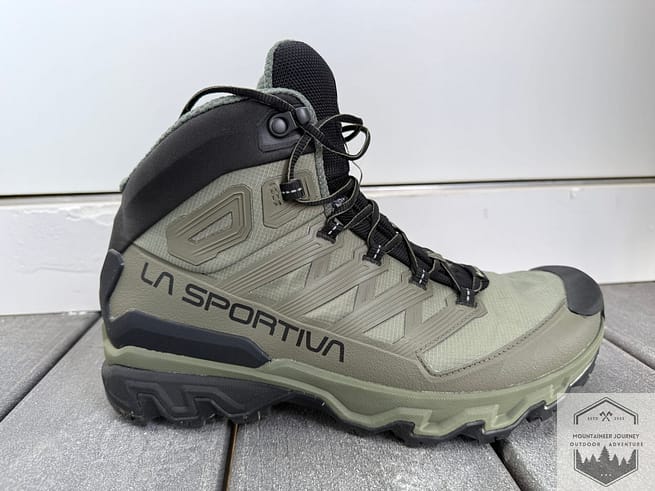
The La Sportiva Ultra Raptor 3 is our favorite pick for hikers looking for a lightweight technical trail boot. Weighing only 16 oz per boot, they feel extremely lightweight and agile for quick scrambles and tough terrain.
Measure the legs at 4 mm. They’re equipped with the FriXion XF 2.0 outsole, which is very similar to the Contagrip on the Salomon Quest 5’s. I tested them on limestone, granite, shale, and mud. The grip is very effective, and the heel of the boot is quite stiff, which helps when adding extra weight for backpacking.
The external TPU heel stabilizer creates a rear-foot platform that resists lateral roll. On sidehill traverses and uneven terrain, I felt zero ankle instability-my foot stayed locked in the boot. One of the bigger upgrades is the boot’s forefoot flexibility, which lets it conform to uneven surfaces and add extra grip where needed.
One downside is that this hiking boot runs quite narrow, especially in the midfoot. This is not for wide-footed hikers at all. I’d also stay away from this boot if you want top-tier comfort, as the footbed is comfortable but not as plush as the Hoka models.
Read Our Review: La Sportiva Ultra Raptor 3 Review
4. Hoka Transport Hike GTX
Pros
- Good Comfort
- High-Riding Ankle Support
- Durable Cordura Upper
- Waterproofness
- Weight
Cons
- Price compared to value
- Limitations on technical trails
Price: $190
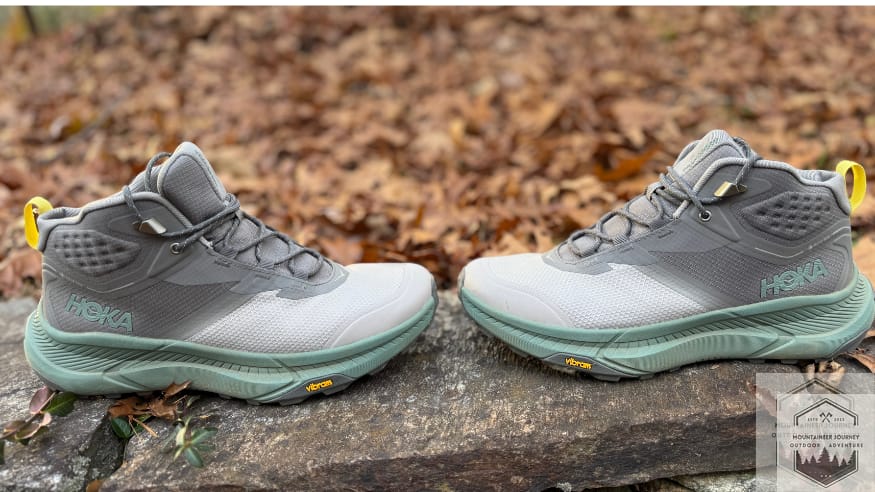
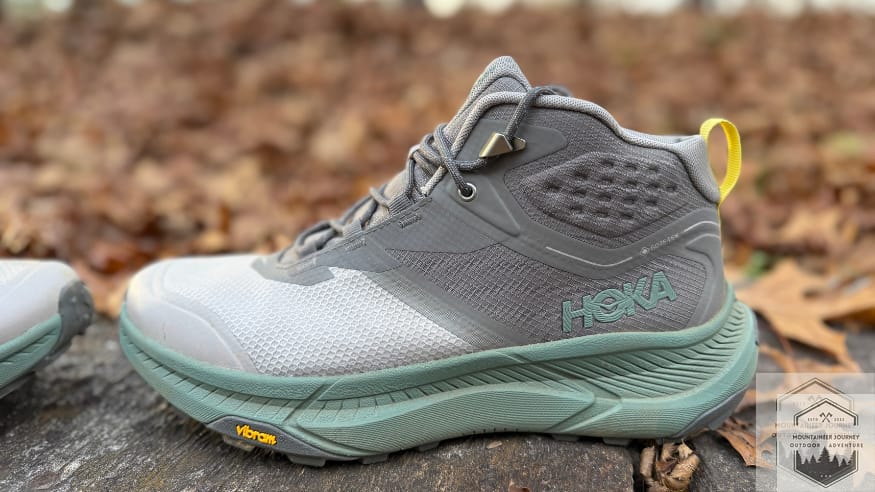
The Hoka Transport Hike GTX is a lightweight winner at 14.5 ounces for a men’s 10.5. To put that in perspective, it’s 70% lighter than the heavy-duty Salomon Quest 4. If you’re a hiker who suffers from foot fatigue, this is a very enticing option.
However, you need to be aware that just because it has the Hoka brand doesn’t mean it is a maximalist-cushion hiking boot. It is actually quite the opposite. I measured the heel stack at 34 mm, which is much lower than the Kaha 3 or Anacapa 2. Given the lower stack height, the impact absorption isn’t as substantial as that of other Hoka hiking boots in its class.
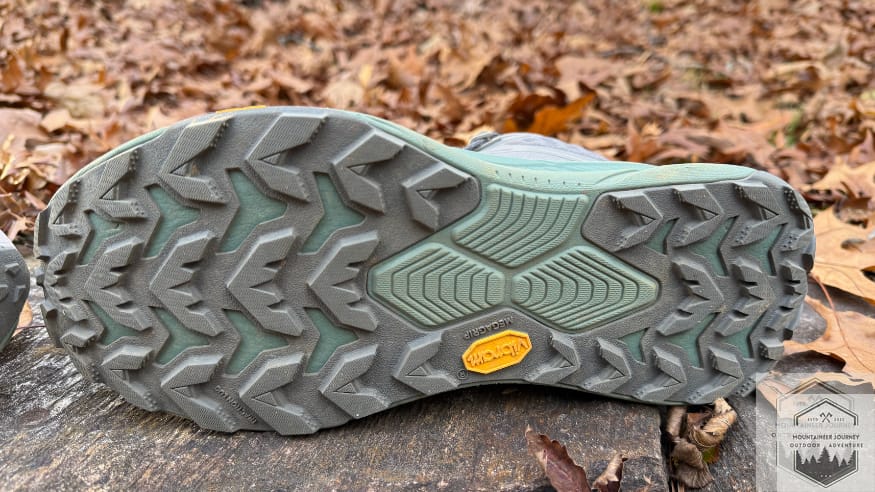
However, the professional-grade Vibram Megagrip outsole with 4mm lugs handles steep shale and wet limestone with ease during my testing. As a “town-to-trail” hybrid, this boot excels on moderate terrain and looks sleek enough for everyday wear.
One downside is performance on technical trails. While these aren’t rugged hiking boots, I wouldn’t use them on technical trails, as the stability of the Cordura upper doesn’t match that of rugged leather hiking boots.
If you’re a weekend warrior or commuter looking for a versatile, waterproof boot that won’t weigh you down, the Transport Hike GTX is worth the investment.
Read Our Review: Hoka Transport Hike GTX Review
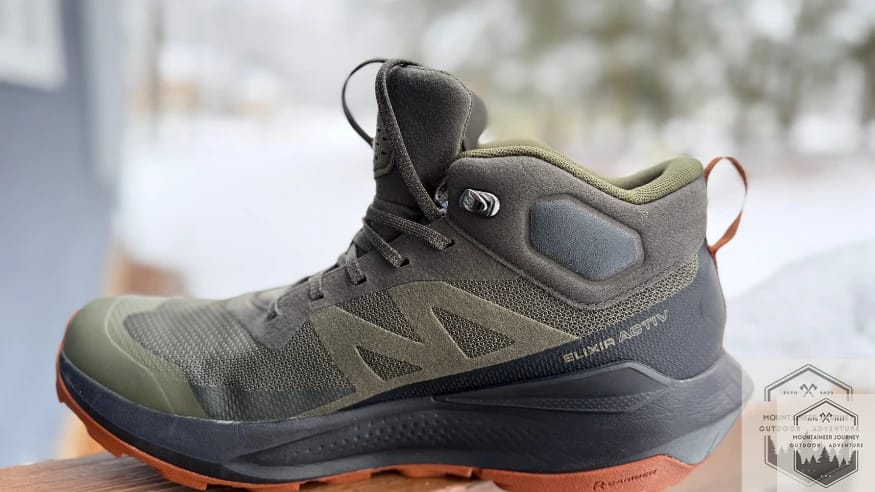
5. Salomon Elixir Activ
Pros
- Extremely Lightweight
- Top Comfort
- Reverse Camber rocker
- Breathability
Cons
- Narrow Fit
- Friable Synthetic Materials
Price: $127
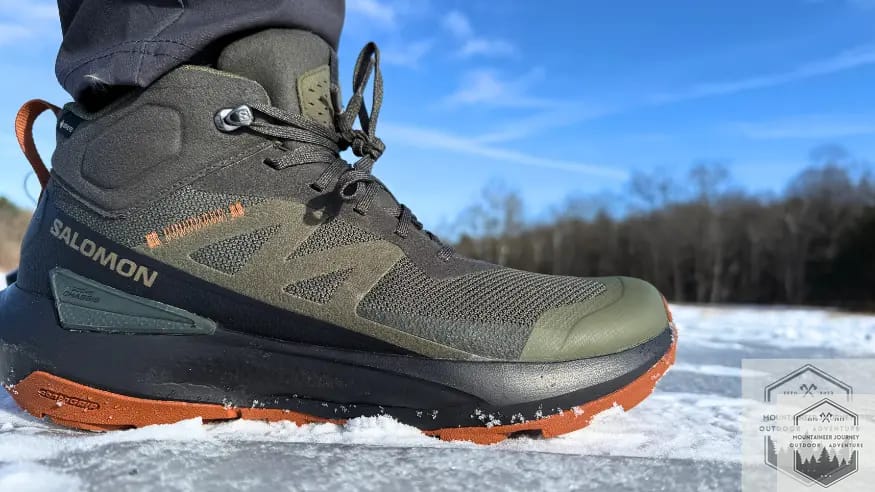
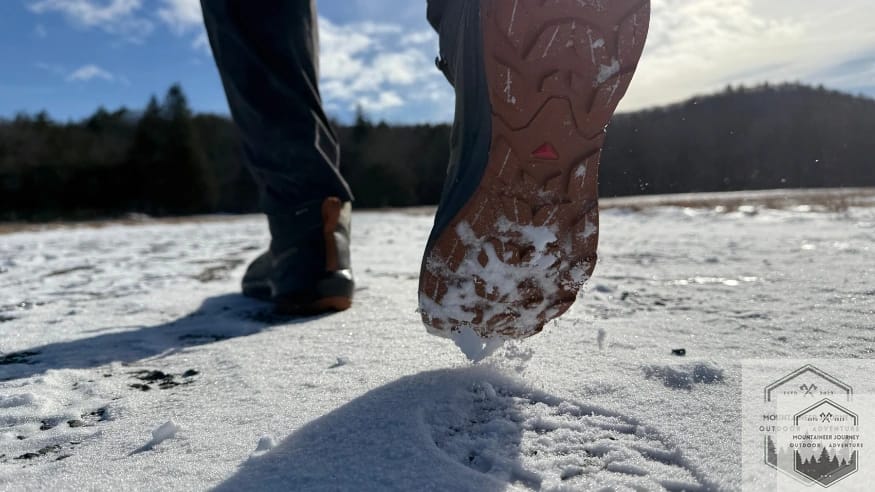
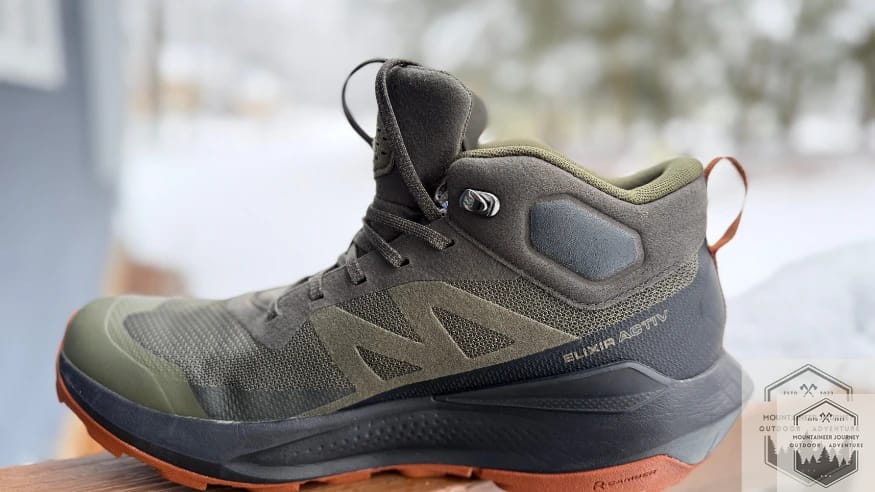
The Salomon Elixir Activ ranks #3 on our list. Weighing only 14.4 oz per boot, it is easily one of the lightest we have tested to date. The Elixir Activ is an extremely flexible and agile hiking boot. They feature a reverse-camber, rockered sole that adds heel-to-toe transition, making the boots feel even more lightweight on the ground.
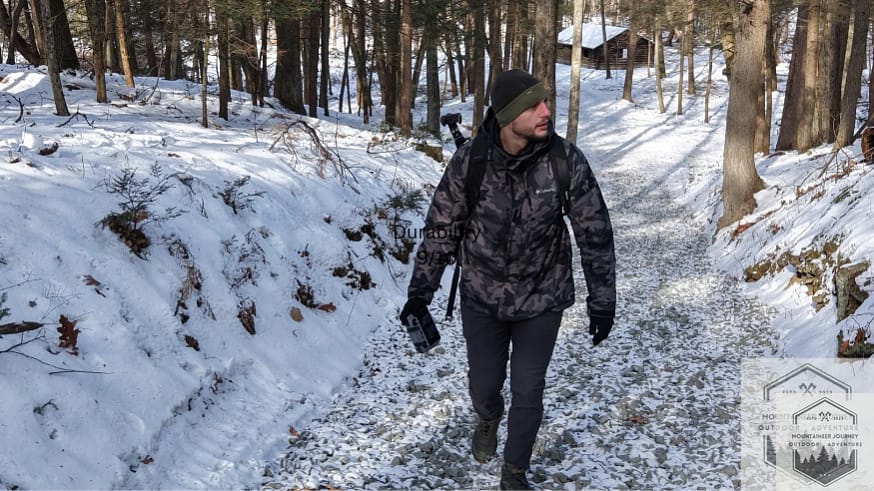
I hiked at my fastest pace on every hike while testing the Elixir Activ. The speed was comparable to the Merrell Moab Speed 2 (one of the lighter hiking shoes on the market). This boot also features Sensi-fit technology, just like the X Ultra 5, along with an advanced chassis to enhance stability on the trail.
The superficial lugs do a very good job on even terrain. However, once you get into loose gravel or loose cinder, the lugs are not deep enough to bite well into these types of terrain. You really have to rely on proper foot placement and trail feedback rather than the boot itself.
The Elixir Activ has some downsides, including a narrow fit, particularly in the midfoot. Durability is also a concern, as the welded synthetic materials tend to wear out much faster than traditional stitched leather boots.
Nonetheless, this boot is ideal for hikers who want fast, agile performance without losing structured support and grip.
Read Our Review: Salomon Elixir Activ Review
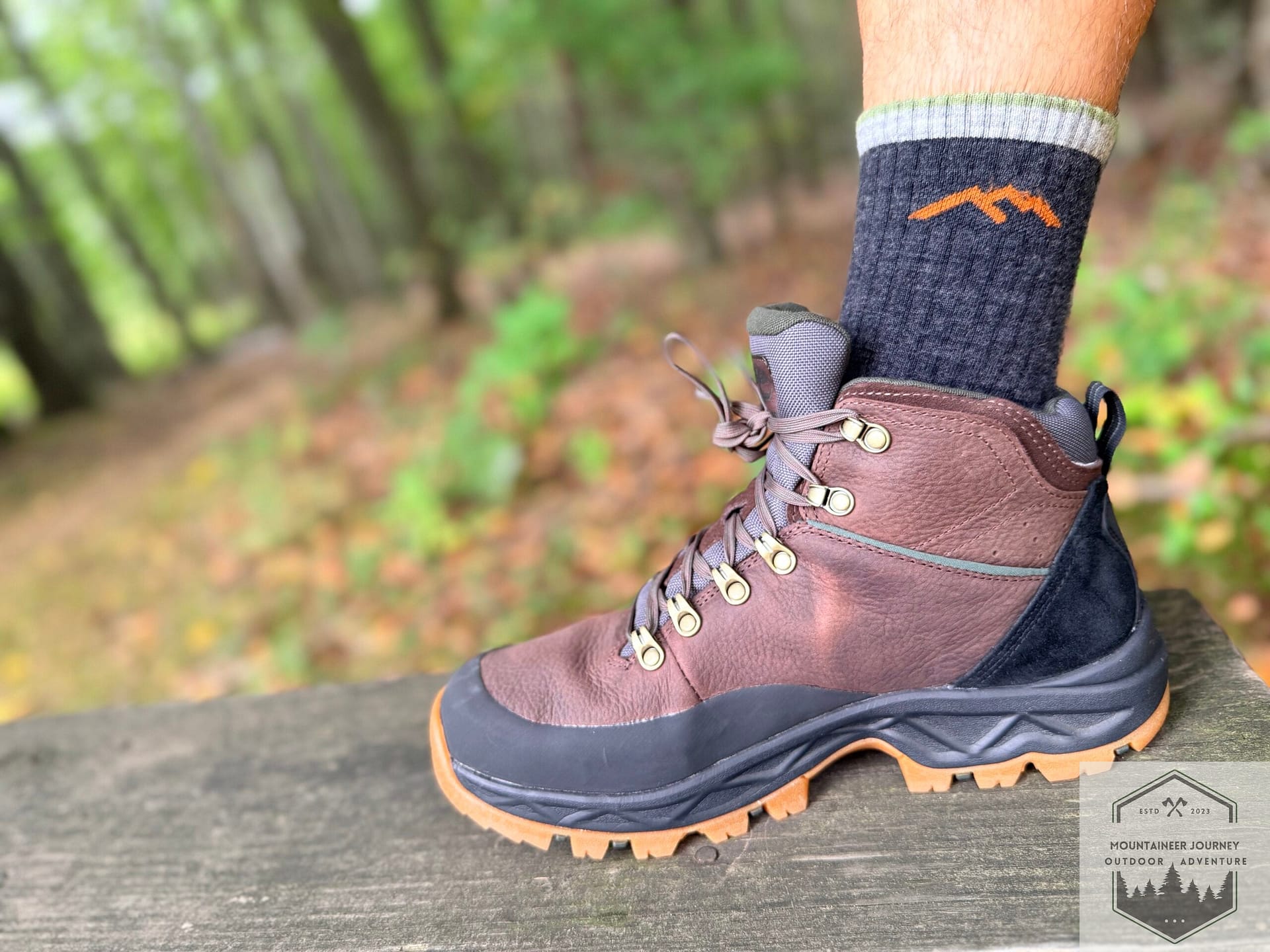
Best Lightweight Leather Hiking Boots: Timberland Mt. Maddsen 2.0
Pros
- Full-grain leather uppers
- Traditionally stitched leather
- Outstanding ankle support
- Chunky lugs
Cons
- Firm underfoot
- Leather drying time
Price: $160
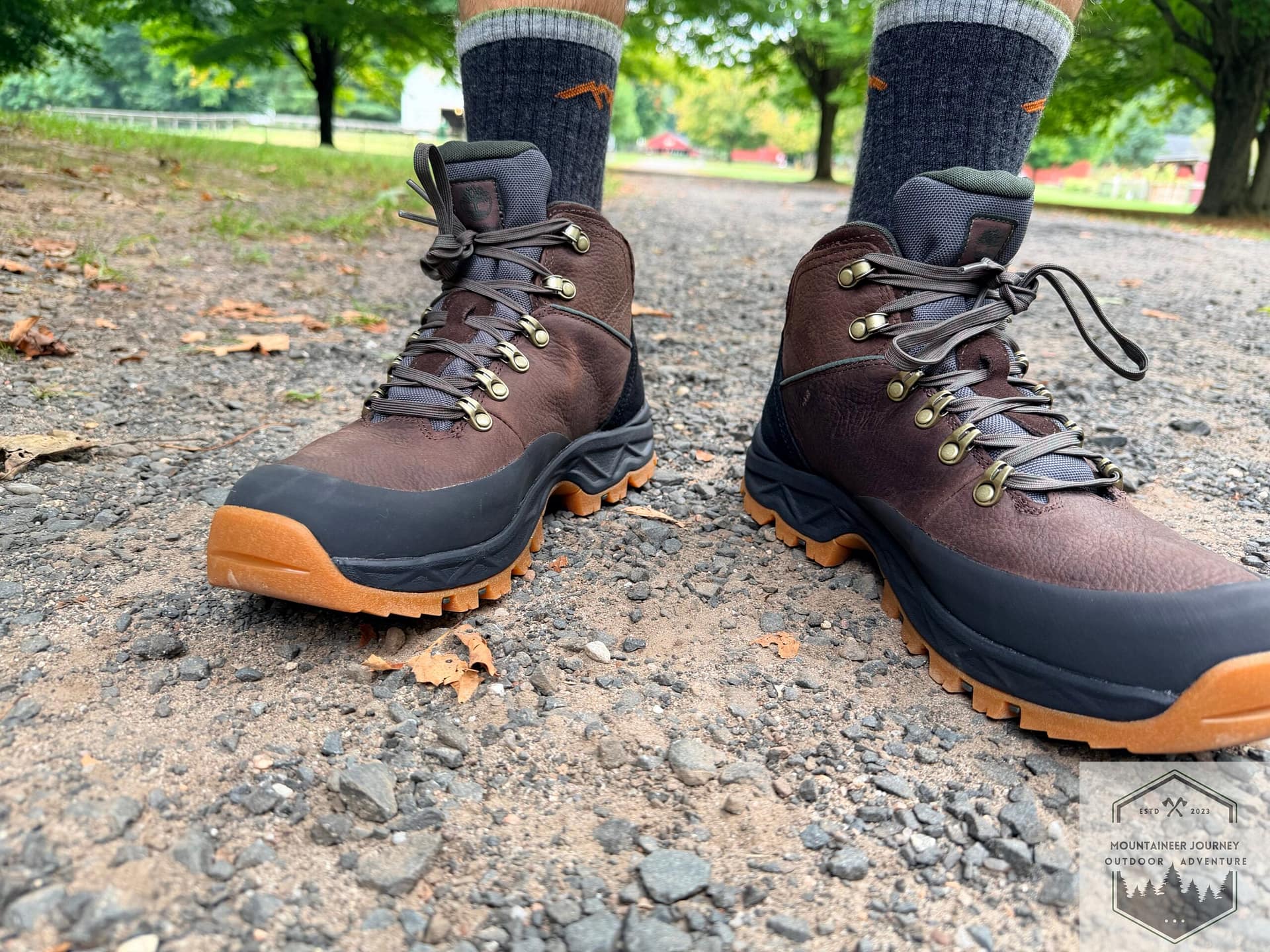
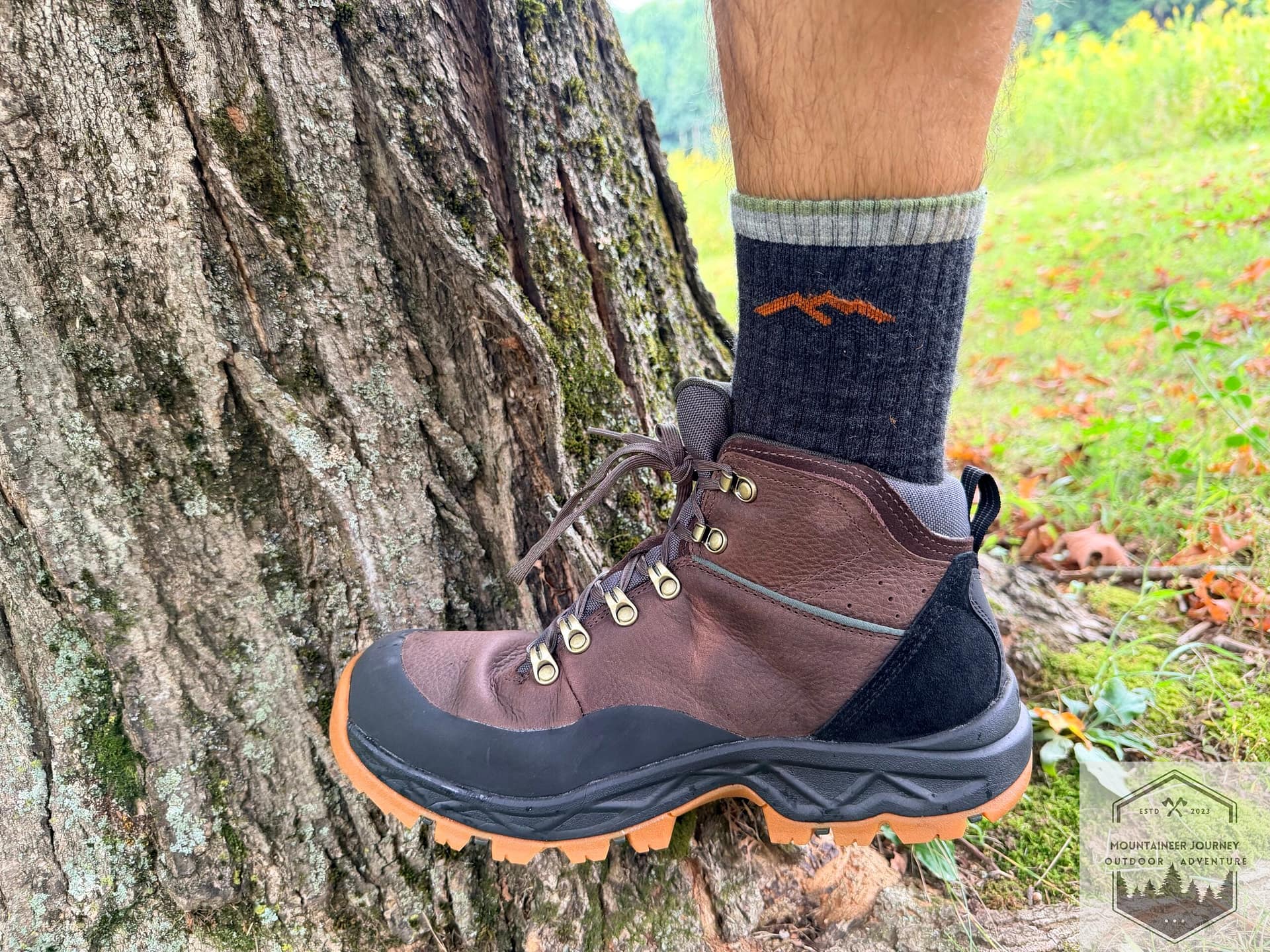
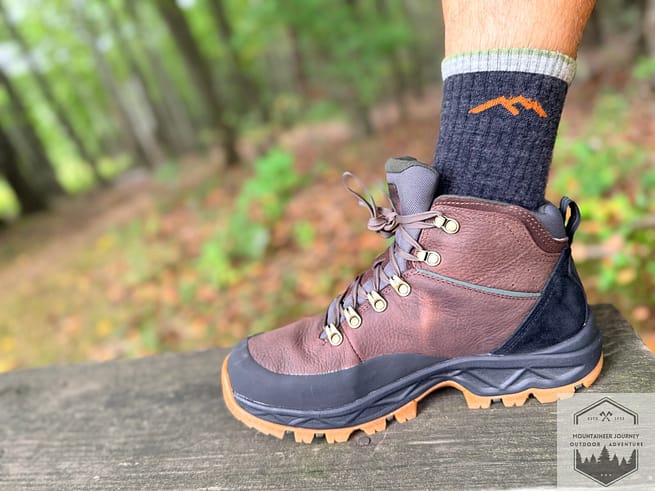
Timberland Mt. Maddsen 2.0 is a newer release in 2026. The previous model was on our list for best budget hiking boots. They hiked the price up to $160 (the Original model was $110). Weighing 21 oz per boot, these are on the heavier side for our lightweight boots. However, for those looking for a premium leather hiking boot, this is one of the lightest we have tested.
This replaces our Danner Mountain 600, which weighed in at 27 oz. On foot, the Timberland Mt. Maddsen 2.0 has extremely chunky lugs that grip rough terrain and uneven trails. The anti-foot-fatigue EVA insoles do a good job of reducing the heaviness some people may feel after a longer trail day. Impact absorption is good but not excellent.
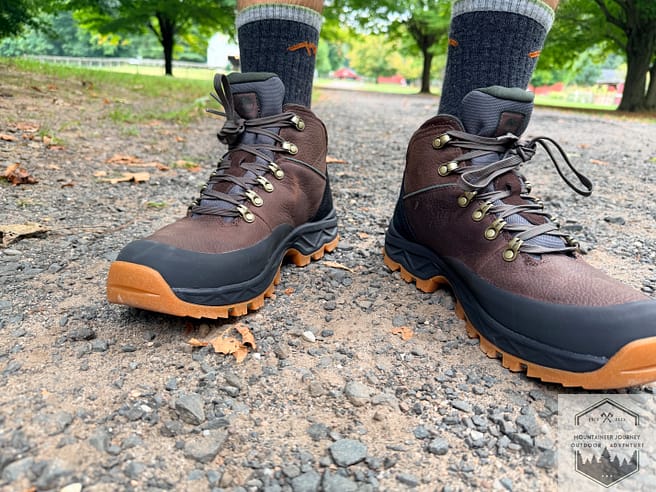
Overall protection is a huge strength of the Mt. Maddsen 2.0. They feature a fully rubberized rand that runs from the toe box to the midfoot for protection. The toe box also has an extremely robust bumper for root kicks. The double-stitched leather has held up extremely well during our durability testing.
Ankle support is strong. The collar rises high enough to resist lateral rolling when traversing boulder fields, and the leather structure holds its shape under load. Overall, I recommend the Timberland Mt. Madison 2.0 for hikers looking for a premium leather boot with excellent durability and a still-lightweight profile. Avoid the Mt. Madison 2.0 if you prefer synthetic, lighter hiking boots with a more nimble profile.
Read Our Review: Timberland Mt. Maddsen 2.0 Review
Key Features to Consider in Lightweight Hiking Boots
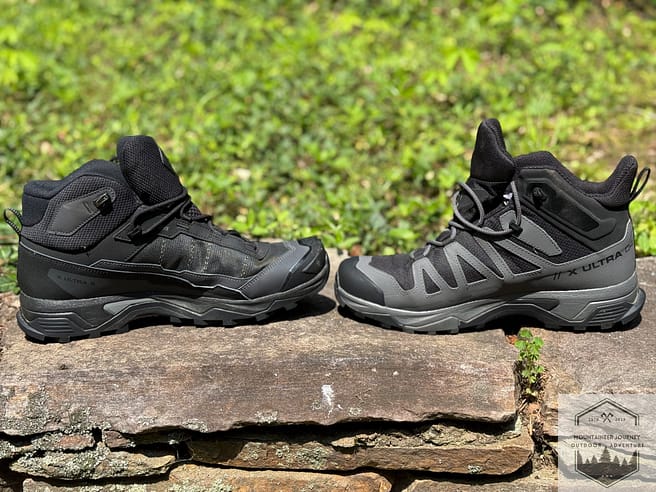
Important features to consider when choosing hiking boots:
- Weight: lighter boots reduce fatigue and make hiking more enjoyable.
- Materials: affect the durability and weight of the boots.
- Waterproofing: essential to keep your feet dry in wet conditions.
- Fit and comfort: so you can hike for extended periods without discomfort.
These features form the basis of our objective rating system for ranking the best lightweight boots for you.
Weight
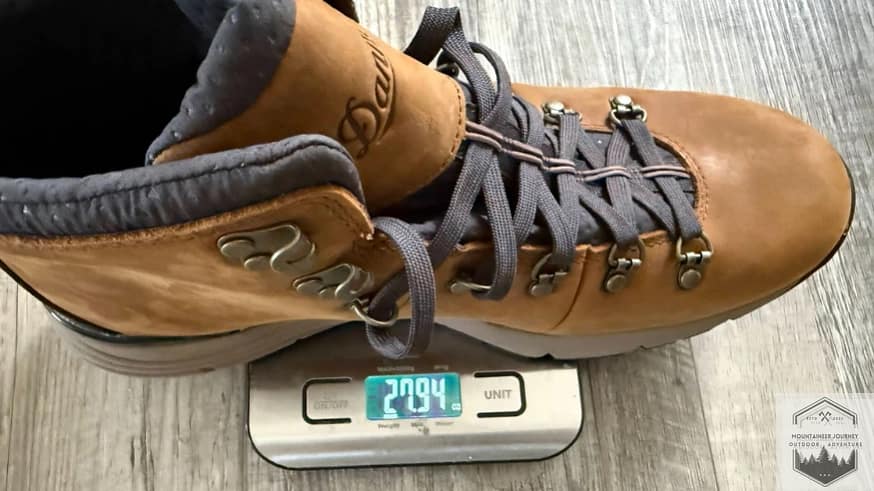
Boot weight plays a big role in overall performance and comfort. Lighter construction reduces fatigue; you can hike longer distances with less effort. Boots like Salomon X Ultra 5 are designed to be light, making you faster and more agile on the trail.
For optimal performance, hiking boots should weigh less than 2 pounds (per boot). This weight range means you won’t feel weighed down. Lighter boots like the Ultra Raptor 3 are designed to be light and agile, perfect for fast hiking for lightweight hikers.
Choosing lighter boots makes a big difference, especially when carrying heavy packs or a heavier pack. Less weight helps prevent fatigue and lets you cover more ground comfortably.
Materials
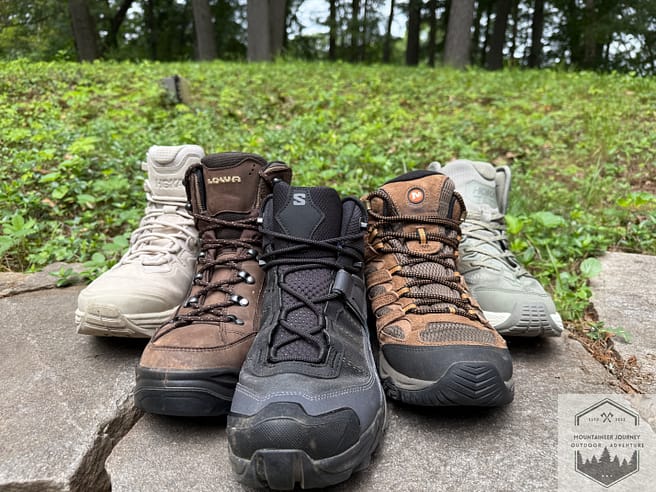
The materials affect performance, durability, and weight. Many lightweight hiking boots feature a leather upper combined with synthetic materials to balance durability and weight. Common upper materials mix leather and synthetics to balance durability and weight.
For example, high-quality boots like the La Sportiva Nucleo High II GTX use nubuck leather, which adds waterproofing and durability. However, leather boots tend to be heavier, which is a built-in limitation when it comes to weight.
Hiking boots often use mesh and nylon to reduce weight without compromising performance. Some hiking boots also use sustainable materials, such as recycled polyester, which align with eco-friendly practices. This is becoming more important for environmentally conscious hikers.
Waterproofing
Waterproofing is a major feature for hiking boots, especially when hiking in wet climates or crossing multiple creeks. Waterproof materials like Gore-Tex prevent water entry while allowing moisture to escape, keeping your feet dry and comfortable.
While waterproof boots keep feet dry, they can sometimes reduce breathability and cause sweat buildup. Lighter models with mesh panels ensure good ventilation while maintaining waterproof performance. Gore-Tex has also released Invisible Fit, which seems slightly more breathable than the original Gore-Tex model.
Considerations for waterproof hiking boots include a seam-sealed design for added protection and a balance between waterproofing and breathability. This keeps your feet dry without compromising comfort.
How We Test and Our Methodology
Mountaineer Journey is a 100% independent publisher with years of testing and reviewing outdoor equipment.
We currently purchase the products we test with our own money and are not paid by any company or manufacturer to influence our opinions or decisions.
After purchasing the boot, we spend hundreds of hours testing it using consistent, objective standards.
Tyler is our resident expert and author of this article, with 16 years of experience as a professional hiker, hiking guide, and mountaineer.
Frequently Asked Questions
Who Makes The Best Lightweight Hiking Boots?
We rate the Salomon X Ultra 5 as our best lightweight hiking boot. Overall, Salomon produces lightweight, affordable hiking boots.
Is a Lighter Hiking Boot Better?
No, lighter is not always better; however, lighter hiking boots tend to cause less foot fatigue, offer greater agility, and provide a better overall hiking experience.

Tyler
Tyler is the founder Mountaineer Journey and a professional Mountain Guide with 15+ years of technical experience in trekking, mountaineering, and trail sports. Having logged thousands of miles from rugged alpine summits to urban paths, Tyler provides rigorous, field-tested insights on hiking, walking, and trail running gear. All reviews are 100% unsponsored and unbiased, ensuring you get honest scoring based on real-world performance. His mission is to help outdoor enthusiasts of all levels find reliable equipment that ensures comfort, safety, and performance on any terrain.