



Our Score
Hoka Transport Review | Worth It In 2026?
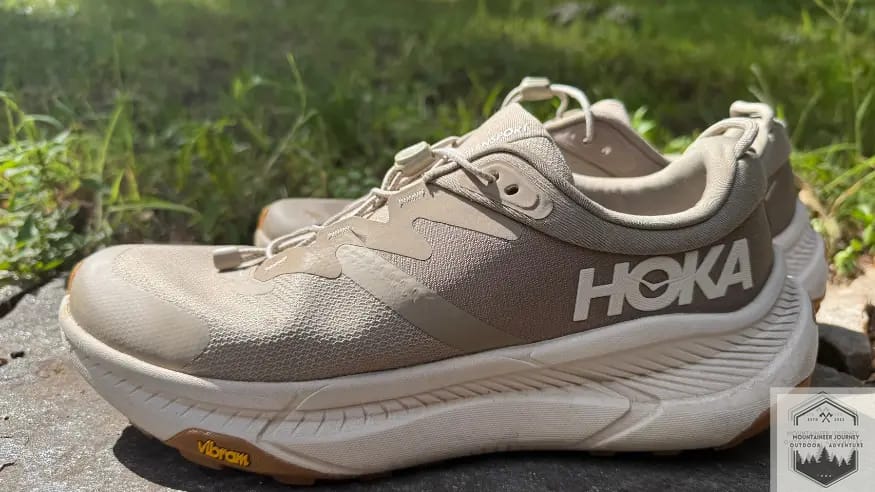
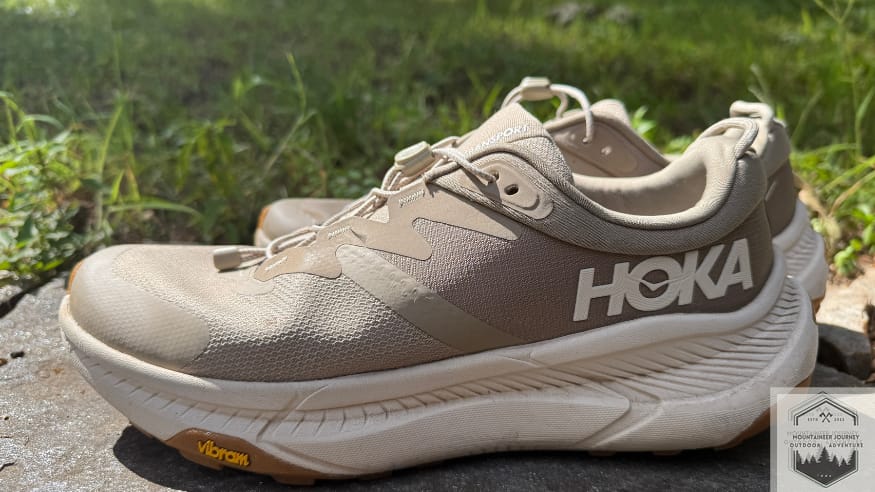
After logging over 85 miles in the Hoka Transport across city streets, hiking trails, and 12-hour work shifts, I can confidently say this is the walking shoe that urban commuters have been waiting for.
As someone who has tested footwear for over 15 years, I’ve seen countless attempts to create the perfect hybrid between performance and lifestyle footwear – and the Hoka Transport is one of those few.
I’ve put these shoes through rigorous testing to give you an honest assessment of whether they’re worth the investment for your daily walks.
Editor’s Note: We updated this review on 12/20/25 with updated scores on support, as well as new mileage testing insights.
Hoka Transport Review In Short

The Hoka Transport represents a significant departure from Hoka’s running-focused lineup, designed specifically as shoes for walking rather than repurposed running shoes. However the Hoka transport definitely defies these odds as it doesn’t have a massive outsole as most Hoka shoes do, like the Clifton 10.
Built with a Vibram outsole for exceptional grip, a durable Cordura upper constructed from recycled materials, and an EVA midsole featuring 30% sugarcane-based foam, these shoes check all the boxes for eco-conscious walkers.
The 5mm heel-to-toe drop promotes a natural walking gait, while the quick toggle laces make them a lazy person’s dream for easy on-off functionality. At $150, they sit in the premium walking shoe category but deliver performance that justifies the extra cost.
After extensive testing, I’m rating the Hoka Transport an impressive 8.8/10, making it one of the top-rated walking shoes for 2026.
Whether you’re commuting on city streets, standing for extended periods, or tackling light trails, this one shoe delivers comfort and versatility that other walking shoes simply can’t match.
Compare To Similar Products
Hoka Transport Pros and Cons
Pros
- Exceptional traction
- Sustainable materials
- All-day stability
- Roomy toe box
Cons
- Limited breathability
- Wide
- Weight
Who Should Buy the Hoka Transport
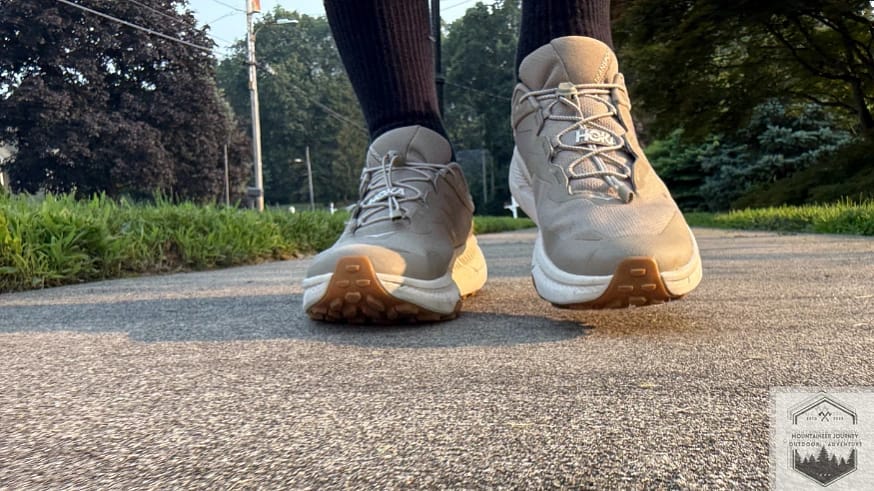
- Shift work in healthcare, office work, hikers, and everyday walkers
- Users looking for the performance of Hoka shoes without the large outsole or heel to toe drop
- Someone looking the most versatile walking shoe of 2026
Who Shouldn’t Buy The Hoka Transport
- Users wanting the most lightweight shoe on the market
- People who want a running shoe and walking shoe in one
- If you prefer the most breathable shoes
Hoka Transport Price
The Hoka Transport currently retails for $150 for the standard version. The Gore-Tex waterproofing is at a higher price point, typically around $170-180, for those needing enhanced weather protection.
Get the BEST deal on the Hoka Transport at the LOWEST Price Available:
Disclosure: These links may provide a discount and in return, give us a commission to help run this website
Hoka Transport Comfort
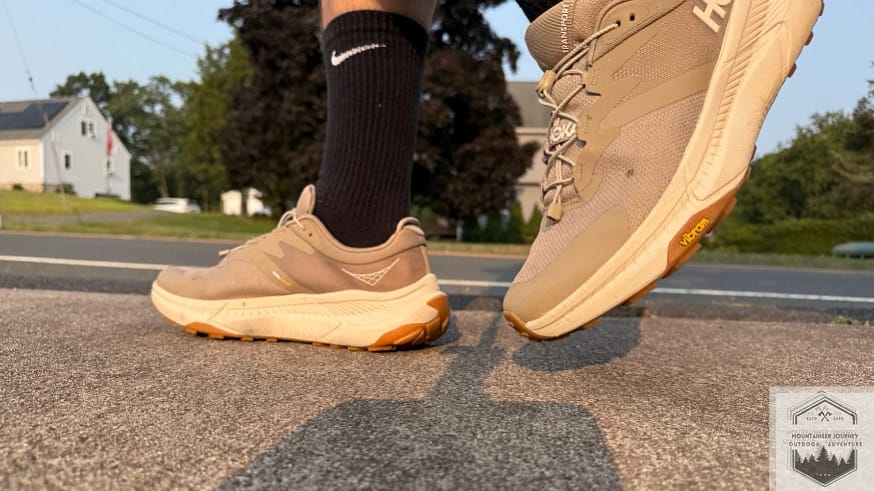
Slipping into the Hoka Transport for the first time, I immediately noticed the firm yet supportive feel underfoot.
Unlike the pillowy sensation of maximalist shoes, the compression molded EVA midsole provides a more grounded platform that’s perfect for walking stability.
The 29mm heel and 24mm forefoot stack height creates substantial cushioning without the unstable feeling that can come with excessive foam. During my initial 12-hour work shift test, the padded tongue and collar kept my feet comfortable without any pressure points or hot spots developing.
The break in period lasted about a week of regular wear, during which the initial stiffness gradually gave way to a more accommodating feel.
I found the firmness actually beneficial during cold weather testing, as the EVA midsole maintains its supportive properties even in near-freezing temperatures where softer foams might become overly rigid.
Transport Meta Rocker
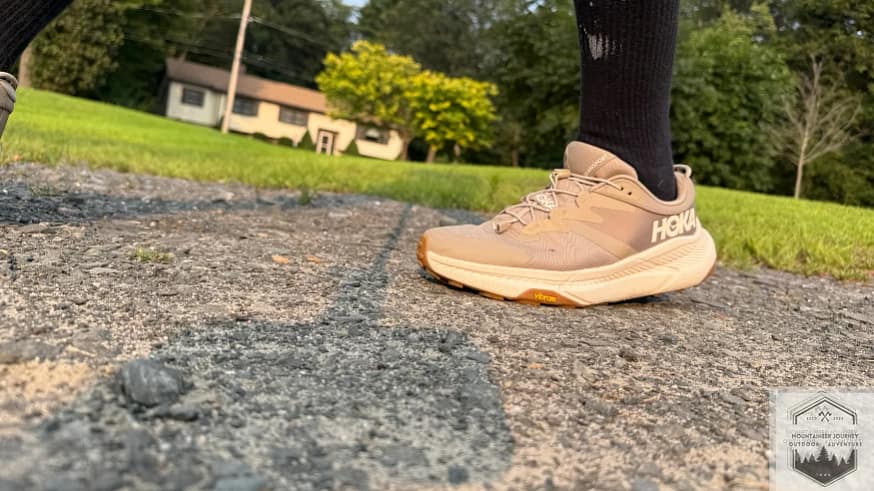
The Meta-Rocker technology built into the sole creates smooth transitions from heel strike through toe-off, reducing the effort required for each step during brisk walking sessions. After 12+ hour shifts at the hospital, I noticed the meta rocker really took some strain off my calves and ankles.
This becomes particularly noticeable during longer walks where the efficient foot roll-through prevents the fatigue that accumulates with flatter-soled shoes.The rocker is not as aggressive as the Bondi 9, but still saves your output over time.
After 85 miles of testing across various surfaces and conditions, the comfort level has only improved as the materials have broken in properly. While it’s no maximalist shoe like the Brooks Ghost Max 3, it still has pretty darn good comfort for a lower stack height.
Comfort Score: 8/10 (30%)
Support

One of the best features of the Transport has been the promise of walking-specific biomechanics. Unfortunately a lot of the shoes out there are designed for running and really undersell how different walking mechanics can be for proper foot alignment and stability.
We measured the heel to toe drop at 5 mm which is exactly how much Hoka markets them as. This is perfect for walkers seeking natural gait without the adjustment period of zero-drop shoes.
The outsole of the shoe is wider than the upper which creates a stable base without feeling overly bulky or “blocky” like running shoes can feel.
The ankle stability is excellent, I have a tendency to overpronate my foot walking and I felt the heel counter stiffness really acted as a nice buttress preventing that over-pronation.

The broad stability platform and supportive construction are a step-up from other shoes in this category. While the midsole is firm, it provides excellent support without being overly rigid or restrictive. This is where A LOT of walking shoes tend to go wrong, this was one issue with the On cloud 6.
During my testing on asphalt and uneven pavement, the shoe maintained proper foot alignment without requiring conscious effort. The supportive construction helps guide the foot through a more neutral stride pattern.
Overall, the support of the Hoka Transport is one of the best out there. The design specifically accommodates walking mechanics rather than just adapting running shoe technology.
Support Score: 9/10
Traction
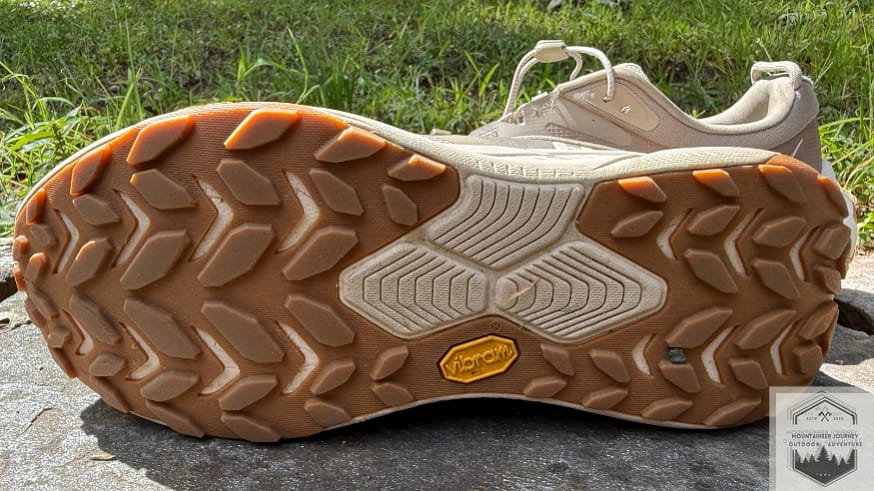
The Vibram rubber outsole on the Transport delivers exceptional grip that sets it apart from other walking shoes in the market. All other walking shoes have rubberized outsoles with no actual lugs.
The multi-directional lug pattern provides confident traction on wet asphalt, dry concrete, loose gravel, and light trail surfaces, performance you can’t ask for from any other walking shoe. The lugs bite deep and hold great grip especially on wet surfaces.
During wet weather testing on Northeastern US slick sidewalks, the Transport demonstrated superior traction compared to the flat outsoles typical of lifestyle shoes. I didn’t feel myself slipping like I normally would on the same wet surface with different shoes.
The aggressive tread design bites into wet surfaces with confidence that allows for normal walking pace even in challenging conditions.
Testing as a hiking shoe, the Transport performed admirably on moderate trails, gravel paths, and packed dirt surfaces. While not designed for technical terrain, the Vibram compound and lug design provide sufficient grip for weekend nature walks and urban trail systems.
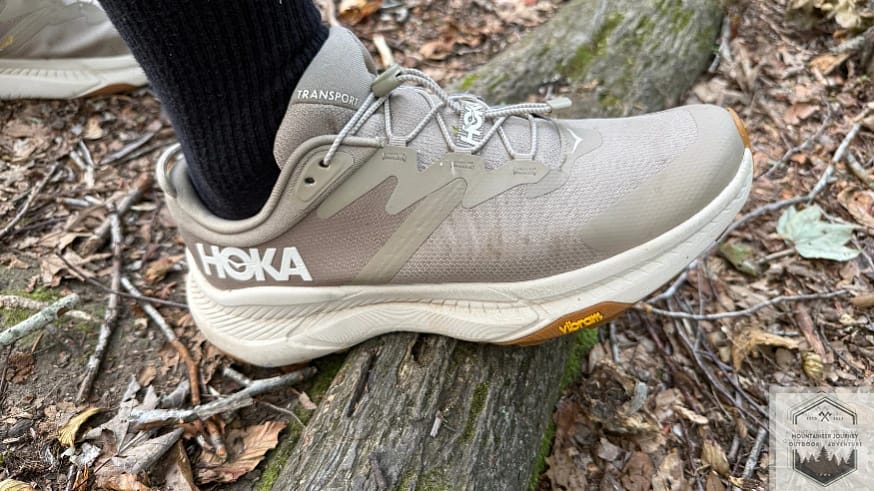
On smooth indoor surfaces like polished concrete or tile, the aggressive tread can feel overly grippy, but this is a minor trade-off for the outdoor performance benefits. This reminded me of the same sensation I felt while wearing the Hoka Speedgoat 5 while inside.
Compared to repurposed running shoes with their flatter, road-oriented outsoles, the Transport’s hiking-inspired tread provides dramatically superior traction in real-world walking conditions.
This is a truly one of a kind walking shoe that I was able to appreciate, that other testers have not.
Compared to the running-focused traction of other shoes, the Transport’s walking-specific design rules.
Traction Score: 9.5/10 (15%)
Weight
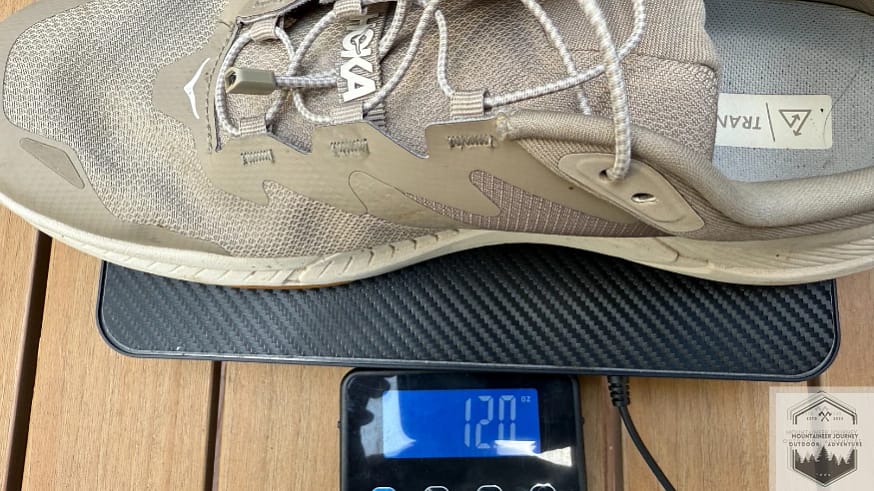
We weighed the Hoka Transport at 12 ounces, which is reasonable for a stability-focused walking shoe.
The structured design does add some weight compared to lightweight runners, but the Meta-Rocker design makes the shoe “feel” lighter during walking than the actual weight suggests. Remember, it’s not always about the number on the scale, it’s about how it FEELS during testing.
Hoka was smart with their weight distribution, while not over-doing it with the outsole thickness or “pillow-like” midsole they were able to keep the weight down.
As a frame of reference, lightweight running shoes weigh around 8 oz, but lack the walking-specific support the Transport provides.
Weight Score: 8/10 (15%)
How Does The Hoka Transport Fit?
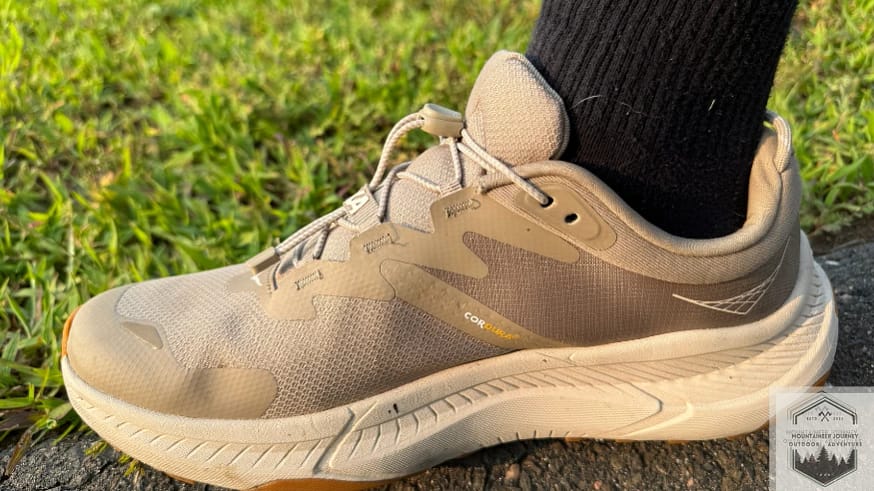
I purchased a men’s 10.5 and they fit true to size. The entire shoe runs slightly wide, which may be a disadvantage for more narrow-foot users.
The length of Hoka models tend to be consistent with industry standards. The structured design accommodates my foot shape well without feeling restrictive.
The lacing provides excellent heel lockdown without any slipping during longer walks. I didn’t have to use any specialized lacing techniques.
The Transport accommodates a lot of different foot shapes and sizes, while they are not as universally fitting as some Brooks shoes, they are close and seem to get better with each new model.
Fit Score: 9/10 (15%)
Is the Hoka Transport Worth It?
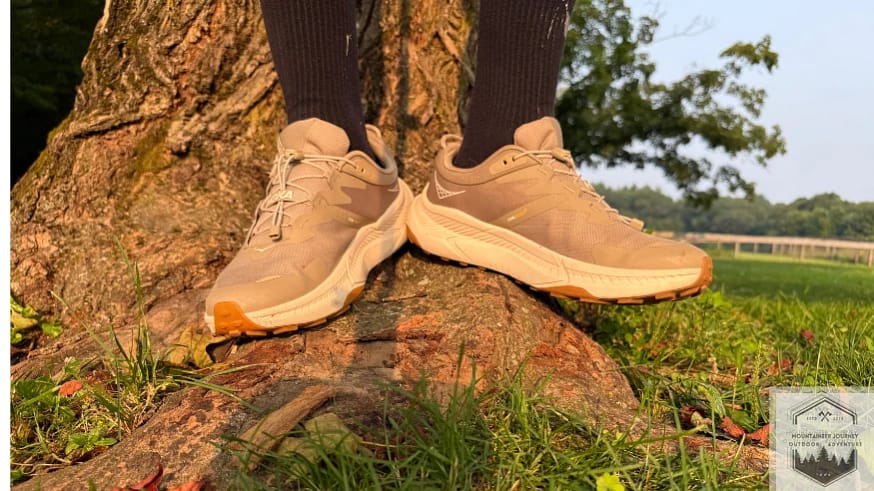
At $150, the Hoka Transport represents excellent value for users seeking a dedicated walking shoe that has the best versatility you can ask for.
Use it as a work shoe, use it as a walking shoe, or use it as a hiking shoe and it performs excellent in all these conditions.
The durability expectations are high based on the quality of materials and construction methods. The Vibram outsole and Cordura mesh upper are very premium materials that Hoka was able to introduce without being too expensive.
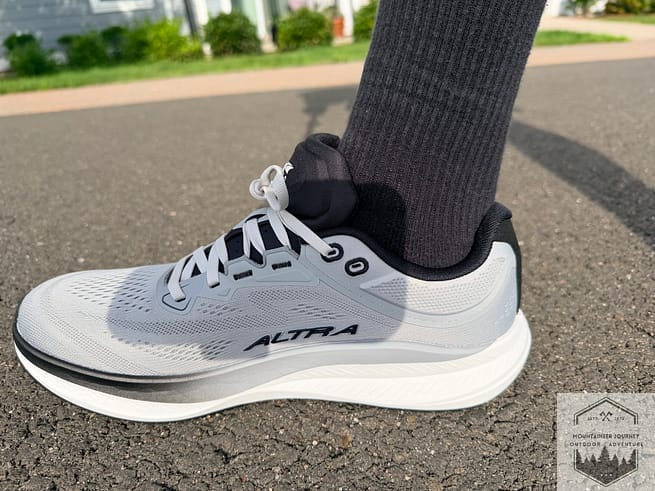
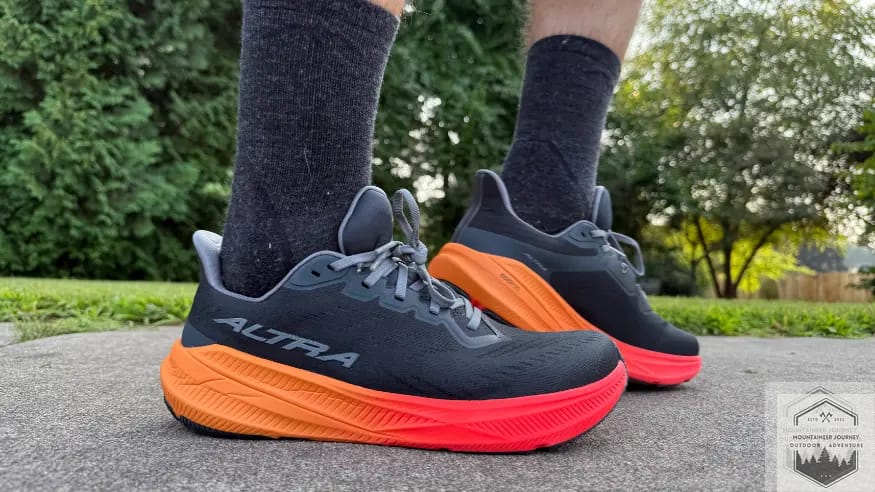
If you are looking for more cushioning consider the Brooks Ghost Max 3 or Hoka Clifton 10. Want a more neutral drop? Take a look at the Altra Flow Experience 2.
At the end of the day, If you prefer versatility for all the different environments you’ll be in, you cannot go wrong with the Hoka Transport.
Value Score: 9.5/10 (5%)
Scoring Breakdown
Comfort (30%): 8/10
Support (20%) : 9/10
Traction (15%): 9.5/10
Weight (15%) : 8.5/10
Fit (15%) : 9/10
Value (5%) : 9.5 / 10
Total Weighted Score:
2.4 + 1.8 + 1.425 + 1.275 + 1.35 + 0.475 = 8.725 / 10
Our Rating
Frequently Asked Questions
What are The Hoka Transport shoes best for?
The Hoka Transport are designed for everyday walking, shift work, and even use as hiking shoes. They offer great versatility.
How does the Transport compare to Hoka Clifton for walking?
The Transport offers superior traction and durability for walking compared to the Clifton 10, which is designed primarily for running and walking.
Is the Cordura upper waterproof?
The standard Cordura upper is not waterproof. Consider the Gore-tex version for $25 more if you want complete waterproofness.
Are the Hoka Transport shoes good for plantar fasciitis?
Yes, I found the Hoka Transport to be very beneficial for my plantar fasciitis, with less flare-ups while wearing these shoes.
How We Tested and Our Methodology

I personally tested the Hoka Transport over six months since the 2024 release, logging over 85 miles across varied conditions and surfaces. This testing included daily commuting, 12-hour work shifts, weekend trail hikes, and various weather conditions to evaluate real-world performance. We continue to test the Transport in 2025, going into 2026.
All shoes tested are purchased independently without manufacturer sponsorship or free products. This is so we can test WITHOUT pressure from sponsorships and keep everything objective.
My 15+ years of footwear testing experience includes thousands of miles in various shoe categories, from lightweight running shoes to heavy hiking boots. This background enables accurate assessment of how the Transport performs in real world conditions.

Tyler
Tyler is the founder Mountaineer Journey and a professional Mountain Guide with 15+ years of technical experience in trekking, mountaineering, and trail sports. Having logged thousands of miles from rugged alpine summits to urban paths, Tyler provides rigorous, field-tested insights on hiking, walking, and trail running gear. All reviews are 100% unsponsored and unbiased, ensuring you get honest scoring based on real-world performance. His mission is to help outdoor enthusiasts of all levels find reliable equipment that ensures comfort, safety, and performance on any terrain.