

Our Score
Hoka Bondi 9 Review 2026 | Unsponsored
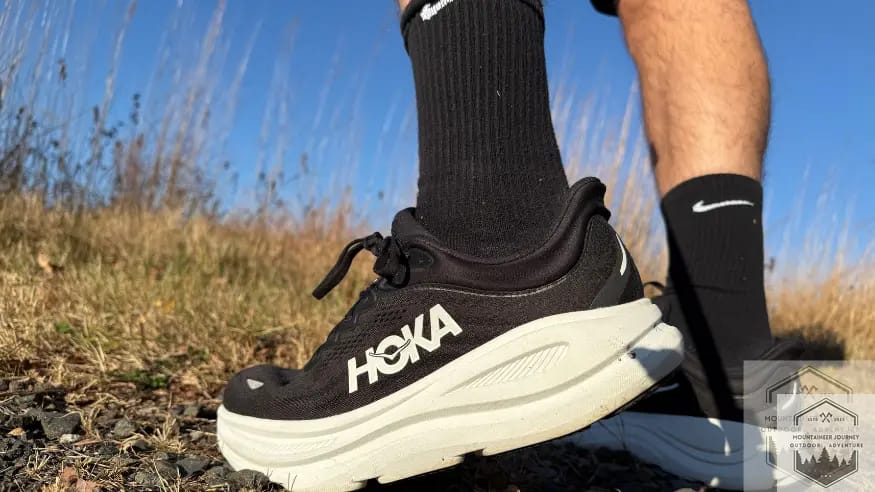
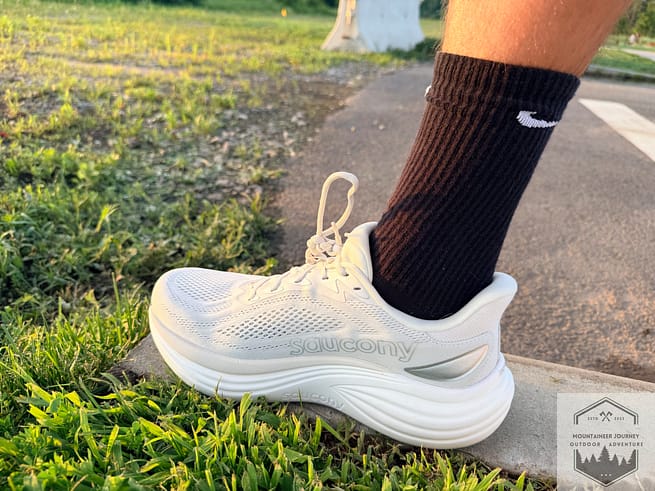
After logging over 100 miles in the Hoka Bondi 9 across recovery runs, daily walks, and 12-hour work shifts standing on concrete floors, I can confidently say this maximum cushioned shoe delivers the plush comfort that heel strikers and daily walkers have been seeking.
As someone who has tested walking shoes for over 15 years, I’ve experienced countless attempts to balance maximum cushion with daily trainer versatility and the Hoka Bondi 9 represents one of the most successful executions of this balance I’ve encountered.
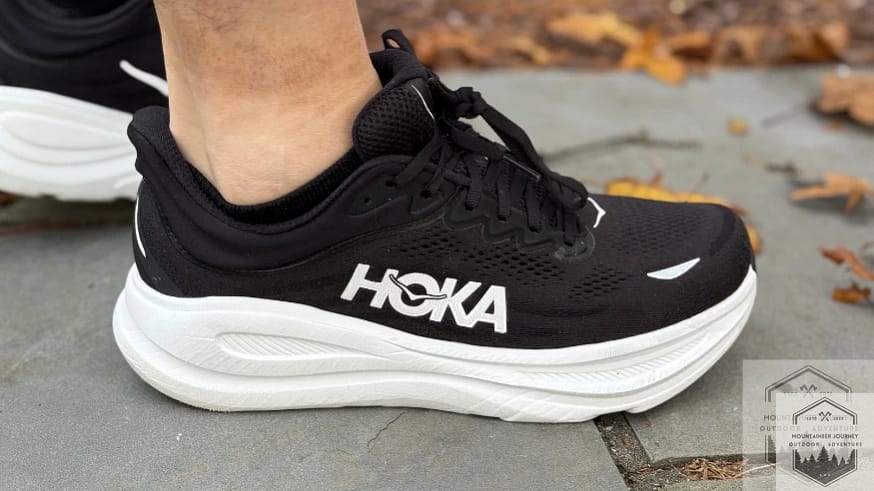
I’ve put these shoes through extensive testing across different paces, surfaces, and activities to give you an honest assessment of whether they’re worth the premium price for your daily miles.
As always, I bought the Bondi 9 with my own money. This is a non-sponsored, unbiased review with objective scoring.
Editor’s Note: this review was updated on 12/20/25, with updated scores in fit and value and an increased overall score after further milage testing.
Compare Similar Products
Most Comfortable Walking Shoe
8.7

Hoka Bondi 9
Our most comfortable walking shoe 2025. Extreme comfort and great energy return. Improved upper with enhanced breathability
9

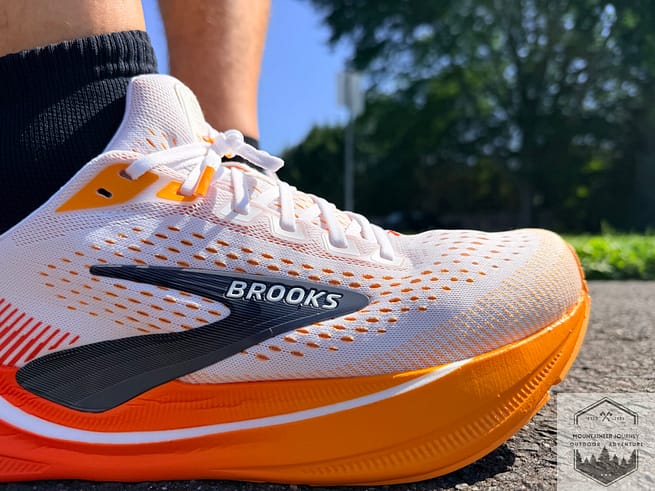
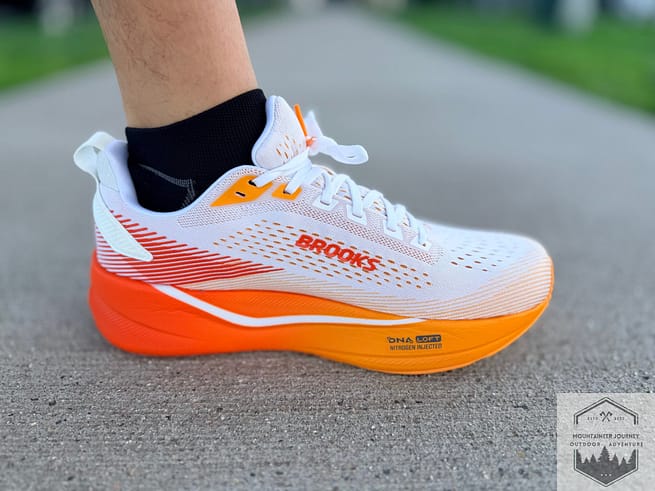
Brooks Ghost Max 3
The Ghost Max 3 is the better choice for those needing a stable, orthotic-friendly fit thanks to its wide base and higher-volume toe box. However, it feels much firmer than the Bondi. In my cold-weather testing, the Brooks' foam stiffened up, while the Bondi’s supercritical EVA stayed soft and bouncy.
- Pick the Bondi 9 for a softer, rockered ride that ignores the temperature.
- Pick the Ghost Max 3 if you have wider feet or prefer a more "planted," traditional feel.
Top Walking Shoe
8.6
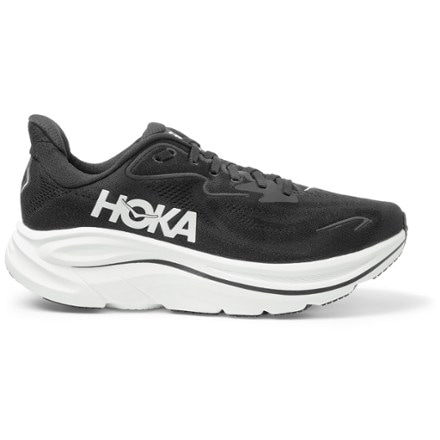
Hoka Clifton 10
The Clifton 10 is Hoka's versatile daily trainer, now sporting a 42mm stack and a steeper 8mm drop. While it's lighter for actual running, that higher drop shifted too much pressure to my forefoot during long shifts. The Bondi 9 remains the king of standing all day because its 5mm drop keeps your weight balanced evenly across the platform.
- Pick the Bondi 9 for recovery days and 12-hour shifts.
- Pick the Clifton 10 if you want one shoe for both walks and faster training runs.
Hoka Bondi 9 Review In Short
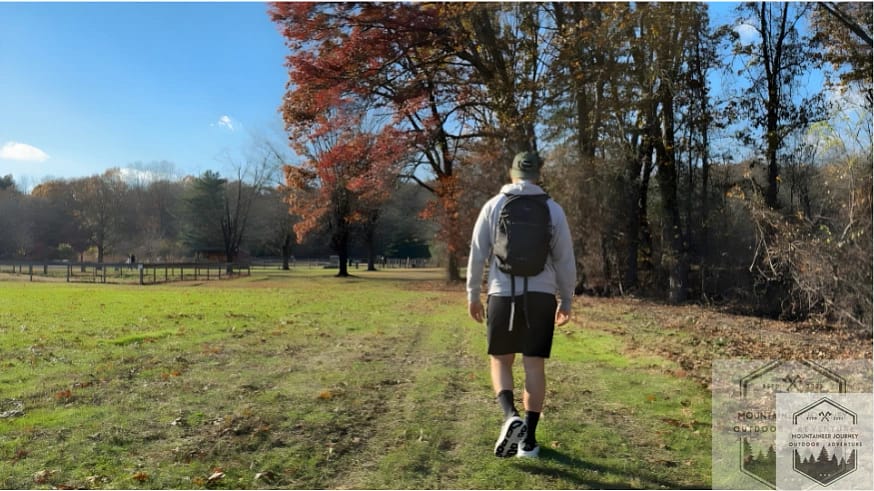
The Hoka Bondi 9 represents a significant evolution in maximum cushioned daily trainers, moving beyond the overly soft, recovery-only reputation of previous models. Built with new supercritical EVA midsole foam that creates a super plush feel, this shoe achieves what I call “plush but structured cushioning” that works for genuine daily trainer versatility.
The engineered mesh upper features 55% recycled materials, while the 43mm heel stack height provides an endless cushioning sensation without the dead, sluggish feel often found in previous versions.
The 5mm heel-to-toe drop and MetaRocker technology create smooth transitions, while the exceptionally wide platform dimensions (127 mm forefoot vs. the 113 mm industry average) provide inherent stability without the need for intrusive motion control devices. At 12 ounces for a size 10.5, it’s a substantial shoe, but the performance justifies the weight for recovery-focused runners and professionals standing for long periods.
At $175, it sits firmly in the premium walking shoe category but delivers maximum cushion performance that justifies the cost for recovery-focused runners and professionals standing long periods.
After extensive testing across multiple contexts, I’m rating the Hoka Bondi 9 an impressive 8.7/10, making it our #1 most comfortable walking shoe of 2026.
Whether you’re logging easy miles, or standing all day in healthcare or retail environments, this great shoe delivers step in comfort and versatility that similar shoes simply can’t match.
Who Should Buy the Hoka Bondi 9
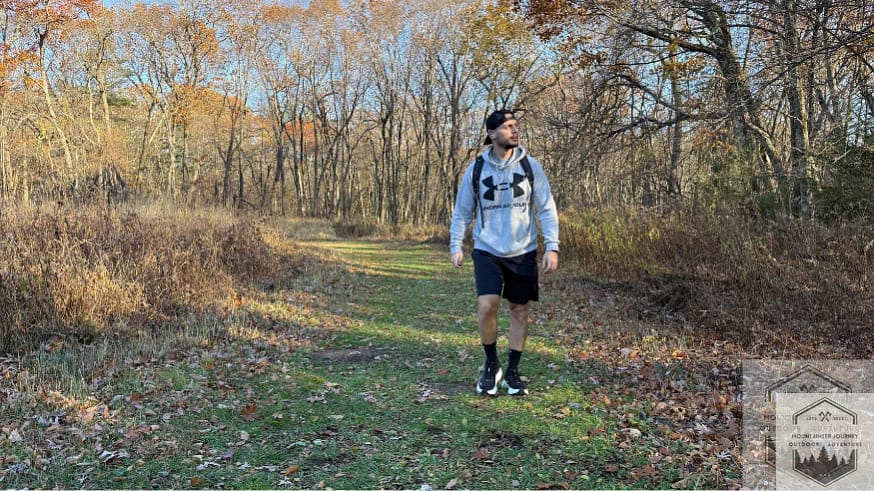
Heel strikers seeking maximum cushioning and joint protection during daily runs
Healthcare workers, teachers, and professionals standing on hard surfaces for long periods
Runners prioritizing recovery runs
People wanting the most comfortable walking shoe available on the market
Who Shouldn’t Buy The Hoka Bondi 9
Users with narrow feet or low volume feet seeking precise, snug fit
Speed-focused runners wanting lightweight, responsive ride for tempo work
Those preferring minimal stack height and maximum ground feel
Budget-conscious buyers seeking daily shoes under $150
Watch Our Hands-On Youtube Hoka Bondi 9 Review
Hoka Bondi 9 Price
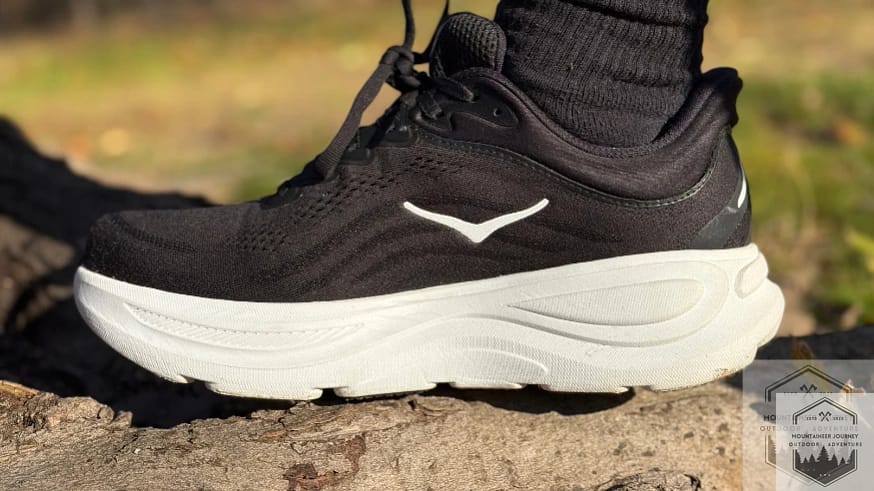
The Hoka Bondi 9 currently retails for $170 for standard colorways across both men’s and women’s versions.
Get the BEST deal on the Hoka Bondi 9 at the LOWEST Price Available:
As an independent reviewer, I purchase all products myself. Some links may be affiliate links that support the site at no cost to you
Hoka Bondi 9 Comfort
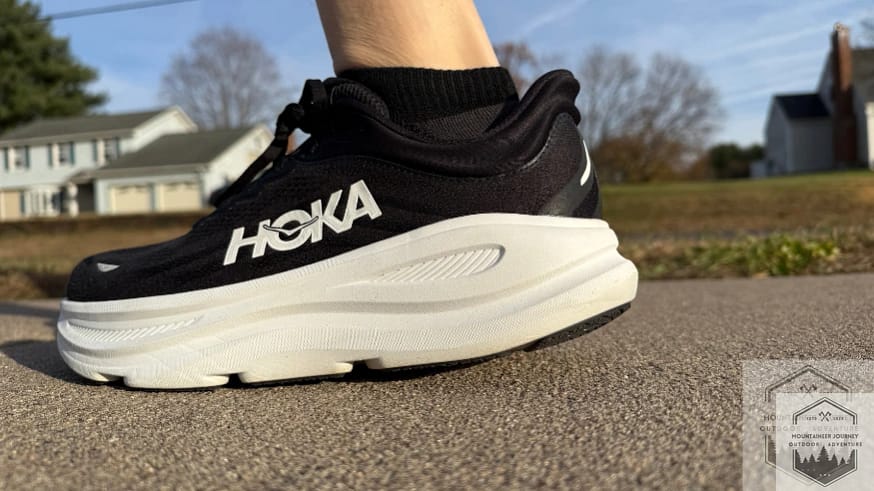
Putting on the Hoka Bondi 9 for the first time, the “step-in comfort” is a clear step up from the Bondi 8. The new Supercritical EVA midsole is significantly more bouncy and provides better energy return than its predecessor.
Here’s the biggest difference: the Bondi 9 contains plush foam directly under your foot, while the outer shell of the outsole remains quite stiff. This creates the perfect setup for a high-stack shoe; the outer stiffness prevents over-compression, while you still feel that signature soft foam. This is exactly what differentiates the Bondi 9 from the Clifton 10—the outsole is engineered to withstand significantly more pounding.See Hoka Bondi 9 vs Clifton 10.
The supercritical foam actually feels both softer and more responsive at the same time, coaxing out a natural beat during easy walks rather than fighting me every step of the way through some sluggish foam. You literally feel the cushion rebound through each heel strike.
I spent 12 hours stuck on my feet for work on concrete floors and my feet actually turned out fine, thanks to that 43mm heel stack height and a softer heel collar, no pressure points to speak of. The tongue and heel collar on this shoe is so padded up you’d think its made for protecting your ankles on a long day of wearing it.
The break-in period took about a week. The firm midsole took some time to mold to my foot, but it’s nice to see it retained its supportive structure.
Bizarrely enough, that firmer feel ended up being a real plus for me during cold weather testing, the supercritical EVA kept its cool even when it was near freezing unlike the Brooks Ghost Max 3 which really firmed up in our cold weather testing.
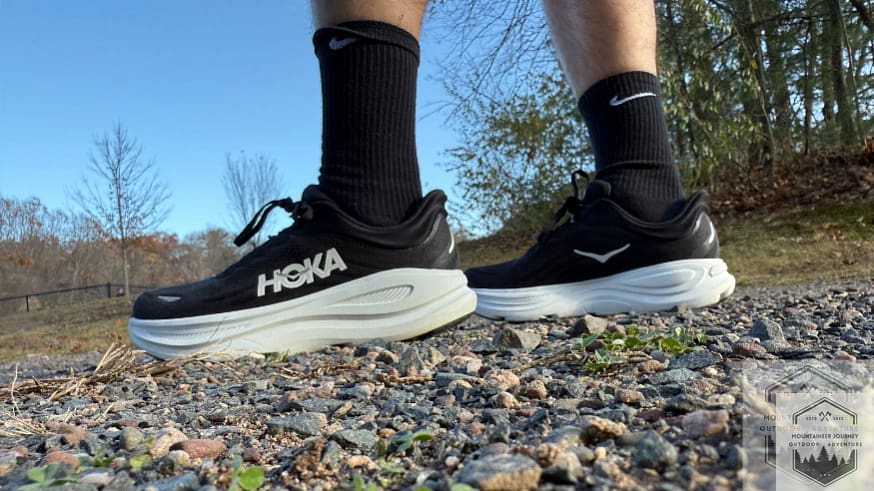
The 3D molded ankle collar really conforms to the shape of your ankle. Also, it resists against any inversion or eversion of your foot due to the big outsole. This is a very important factor for reducing instability.
A nice value add would have been a better padded heel collar, like on the Glycerin 22. That’s something that Hoka lacks on most of their walking shoes.
MetaRocker Technology
This MetaRocker built into the midsole just makes for a really “seamless” ride as you move from heel to toe. The curved design in combination with the higher up sidewalls makes stability more about just letting it happen rather than forcing your foot into place.
Going for longer walks with my dog during testing, I noticed the MetaRocker was making a real difference in terms of reducing calf and ankle fatigue the smooth transition gets you to a comfortable rhythm a lot easier.
Comfort Score: 9.5/10 (30%)
Support and Stability
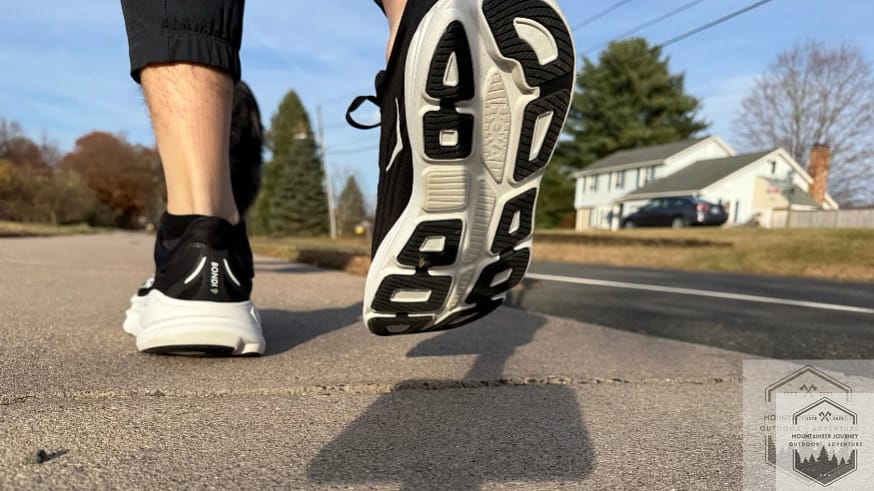
During my objective testing of the Bondi 9, the standout feature wasn’t actually the cushion—it was the footprint. Looking down at the toe box, the outsole flares out significantly wider than the upper itself. This creates a massive ‘outrigger’ effect that makes the high stack height feel incredibly planted.
Even on uneven pavement, I never felt the ‘tippy’ sensation often found in maximalist shoes. Because your foot sits deep in the Active Foot Frame rather than on top of it, the wide base provides a level of ‘stable neutral’ support that works perfectly for walkers who need a secure platform without the stiffness of a traditional stability shoe.”
The Hoka Bondi 9’s support strategy is built around platform dimensions as opposed to those traditional motion control devices like heel shanks and similar components.
The Bondi 9 has a downright massive forefoot (122 mm to the average 114mm) and heel (105mm to the average 90 mm) both measured through our caliper. This makes an enormous stance that just happens to provide a lot of stability due to nothing more complicated than basic geometry.
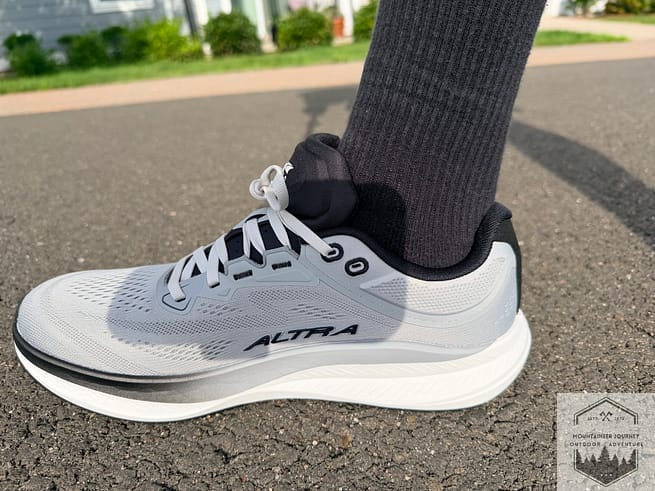
The Active Foot Frame tech that Hoka have developed features these midsole sidewalls that are elevated and sort of scoop around your foot when it’s in contact with the ground, & the 5mm heel to toe drop lets your foot just move naturally, without needing to get used to some annoying zero-drop like you’d find in the Altra Experience Flow 2.
When I put the Bondi 9 through testing, I really liked the wide platform for overpronators, as it basically steers them into a more neutral stride pattern but users with nice efficient mechanics might find that big platform starts to feel like a constraint, rather than support.
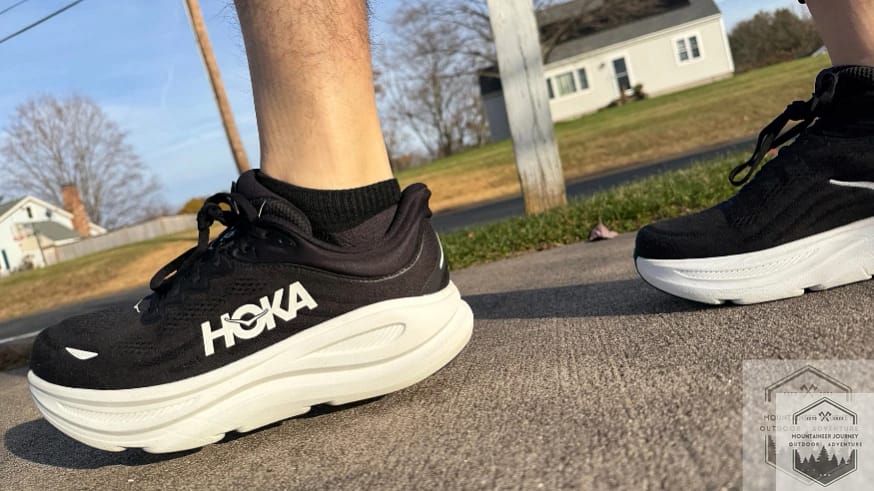
The stability comes at a price you do lose some of that ground feel and proprioceptive feedback that you’d get with shoes that are more normally proportioned.
But this is a deliberate design choice that’s all about weighing up cushioning and support, instead of getting you in closer touch with the road. As a walking shoe, ground feel is not a real important factor here.
Support Score: 8.5/10 (20%)
Traction
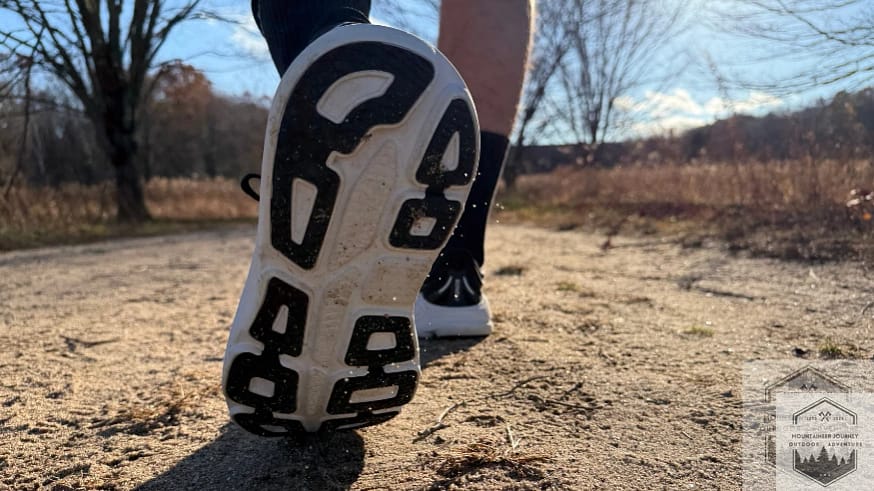
The Durabrasion rubber outsole gives road runners all the grip they need even in light trail conditions but its plain as day its primary focus is on pavement rather than anything more rugged. I put it through some wet weather tests on asphalt and concrete and the traction held up just fine, but don’t expect this model to have superior traction.
The way the outsole is designed is pretty clever they’ve placed rubber strategically placed in the high-wear areas where it really counts, and left the midsole foam exposed in areas that take less of a beating. That means it weighs less than you’d expect, but still manages to hold up to all the impact that comes with walking especially during the heel strike and toe-off phases.
When it comes to testing it out on indoor surfaces like hospital floors or office buildings, the traction’s got plenty of grip without being too aggressive. I put it to the test during my work shift and didn’t have any slipping issues not even on those super slippery polished concrete floors, that can be a real challenge for some shoes.
When I did take it out on some light trail routes while walking my dog it performed decently, but don’t expect it to handle any real hiking trails. Its really at its best on predictable surfaces where maximum grip just isn’t that important. The traction is very similar to the Hoka Clifton 9, everything you’d want in an everyday walking shoe.
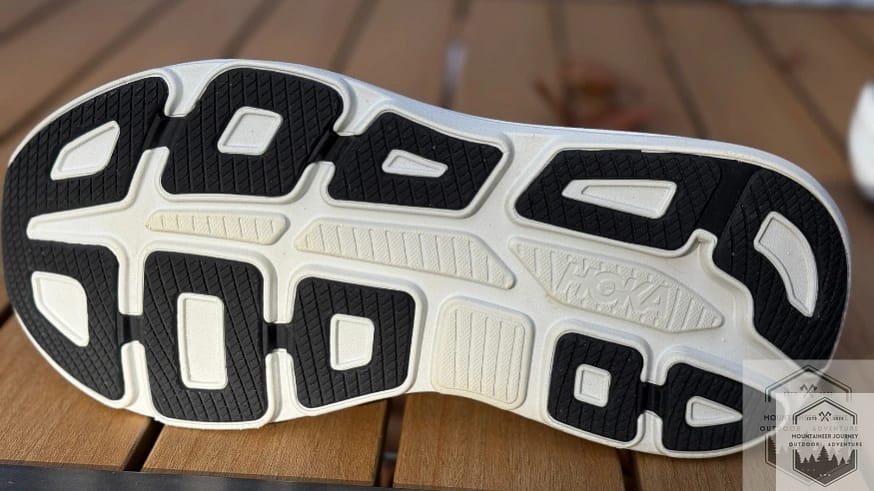
Compared to the likes of specialized trail shoes or even that hybrid trainer the Hoka Transport, the Bondi 9’s grip is pretty functional and not particularly exceptional which is fair enough given it’s a road shoe at heart and designed to give you maximum cushioning.
Traction Score: 7.5/10 (15%)
Weight
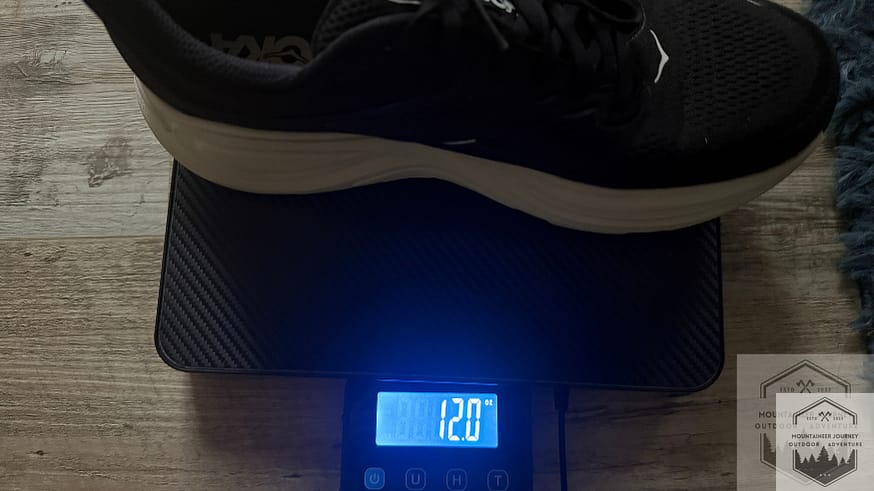
The Hoka Bondi 9 weighs in at 12 ounces on our scale for a men’s size 10.5. While Hoka lists a lower spec weight, our real-world measurement reflects the reality of the added rubber and stack height. When testing walking shoes, we look at both the scale and the “on-foot” feel.
Despite the 12-ounce weight, the MetaRocker geometry helps mask the bulk during heel-to-toe transitions, preventing that forward-heavy sensation found in other max-cushion competitors. The weight feels much like the Brooks Glycerin 22 which we weighed in at 12 ounces as well.
Weight distribution feels balanced between heel and forefoot, preventing the forward-heavy sensation that can develop in some maximum cushioned shoes. The MetaRocker geometry helps mask the actual weight during heel-to-toe transitions.
Weight Score: 7.5/10 (15%)
How Does The Hoka Bondi 9 Fit?
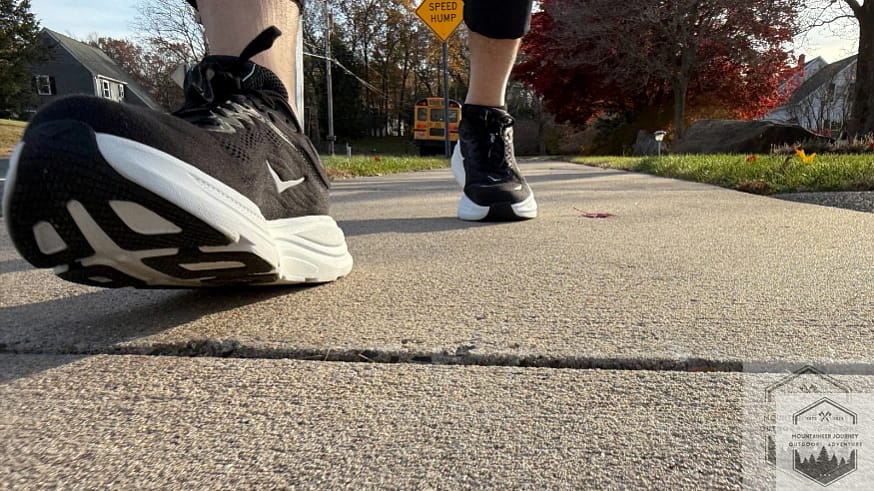
I tested a men’s size 10.5 (4E) and found the length to be true to size. I also trial-ran a regular 10.5 and found it slightly restrictive. Thankfully, Hoka offers three widths: Regular, 2E, and 4E. I strongly recommend moving up to a wider size if you have a high-volume foot.
The engineered mesh is adaptable, but for those with low-volume or narrow feet, the roomy interior might feel less secure. After 15 years of testing, I’ve learned that width is often the ‘make or break’ factor for max-cushion trainers. During my field tests, the transition to the 4E allowed the mesh to breathe, providing the natural toe splay needed for high-mileage days without compromising the heel lockdown.
The engineered mesh upper is pretty adaptable to different foot shapes, without feeling too cramped, even if the shoe as a whole has a slightly bigger volume than some narrow-footed users might be used to.
A big part of the improved fit from previous models comes from the fact that the upper construction has been tweaked to be less bulky while still allowing for a decent amount of room. The knit material in the upper stretches out just enough to let your toes spread well.
On the other hand, the wide platform design is a good fit for wider feet and you can even get a wide or extra wide size if you need it. But for people with really low volume feet or very narrow feet. The roomy interior might feel a bit less secure than a shoe that’s been tailored to their exact fit.
Getting a good heel lockdown is pretty easy with this shoe, thanks to the lacing system and the design of the heel collar.
For those of us who prioritize an authentic, unbiased fit, the ability to jump to a 4E while maintaining a midfoot lockdown is exactly what separates a ‘good’ walking shoe from a ‘great’ one.
Fit Score: 9.5/10 (15%)
Is the Hoka Bondi 9 Worth It?
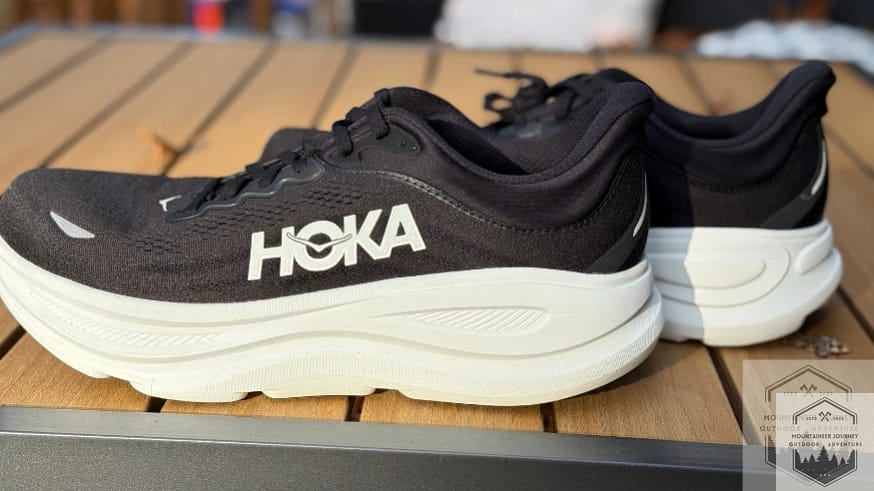
At $175, the Hoka Bondi 9 punches its weight for anyonelooking for the full max cushion experience without breaking the bank. The high-end EVA upgrade finally addresses the major compromise of earlier iterations they were just too squishy for long-term viability. After all, It’s our #1 rated walking shoe for comfort in 2026.
You can bet your boots on this shoe lasting a long time. Hoka’s got a solid rep and the supercritical foam is top-notch quality.
Compared to other options like the Brooks Ghost Max at $150 or the Asics Novablast 5 at $150, the Bondi 9’s a clear winner when it comes to comfort for standing or just getting on your feet and moving again after a tough run. You’re basically getting what you pay for with this one and if that’s what you need then the extra cash is worth it.
If you are looking for more of a minimalist type shoe check out the Altra Experience Flow 2 or the Hoka Transport.
Value Score: 9/10 (5%)
Scoring Breakdown
Comfort (30%): 9.5/10
Support (20%): 8.5/10
Traction (15%): 7.5/10
Weight (15%): 7.5/10
Fit (15%): 9.5/10
Value (5%): 9/10
Total Weighted Score:
2.85 + 1.70 + 1.125 + 1.125 + 1.425 + 0.45 = 8.675 / 10
Our Rating: 8.7
Frequently Asked Questions
What is the Hoka Bondi 9 best for?
he Hoka Bondi 9 excels at recovery runs, long walks, and occupational standing. It is the gold standard for heel strikers seeking maximum joint protection. While it is a “daily trainer” for those moving at easy paces, it is not intended for speed work or tempo runs.
How does the Bondi 9 compare to Bondi 8 for daily training?
The Bondi 9’s supercritical EVA midsole provides significantly more responsiveness than the Bondi 8’s compressed EVA, making it suitable for longer-lasting durability.
Is the engineered mesh upper durable for high mileage?
Yes, the 55% recycled polyester construction demonstrates good durability while maintaining breathability during extended use and high mileage applications.
Are the Hoka Bondi 9 shoes good for plantar fasciitis?
The maximum cushion and heel support features make the Bondi 9 beneficial for plantar fasciitis sufferers, particularly during flare-up periods requiring extra protection.
How We Tested and Our Methodology
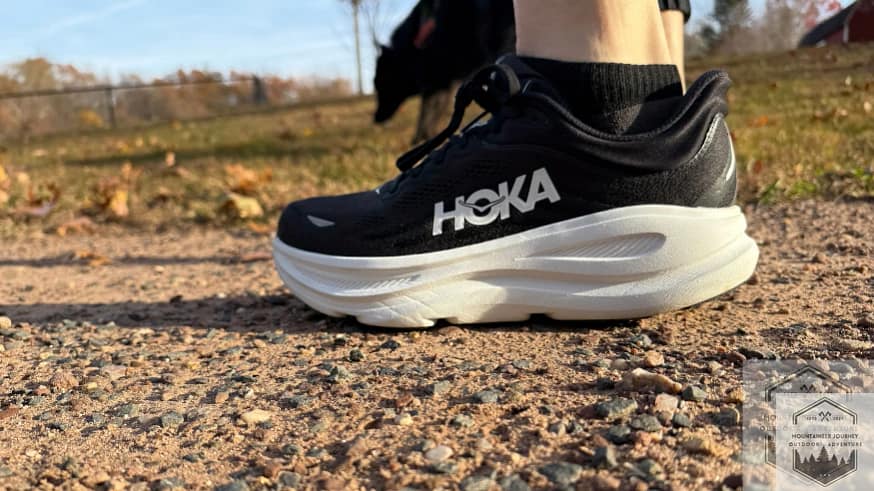
I personally tested the Hoka Bondi 9 since its 2024 release, logging over 100 miles across varied conditions including road runs, recovery sessions, track work, and 12-hour work shifts in clinical environments.
Testing included daily training runs at various paces, long walks on concrete surfaces, standing work shifts, and cold weather performance evaluation to assess real-world comfort and durability.
All shoes tested are purchased independently without manufacturer sponsorship or free products, ensuring objective evaluation without commercial pressure influencing assessments.
My 15+ years of footwear testing experience includes thousands of miles across various shoe categories, providing context for accurate assessment of how the Bondi 9 performs relative to both Hoka’s previous models and competitive maximum cushioned alternatives.

Tyler
Tyler is the founder Mountaineer Journey and a professional Mountain Guide with 15+ years of technical experience in trekking, mountaineering, and trail sports. Having logged thousands of miles from rugged alpine summits to urban paths, Tyler provides rigorous, field-tested insights on hiking, walking, and trail running gear. All reviews are 100% unsponsored and unbiased, ensuring you get honest scoring based on real-world performance. His mission is to help outdoor enthusiasts of all levels find reliable equipment that ensures comfort, safety, and performance on any terrain.