

Our Score
Hoka Solimar 2 Review | Worth It In 2026?
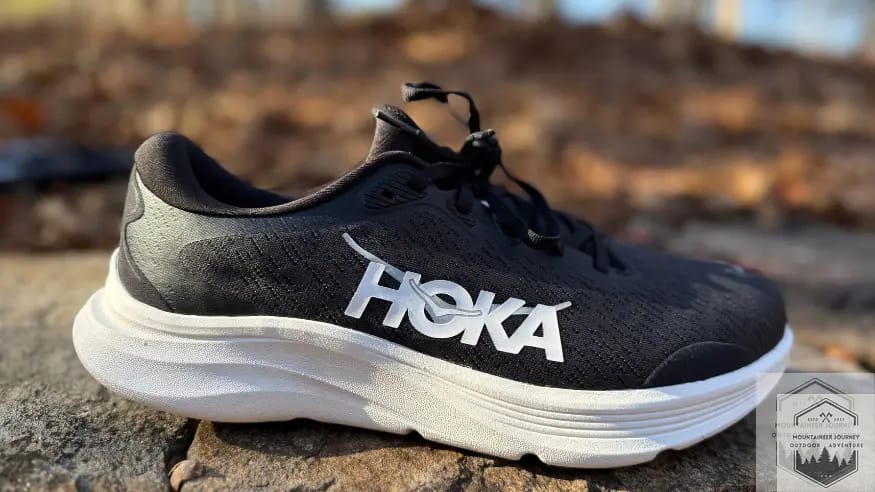
In this article, I’m sharing my Hoka Solimar 2 review after logging over 30 miles since its January 1, 2026 release.
I’ve tested walking shoes for over 16 years, and the Solimar 2 is a solid pick if you want a lightweight daily shoe for easy miles.
One sentence verdict: It nails the light, comfortable feel for everyday walking, but it’s not the shoe to choose if you need premium stability or wet grip.
I put these through real world testing to give you an honest take on whether they’re actually worth your money for daily walks.
Hoka Solimar 2 Review In Short
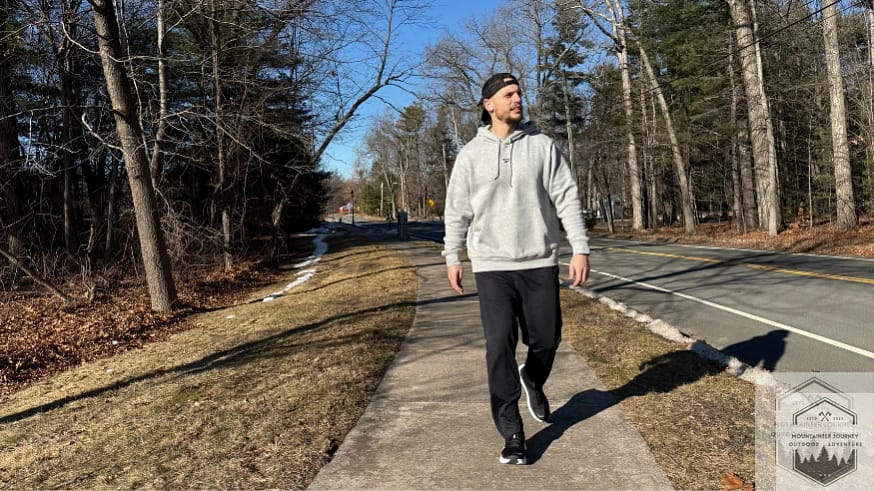
The Hoka Solimar 2 is a solid budget walking shoe at $125. It’s genuinely lightweight, and it surprised me in testing with how quick and nimble it feels on foot.
Traction and support are the tradeoffs. But if you want a comfortable, easy ride for everyday walking, it delivers.
Just don’t buy the Solimar 2 if you need a stability shoe or you’re trying to correct overpronation. It’s not built for that.
The textile mesh upper is a win for warm weather because it breathes well, but it also won’t help “hold you in” if you deal with instability.
Use it for what it is, a light, simple walking shoe for casual miles, and you’ll be happy with it.
Overall, we rated them a 7.8/10.
Compare To Similar Products
Most Comfortable Walking Shoe
8.7

Hoka Bondi 9
Our most comfortable walking shoe 2025. Extreme comfort and great energy return. Improved upper with enhanced breathability
Solimar 2 Pros and Cons
Pros
- Extremely Lightweight
- Agile
- Improved Upper
Cons
- Stability
- Traction on wet terrain
Who Should Buy the Hoka Solimar 2
- If you’re looking for a nice daily walking shoe that you want to be extremely lightweight yet comfortable
- You are looking for a gym training shoe
- If you are looking for a well-rated walking shoe under $150
Who Shouldn’t Buy The Hoka Solimar 2
- If you walked on mixed surfaces, the traction during testing was not as gratifying as some of the other Hoka walking shoes we have tested
- You need a super supportive walking shoe
Hoka Solimar 2 Price
The Hoka Solimar 2 currently is priced at $125.
Get the BEST deal on the Hoka Solimar 2 at the LOWEST Price Available:
Disclosure: These links may provide a discount and in return, give us a commission to help run this website
Hoka Solimar 2 Comfort
When I first put on the Solimar 2, I could tell right away it wasn’t that plush step in feel you get from the Hoka Bondi 9 or Clifton 10.
The cushioning felt more balanced, it wasn’t plush nor overly firm. The footbed had just a little bit of give to it.
The upper is smooth and comfortable. I was able to lock my heel down tight without any lace bite, squeezing, or pressure on the top of my foot.
The tongue padding is solid too, and it stayed comfortable even when I cinched the laces.
The toe box is more moderate. My toes weren’t able to fully splay out like they can in wider walking shoes, but it also never felt cramped or numb.
On concrete and hard floors, impact absorption was good, but don’t expect that max shock absorbing ride the Bondi 9 and Clifton 10 are known for. This feels more controlled than ultra cushy.
The rockered sole is much more smooth than other models. The transition still felt smooth because the shoe is lighter than most Hoka models, so it doesn’t feel clunky on toe off.
The good thing is that the shoe only took the first walk to be broken in. After that, the fit was nice and dialed in.
Comfort Score: 7.5/10 (30%)
Support
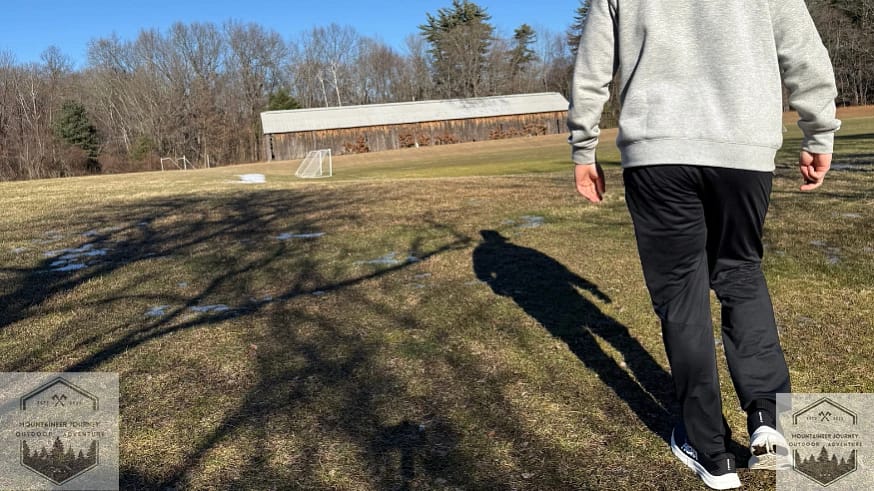
The Solimar 2 isn’t a true stability walking shoe.
Hoka markets the Solimar 2 with J-Frame guidance for overpronation, but in my testing it felt mild, not corrective. It helps keep you centered, but if you need real stability, this isn’t the shoe I’d pick.
That said, the sidewalls do help keep your foot tucked in and centered through the stride.
The platform is not super wide, but since the stack height is lower, I never got that topple over feeling you can get in taller, softer shoes.
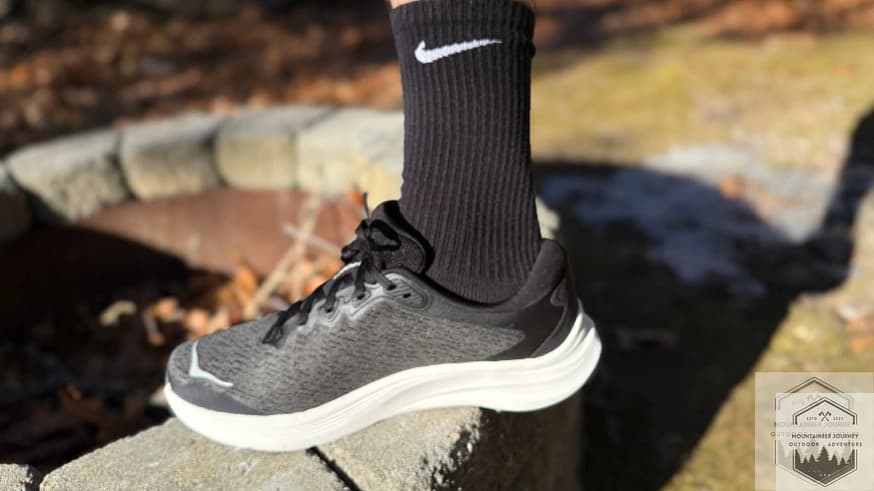
Where it fell short for me was ankle and side to side confidence. I did not feel locked in, and the collar sits pretty low around the ankle. If you want real ankle support, this is not that shoe.
The Solimar 2 is also very flexible, which makes toe off feel smooth and efficient. But that flexibility comes with a tradeoff. Forefoot stability is not as strong because the shoe can bend and twist a bit too easily.
I tested them on concrete, asphalt, small trail paths, gravel, and indoor floors, and the stability feel stayed pretty consistent across all of it.
One good piece of data was the foam compression. Every step felt predictable with no over compression and none of that mushy collapse you get in softer midsoles.
For those looking for a more stability-focused shoe check out the Graviota 6.
Support Score: 7/10 (20%)
Traction
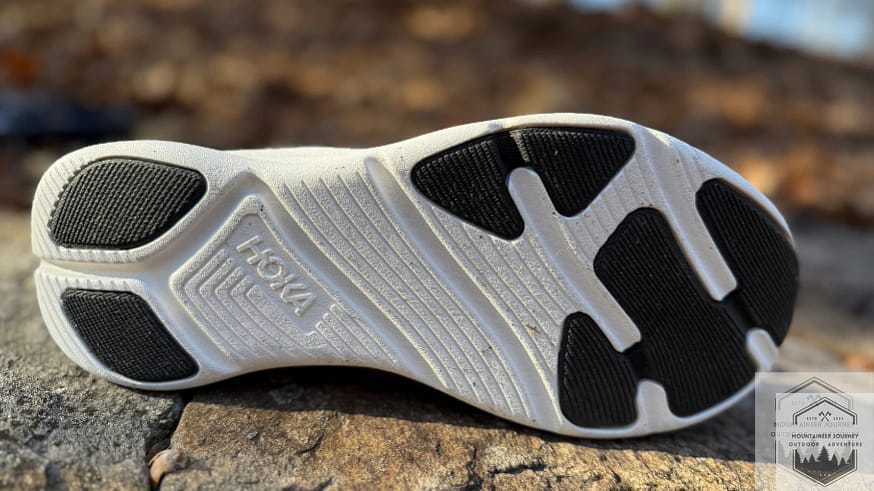
The Solimar 2 uses Hoka’s Durabrasion rubber, but the outsole design is lighter and more recessed than what you see on newer models like the Gaviota 6 or the Brooks Ghost Max 3.
Instead of full rubber coverage, a lot of the tread sits down in indentations to keep weight down.
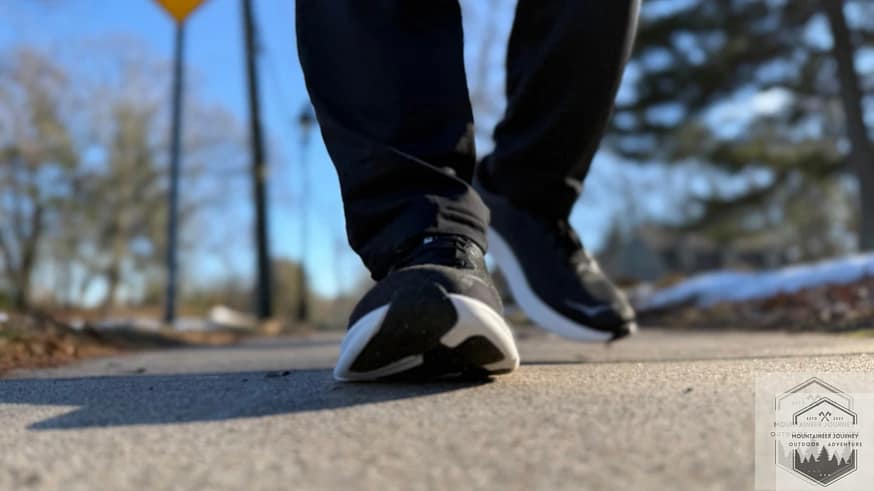
That works fine in dry conditions. On dry concrete and asphalt, grip felt solid and I had no issues with push off traction.
Wet pavement is where the outsole shows its weakness. I noticed a few small slips, and it simply did not feel as confident as other walking shoes I have tested.
Downhill, heel braking was just okay. The heel does not extend far enough to give you that extra ground contact, so it does not “bite” the way better walking outsoles do.
Hoka did add traction islands in higher wear zones, which helps durability, but I still wish they used more full tread coverage across the entire outsole.
Those recessed sections can create dead spots in slick conditions, especially in the midfoot.
Overall, traction is fine for indoor walking and dry sidewalks, but wet grip is below average compared to the best walking shoes in this category.
Traction Score: 7/10 (15%)
Weight
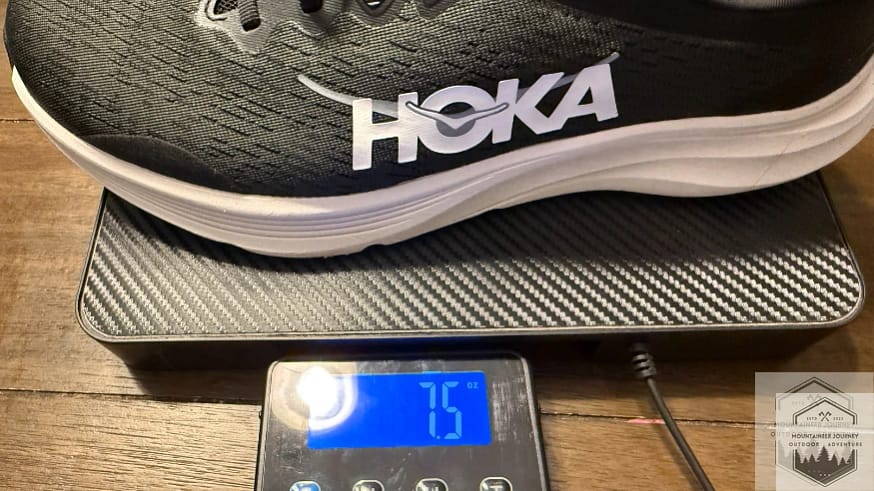
I weighed the Solimar 2 at 7.5 ounces per shoe on our scale.
Weight varies by size and width. Hoka lists 8.6 oz for the men’s spec size, so take my number as a real-pair datapoint, not a universal spec
That’s the lightest walking shoe I’ve tested so far, and you feel it immediately. It’s nimble, quick, and easy to pick up with each step.
On foot, the weight feels true. It’s evenly balanced through the heel and forefoot, so it never feels back heavy or like the shoe is dragging behind you.
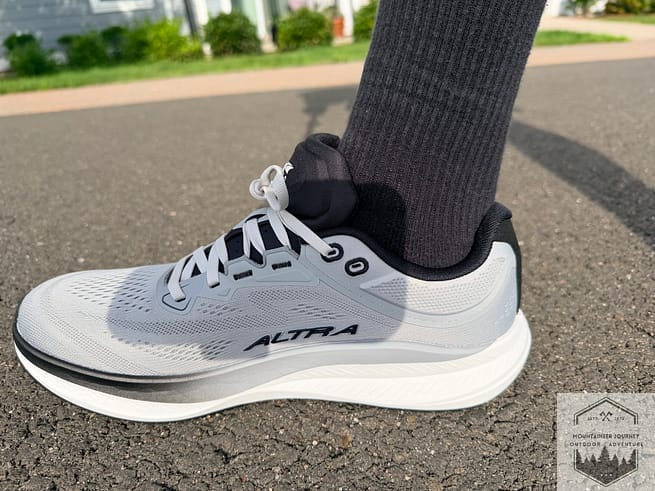
For reference, our closest lightweight shoe is the Altra Experience Flow 2, which we weighed at 9 oz.
Weight Score: 9.5/10 (15%)
How Does The Hoka Solimar 2 Fit?
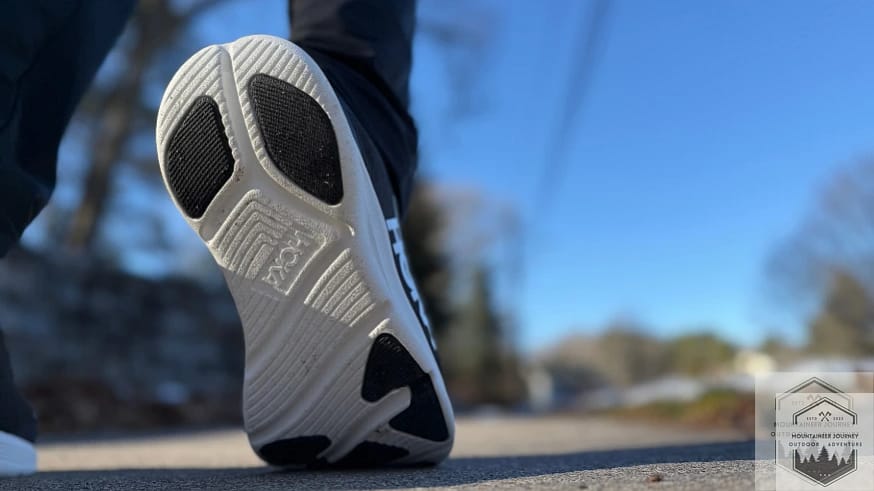
I tested the Solimar 2 in a men’s wide 10.5.
This model runs a bit narrow, so I went with the wide and I’m glad I did.
Fit was true to size overall, and nothing felt overly tight or compressed. The textile mesh has a forgiving feel too, especially if you have a higher volume foot.
That said, I wouldn’t recommend the Solimar 2 if you’re extremely wide footed. Even in the wide, it still won’t feel truly roomy for that foot shape.
Fit Score: 8/10 (15%)
Is the Hoka Solimar 2 Worth It?
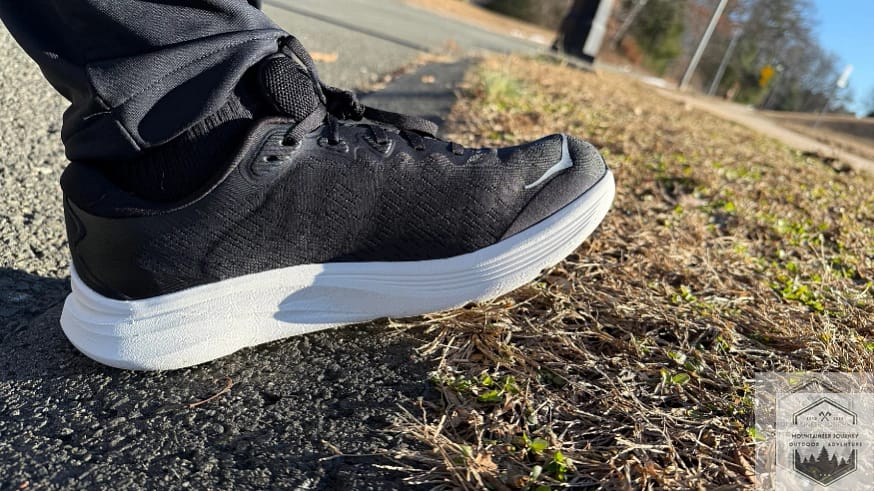
At $125, the Hoka Solimar 2 is a tempting pick if you want a lightweight daily walking shoe.
The redesigned mesh upper keeps things comfortable for all day wear, and the underfoot feel is pleasantly cushioned for the price.
If you want something under $150 for daily walks, dog walks, errands, gym days, or just a grab and go shoe around the house, the Solimar 2 makes sense.
Just keep your expectations realistic. This is not a max cushion monster, and it is not going to win any awards for stability or traction.
If you were looking for a more neutral lightweight option, check out the Altra Experience Flow 2, or the Hoka Transport for enhanced traction.
Value Score: 8.5/10 (5%)
Scoring Breakdown
Comfort (30%): 7.5/10
Support (20%) : 7/10
Traction (15%): 7/10
Weight (15%) : 9.5/10
Fit (15%) : 8/10
Value (5%) : 8.5 / 10
Total Weighted Score:
Total Weighted Score = 2.25 + 1.40 + 1.05 + 1.425 + 1.20 + 0.425 = 7.75 / 10
Our Rating: 7.8
How We Tested and Our Methodology

I personally tested the Hoka Solimar 2 since its 2026 release. This testing included daily commuting, 12-hour work shifts, weekend trail hikes, and various weather conditions to evaluate real-world performance. We continue to test the Solimar 2 into 2026.
All shoes tested are purchased independently without manufacturer sponsorship or free products. This is so we can test WITHOUT pressure from sponsorships and keep everything objective.
My 16+ years of footwear testing experience includes thousands of miles in various shoe categories, from lightweight running shoes to heavy hiking boots. This background enables accurate assessment of how the Solimar performs in real world conditions.

Tyler
Tyler is the founder Mountaineer Journey and a professional Mountain Guide with 15+ years of technical experience in trekking, mountaineering, and trail sports. Having logged thousands of miles from rugged alpine summits to urban paths, Tyler provides rigorous, field-tested insights on hiking, walking, and trail running gear. All reviews are 100% unsponsored and unbiased, ensuring you get honest scoring based on real-world performance. His mission is to help outdoor enthusiasts of all levels find reliable equipment that ensures comfort, safety, and performance on any terrain.