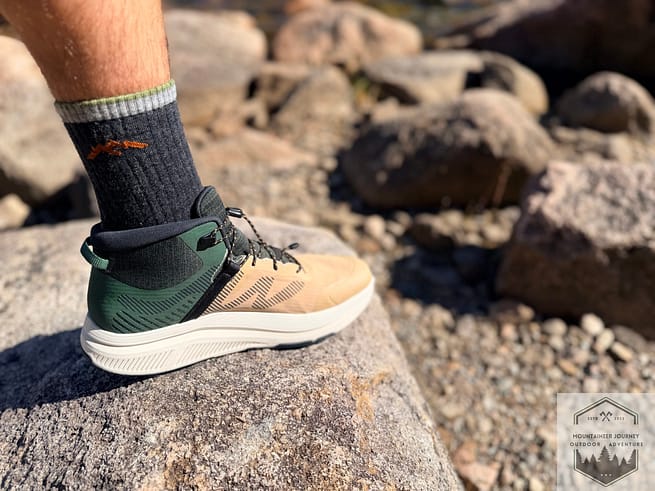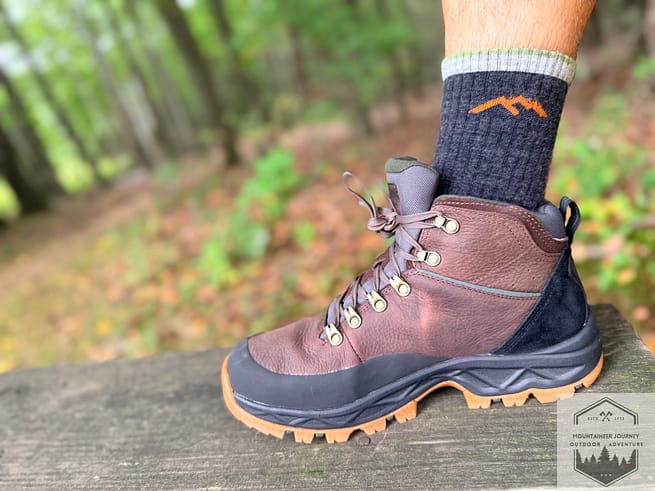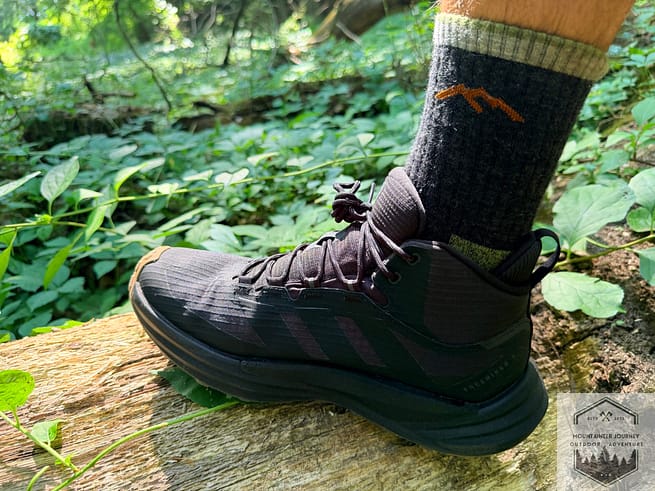
Hoka Kaha 3 vs Adidas Terrex Free Hiker 3 | Which Is Better In 2026?
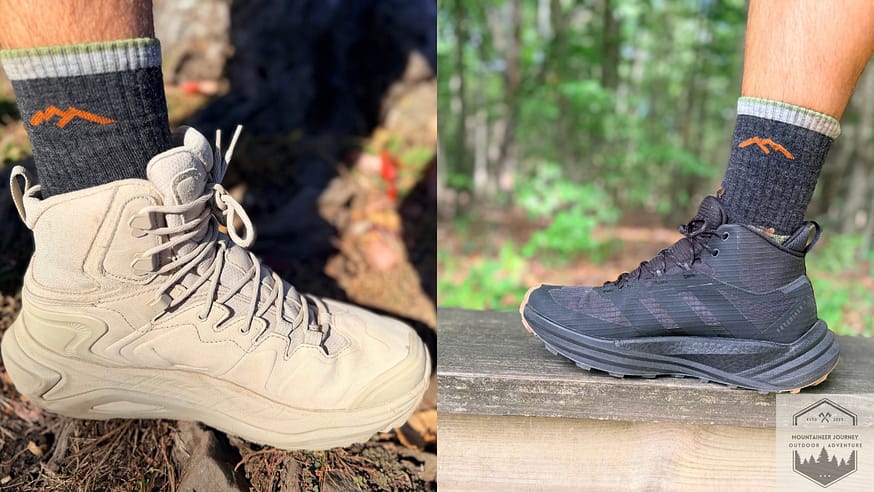
Hoka Kaha 3 vs Adidas Terrex Free Hiker 3: Our Verdict
The Hoka Kaha 3 is the better hiking boot for most hikers. After testing both models using our standard scoring rubric, the Kaha 3 scored 9.6 out of 10, while the Terrex Free Hiker 3 scored 8.9 out of 10. The Kaha 3 wins on protection, stability and support, durability, and long-term value, especially for hikers carrying a heavy pack or navigating uneven terrain across multiple seasons.
That said, the Adidas Terrex Free Hiker 3 is the better pick for hikers who want an extremely lightweight boot with maximum cushioning and a trail shoe feel. At roughly 14 ounces per boot versus the Kaha 3’s 20.49 ounces, the Terrex is built for speed hiking and day trips where low weight and agility matter more than armor. The Adidas Terrex Free Hiker 3 is designed for fast-paced and lightweight hiking.
Mountaineer Journey purchased both hiking boots and tested them unsponsored using the same scoring system we apply to every boot we review. My background in orthopedic surgery informs the fit, support, and injury-prevention guidance throughout this comparison. Where joint health, ankle stability, or conditions like plantar fasciitis influence the recommendation, I will call that out directly.
If you want to learn more about each boot individually, I tested each product in my Hoka Kaha 3 Review and Adidas Terrex Free Hiker 3 Review.
| Our Objective Measurements | Hoka Kaha 3 | Adidas Terrex Free Hiker 3 |
|---|---|---|
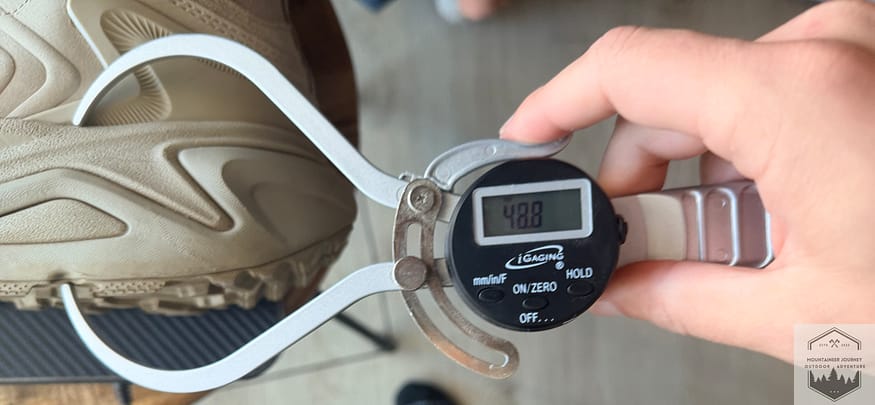
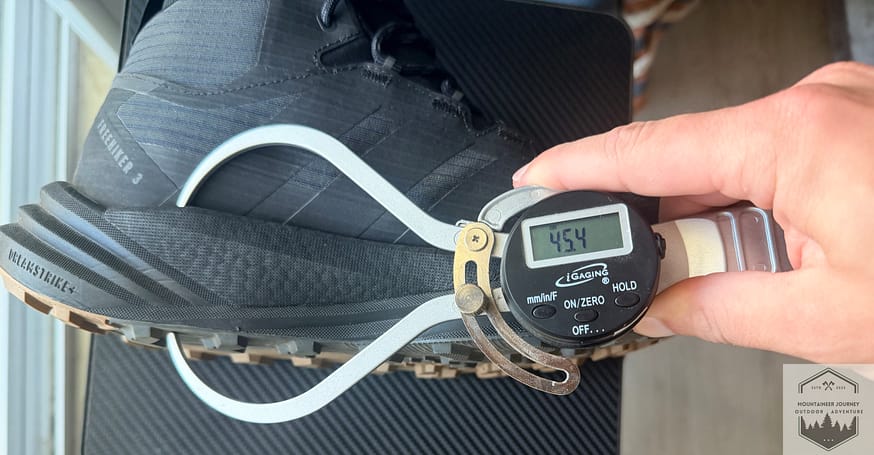
| Heel Stack Height | 48.8 mm | 45.4 mm |
| Forefoot Stack Height | 32.8 mm | 28.1 mm |
| Heel to Toe Drop | 16.0 mm (48.8 – 32.8) | 17.3 mm (45.4 – 28.1) |
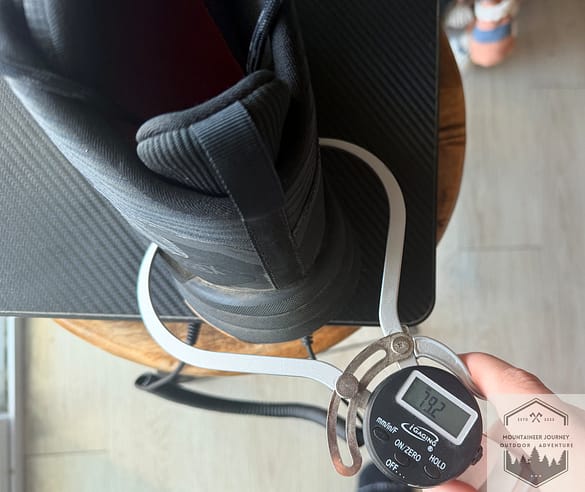
| Heel Width | 87.0 mm | 79.2 mm |
| Forefoot Width | 96.5 mm | 94.5 mm |
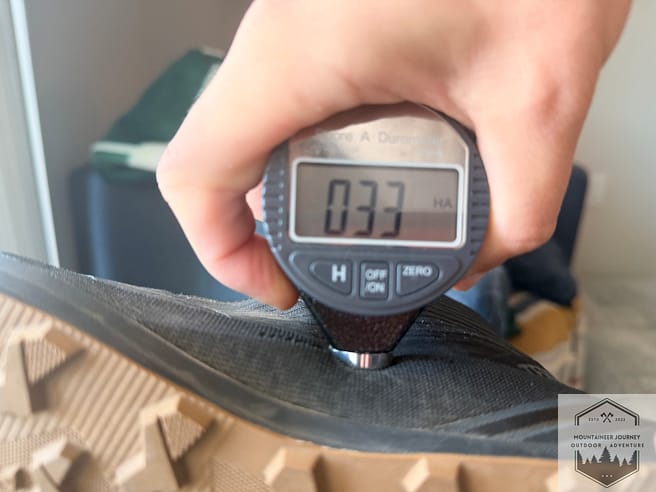
| Midsole Hardness (HA) | 33.5 | 33.0 |
Comfort
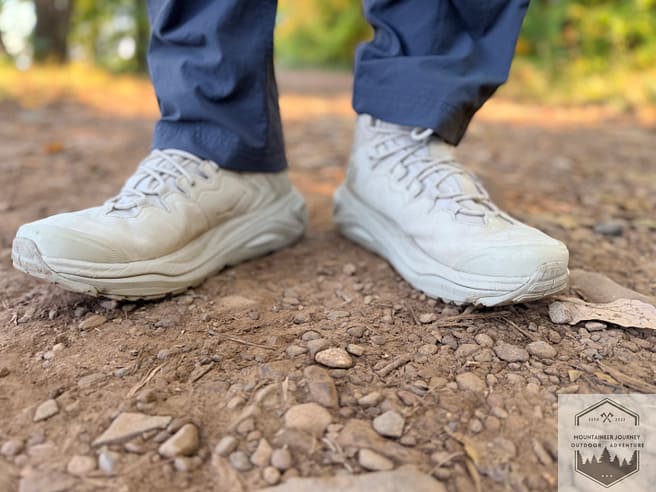
Both boots scored highly for comfort but deliver it through different construction approaches.
The Hoka Kaha 3 uses a dual-density sugarcane EVA midsole paired with Hoka’s MetaRocker geometry. That cushy midsole provides a rolling stride that reduces forefoot fatigue across long days with a pack.
The plush padding around the ankle cuff and tongue, combined with a secure heel hold, meant zero hot spots over 180+ miles of testing. The Hoka Kaha 3 is designed for long-haul backpacking and maximum cushioning, and the ride confirms it. The leather toe box requires a short break-in period, but once it settles, the comfort is outstanding. Hoka Kaha 3 GTX provides plush cushioning for all-day comfort.
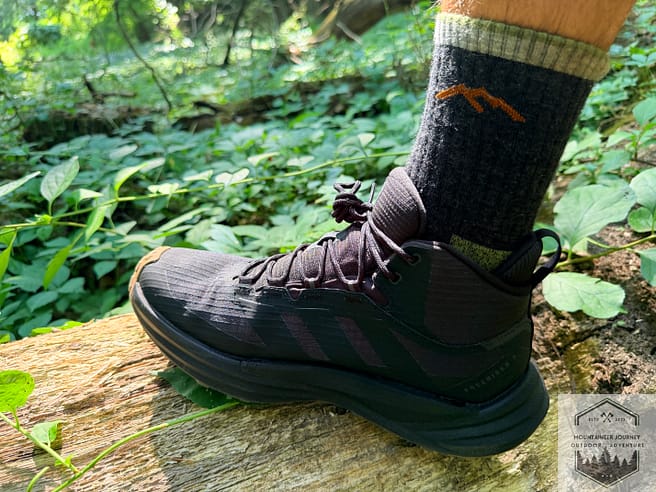
The Terrex Free Hiker 3 takes a different path. Its Dreamstrike insole and midsole cushioning create a softer, bouncier platform with a 41 mm heel stack height (measured with our caliper). The upper wraps the foot like a shoe, with flex zones aligned to the arch. On steep descents on limestone scree, the boot absorbed impact well, though it feels less structured when carrying more than 20 pounds.
The Hoka Kaha 3 has a taller heel stack (48.8 mm) and a forefoot stack (32.8 mm), for a 16 mm drop. The Terrex has a 17.3 mm drop, with 45.4 mm at the heel and 28.1 mm at the forefoot as measured by our digital caliper. That higher stack on the Kaha 3 translates into more material between your foot and the ground, which is why its underfoot protection and cushioning score higher.
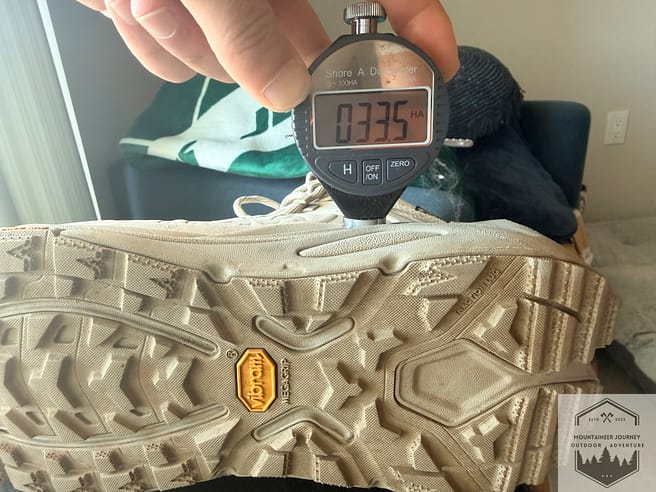
Midsole hardness, measured with our Durometer A, is nearly identical: 33.5 HA for the Kaha 3 and 33.0 HA for the Terrex. This means the cushioning foam’s raw softness is comparable between the two boots. The difference in ride feel comes from the chassis stiffness, sole geometry, and upper construction rather than foam density alone.
From an orthopedic perspective, hikers with sensitive knees, prior ankle injuries, or joint concerns will benefit from the Kaha 3’s combination of structured cushioning and heel lockdown. Both shoes aim to reduce foot fatigue on long outings, but the Kaha 3 also limits torsional motion at the ankle. Lighter hikers or day hikers who want a trail-running shoe feel will prefer the Terrex’s softer, nimbler ride.
Hoka Kaha 3 Comfort: 9.5/10
Adidas Terrex Free Hiker 3 Comfort: 9/10
Winner: Kaha 3
Traction
Both outsoles use premium rubber compounds, but the lug designs and sole stiffness create different grip characteristics.
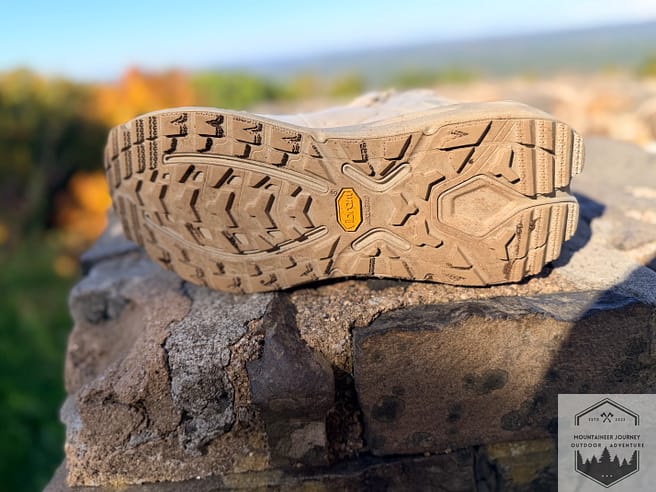
The Hoka Kaha 3 features a Vibram Megagrip outsole with aggressive multidirectional lugs and a Hubble Heel design that extends the rear contact area with the ground. I measured the Vibram Megagrip lugs at 5 mm. On wet granite, red basalt, and limestone across steep grades, the grip held without slipping.
Braking on steep descents and traction on wet rocks stood out as the Kaha 3’s best qualities. The stiffer sole platform translates force more directly into the ground, giving you confidence when carrying a heavy pack on technical terrain.

The Adidas Terrex Free Hiker 3 Ultra has a robust Continental outsole with 3 mm lugs arranged in a double chevron pattern along the medial and lateral edges, with horizontal patterns at the front and rear. The Adidas Terrex Free Hiker 3 has excellent grip on technical trails. On 25-degree wet limestone inclines, they were locked in.
On dirt singletrack and shale, it held well. Limitations appeared in deep mud, where the Terrex’s more flexible platform and shallower effective bite let torque build rather than channeling it into the ground. Softer outsoles like Contagrip wear faster than Vibram, and while Continental rubber sits between them in longevity, the Vibram Megagrip outsole on the Kaha 3 still holds an edge for sustained rugged use.
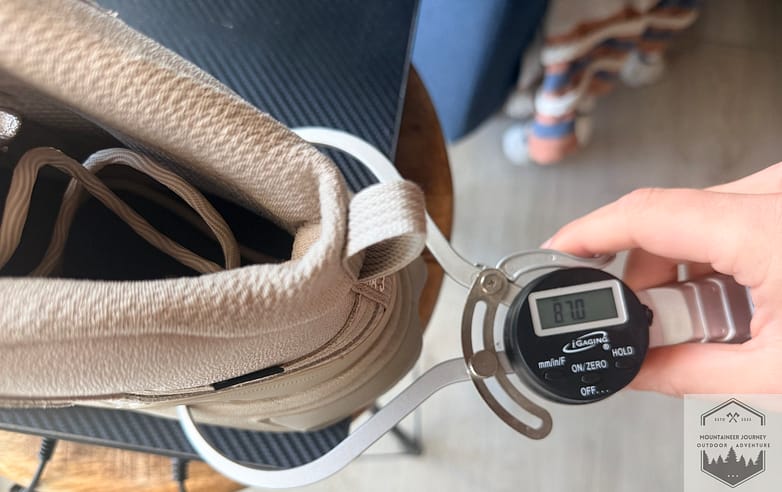
The core difference is platform rigidity. The Kaha 3’s stiff sole, larger heel-to-ground contact area (87mm vs the 79mm heel width on the Terrex), and wide base deliver exceptional grip and braking under load, especially on loose or steep terrain. The Terrex feels quicker underfoot and conforms better to mixed surfaces, giving it a nimble, responsive feel on established trails
Hoka Kaha 3 Traction: 9.5/10
Adidas Terrex Free Hiker 3 Traction: 9/10
Winner: Kaha 3
Stability and Support

This category is critical for hikers with ankle issues, prior injuries, or those carrying 20+ pound packs.
The Hoka Kaha 3 earned a perfect 5/5 for stability and support. Its wide base platform, elevated sidewalls, and tall ankle cuff cradle the heel and midfoot. The Hubble Heel design reduces excess pronation and supination, while the MetaRocker geometry guides each stride forward with less torsional stress on the Achilles tendon and ankle joint.
A firm heel counter enhances stability and support in hiking shoes, and the Kaha 3’s heel counter is among the most structured I have tested. When traversing sidehills or descending steep, loose terrain with a 30-pound pack, the boot felt locked in and planted.

The Terrex Free Hiker 3 scored a 4.5/5 for stability and support. It uses a mid-height knit-style collar and structured heel counter that provide more support than a low trail runner but less than a full leather boot. Given the Terrex Freehiker 3’s lighter weight, it offers very good support for its weight class, since lighter boots tend to have less support.
On sidehill traverses and technical sections, foot placement was secure with minimal heel slip. Under heavy load, though, the softer platform allows more micro-movement than the Kaha 3.
The internal membrane of hiking shoes should hug the foot tightly, and both boots achieve this. The difference is structural: the Kaha 3’s stiffer chassis resists lateral forces, while the Terrex’s more flexible build absorbs them without redirecting them.
For hikers with a history of ankle sprains, knee osteoarthritis, or flat feet, the Kaha 3 provides more correction and control. Fitter, more agile hikers accustomed to trail runners will find the Terrex Free Hiker 3’s flexible support sufficient for lighter loads.
Hoka Kaha 3 Stability & Support: 5/5
Adidas Terrex Free Hiker 3 Stability & Support: 4.5/5
Winner: Kaha 3
Fit
Both boots are true to size in length, but their internal volumes differ.
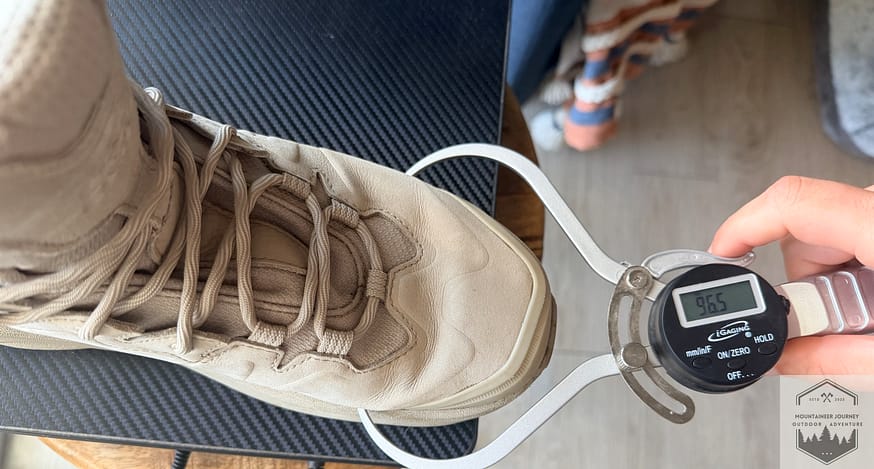
I tested both hiking boots in a size 10.5, normal width. The Hoka Kaha 3 offers a roomy forefoot, secure midfoot lock, and minimal heel lift. Over 180+ miles of testing, the lockdown stayed consistent, with no hot spots or pressure points.
Minor lacing hook orientation issues caused the same problem I have noticed on previous Hoka models: laces can slip out of the top eyelets before you finish tying, a small annoyance but not a dealbreaker.
The Terrex Free Hiker 3 offers a slightly more streamlined, running-shoe-type fit around the midfoot and heel. Step-in comfort is immediate, with almost no break-in time required. The toe box is spacious, and the upper wraps the foot snugly. For hikers with average-width feet, the fit is excellent. Very wide feet may find the midfoot a bit narrower than in the Kaha 3.
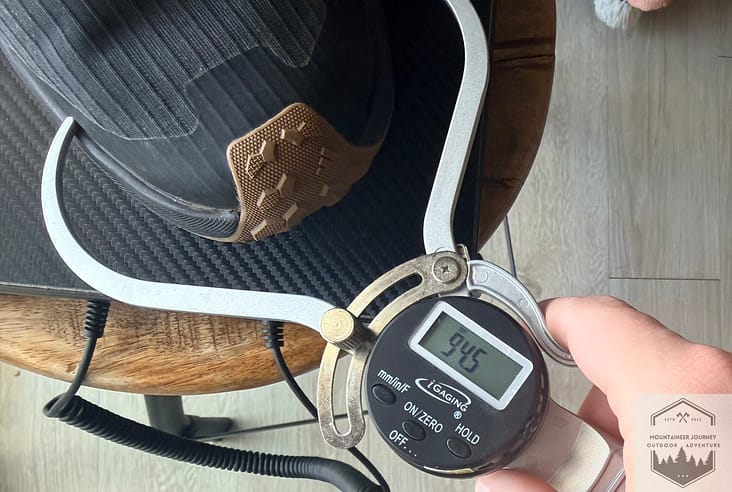
The Kaha 3 is notably wider in both heel (87.0 mm vs 79.2 mm) and forefoot (96.5 mm vs 94.5 mm), offering more room for hikers who need extra volume or a more stable platform. That 7.8 mm heel-width difference is part of why the Kaha 3 feels more planted on sidehills and loose ground.
For hikers who use custom orthotics or supportive insoles, the Terrex Free Hiker 3 is the better choice because its roomy forefoot and structured heel counter leave space for thicker inserts without compressing the foot.
Hoka Kaha 3 Fit: 4/5
Adidas Terrex Free Hiker 3 Fit: 5/5
Winner: Terrex Free Hiker 3
Weight

We weighed our men’s Hoka Kaha 3 at 20 oz per boot for a men’s size 10.5. The Hoka Kaha 3 is heavier and built for stability and support under a load. It feels like a traditional, supportive hiking boot with a modern cushioned ride, not a fastpacking shoe. On rocky, uneven terrain with a 25-pound pack, that weight becomes an asset because it translates into platform stability. On flat, fast trails without a pack, it can feel a bit sluggish.

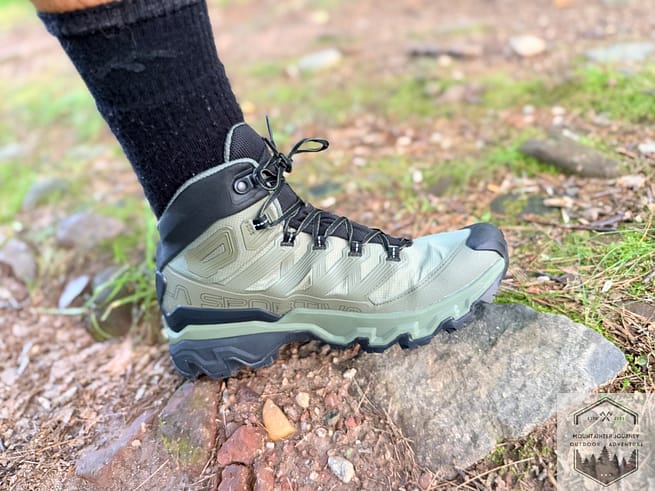
The Terrex Free Hiker 3 weighs around 14 ounces per boot. That is roughly 6.5 ounces lighter per foot, which adds up over miles. The Adidas Terrex Free Hiker 3 is lighter and more agile, suitable for speed hiking. It feels like a trail running shoe with an added ankle collar, ideal for faster paces and switchbacks. On longer days, it weighs about 2 oz less than the Salomon X Ultra 5.
For hikers seeking minimal fatigue, quick movement, and a shoe-like boot, the Terrex Free Hiker 3 is the clear pick. For hikers willing to carry more weight per foot in exchange for a protective, stable platform on rugged terrain, the Kaha 3 is the right tool. Our best lightweight hiking boots roundup includes the Terrex and other models in this weight class.
Scoring Breakdown: Kaha 3 vs Terrex Free Hiker 3
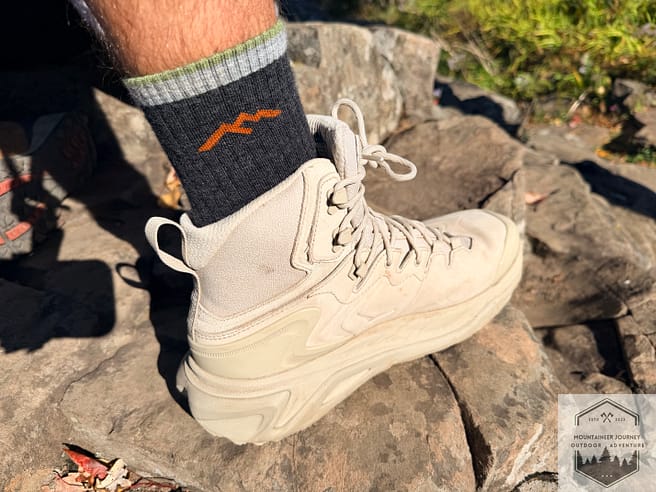
Below is the full category-by-category scoring summary using our standard rubric. As you may see, this review article doesn’t cover some of these categories. However, we included only the head-to-head comparison categories that make the difference between the two. Please see our individual reviews for each boot so we can score them fully.
Hoka Kaha 3 GTX
- Comfort: 9.5 out of 10
- Traction: 9.5 out of 10
- Overall Protection: 4.5 out of 5
- Waterproofness: 5 out of 5
- Stability and Support: 5 out of 5
- Fit: 4.5 out of 5
- Durability: 10 out of 10
- Value: 5 out of 5
Total: 53 out of 55 (9.6 out of 10)
Adidas Terrex Free Hiker 3
- Comfort: 9 out of 10
- Traction: 9 out of 10
- Overall Protection: 4 out of 5
- Waterproofness: 5 out of 5
- Stability and Support: 4.5 out of 5
- Fit: 5 out of 5
- Durability: 8.5 out of 10
- Value: 4.5 out of 5
Total: 49 out of 55 (8.9 out of 10)
Which Should You Buy: Hoka Kaha 3 or Adidas Terrex Free Hiker 3?
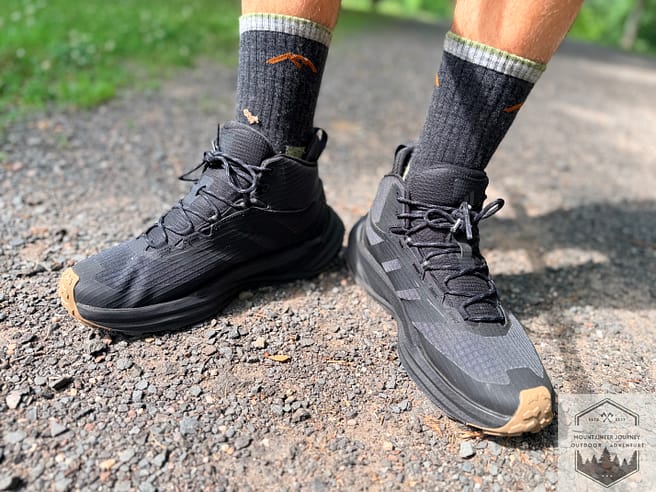
Both are excellent boots. The right one depends on how you hike, what you carry, and what terrain you cover.
Choose the Hoka Kaha 3 if you are:
- Backpacking with moderate to heavy loads (20+ pounds)
- Spending most of your time on rocky, technical, or off-trail routes
- Needing maximum ankle support and long-term joint protection, especially with prior foot or ankle issues
- A four-season hiker who wants one pair of boots for cold, wet, and variable conditions
Choose the Adidas Terrex Free Hiker 3 if you are:
- A day hiker or fast hiker on established trails
- Carrying light or no pack weight
- Seeking a lightweight, cushioned boot that feels comfortable in town and on trail
- Prioritizing agility, low fatigue, and a running shoe stride over maximum structure
From my orthopedic surgery background: for a hiker with unstable ankles, plantar fasciitis, or a history of sprains, I would recommend the Kaha 3 without hesitation. Its heel lockdown, MetaRocker geometry, and wide base reduce the forces that cause re-injury. For a younger, injury-free hiker accustomed to trail runners who wants a boot that doesn’t slow them down, the Terrex Free Hiker 3 delivers performance and comfort at 14 ounces per foot.
The Hoka Kaha 3 is our overall winner. But choosing the right boot means matching the tool to your terrain, pack weight, and body. Both models ranked among our best hiking boots for 2026, and either will serve you well in its intended use case.

Tyler is the founder Mountaineer Journey and a professional Mountain Guide with 15+ years of technical experience in trekking, mountaineering, and trail sports. Having logged thousands of miles from rugged alpine summits to urban paths, Tyler provides rigorous, field-tested insights on hiking, walking, and trail running gear. All reviews are 100% unsponsored and unbiased, ensuring you get honest scoring based on real-world performance. His mission is to help outdoor enthusiasts of all levels find reliable equipment that ensures comfort, safety, and performance on any terrain.