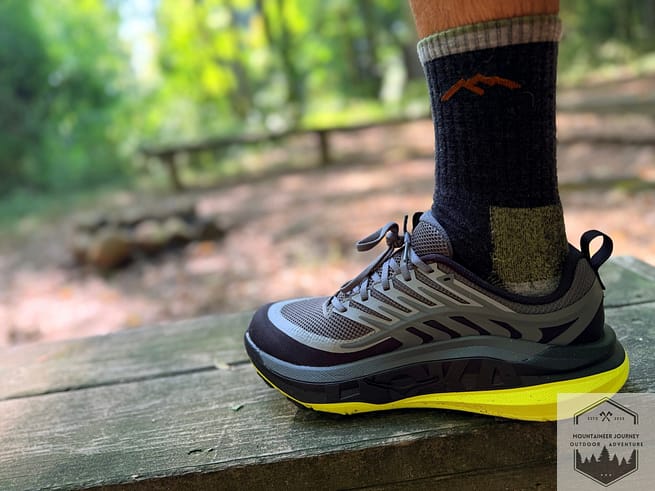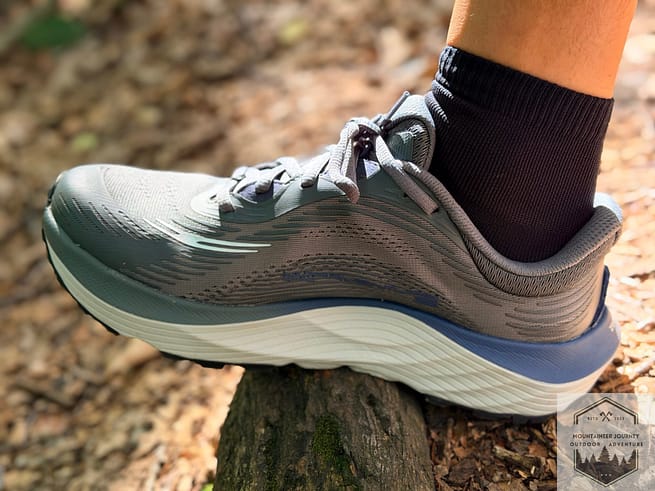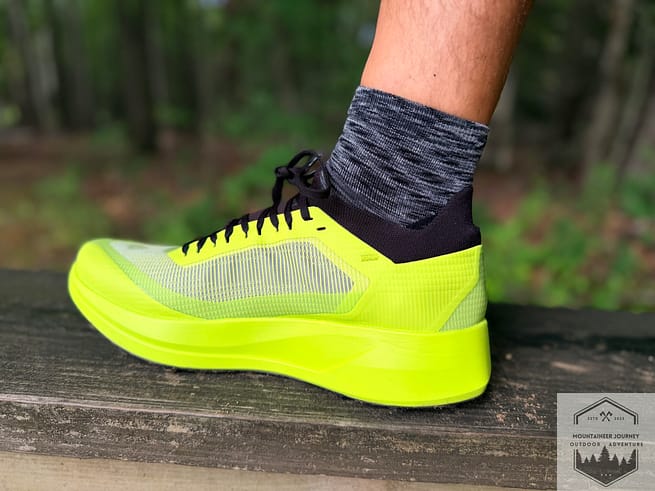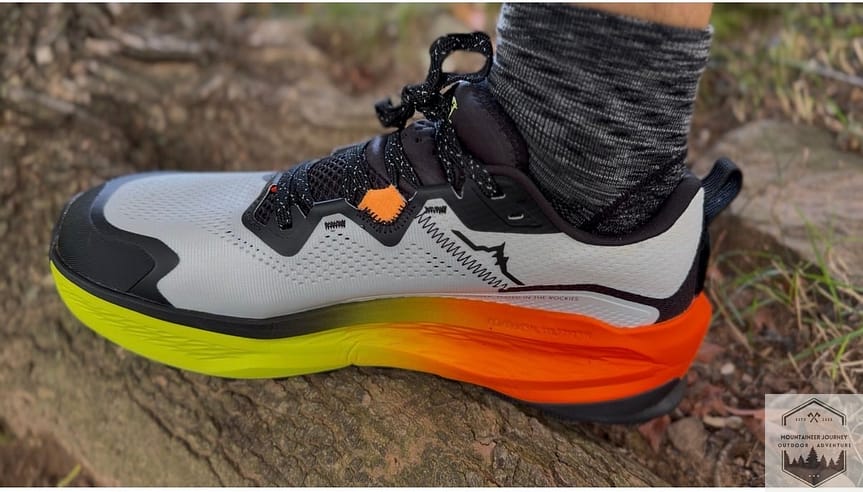
Hoka Speedgoat 7 Vs Hoka Speedogoat 6 | 2026 Comparision
| Comparision | Product | Rating | Price |
|---|---|---|---|
 | 8.6 | Check LOWEST PriceRead Review | |
 | 7.5 | Check LOWEST PriceRead Review |
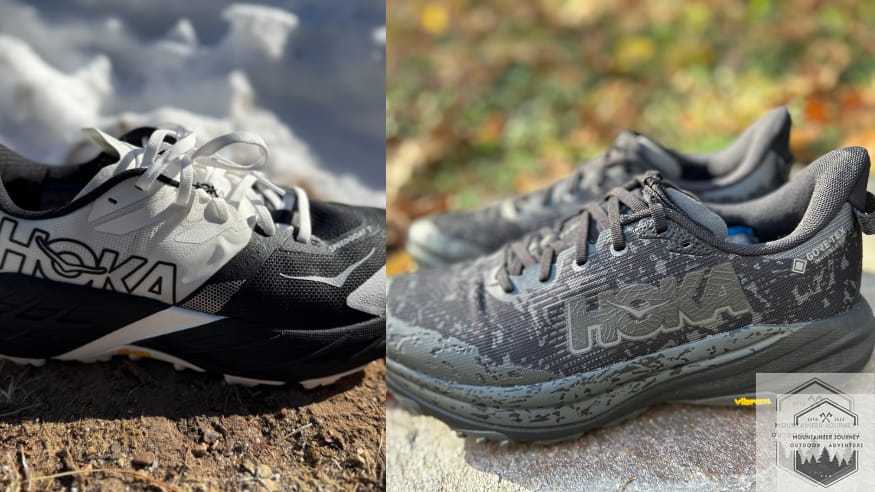
In this article, I’m going to share my HONEST Hoka Speedgoat 7 vs 6 comparison in detail after personally owning both Hoka trail-running shoes.
I have thoroughly tested both of these trail runners for countless hours on the trails, and I aim to offer a professional trail runner’s critical opinion.
I’ll be comparing these two head-to-head in categories like price, comfort, traction, overall protection, fit, weight, stability and support, and durability.
Then, at the end, I’ll share which product offers the best overall value for the money and provide my overall recommendation for which you should buy.
Also, if you’re interested in learning more, I have tested each product individually in my Hoka Speedgoat 7 Review and Hoka Speedgoat 6 Review.
Hoka Speedgoat 7 vs 6 Price Comparison
| Comparision | Product | Rating | Price |
|---|---|---|---|
| 8.6 | Check LOWEST PriceRead Review | |
| 7.5 | Check LOWEST PriceRead Review |
Overall, the Hoka Speedgoat 7 is $10 more expensive than the Hoka Speedgoat 6 at retail.
Speedgoat 6 Price: $155 (often available for ~$123)
Speedgoat 7 Price: $165
The Speedgoat 6 has been on the market since June 2024, so you can frequently find it discounted to around $123 from various retailers. The Speedgoat 7 launched on February 1, 2026, which means it is still commanding full retail price in most places.
Comfort
Both the Hoka Speedgoat 6 and Speedgoat 7 deliver solid comfort for a trail running shoe, yet the 7 represents a meaningful step forward in cushioning technology.
The Speedgoat 6 features a compression-molded EVA (CMEVA) midsole, while the 7 has a Supercritical EVA midsole.
While the midsole itself provides decent cushioning and durability, the rigid upper of the 6 noticeably reduces step-in comfort. I felt a lot of compression on the top of my foot from the dual gusseted tongue, and the heel collar offered less padding than I expected.
The Speedgoat 6 also struggled with impact absorption during my testing. I felt the mid-aspect of my foot was taking a lot of pounding, with no energy return. It was very similar to the Saucony Peregrine 16.
The Speedgoat 7 has an impressive 37mm heel stack height; it promises a wonderfully cushioned and responsive ride, ensuring fantastic impact absorption. You’ll love how it makes every run feel smoother and more enjoyable.
The midsole provides a balance of cushioning and stability that I found noticeably better than the 6, especially on long runs across rocky terrain.
That said, neither shoe offers perfect step-in comfort right out of the box. The Speedgoat 7 requires a 10- to 15-mile break-in period before the upper truly starts to conform and feel natural.
The Speedgoat 7’s heel collar is longer than the Speedgoat 6’s, providing more ankle cushioning and a more comfortable ride once broken in. The responsive foam in the 7 also makes descents far less fatiguing compared to the firmer feel of the 6.
The Speedgoat 7 features a redesigned tongue to prevent debris from entering, and the improved padding reduces the hot spots I experienced with the 6’s stiffer, dual-gusseted tongue.
The Speedgoat 7 is much better in terms of comfort for trail runners and hikers who prioritize a more cushioned, responsive ride and are willing to break in the shoe for a secure, locked-in fit on technical terrain.
Hoka Speedgoat 6 Comfort: 3 out of 5
Hoka Speedgoat 7 Comfort: 4.5 out of 5
Winner: Speedgoat 7
Traction
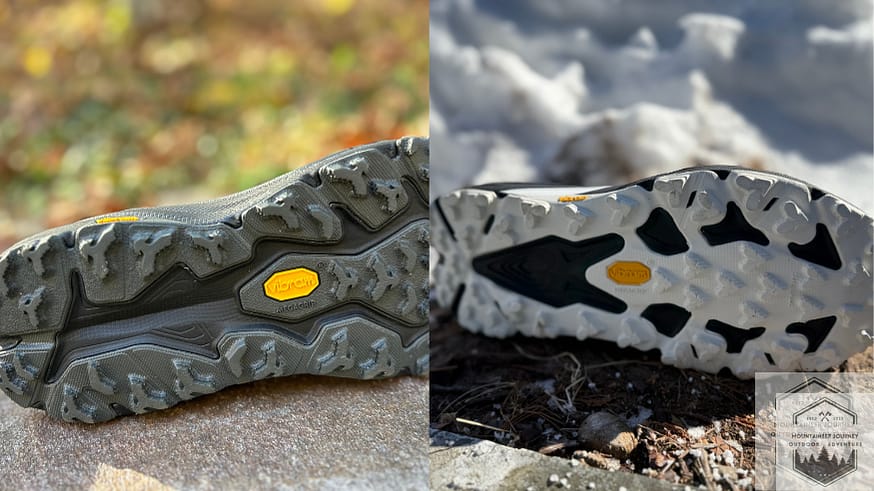
Both the Speedgoat 6 and Speedgoat 7 feature a Vibram Megagrip outsole, but the 7 takes traction to the next level with a significantly upgraded design.
The Speedgoat 7 has a redesigned Chevron-shaped lug pattern for improved traction in mud(very similar to the Salomon Speedcross 6). The outsole pattern was upgraded for improved traction on steep terrain, and it shows.
From my personal experience, the Speedgoat 7’s traction felt noticeably more confident when tackling slippery creek crossings and steep descents.
The addition of lateral forefoot lugs and micro spikes gave me extra grip on loose scree and icy patches where the Speedgoat 6 occasionally felt a bit less sure-footed.
The lugs on the 7 excelled on loose gravel, and I appreciated how well the lugs shed mud during wet runs, keeping the outsole clean and maintaining grip.
The Speedgoat 6 already had excellent traction for a trail-running shoe thanks to its aggressive Vibram outsole. I tested it across wet mud, slate, steep grades, and technical terrain, and it held firm.
However, I found that on very loose or slick surfaces, it lacked the additional bite that the 7’s upgraded lug pattern provides.
The 6 is still a great choice for runners who prefer a slightly softer, more flexible sole that adapts well to varied terrain but don’t require maximum-traction lugs.
In summary, the Speedgoat 7 is better suited for trail runners and hikers who regularly face technical, steep, or slippery terrain and want the utmost confidence in their grip.
Meanwhile, the Speedgoat 6 will satisfy those who prioritize a bit more flexibility underfoot and who run on less-demanding trails but still want solid traction.
Both deliver reliable performance, but the 7’s traction enhancements make it the superior choice for challenging trail conditions.
Hoka Speedgoat 6 Traction: 4.5 out of 5
Hoka Speedgoat 7 Traction: 5 out of 5
Winner: Speedgoat 7
Overall Protection
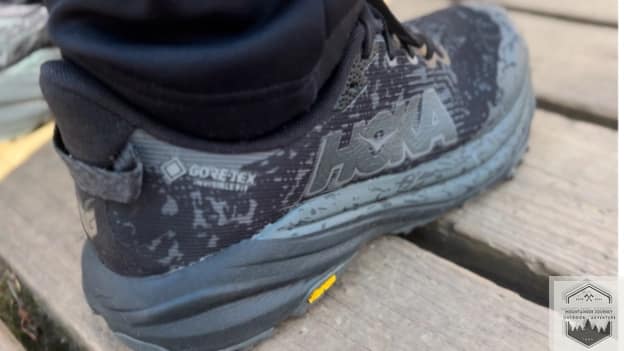
The Speedgoat 6 provides solid overall protection thanks to its thick midsole that acts as a shield against sharp rocks underfoot. The toe bumper on the 6 is reasonably wide and integrates with upper overlays to guard the front of the foot.
The dual-gusseted tongue keeps debris out of the shoe, and the heel area features robust mesh and rubber protection. I never worried about sharp objects piercing my foot while running trails in the Speedgoat 6.
The Speedgoat 7 takes a slightly different approach. It also lacks a traditional rock plate, relying instead on a higher 37mm stack height at the heel to protect against underfoot hazards.
However, the toe bumper on the 7 is thinner and does not fully cover the toe box, primarily shielding the third and fourth toes, with a harder synthetic overlay covering the rest. This is a step back from the 6 in terms of toe protection.
On the positive side, the Speedgoat 7 features a redesigned upper mesh that resists snags and brush abrasion far better than previous versions.
Overall, the Speedgoat 6 edges out the 7 in this category thanks to its more comprehensive toe-bumper coverage and robust heel-protection mechanism.
Hoka Speedgoat 6 Overall Protection: 3.5 out of 5
Hoka Speedgoat 7 Overall Protection: 3 out of 5
Winner: Hoka Speedgoat 6
Hoka Speedgoat 6 vs 7: Which Fits Better?
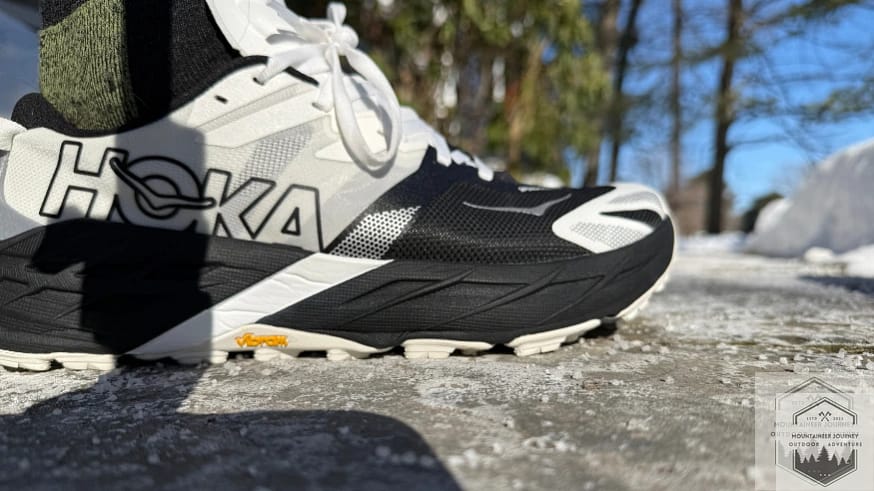
I tested both trail runners in men’s size 10.5. I had fit challenges with both models, though in different ways.
The Speedgoat 6 has a lower volume than earlier Hoka Speedgoat models. The stiff upper material and dual gusseted tongue created noticeable pressure on the top of my foot.
The toe box has decent width for toe splay, but overall the midfoot volume is VERY low, and the shoe feels restrictive. The fit score on the Speedgoat 6 reflects these issues clearly.
During my testing, I experienced discomfort and tightness that made longer runs difficult, especially on technical terrain where my foot rubbed against the upper.
The Speedgoat 7 fits tighter than previous models, and the toe box remains narrow, affecting comfort for wide feet.
Even in wide sizing, the midfoot and toe box on the 7 felt snug. I experienced pinky toe compression on steep downhill grades, which became uncomfortable over a few miles.
The Speedgoat 7 requires a 10- to 15-mile break-in period before the upper starts to open up and feel more accommodating. After break-in, the fit improved significantly, but it still falls short for runners with high arches or those who prefer a roomier toe box.
Both shoes feature standard lacing systems, and I did not experience heel slippage with either one. The Speedgoat 7 integrates gaiter compatibility, unlike the Speedgoat 6, which is a nice addition for cold-weather trail running and snow conditions.
For those with wide feet, neither shoe is ideal. The wide-fit option on the 7 helps, but it does not fully resolve the volume issue.
The Speedgoat 6, despite its low volume, actually felt slightly more accommodating in the toe area due to its construction, though the stiff upper negated some of that advantage.
Overall, the Speedgoat 7 earns a slight edge post-break-in thanks to its more conforming footbed and secure fit, but both trail shoes demand patience.
Hoka Speedgoat 6 Fit: 3 out of 5
Hoka Speedgoat 7 Fit: 4 out of 5
Winner: Speedgoat 7
Stability & Support
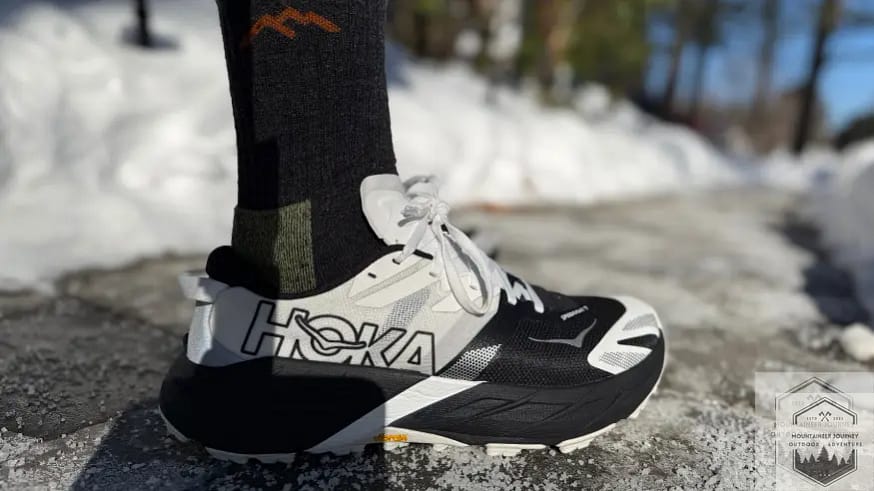
Both the Speedgoat 6 and Speedgoat 7 scored identically in stability and support, and for good reason. Both trail shoes deliver excellent stability on technical terrain through different but equally effective means.
The Speedgoat 6 achieves stability through a stiff upper, a wider heel platform, and strong torsional rigidity. The firmness of the CMEVA midsole foam also contributes to a planted, confident feel on uneven ground.
During my runs on steep traverses and loose trail surfaces, the 6 felt locked in, giving me the confidence to push hard without worrying about foot slippage or instability.
The Speedgoat 7 builds its stability through updated geometry rather than relying on a rigid upper. It uses a lateral-flare design, a bucket-seat heel construction, and a rigid midfoot architecture to achieve impressive torsional rigidity.
Despite the higher stack height, the Speedgoat 7 feels stable and firmly planted. The midsole provides a balance of cushioning and stability that keeps you grounded without sacrificing the comfortable ride you want on long runs.
In my personal testing across varied terrain, including slick rocks and steep descents, the 7 offered a slightly nimbler feel without sacrificing that essential support.
Both shoes handle overpronation well on uneven terrain, and neither requires any special insole or support modifications.
The MetaRocker geometry on both models promotes a natural gait cycle and better balance through technical sections. For runners or hikers who prioritize a locked-in, firm feel and prefer a slightly stiffer shoe, the Speedgoat 6 remains a solid choice.
However, for those seeking a more balanced ride with greater responsiveness and a stable platform that adapts well to varied terrain, the Speedgoat 7 is arguably the better fit.
Both deliver top-tier stability for trail runners in this category, and choosing between them depends largely on your personal preference for stiffness versus responsiveness and the type of terrain you frequent.
Hoka Speedgoat 6 Stability & Support: 4.5 out of 5
Hoka Speedgoat 7 Stability & Support: 4.5 out of 5
Winner: Tie
Weight
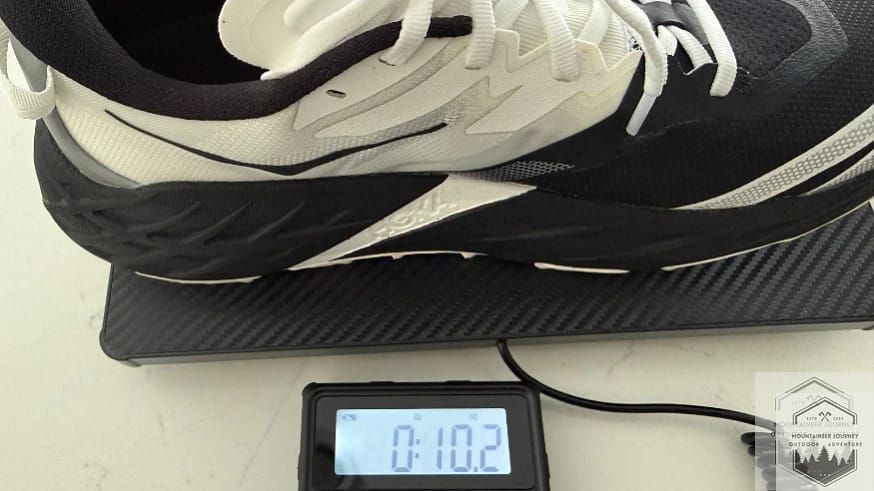
The Speedgoat 7 weighs 10.2 oz per shoe for men’s size 10.5 on our calibrated scale.
We weighed the Speedgoat 6 in at 10.7 ounces per shoe.
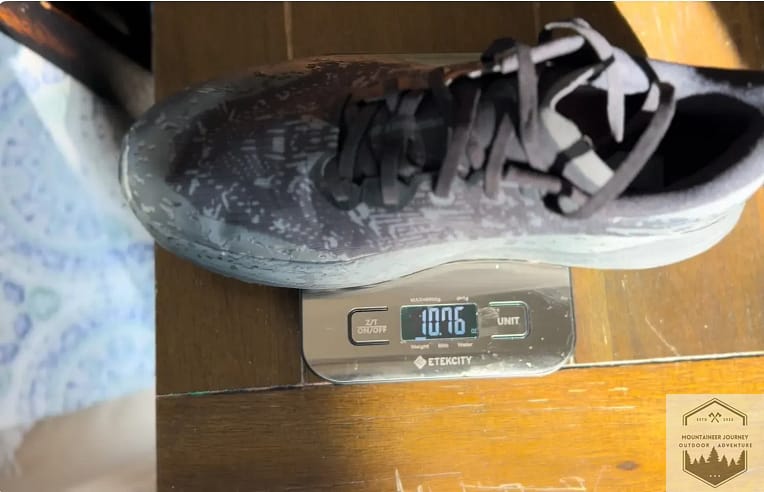
Despite its higher stack height of 37 mm at the heel and 33 mm at the forefoot, the 7 remains lighter thanks to advanced materials like supercritical foam and an upgraded Vibram outsole.
Both shoes use Hoka’s MetaRocker design for smooth, efficient transitions, helping runners feel nimble and balanced on technical terrain.
Speedgoat 6 Weight: 4 out of 5
Hoka Speedgoat 7 Weight: 4.5 out of 5
Winner: Tie
Durability
Both the Speedgoat 6 and Speedgoat 7 are impressively durable trail running shoes.
Most trail runners tend to break down quickly due to thin synthetic and textile materials, but Hoka continues to use quality components that hold up over serious mileage.
The Speedgoat 6 Vibram Megagrip outsole lugs held up exceptionally well over 90-plus miles of testing. I noticed no significant outsole compression or lug breakdown.
However, the upper material around the heel area showed signs of thinning and some early delamination, which is a concern for long-term use.
The Speedgoat 7 outsole shows minimal wear after 75 miles of testing across varied terrain.
The upper material resists snagging and scratches better than previous models thanks to the woven upper textile construction. The shoe’s construction includes fewer welded zones for added durability, and the stitching throughout feels more robust than the 6.
Both shoes are quite durable, though the 7 shows promise of lasting significantly longer based on material improvements and construction quality.
Hoka Speedgoat 6 Durability: 4 out of 5
Hoka Speedgoat 7 Durability: 4.5 out of 5
Winner: Speedgoat 7
Hoka Speedgoat 6: Overall Rating: 8.2
- Comfort: 3 out of 5
- Traction: 4.5 out of 5
- Overall Protection: 3.5 out of 5
- Fit: 3 out of 5
- Stability and Support: 4.5 out of 5
- Weight: 4 out of 5
- Durability: 4 out of 5
Total: 26.5/35
Hoka Speedgoat 7 Overall Rating: 8.6
- Comfort: 4.5 out of 5
- Traction: 5 out of 5
- Overall Protection: 3 out of 5
- Fit: 4 out of 5
- Stability and Support: 4.5 out of 5
- Weight: 4.5 out of 5
- Durability: 4.5 out of 5
Total: 30/35
Speedgoat 7 vs Speedgoat 6: Which One Is Better Overall?
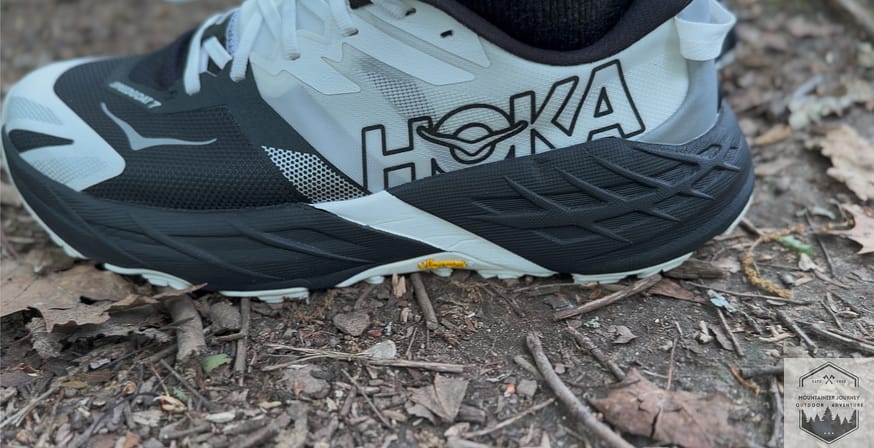
We tested these shoes across numerous categories, and the results are clear. The Hoka Speedgoat 7 is the better overall shoe.
The Speedgoat 7 earns its higher score through meaningful improvements in traction, comfort, and durability. The supercritical EVA foam midsole offers a more responsive, cushioned trail feel than the firmer CMEVA in the 6.
The upgraded Vibram Megagrip outsole, with its aggressive lug pattern, lateral forefoot lugs, and micro-spikes, provides better traction on virtually every surface, from wet rocks to loose scree to icy conditions.
The Speedgoat 7 also offers a more responsive ride than the Speedgoat 6 and feels like a more complete package for tackling technical terrain.
That said, the Speedgoat 6 is still worth considering. If you can find it at its discounted price of around $123, it offers tremendous value for trail runners who want a stable, grippy shoe without paying full price for the latest model.
The 6 also has a slightly better toe bumper for protection and may accommodate some foot shapes more readily before break-in.
I would recommend the Speedgoat 7 for serious trail runners and hikers who want the best available traction, improved cushioning, and a durable trail shoe.
Order HERE for the LOWEST PRICE AVAILABLE
(Do NOT pay retail):
| Comparision | Product | Rating | Price |
|---|---|---|---|
| 8.6 | Check LOWEST PriceRead Review | |
| 7.5 | Check LOWEST PriceRead Review |
How We Personally Tested Our Methodology
I personally tested the Speedgoat 6 and Speedgoat 7 during 2024 through 2026 on numerous trails with varying terrain, with the sole intention of providing you with the most unbiased review possible.
The Speedgoat 6 was tested over 100 hours and more than 90 miles across varied conditions. The Speedgoat 7 was tested across approximately 75 miles, including winter snow, gravel, steep downhill grades, and rocky technical trails.
Mountaineer Journey is a 100% independent publisher, and we independently review all products with years of testing and reviewing outdoor equipment behind us.
Our scoring methodology uses weighted percentages across categories via real testing. This approach reflects the priorities of real trail runners and hikers rather than marketing talking points.
I bring over 16 years of guiding experience to every review, and we currently purchase the products we test ourselves. No company or manufacturer pays us to sway our opinions or decisions.

Tyler is the founder Mountaineer Journey and a professional Mountain Guide with 15+ years of technical experience in trekking, mountaineering, and trail sports. Having logged thousands of miles from rugged alpine summits to urban paths, Tyler provides rigorous, field-tested insights on hiking, walking, and trail running gear. All reviews are 100% unsponsored and unbiased, ensuring you get honest scoring based on real-world performance. His mission is to help outdoor enthusiasts of all levels find reliable equipment that ensures comfort, safety, and performance on any terrain.