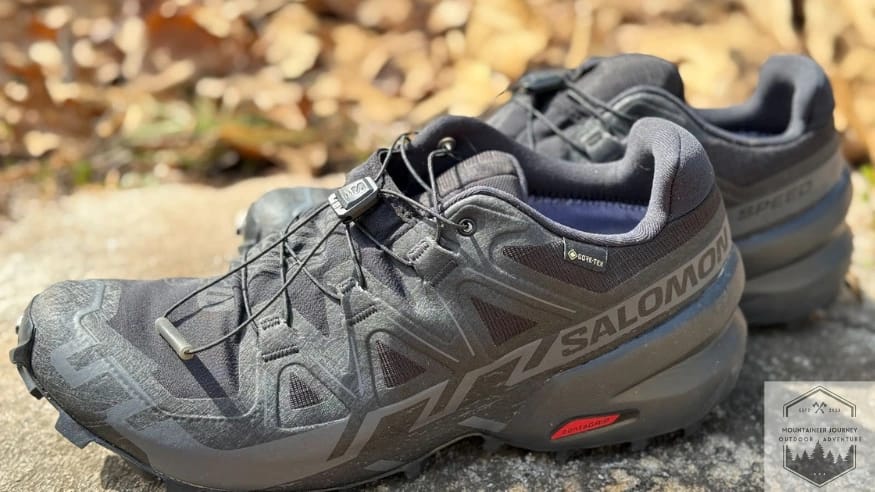


Our Score
Salomon Speedcross 6 Review 2026 | Unsponsored
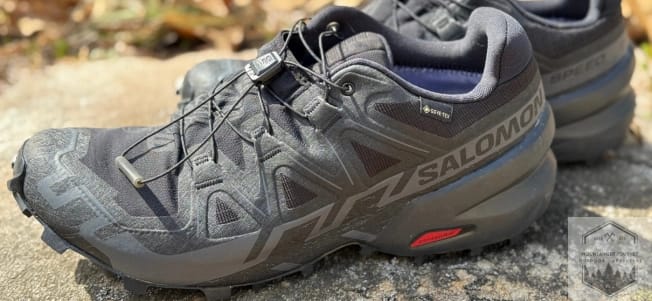
In this article, I’m going to share my HONEST Salomon Speedcross 6 review for those who are wondering whether they are still WORTH IT in 2026.
As a seasoned trail runner with over 16 years of experience testing trail running shoes, I recommend them for those who are looking for a lightweight, extremely grippy pair of trail runners. The Speedcross 6 are a very popular trail runner, let’s find out why!
For this review, I’ve put over 80 miles into my personal pair. While I started testing in early 2023, I’ve continued to run in them through 2026 to see how the Contagrip outsole and upper materials hold up after years of abuse
I’m very familiar with how they feel and perform on the trails. I’ll go over comfort/fit , traction, stability & support ,weight, overall protection, and durability. I’ll be giving a score of each category based on OBJECTIVE testing standards and an overall score with recommendations at the end.
Released in early 2023, the Speedcross 6 quickly earned praise from trail runners for its upgraded comfort and lighter feel. Compared to the Speedcross 5, the updates are subtle but meaningful- shallower lugs for better versatility, a roomier toe box, and a noticeable drop in weight for a more agile ride.
Editor’s Note: We updated this review on 12/22/25 with updated scores on traction, overall protection, and durability after 50 new miles of testing.
Speedcross 6 Pros and Cons
Should you buy the Salomon Speedcross 6?
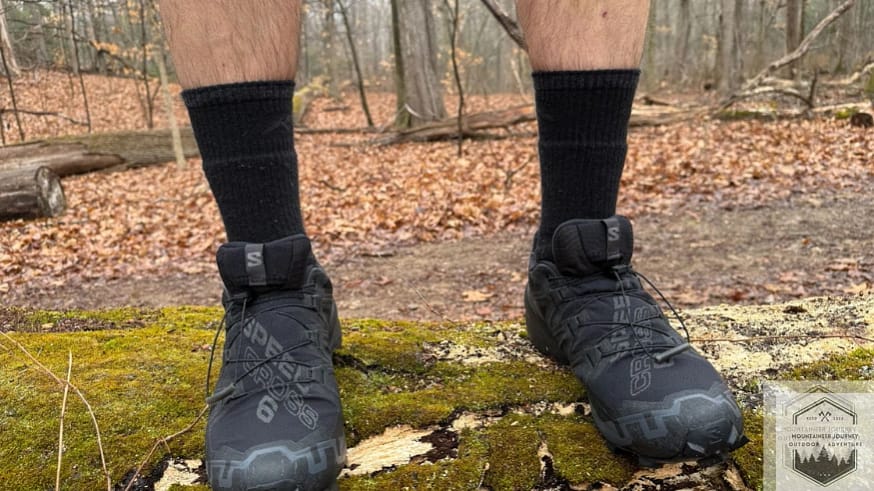
Buy if
- Buy if you prioritize “locked-in” stability: The SensiFit upper provides a second-skin feel that is unmatched for steep, off-camber technical trails.
- Buy if you run in mud, loose dirt, or snow: The 5mm chevron lugs act like claws; if your local trails are soft or sloppy, this is the gold standard.
- Buy if you want long-term durability: Thanks to the PU leather reinforcements and robust mesh, these will likely outlast lighter, “flimsier” competitors.
- Buy if you want performance without the $200 price tag: It is rare to find a top-tier technical shoe frequently discounted to the $110-$130 range.
DON’T Buy if
- Don’t buy if you do a lot of “Road-to-Trail” running: The Contagrip rubber is softer than most; running on pavement will grind down those aggressive lugs prematurely.
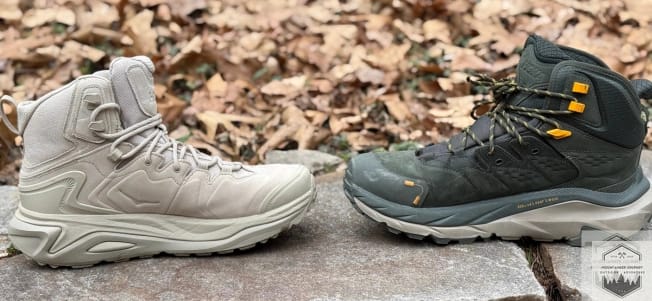
- Don’t buy if you want a “Maximalist” plush feel: If you are looking for the bouncy, pillow-like cushion of a Hoka, the Speedcross will feel too firm and “grounded” for you.
Compare To Similiar Products
Top-Rated Trail Runner
8.4
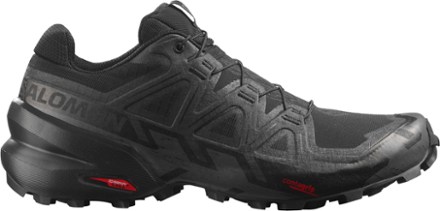
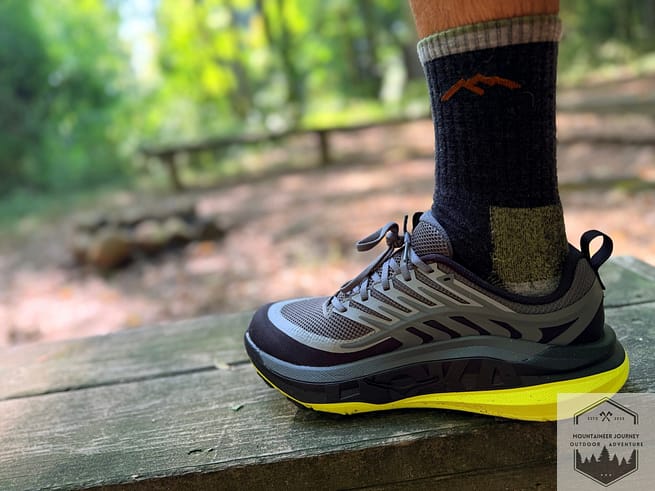
Salomon Speedcross 6
One of the best overall trail runners. Excellent on-trail performance with waterproofness. Improved from previous model
Performance
7.9
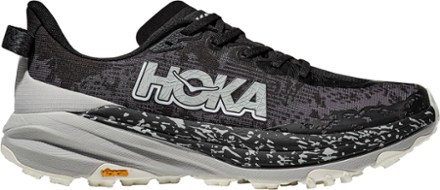
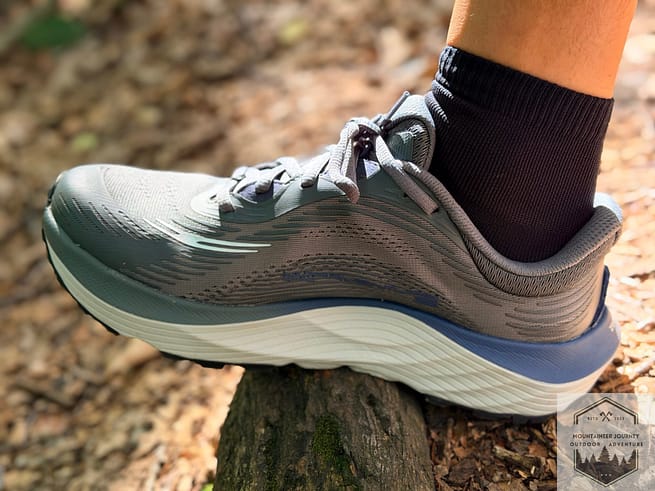
Hoka Speedgoat 6
For the hardcore trail runner up against tough terrain. Knocks it out of the park with on-trail performance. Issues with fit and comfort
Quality Trail Runner
7.9
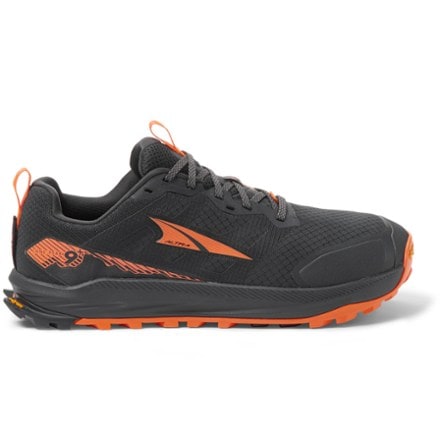
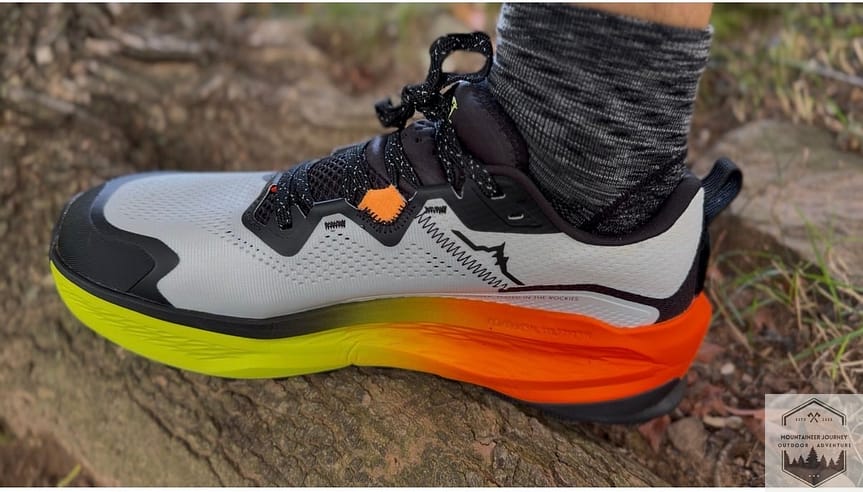
Altra Lone Peak 9+
Upgraded Vibram outsole, much better performance than predecessor model. Awesome fit and flexibility.
Salomon Speedcross 6 Price
Right now, the Salomon Speedcross retails for $150, but I found some awesome deals on Amazon and Backcountry.com for as low as $110
Check the current prices below
Disclosure: These links may provide a discount and in return, give us a commission in order to run the website 🙂
Watch this Full Review on YouTube!
Salomon Speedcross Comfort & Fit : 8/10 (20%)
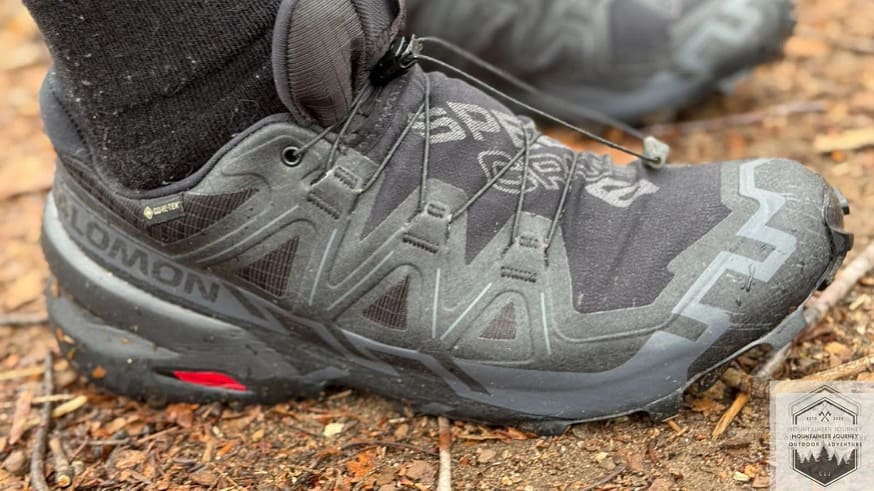
I was taken by surprise with the comfort and fit of the Speedcross 6. The previous model was quite narrow, however the 6 definitely has a wider toe box. I measured the toe box width at 2.54 inches with my calipers. I didn’t have any compression on my toes or any areas of snugness.
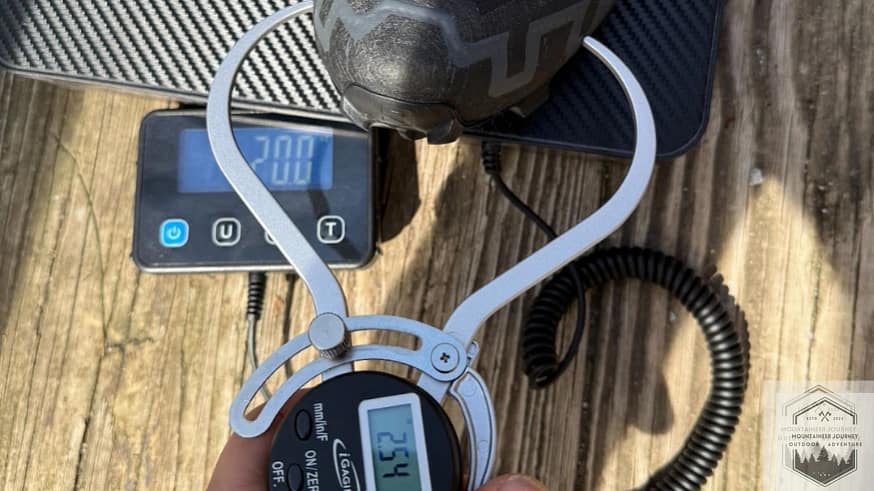
The midsole is slightly cushioned, I felt the shoe did a great job of cradling my foot without being too overbearing. The outsole loses some cushion by the heel. The heel outsole is a lot more stiff compared to the forefoot, Salomon added this feature to help with stability on trail. This is similar on the Norda 001.
I was able to maintain a smooth, balanced stride on the trail—no sore feet, no uneven pressure points. A lot of Salomon’s trail runners (and even some of their hiking boots) lack a quality sockliner, but not the Speedcross 6. It’s thin, sure, but there’s a surprisingly sleek layer of comfort built into it.
I would compare the comfort of the upper to the Hoka Speedgoat 5, it is thin but not overly compressive and uncomfortable. Even with an extreme tight lacing from the Salomon quicklace system, there are no compressive spots from the laces. The upper protects you from the compressive force of the tight lacing.
One downside to the Speedcross 6 is the quicklace system. Although it is nice and efficient without the need to tie anything, the Quicklace loops tend to dangle and can snag on roots or debris.
One way to guard against this is to tuck your quicklace loops into the top of your shoe, but they can also fall out very easily. I had the same issue with the quicklace system regarding the Salomon X Ultra 4, offering a traditional lacing system where users can still use their lacing techniques would be much better.
As for fit, I didn’t need to size up or down. I debated going with the wide version since the Speedcross 5 ran narrow for me, but the regular fit in the 6 worked out perfectly.
No heel slipping, or pressure points—just a snug, dialed-in feel. The Quicklace system does a great job locking things down, but it lacks the versatility of a traditional lacing system if you like to perform specialized lacing techniques.
Traction: 9/10 (20%)
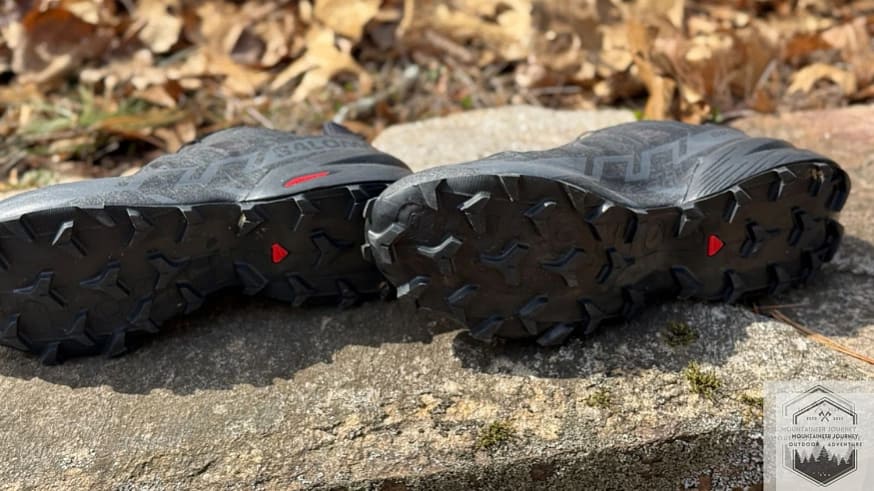
The Salomon Speedcross is equipped with the Contagrip outsole, an in-house outsole created by Salomon themselves for extreme grip and traction on-trail.
The lugs themselves lost 1 mm in depth, but no noticeable change in traction or grip. I tested them on wet and dry, technical and well-groomed trails and they performed excellently. The Speedcross traction is comparable to even some rugged hiking shoes that are meant for the most technical terrain such as the Merrell Moab 3.
Compared to the Hoka Speedgoat 6, which uses a Vibram megagrip outsole (a costly but effective outsole), the Speedcross 6 dominates. Salomon was able to incorporate an excellent outsole, without adding a costly outsourced outsole like the Vibram megagrip.
The Contagrip outsole is a little softer than most outsoles, which will put an earlier lifetime on the outsole durability.
One area where these trail runners excel is rigidity. While I was running on hillsides, the grip was unwavering , especially on uneven terrain. The rigid heel gives you a nice boost in your stride without the worry of slipping or conformity to the surface.
While the Speedcross 6 does give up some comfort when it comes to adding more ridigity, however, that really helps you hold that grip you need on a technical trails. The grip is similar to the NNormal Kjerag 2, which is one of our highest-rated trail runners when it comes to traction.
Overall, the Speedcross 6 has some of the best traction on the market for a trail runner. The grip and traction is so good in fact, it even competes with some rugged hiking shoes meant for technical terrain.
Stability & Support 8.5/10 (20%)
The conformity of the upper and sides of the Speedcross 6 help with minimizing any internal movement. The snug, locked-in feel keeps your foot from shifting around on uneven ground, which directly improves stability—especially on hillside sections or quick descents.
The sensifit technology cradles your foot in a well-padded position. The well-contoured upper acts almost like a second skin, helping your foot move with the shoe, not against it. Salomon nailed the engineering on this one. From the first run, the Speedcross 6 felt like one of the best uppers I’ve tested in terms of how naturally it wraps and conforms to your foot. There is no other trail shoe out there that is quite like the Speedcross when it comes to that.
The flared heel design definitely added some lateral stability, especially while hillside running or landing off-center. It gave me a wider base without feeling clunky, which helped keep things steady on uneven terrain.
The torsional stability of the 6 is more noticeable in the heel (where it tends to get stiffer), this was great for uneven terrain. I didn’t experience any ankle issues thanks to the torsional stability of this model.
We measured the heel-to-toe drop at 11 mm which is quite high, it was noticeable while descending steep terrain, the aggressive high-heel doesn’t allow great plantarflexion of the forefoot. The aggressive heel-to-toe drop may be a detractor for some, especially at 11 mm.
Otherwise, the Stability & Support of the Speedcross are exceptional, given the rough terrain we put it through, during our rigorous testing.
Weight 7/10 (15%)
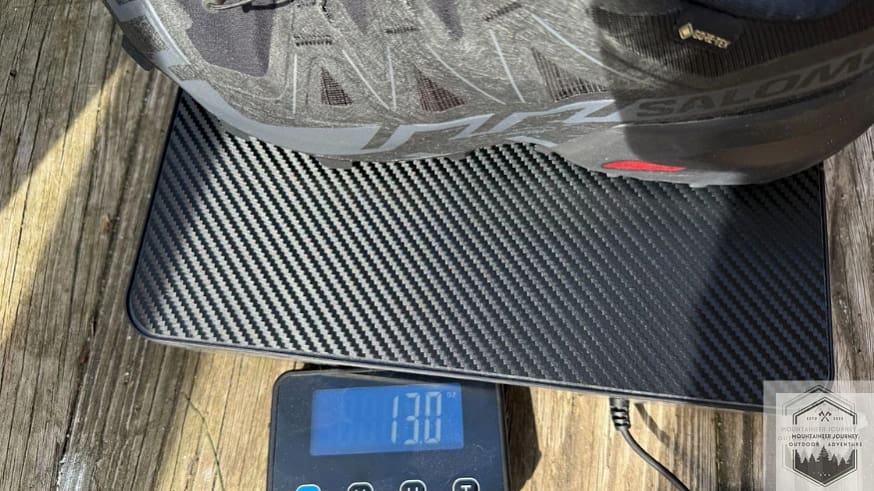
One downside to the Speedcross is the weight. While they improved the 6 to a lighter design, weighing at 13 oz is higher than the average trail runners we tested. It does not have a rockered sole, therefore, the weight feels exactly what it is on the scale.
However, the Speedcross 6 is a high-performance trail runner and was never known to be an “ultralight” trail runner. There is always a trade-off between stability/performance vs weight. If Salomon shaved any more weight off this model, it would severely hurt its performance.
Regarding weight, foot fatigue wasn’t an issue during testing. For reference, I weighed the Hoka Speedgoat 6 GTX at 10.76 ounces, which is about 20% lighter than the Speedcross 6 at 13 ounces. But interestingly, I felt more foot fatigue in the Speedgoat. I attribute this to the Speedcross’s more rigid chassis, which provides a ‘stable platform’ that requires less micro-adjustment from your foot muscles on technical terrain
How’s The Overall Protection Of The Speedcross 6?
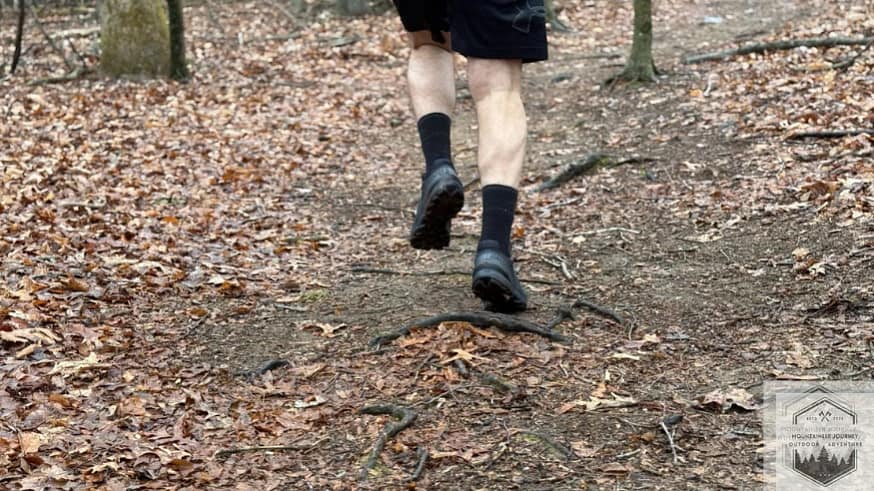
The Salomon Speedcross 6 does not incorporate a rock plate for foot protection. The outsole is very rigid and durable, without the need of a layered rock plate.
The medial and lateral sides of the Speecross have exposed areas, however the layered mesh has a firmer area between the integration of the mesh to the outsole, plus the heel stack is so high, it protects you from any sharp objects on the ground.
The outsole comes up over the toe box with lugs on the front of the toe box so you can push up real-steep terrain. The toe cap is more than adequate enough for protection of your toe box. The flared heel has robust rubber to protect you from the elements.
Shock absorption is excellent with this model. Whether you are a heel-striker, or fore-foot the outsole has you covered. I was able to maintain a nice-heavy stride without the pain of my joints flaring up on me.
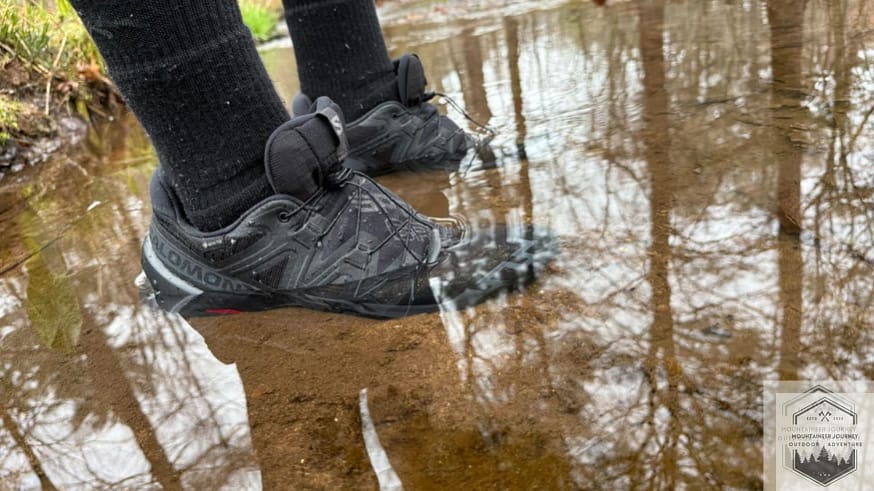
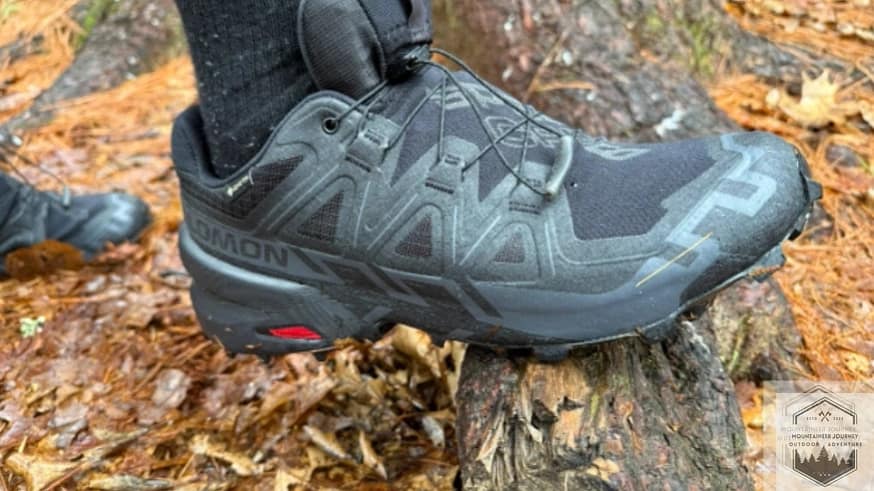
I tested the Gore-Tex (GTX) version of the Speedcross 6. The waterproof membrane allowed me to cross creeks and damp grass without a drop reaching my socks. If you run in dry, hot climates, I’d recommend the standard non-GTX version for better breathability, but for 365-day versatility in the mud, the GTX is the way to go
If you are worried about gravel, dirt, or anything else foreign getting into your shoes while running, don’t. The robust mesh is sealed water-tight protecting against anything entering the shoe.
Salomon Speedcross Overall Protection 8.5/10 (10%)
Durability 8.5/10 (10%)
I have had zero issues with durability regarding the Speedcross 6. I love that Salomon incorporates mesh lining reinforced with PU leather just as they do on their hiking boots.
The Contragrip outsole has held up extremely well during testing, no flattening or loss of shock absorption. The chevron lugs still hold excellent grip to this day.
The Speedcross 6 is made from quality materials, without the compromise “ultra lightweight” ability which tends to wear quicker than heavier models.
I was quite surprised by how long the Speedcross 6 has held up after over 80 miles of testing. The integration of the PU leather really sets this shoe apart from the rest. Although the leather does add some weight, the added durability will save you money in the long term.
Is the Salomon Speedcross 6 worth it?
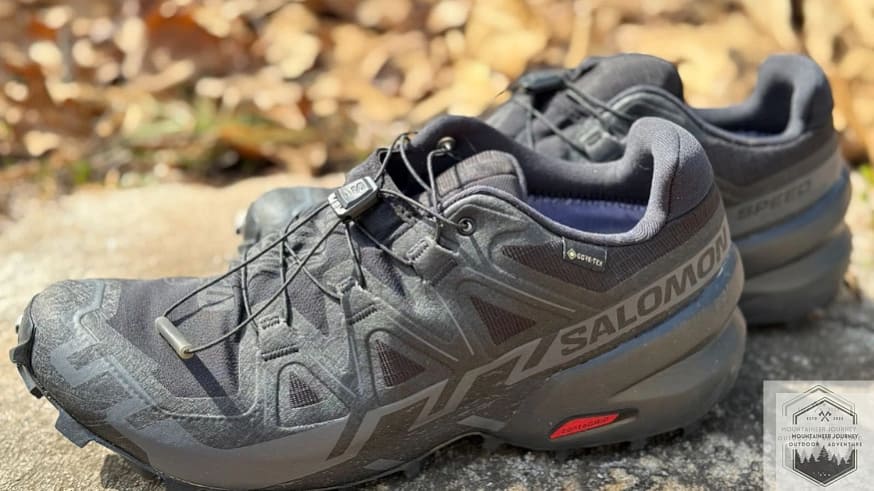
If you are looking for a high performing- budget friendly trail running shoe then the Salomon Speedcross 6 is made for you.
As a high-performance trail runner, the Speedcross does not boast featherweight, or extremely soft cushioning. However, it appeals to the hardcore, technical terrain trail runners.
Don’t mention the fact that they are on-par for one of the best performance trail runners we have tested to date, as well as excellent hiking shoes. Versatility is one of the Speedcross 6’s strengths, it is rated as our #1 best trail running shoe for hiking.
If you’re after a trail runner that checks all the right boxes—comfort, durability, waterproof protection, and solid performance—the Salomon Speedcross 6 delivers. Getting this level of quality for under $150 is a steal.
The strengths of this shoe is the stability, traction, waterproofness, and price!
The drawbacks to consider would be there are more lightweight models out there such as the Brooks Cascadia 18. Also more cushioned, and comfortable models such as the Hoka Challenger 7, or Brooks Cascadia 19.
Overall, as a weekend trail runner on a budget, I don’t think you can go wrong with picking up a pair of the Speedcross 6.
Value: 4.5/5 (5%)
Scoring Breakdown
Comfort & Fit (20%): 8.5/10
Traction (20%) : 9/10
Stability & Support (20%): 8.5/10
Weight (15%) : 7/10
Overall Protection (10%) : 8.5/10
Durability (10%) : 8.5 / 10
Value (5%) : 4.5 / 5
Weight Score: 1.70 + 1.80 + 1.70 + 1.05 + 0.85 + 0.85 + 0.45 = 8.40 / 10
Our Rating: 8.4 / 10
Frequently Asked Questions
Are Salomon Speedcross 6 a good trail running shoe?
Yes! The Salomon Speedcross 6 are great trail running shoes for people looking for a high-performance shoe. They offer excellent traction and grip on trail, however lack areas of comfort.
What Is The Heel Drop On Salomon Speedcross 6?
Salomon claims the heel drop on the Speedcross 6 is 10mm, however we measured the heel drop at 11mm.
What Is The Difference Between The Speedcross 5 and 6?
The big difference between the Speedcross 6 and 5 is comfort, stack height, and weight. The Speecross 6 has a lower stack height at 33 mm heel 21 mm forefoot, reducing its weight by 1 oz compared to the Speecross 5.
Are The Speedcross 6 Waterproof?
Yes! The Speedcross 6 feature a gore tex waterproof membrane.
How We Tested and Our Methodology
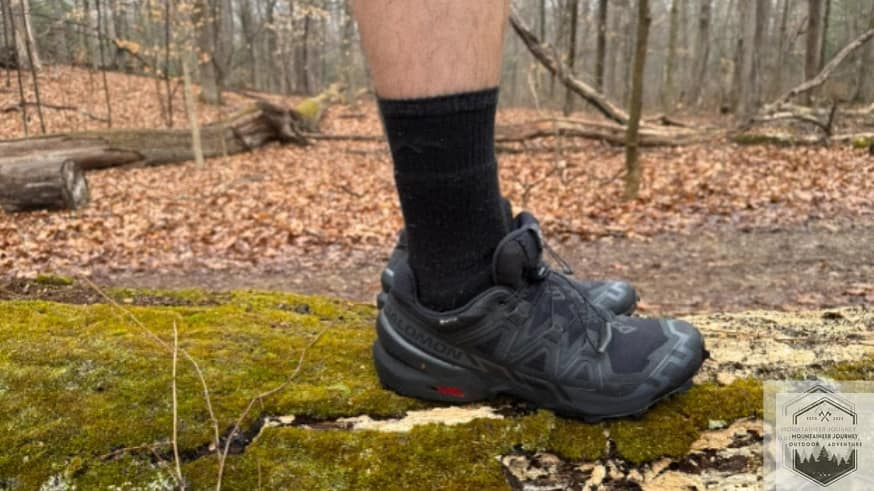
I personally tested the Salomon Speedcross 6 over two years since their release in 2023 with the sole intent of giving you the most unbiased review possible. Mountaineer Journey is a 100% independent publisher with years of testing and reviewing outdoor equipment.
Over the past 16+ years, I’ve logged thousands of trail miles across everything from smooth single-file roads to steep, technical singletrack. This includes long-distance runs in the Rockies, muddy East Coast climbs, loose desert terrain, and fast descents through alpine switchbacks.
This kind of hands-on experience helps me evaluate how a trail running shoe truly performs—whether it’s truly stable, grips well on varied surfaces, and holds up over time under real mileage.
We currently pay for the products we test ourselves; no company or manufacturer pays us to sway our opinions or decisions.
Adventure Awaits,
Tyler

Tyler
Tyler is the founder Mountaineer Journey and a professional Mountain Guide with 15+ years of technical experience in trekking, mountaineering, and trail sports. Having logged thousands of miles from rugged alpine summits to urban paths, Tyler provides rigorous, field-tested insights on hiking, walking, and trail running gear. All reviews are 100% unsponsored and unbiased, ensuring you get honest scoring based on real-world performance. His mission is to help outdoor enthusiasts of all levels find reliable equipment that ensures comfort, safety, and performance on any terrain.