

Our Score
Danner Trail 2650 Review | Unsponsored

In this article, I’m going to share my HONEST Danner Trail 2650 review for anyone wondering whether they are WORTH IT in 2026.
I’ll do my best to share whether these hiking shoes are worth it and, ideally, who they’re for. I bought these with my own money and was NOT sponsored, paid, or given a free pair for review. All thoughts are my own.
I’ll share my critical opinion, backed by 16 years of experience as a Trail guide and Expert Outdoor Gear Reviewer. I also run the MountaineerJourney YouTube Channel with 8,000+ subscribers and 4 million+ views.
Related: Best Hiking Shoes
Our Verdict

The Danner Trail 2650 is one of the most comfortable lightweight hiking shoes I have tested, and it earns a spot in my day hiking without hesitation. It blends trail shoe agility with structured stability in a way few shoes in this price range manage.
The stepping comfort on this shoe is excellent right out of the box. The ride leans more toward trail running than a traditional hiking shoe, and the impact absorption is very comparable to the Merrell Moab Speed 2.
The toe box has enough room to splay your toes for increased stability, and I experienced zero hot spots or pressure points even on my first full day out. The tongue is well padded, and the integrated leather panels create a rugged, secure feel on rocky ground.
The Danner Trail 2650 shines in lightweight comfort, all-day wear, and rugged performance, thanks to the leather upper.
It falls short in long-term support. After about 150 miles, I started losing some contour in the upper, which translated to slightly reduced lockdown. It is also not intended for heavy backpacking loads or consistently wet conditions unless you opt for the GORE-TEX model.
Compare Similar Products

As an independent reviewer, I purchase all products myself. Some links may be affiliate links that support the site at no cost to you
Danner Trail 2650 Pros and Cons
PROS
- Great traction
- Trail-runner-like feel
- Generous toe-box
- Lightweight
CONS
- Limited rigidity for backpacking
- Extended dry time
Who Should Buy The Danner Trail 2650
- You primarily do day hikes up to about 10 miles and want a shoe that feels nimble
- You prefer a trail runner feel over a stiff, structured boot and you like to move quickly across varying terrain
- You want one versatile pair of shoes that works on the trail and still good enough for errands after
- You value modern performance features like a Vibram outsole and responsive midsole without paying into the $220 plus range
Who Should Skip The Danner Trail 2650
- You carry 30-plus-pound overnight packs regularly and need a shoe or boot that will not lose support under load
- You need maximum ankle support
- You want top-notch comfort and impact absorption
Danner Trail 2650 Price
The Danner Trail 2650 retails for $190.
Comfort: 8/10

When I first tried these on, I felt the immediate cushioning of the PlyoGo EVA midsole; it was well cushioned yet firm around the toes. The immediate cushioning was very similar to the Merrell Moab Speed 2: supportive but not overly mushy, like the Anacapa 2.
The toe box gives your toes enough room to splay naturally, which helped with balance on uneven rock and stability through long downhill sections. I had no pressure points or hot spots, even on first use over 5-plus-mile days across granite, sandstone, and limestone.
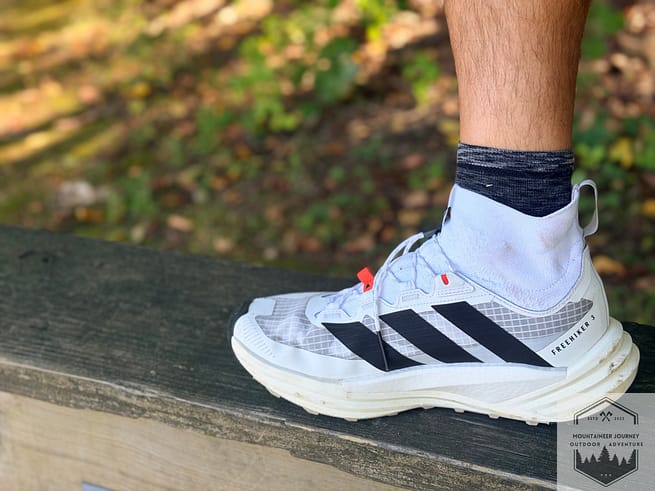
The impact absorption is good, but not exceptional. I found it sufficient to prevent joint pain on my hikes, but it doesn’t offer the same cushioning or impact absorption as the Adidas Terrex Free Hiker 3 Low, my top-rated hiking shoe for comfort this year.
My main concern for impact absorption was descending granite rock. I felt that a little more cushioning in the midsole would have been more beneficial than prioritizing weight reduction.
The energy return is quite mediocre. This is very similar to the On Cloudrock Low, which provides no bounce or pop at all. This is usually a downside for some hikers; however, some prefer zero energy return because it lets them control their landings more, and it really comes down to preference.
The leather upper, with some mesh panels for added breathability, is very similar to the La Sportiva Prodigio Hike. This allows excellent protection but, at the same time, nice ventilation zones. Especially near the tongue, where it tends to get hot. If you are hiking in heat, this shoe dissipates warmth noticeably better than any other leather-integrated hiking shoe.
The Trail 2650 meets the needs of casual hikers looking for good cushioning without a heavy, stiff platform. If you want the most connected-to-the-ground, minimal stack-height feel, this is not the shoe for you. But for hikers who want comfort and underfoot protection with an integrated leather upper, The Trail 2650 is a good choice.
Weight

My men’s size 10.5, 2E, weighed in at 12 oz per shoe on my calibrated scale. This is very impressive, given the heavier leather construction that a lot of hiking shoes are getting away from nowadays. Lightweight footwear reduces fatigue during hiking, and the old saying holds true: one pound on your feet equals five pounds on your back.
When compared to the Merrell Moab Speed 2, the Danner Trail 2650 shoes are about half an ounce heavier per shoe. However, the Trail 2650 lacks a rocker sole, so those who prefer an easier heel-to-toe transition may not find them as comfortable.
Nonetheless, their lightweight design helps facilitate up-and-down movements, which can reduce fatigue during longer hikes.
Traction: 8/10

The Danner Trail 2650 features a Vibram Megagrip outsole, which I tested extensively on limestone, sandstone, scree, and leaf-covered dirt pack trails.
I measured the lugs at 3.5 mm. They were aggressive enough for technical trails while still agile enough for smaller, loose terrain like gravel and scree.
I appreciated the double reverse chevron-type lugs in the forefoot, which helped with side-hilling and holding an edge on stiff, uneven terrain. On dry surfaces and packed dirt, the grip was outstanding. On mixed rock with some dust or dry leaf cover, the shoe held well and I never felt like I was guessing about foot placement.
On wet rock in particular, the outsole lost some of its confidence. The heel brake zone, where lugs tend to be slightly shallower, showed limited bite on steep loose downhills. The shoes provide traction on wet and dry surfaces overall, but I would not call the wet terrrain performance exceptional.
If you spend most of your time on established trails and day hikes in fair weather, the grip is more than adequate. Against shoes with deeper lugs, the Trail 2650 trades some downhill braking confidence for a lighter, more agile ride.
Stability & Support: 7.5/10

The upper is what really helps lock your foot in on the Trail 2650. The integrated leather panels combined with the suede and synthetic construction create a secure, supportive wrap that holds the midfoot firmly on off-camber terrain and rocky sidehills. The padded tongue sits flat and doesn’t shift, contributing to the overall locked-in feel.
The midsole platform provides a stable enough base for moderate trail use, and the Trailguard TPU shank adds stiffness underfoot where it counts, preventing excessive flex on uneven surfaces.
The external EXO Heel counter adds lateral support during gravel scrambles and uneven rock steps, which really helped keep my foot centered and stable during the entire testing period.
This shoe has an extremely low stack height, similar to the Altra Lone Peak 9. This is great for those who hate the tippy feeling higher-stack hiking shoes tend to have (this usually comes with more cushion).
However, the locked-in feel lost some of its contour and tight fit after 150 miles; we’ll get into the durability section. Overall, the Trail 2650 has decent stability and support. I wouldn’t recommend using these with a load of more than 10 lbs. on your back, as the lower-cut design isn’t as stable.
How Does The Danner Trail 2650 Fit?

I tested my pair in my usual street shoe size and found the fit true to size in length. I did move up to the 2E version, which was definitely the right call. I recommend anybody with a wide-sized foot move to the 2E version, as this is quite a narrow-profile hiking shoe.
The toe box is generous enough to let toes splay naturally without excess room that causes sliding on downhills. I had plenty of space around my toes on steep desents without my foot swimming inside the shoe.
These shoes have a relatively long break-in period, similar to the Danner Mountain 600. It took me about 20 miles to fully break them in. Initially, I experienced some blistering, particularly around the midfoot, but it resolved as the shoes became more comfortable over time.
Fit Score: 4/5
Durability: 7.5/10

The outsole and the lugs have held up extremely well in the Trail 2650. After 150 miles of testing, I’ve noted zero wear beyond minor scuffs and no loss of grip.
There is some compression in the midsole near the forefoot, which is expected after all these miles. However, I don’t notice much change in impact absorption or energy return, as there wasn’t much energy return to begin with.
The suede and textile upper has shown good resistance to scuffs and abrasion during my testing window. However, the biggest durability concern is the Trail 2650’s structural integrity. The leather upper has lost some of its contour and is definitely looser than when I first tried these on, which affects the shoe’s lockdown and stability.
One important note: the Danner Trail 2650 shoes are not recraftable. Unlike some of Danner’s heritage leather boots, once the outsole or midsole wears out, the shoe is done.
Is The Danner Trail 2650 Worth It?

For the right type of hiker, looking for a well-constructed leather hiking shoe that holds up extremely well, grips, and is durable, the Trail 2650 is great for the $190 price tag.
Compare that to more expensive hiking shoes like the Nike Zegama Hike or Adidas Terrex Free Hiker 3 Low Ultra. You save $20 to $50 and still get premium leather instead of textile mesh uppers.
Understandably so. If you’re not looking for full-leather hiking shoes and want a lighter textile option, check out the Oncloud Rock Low. For those looking for a more streamlined shoe for all-day wear on roads or trails, the Hoka Transport 2 is an excellent choice.
Value: 4/5
Scoring Breakdown
Comfort: 8 / 10
Traction: 8 / 10
Stability & Support: 7.5 / 10
Fit: 4 / 5
Durability: 7.5 / 10
Value: 4 / 5
Total: 39/50
Our Rating: 7.8 / 10
Disclosure: These links may provide a discount and in return, give us a commission in order to run the website 🙂
How We Tested and Our Methodology
I personally tested the Danner Trail 2650 over 150 hiking miles, evaluating it consistently across different terrain. My objective testing comes from 16 years of hiking experience, and I know how to score each shoe relative to others based on real testing and objective data points.
We purchase all shoes independently, without manufacturer sponsorship or free product. This ensures our evaluations remain objective and free from brand influence.
Our testing standards prioritize real-world performance over marketing claims. Every score in this review is backed by miles on the trail and hands-on evaluation, not press releases.


Tyler
Tyler is the founder Mountaineer Journey and a professional Mountain Guide with 16+ years of technical experience in trekking, mountaineering, and running. Having logged thousands of miles from rugged alpine summits to training for half marathons, Tyler provides rigorous, field-tested insights on hiking, walking, and trail running gear. All reviews are 100% unsponsored and unbiased, ensuring you get honest scoring based on real-world performance. His mission is to help outdoor enthusiasts of all levels find reliable equipment that ensures comfort, safety, and performance on any terrain.


