Our Score
Timberland Mt Maddsen 2.0 Review 2026 | Unsponsored
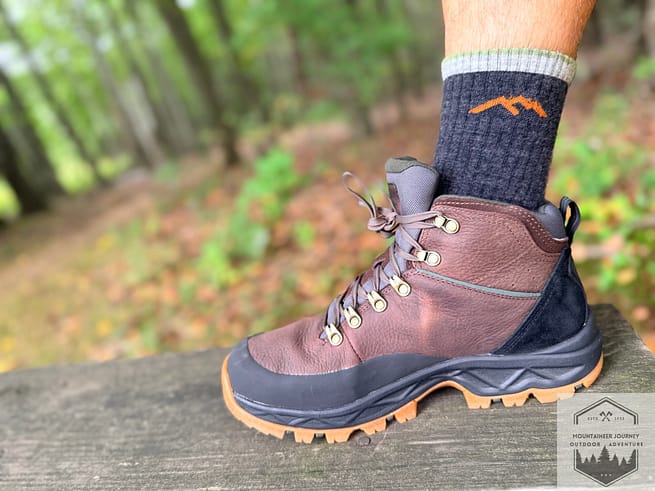
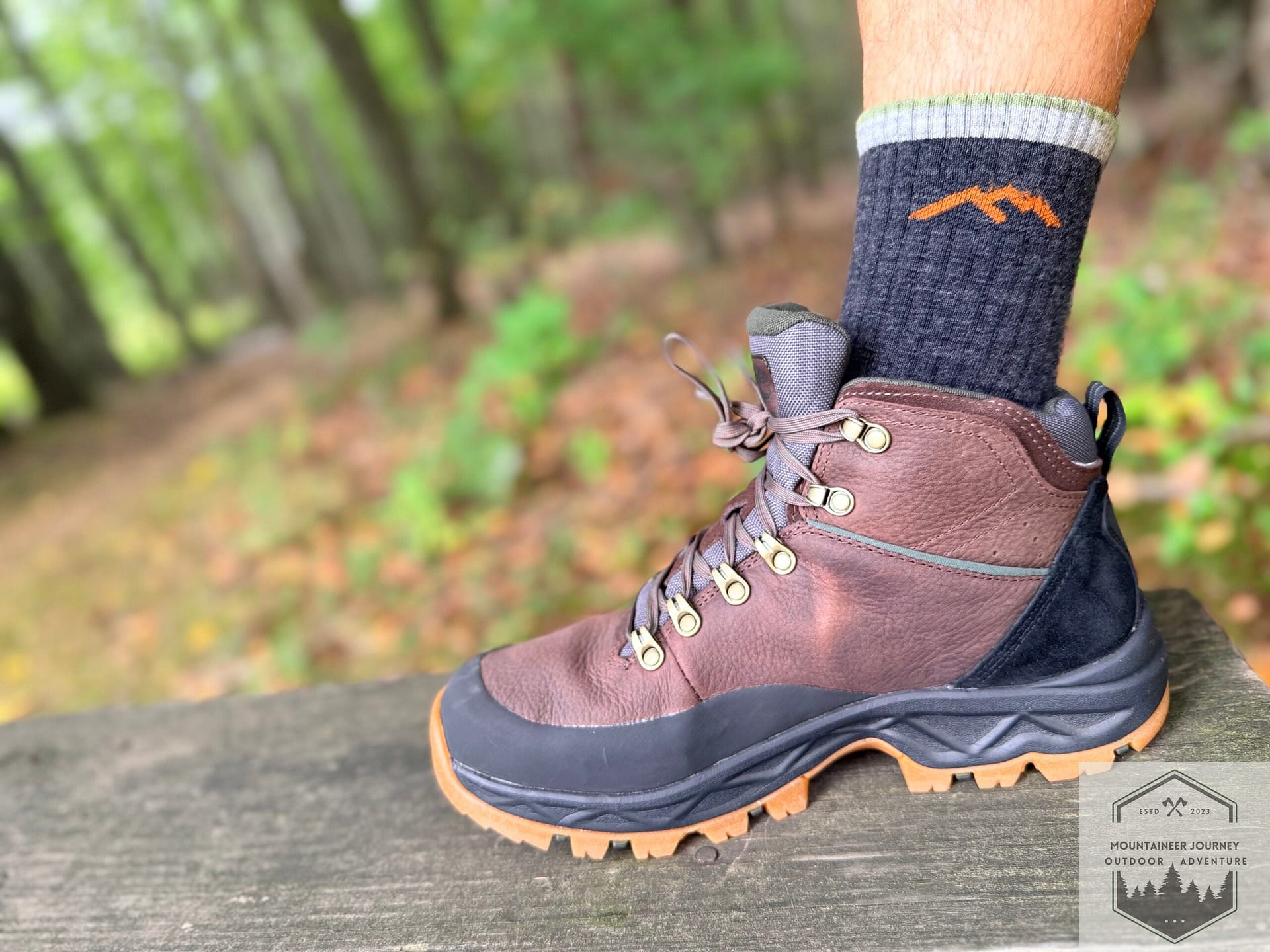
The Timberland Mt Maddsen 2.0 is a full-grain leather hiking boot built for budget-conscious hikers who want a traditional, sturdy boot for cooler weather and rough terrain. The price has increased by over $50 from the original Timberland Mt Maddsen, one of our top-rated budget hiking boots.
The outsole lugs are aggressive and thick, perfect for most terrain types; however, our testing showed some limitations on wet terrain. The full-grain leather is extremely sturdy and double-stitched for excellent lockdown and protection. We recommend this boot for budget-conscious hikers who want a durable leather day-hiking boot.
Timberland Mt Maddsen 2.0 Pros and Cons
Pros
- Full-grain leather uppers
- Traditionally stitched leather
- Outstanding ankle support
- Chunky lugs
Cons
- Very heavy
- Firm underfoot
- Leather drying time
Disclosure: These links may provide a discount and in return, give us a commission in order to run the website 🙂
Timberland Mt Maddsen 2.0 Price
The Timberland Mt Maddsen 2.0 retails for $160 as of 2026.
Compare Similar Products
| Comparision | Product | Rating | Price |
|---|---|---|---|
 | 9.7 | Check Lowest Price | |
Most Comfortable Hiking Boot 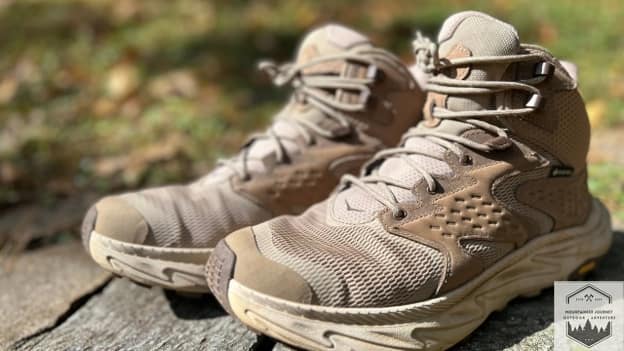 | 9.1 | Check LOWEST PriceRead Review | |
 | 8.1 | Check LOWEST PriceRead Review |
Should You Buy The Timberland Mt. Maddsen 2.0?
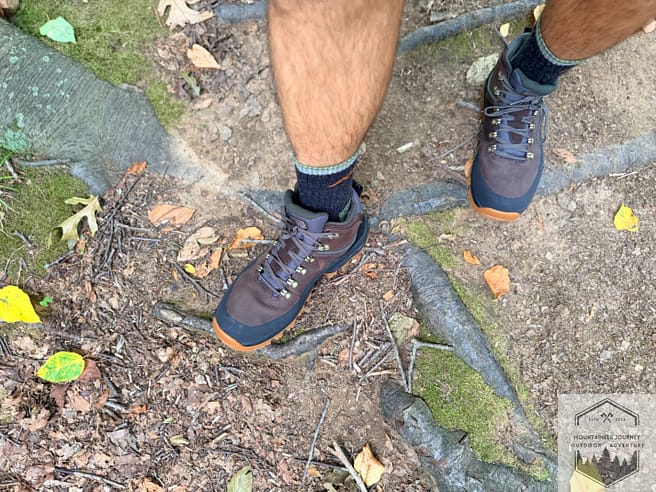
Buy If
- You want a premium leather hiking boot with traditionally stitched leather at an affordable price
- You prioritize stability, ankle support, and lockdown over lightweight agility
- You want full grain leather that resists abrasions and wear across years of mixed use
- You are looking for a waterproof boot under $160 that does not cut corners on construction
- You prefer a snug fit with good support through the midfoot and heel
- You liked the original Mt Maddsen and want a refreshed version with similar DNA
DON’T Buy If
- You hike primarily in hot conditions or summer heat where trapped moisture becomes a problem
- You hike mostly on paved park paths and groomed trails where this level of boot is overkill
- You have plantar fasciitis and need a heavily cushioned platform; the EVA midsole is firm, not plush
Comfort: 7.5/10
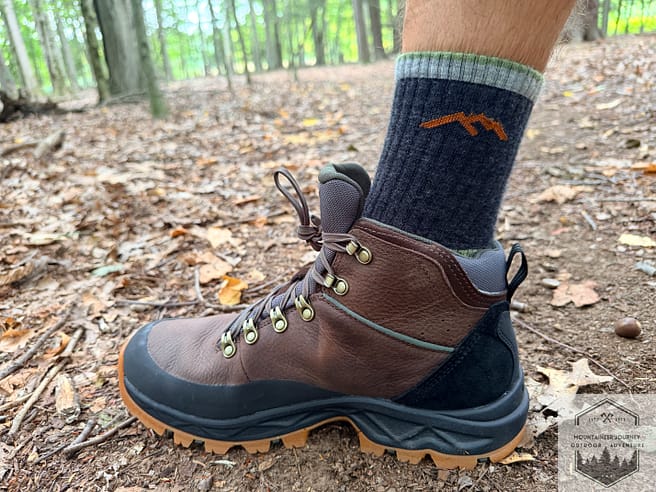
The first time I pulled on the Timberland Mt Maddsen 2.0, the leather felt thick and fairly stiff around the ankle and across the forefoot. The anti-fatigue insoles reduce foot strain and improve underfoot comfort right away, but the overall package wasn’t inviting on day one. The leather panels needed time, and the firm EVA midsole made the boot feel more like a work boot than a trail shoe during that first short hike on packed dirt.
The EVA midsole provides cushioning and sits on a firm rubber outsole. Together they create a platform that is supportive but not soft. The impact absorption is pretty decent, but it’s not a beast like the Adidas Terrex Free Hiker 3, or Hoka Anacapa 2.
Walking across basalt slabs, I could feel the shape of larger rocks under the ball of my foot without pain. On sharp limestone edges, the stiffness actually helped distribute pressure evenly. On washboard dirt roads, though, I missed the plush cushioning of boots like the Hoka Kaha 3.
The break-in period is about 5 miles. During those first few outings, I noticed hot spots on the outside of my left heel and across the top of my right foot where the tongue crease sits.
The ankle cuff is padded but firm. On long descents, I felt pressure at the front of my ankle when I cranked the laces tight. Loosening the top speed hook by one notch solved this completely. The gusseted tongue stays put and does not bunch or dig, which I appreciated.
Weight
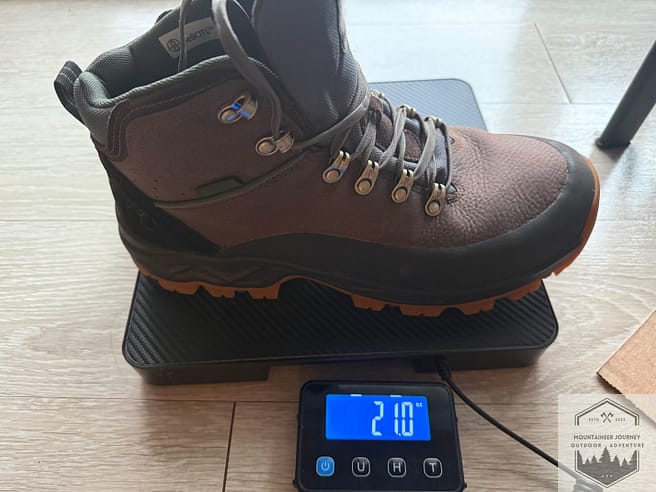
I weighed my pair at 21 oz per boot for a men’s size 10.5 on our calibrated scale. The Mt. Maddsen 2.0 is noticeably heavier than modern synthetic hiking boots. For reference, the La Sportiva Ultra Raptor 3 is over 5 ounces lighter per boot.
That extra weight shows up on climbs. Grinding uphill on loose gravel with a 20-pound pack, my legs felt the difference compared to days I wore lighter boots.
Lighter hikers under 160 pounds, people used to trail runners, and anyone with knee issues will feel the extra weight more than most. If weight is a dealbreaker, check our best lightweight hiking boots list for alternatives.
Traction: 8.5/10
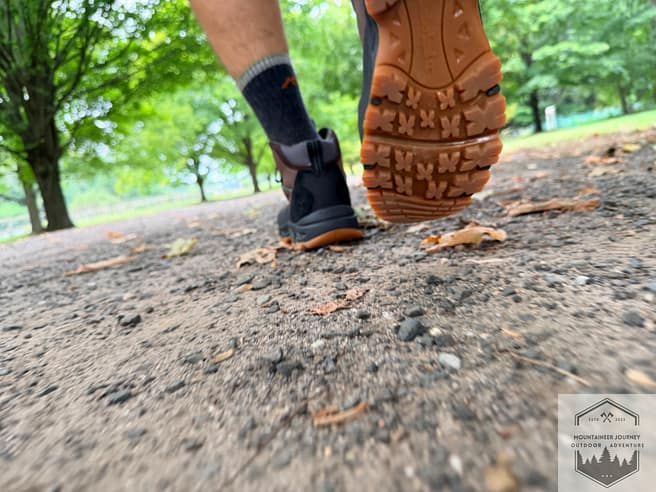
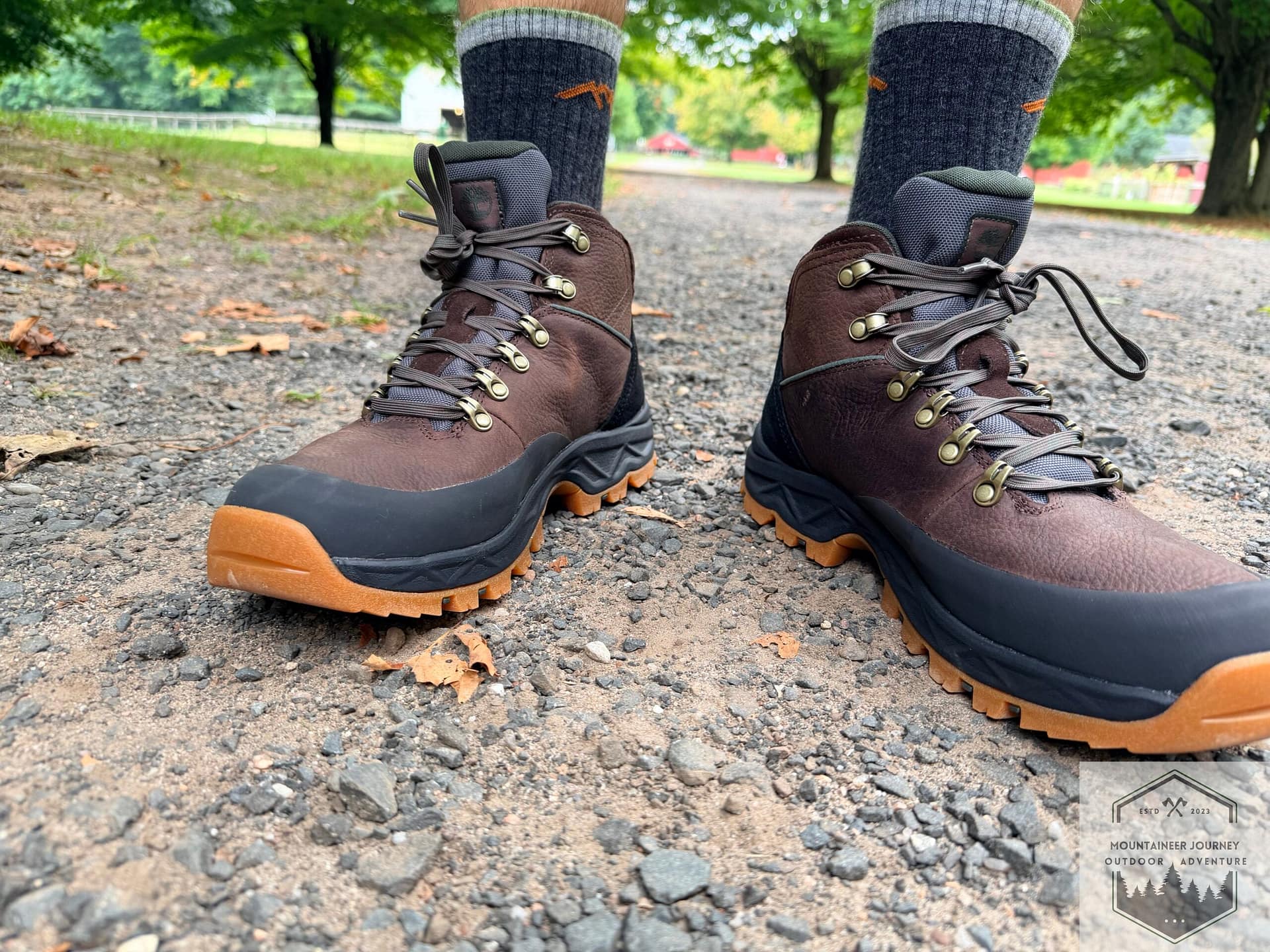
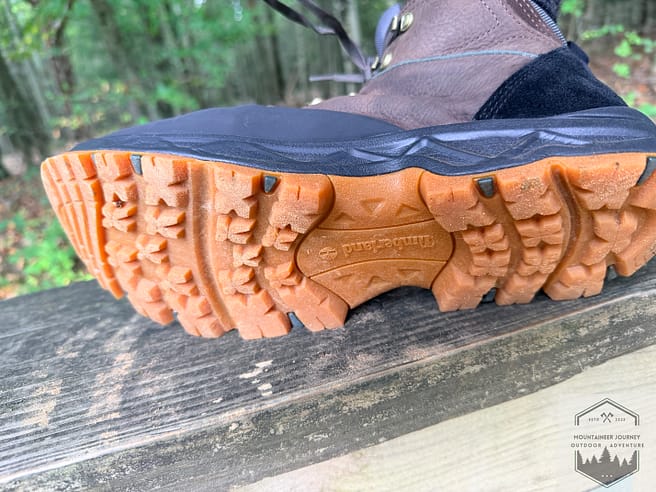
The Mt Maddsen 2.0 uses rubber outsoles with a multidirectional lug pattern. The lugs are moderately deep with sharp edges for a boot in this price range, and the compound feels slightly tacky on rock.
On dry dirt singletrack, the outsole gripped confidently on moderate grades. Climbing a steady 15 to 20 percent grade on packed dirt, I had no slipping at all. Braking on downhill stretches felt stable and planted.
The chunky lugs bit deeply into dirt, singletrack, gravel, and limestone during our testing. One section of trail I use regularly has loose gravel over hardpack, and the Maddsen boots dug through the loose layer to find purchase underneath. On off-camber limestone ledges where I needed to trust a small foothold, the stiff platform helped me edge with confidence despite the boot’s weight
Wet rock is where things get more nuanced. On wet basalt slabs with some texture, the rubber outsoles held a decent grip. On wet leaves and damp packed dirt, the boot performed well. But the traction falls short on slick surfaces.
On a rain-soaked section of polished limestone, I felt the sole start to slide before catching. The Mt Maddsen has reliable traction on flat and moderate slopes, and the rubber outsole grips well on packed dirt, rocks, and mud. They are best suited for dirt singletrack, gravel roads, mixed rock terrain, and moderate trails in wet or dry conditions.
Overall Protection: 5/5
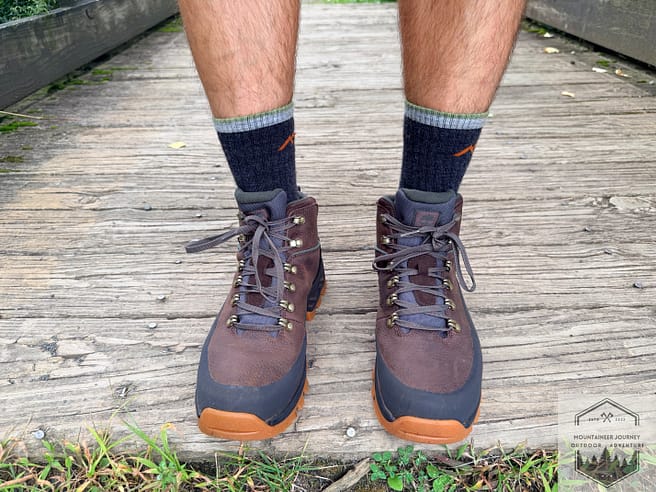
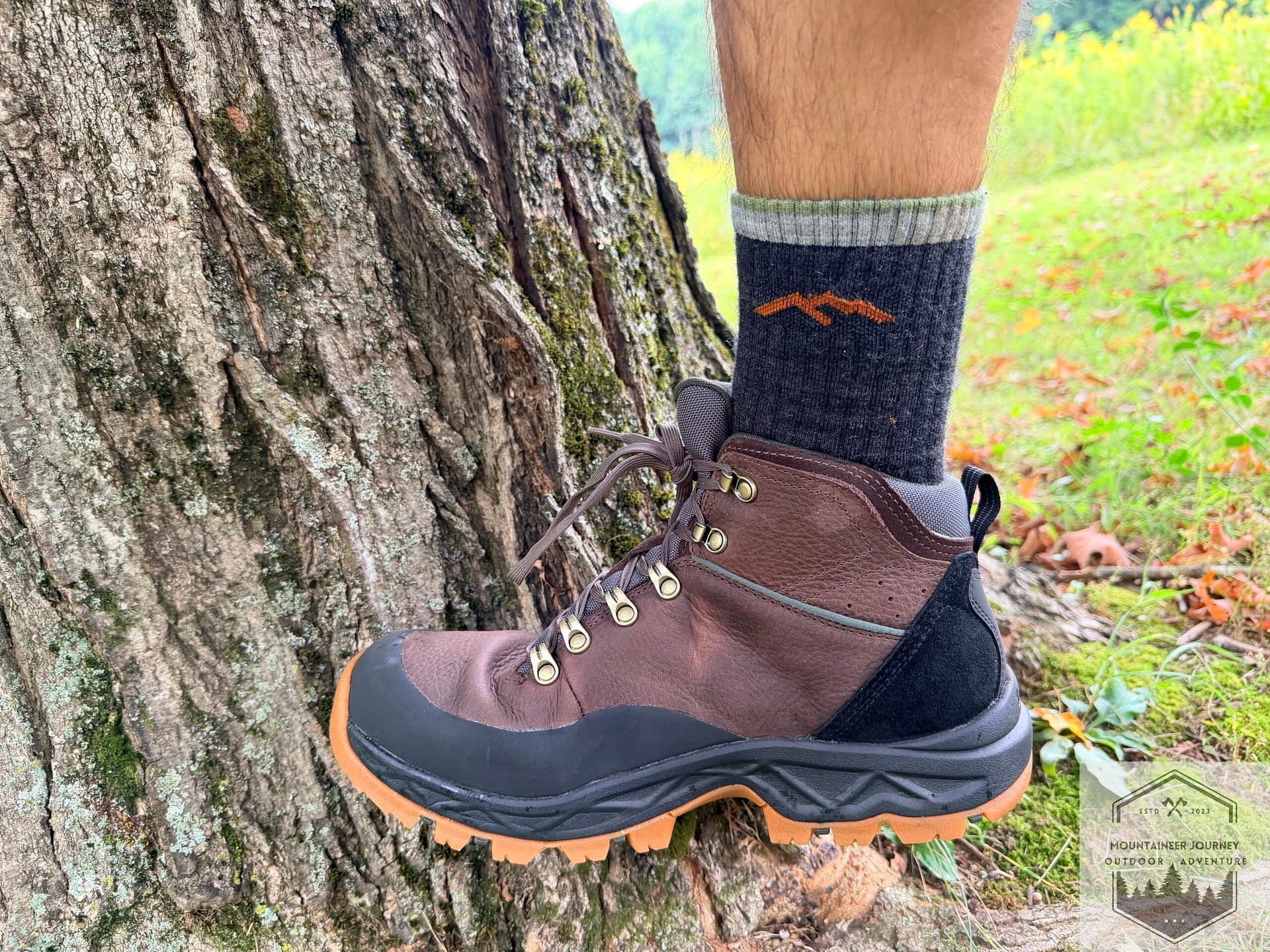
The Mt Maddsen 2.0 is built to be a protective leather shell for cooler conditions and rough terrain. The full-grain leather uppers resist abrasion very well, and they are double-stitched for better reinforcement.
The toe box has a full rubber rand reaching all the way around to the arch. Kicking the front of the boot into basalt steps, I felt the stiffness absorb the impact without any pain reaching my toes. This is one of the more reinforced toe boxes I’ve tested.
Sidewall protection is good. The midsole and outsole wrap slightly above the sole line, but not as high as boots in the $200+ range. The heel is also well reinforced with rubber that stretches up to the top of the ankle.
Water Resistance: 5/5
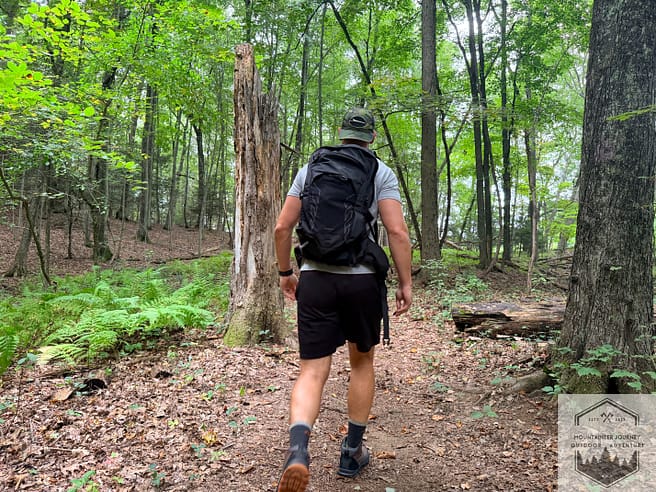
The Timberland Mt. Maddsen features a waterproof membrane called TimberDry, paired with full-grain waterproof leather sourced from LWG Silver-rated tanneries. The full-grain leather upper helps repel water effectively on the surface, and the TimberDry waterproof membrane blocks anything that gets past the leather.
The Mt Maddsen 2.0 stood tall during our 10-minute water submersion test; they keep my feet completely dry. However, they took several hours to dry, which can create stress risers over time and affect overall durability.
The flood height is impressive for a boot at this price; water only breached when it reached above the tongue joint at the top of the gusseted tongue. Breathability is where the tradeoff lives. The waterproof membrane retains heat, making the boot warmer in summer conditions. On a 74°F sunny afternoon on dusty singletrack, I started to feel moisture buildup from sweat by mile 4. The boots are best for cooler weather below 70°F. The seasonal sweet spot is roughly 25°F to 65°F with socks adjusted for conditions.
The boot’s weather resistance is one of its core strengths. The boot is suitable for various trail conditions, including wet or muddy environments.
How Does The Timberland Mt. Maddsen Fit?
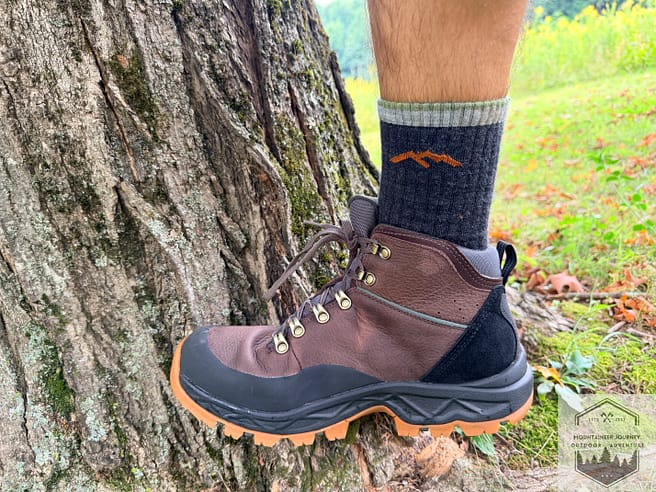
I bought a men’s size 10.5 wide and found it fit true to size compared to my hiking boots. No need to size up or down.
The Mt. Maddsen 2.0 features a spacious toe box that allows your toes to spread out comfortably. If you’re unsure whether to choose a regular or wide size, the wide option is not excessive for this model. If you are between widths, check our guide on hiking boots for wide feet for more options.
Width options include medium (D) and wide (2E). If you typically wear wide shoes or plan to hike in thick socks, order the wide.
The tongue stays centered throughout the day. One minor gripe: the stock flat laces are a decent amount longer than they need to be, leaving excess material to tuck or wrap. Swapping for shorter laces would be a simple improvement.
Timberland Mt Maddsen Fit: 4.5/5
Stability & Support: 4.5/5
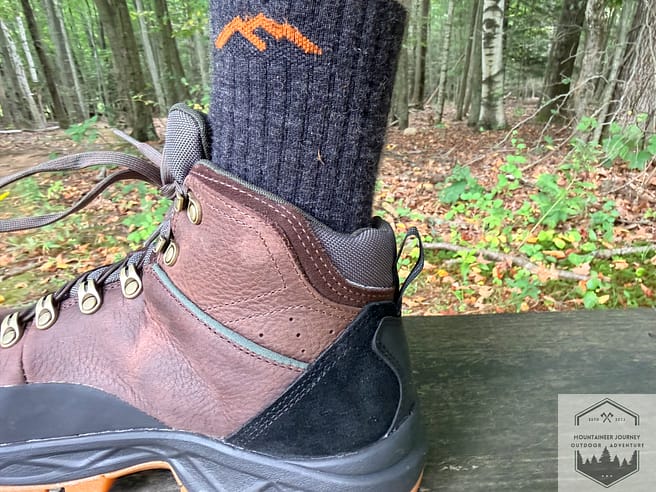
This is where the Timberland Mt Maddsen 2.0 earns its keep. Torsional rigidity is a big strength. This is an extremely stable boot with excellent lockdown when laced correctly.
The platform is wide under both the forefoot and heel, which creates a planted, grounded feel when side-hilling across loose gravel or angled limestone shelves. I spent a full afternoon traversing an off-camber basalt section where the trail cut across a slope, and the boot never felt like it wanted to roll.
The internal TPU shank runs through the midfoot and adds serious stiffness when crossing boulder fields or rutted dirt tracks. On one stretch of uneven terrain with broken basalt scattered across the trail, I could feel the shank bridging the gaps between rocks and keeping my arch from flexing into awkward positions. That extra stability is a genuine asset for hikers carrying weight.
Ankle support is strong. The collar rises high enough to resist lateral rolling when stepping on loose rock, and the leather structure holds its shape under load. With a 22-pound pack, my ankles felt secure on every surface I tested.
The downside is that the boot can feel blocky. Trail feel is minimal. If you are used to lighter, more flexible hiking boots, the Maddsen boots will feel like you are walking on platforms rather than with the trail.
Technical footwork on small rock holds takes some adjustment because you cannot feel edges as precisely as you can in a lower-profile boot like the Merrell Moab 3.
Durability: 8/10
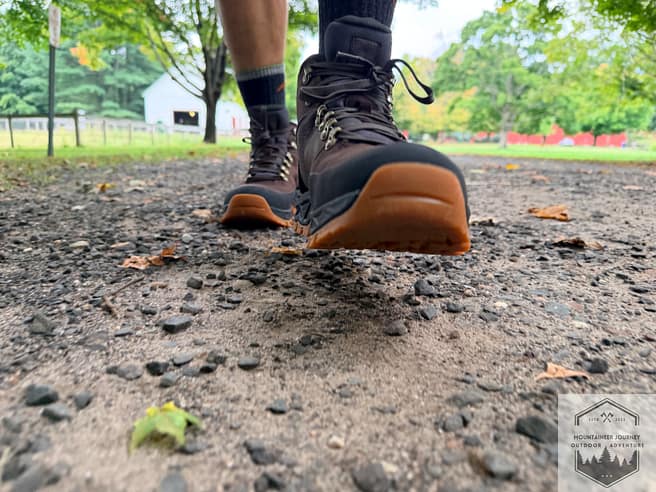
So far during our testing on loose gravel, crumbly limestone, and packed dirt singletrack, the Mt Maddsen 2.0 is holding up well.
The full-grain leather uppers show superficial scuffs from basalt and limestone contact. Color loss is minimal, and the scuffs cleaned up with a damp cloth and a light conditioner. The leather can crack if not properly maintained, so I applied a leather conditioner after every 20 to 25 miles of wet use. With that basic care, the grain leather still looks solid.
Outsole wear is mild. I see slight lug rounding at the heel and under the ball of the foot, which is expected after this mileage on abrasive rock. The midfoot and toe lugs are still sharp. The rubber compound is durable and shows no signs of chunking or tearing.
The double stitching on the leather panels has remained intact, with no loose threads or separation. However, I’m worried that constant exposure to moisture could lead to stress fractures in the leather, especially since it takes a long time to dry. Unfortunately, this is an unavoidable drawback of full-grain leather boots.
So far, my previous original Timberline Mount Medicine has lasted 3 years under mixed use and is still going strong. I would estimate most weekend hikers will get 2 to 3 full seasons of regular trail use before needing to replace them, and lighter use could stretch that to 4 or 5 years.
Is The Timberland Mt Maddsen 2.0 Worth It?
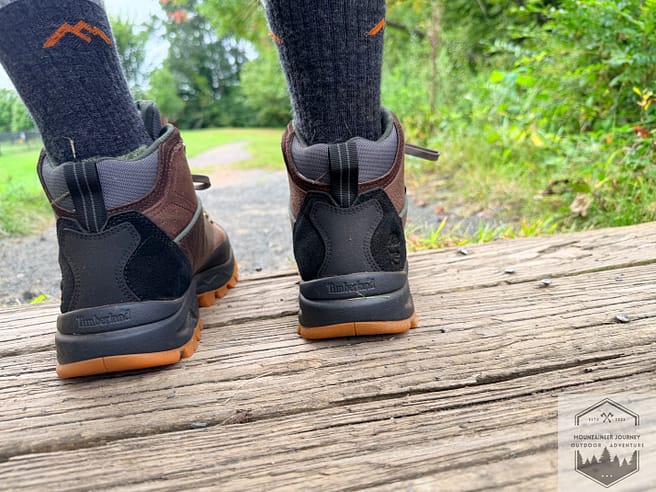
The Mt Maddsen 2.0 is worth buying if you value full grain leather construction, traditionally stitched panels, and serious stability at a price that undercuts most comparable leather hiking boots by $40 or more. At $160, the combination of waterproofing, torsional rigidity, and durable leather is hard to match.
The tradeoffs are real. This boot weighs 21 oz per boot and really traps heat in warmer conditions. It isn’t the right boot for fast, light missions, hot-weather hiking, or anyone who wants out-of-the-box softness.
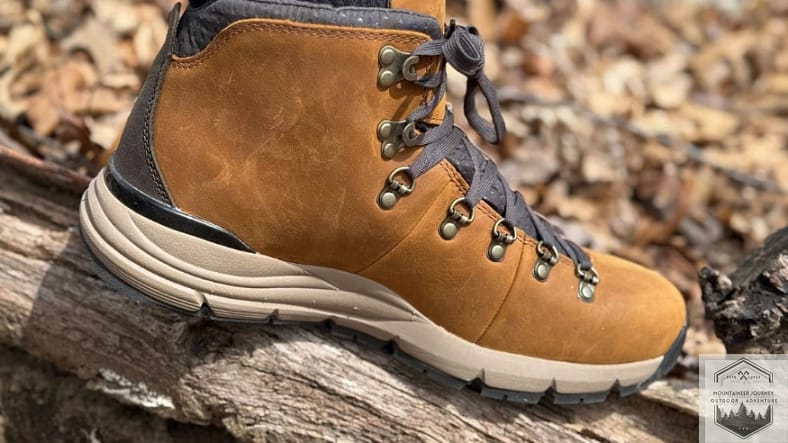
If you want something lighter and more cushioned, the Merrell Moab 3 or Salomon X Ultra 5 are strong alternatives. For the same level of durable leather with a slightly more comfortable footbed, the Danner 600 is another good pick. If budget is no concern and you want the best overall boot we have tested, look at the Hoka Kaha 3 GTX.
But for hikers who want a tough, traditional leather boot that performs on rough terrain in cool weather without spending $200, the Mt Maddsen 2.0 delivers.
Value: 4.5 / 5
Scoring Breakdown
Comfort: 7.5/10
Traction: 8.5/10
Overall Protection: 5/5
Waterproofness: 5/5
Fit: 4.5/5
Stability & Support: 4.5/5
Durability: 8/10
Value: 4.5/5
Total: 47.5 / 55
Our Rating: 8.6 / 10
How We Tested and Our Methodology
I personally tested the Timberland Mt. Maddsen 2.0 since its 2026 launch, with the sole intent of providing the most unbiased review possible. Mountaineer Journey is a 100% independent publisher with years of testing and reviewing outdoor adventure equipment.
Over the past decade, I have logged more than 3,000 miles of hiking across diverse terrain, from the rugged Appalachian Trail to the challenging Rocky Mountains.
This experience lets me accurately evaluate the Mt Maddsen’s performance in real-world conditions.
As I continue testing the Mt Maddsen, I’ll log as many miles as possible and share performance and durability updates. The goal is to show you exactly how far you can trust this boot on the trail over time.
We currently pay for the products we test ourselves; no company or manufacturer pays us to sway our opinions or decisions.
Adventure Awaits,
Tyler

Tyler
Tyler is the founder Mountaineer Journey and a professional Mountain Guide with 15+ years of technical experience in trekking, mountaineering, and trail sports. Having logged thousands of miles from rugged alpine summits to urban paths, Tyler provides rigorous, field-tested insights on hiking, walking, and trail running gear. All reviews are 100% unsponsored and unbiased, ensuring you get honest scoring based on real-world performance. His mission is to help outdoor enthusiasts of all levels find reliable equipment that ensures comfort, safety, and performance on any terrain.