Our Score
Hoka Stinson 8 Review 2026 | Unsponsored
Our Verdict
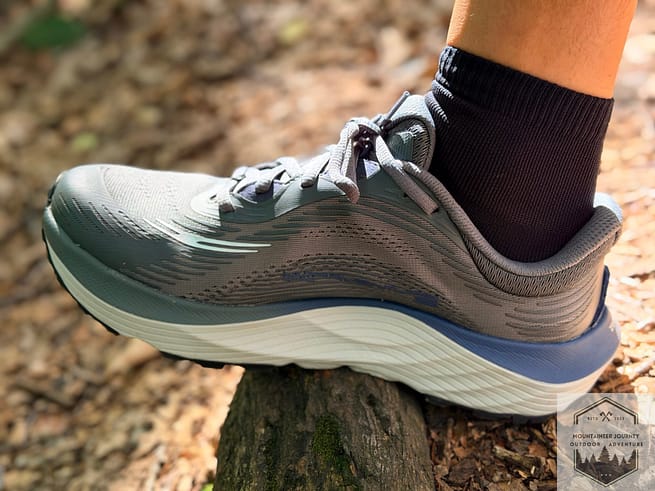
The Hoka Stinson 8 is a moderately cushioned road-to-trail shoe built for runners and hikers with wide feet who spend long hours grinding out miles on gravel roads, decomposed granite, and mellow dirt singletrack. It is not nimble. It is not quick. But if you need a protective, stable platform that transitions from pavement to forest roads without missing a beat, this shoe delivers in a big way.
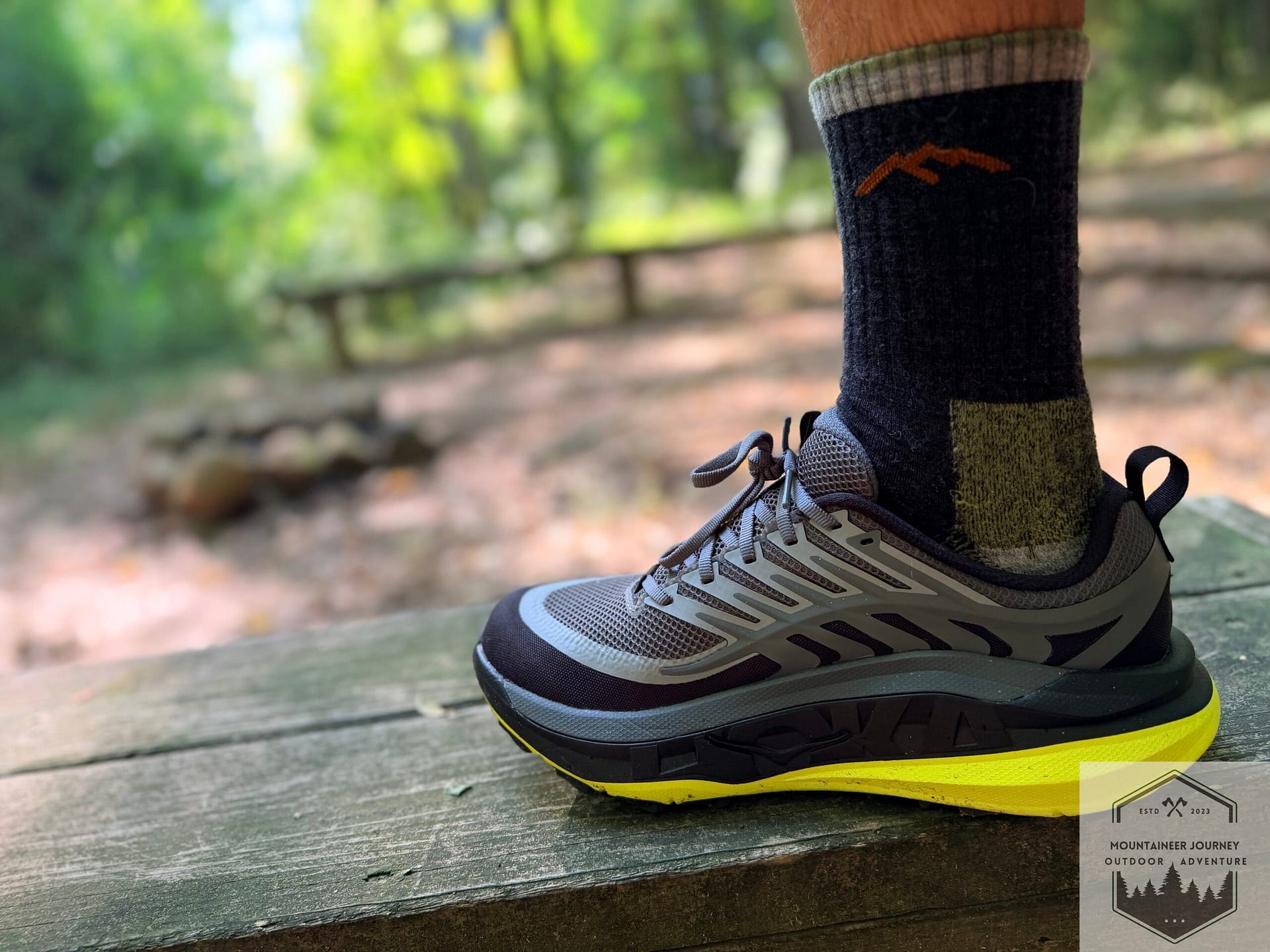
The Stinson 8 feels a touch firmer and less marshmallow-soft than the Stinson 7, thanks to the updated H Frame midsole structure that pairs a softer bottom layer with a firmer top foam closer to the foot. The reversed double chevron lugs bite especially well on side hills and off-camber basalt and gravel, making traverses feel very secure even when tired. The wide base, tall stack height, and generous forefoot width make this an ideal choice for big mileage days where protection matters more than agility.
This review is completely unsponsored. I bought this pair with my own money and tested it with no brand involvement.
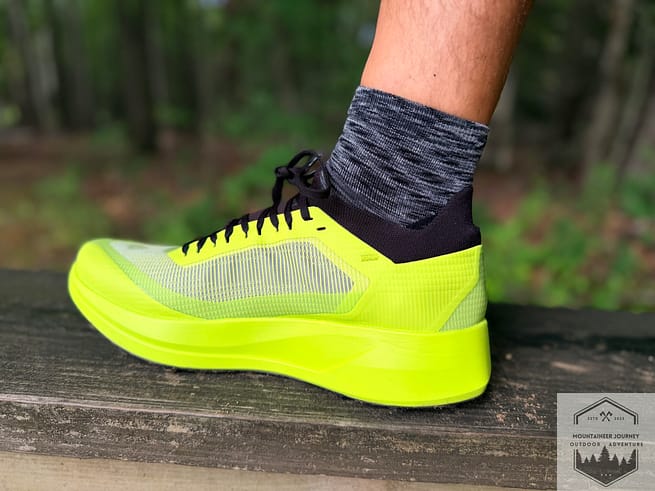
If you are looking for a nimble trail running shoe that can weave through tight switchbacks and hop over roots at pace, this is not your shoe. Take a look at the Arc’teryx Sylan 2, or NNormal Kjerag 02.
Hoka Stinson 8 Pros and Cons
Pros
- Wide Toe Box
- Good lockdown
- Stable heel cup design
Cons
- No rock plate
- Blocky
- Price
Compare Similar Products
| Comparision | Product | Rating | Price |
|---|---|---|---|
 | 7.8 | Check Lowest Price | |
 | 8.9 | Check Lowest PriceRead Review | |
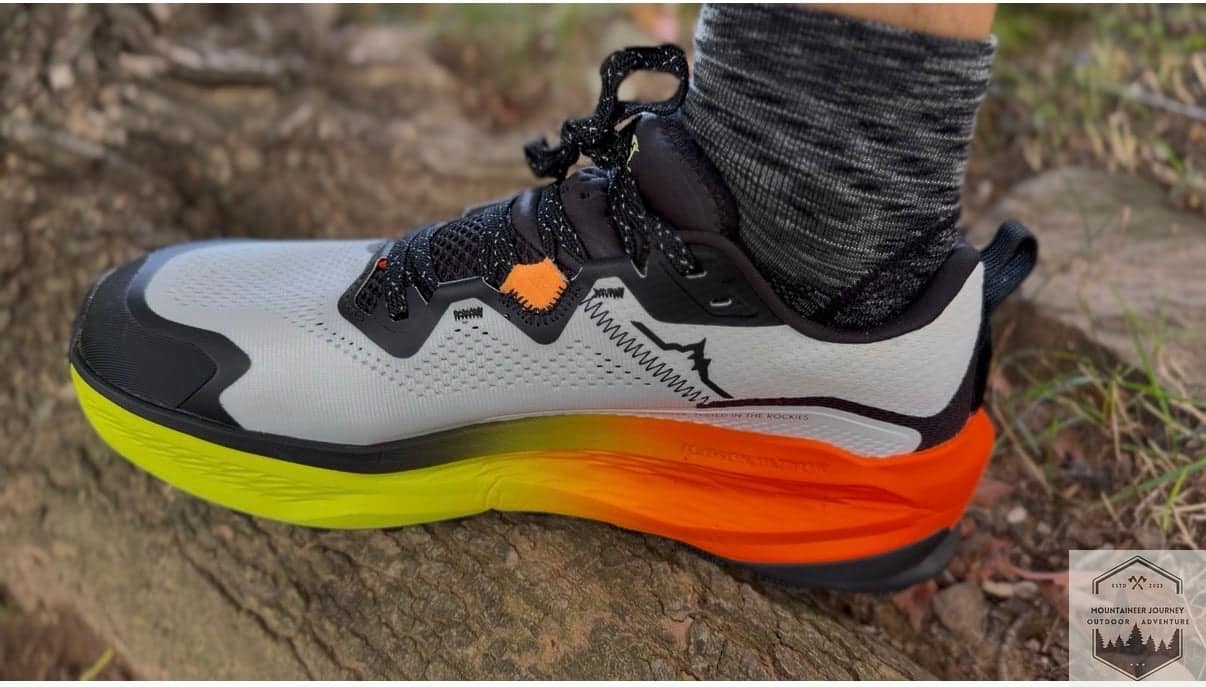 | 8.4 | Check Lowest PriceRead Review |
Who should buy the Hoka Stinson 8
- Wide-footed trail runners who need a very broad base and roomy forefoot for long days on gravel roads, decomposed granite and rolling dirt singletrack
- Heavier runners or those with cranky knees and ankles who benefit from high stack cushioning and subtle stability through the H Frame system instead of harsh posting
- People who liked the Topo Ultraventure for toe box volume and comfort but want even more cushioning and a more secure feel underfoot
Who should NOT buy the Hoka Stinson 8
- Runners who prioritize agility and quick direction changes on rocky technical trails with boulders, roots, and tight switchbacks
- Lighter runners who prefer a softer, more plush feel and might actually enjoy the Stinson 7 or a model like the Hoka Mafate instead
- Serious mountain racers wanting a precise, low-profile trail shoe with better ground feel and a more flexible, nimble ride
- Minimalists who love ground feel and flex underfoot
- Those running deep mud, snow or slick clay who will want deeper lugs and a more aggressive outsole pattern than what this shoe offers
Hoka Stinson 8 Price
The current retail price for the Stinson 8 sits at $180.
Comfort and Fit
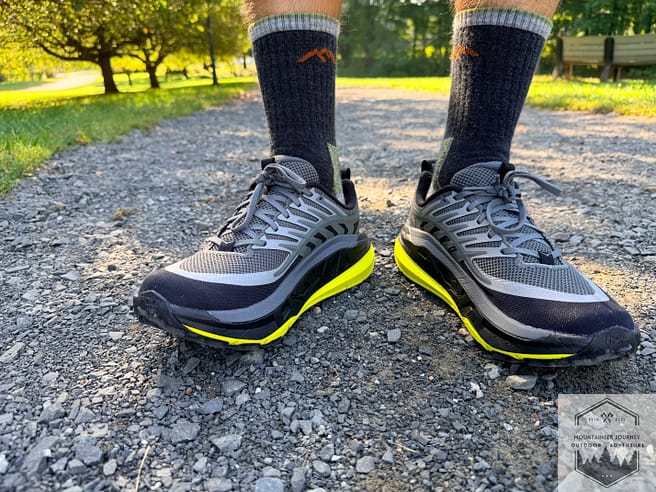
When I first stepped into the Stinson 8 and walked across my living room, the cushioning was immediately apparent but not in the same marshmallow-soft way the Stinson 7 delivered.
This shoe is cushioned, no doubt, but the ride feels more structured and deliberate. The dual-density CMEVA foam midsole uses H Frame technology, with a firmer top layer over a softer bottom layer, giving you protection without the sinking, unstable softness some runners dislike in maximalist trail shoes.
The Stinson 8 has a 44mm heel stack height with a 5mm drop down to 39mm in the forefoot. That is a massive amount of foam underfoot; however, it is a bit firmer than other shoes with the same stack height. The shock absorption was good but not exceptional, which I expected from a 40+ mm heel stack height.
The width is where this shoe really separates itself from most other trail shoes. I measured the forefoot at 182 mm and the heel at 105mm with our caliper. For runners with genuinely wide feet, this is one of the few trail shoes that truly fits without squeezing your toes together.
The forefoot is wider but has lower volume than the Stinson 7, partly because the rigid toe guard takes up some internal space. The fit may feel snugger than earlier models because of the tapered toe box, but the overall width is still generous.
The molded cage overlay wraps from the midsole up through the midfoot and ties into the lacing system, creating excellent lockdown without compressing wide feet. Combined with the gusseted tongue, I found the midfoot stayed secure even on off-camber side hills where my foot wanted to slide laterally.
The upper features breathable mesh with overlays that kept airflow moving on hot, dusty days when I climbed long gravel hills in full sun. Ventilation is genuinely good for a shoe with this much structure.
The heel collar sits lower than many other trail runners, and I noticed a slightly less secure feel on steep uphill scrambles over loose basalt (similar to the Mafate 5, but less pronounced). The padded collar is comfortable, but if you have a narrow heel, pay attention here because some heel slip is possible during aggressive climbing.
The Hoka Stinson 8 fits true to size for most users. I tested my normal size and the fit was spot on. If you have tried Hoka before, stick to your usual size. The shoe has a medium-to-high-volume fit overall, so those with very narrow feet may find too much space in the forefoot, even with the laces cinched down.
Comfort and Fit Score: 8/10 (20%)
Traction
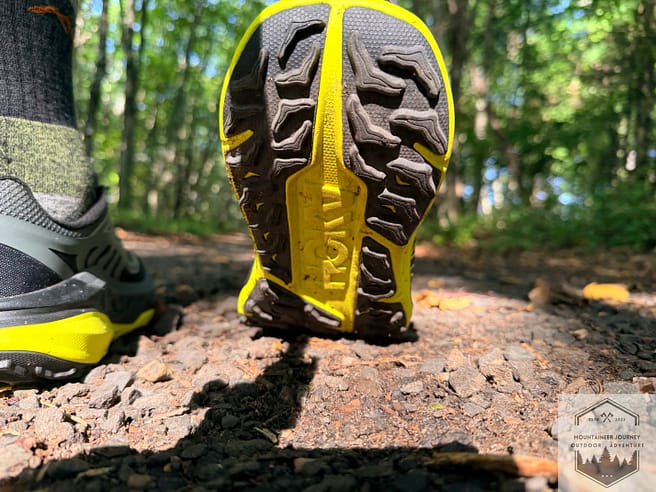
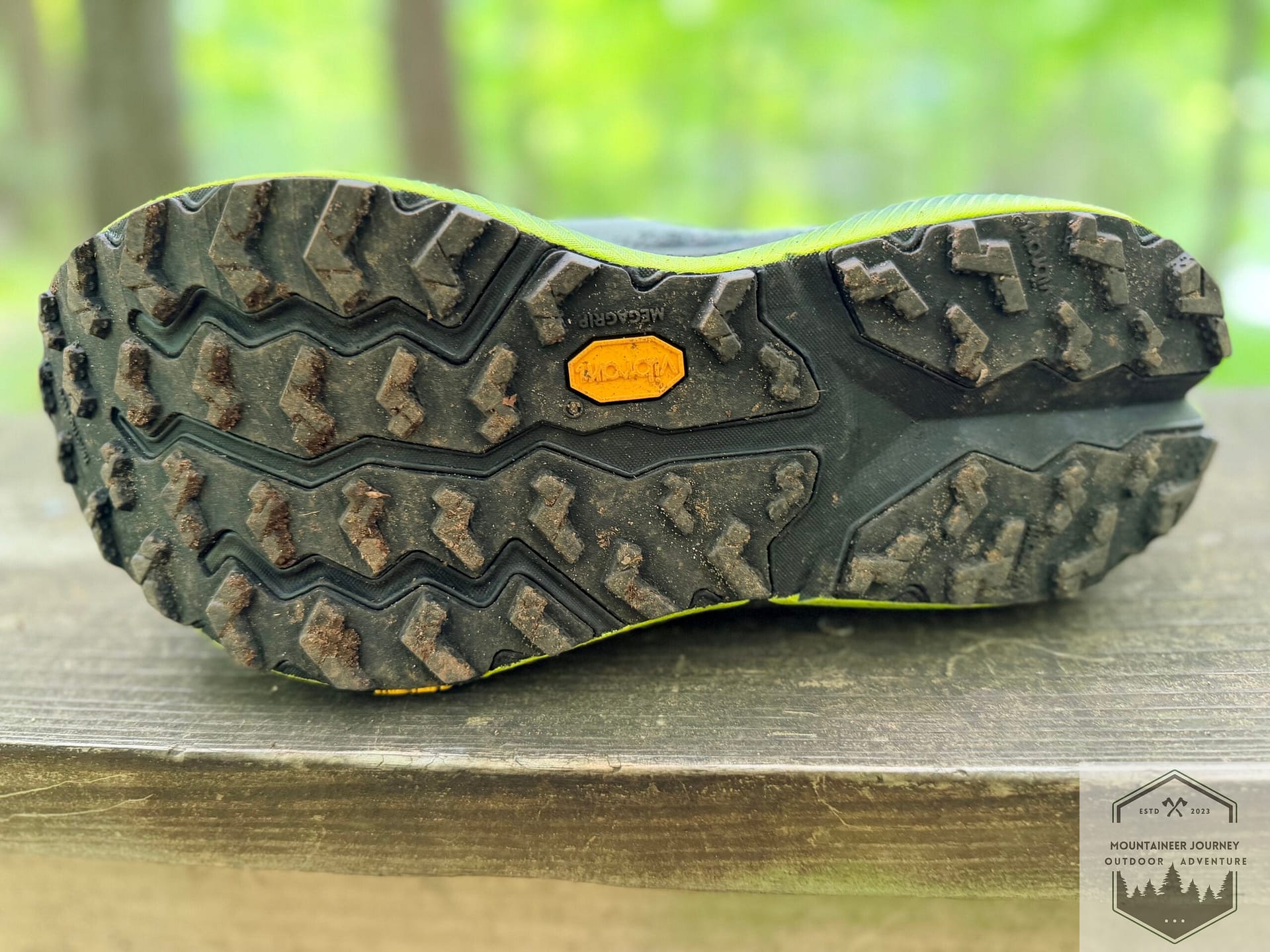
On the gravel roads and basalt chunks I spend most of my trail time on, the Stinson 8 grips with real confidence. The outsole features a refined 3.5mm lug pattern across the entire bottom, and the lugs are arranged in a reversed double chevron layout that differs from the typical pattern you see on most trail shoes.
This Durabrasion all-terrain rubber outsole performs much better than the Durabrasion on the Challenger 8. The reversed double chevron pattern really shines on side hills and traverses. When I ran across a loose gravel slope on an off-camber section of basalt and decomposed granite, the lugs dug in on the medial side and held my footing in a way that surprised me, given how shallow they are.
On flat, hard-packed dirt and crushed gravel, the grip is good, but not exceptional. Even on pavement sections connecting trailheads, the lugs do not feel loud or awkward. They walk quietly on road stretches and then grab when you hit the dirt.
The traction on mixed terrain from pavement to gravel to dirt is where this shoe earns its road-to-trail reputation. Its design supports smooth transitions from road to trail surfaces with minimal footwear changes.
The limitations show up in mud and on wet, slippery surfaces. Early morning dew on basalt and wet concrete paths provided modest grip, enough to stay safe but not enough to feel fully confident.
In sloppy mud or on wet roots, the 3.5mm lugs simply are not deep enough to bite aggressively. On steep technical rock fields where precise foot placement matters, the broad platform and shallow lugs become a genuine drawback.
Compared to the Topo Ultra Aventure 5, which uses a Vibram outsole with different lug geometry, the Stinson 8 feels more confident on side hills and loose gravel traverses but less capable on wet rock and technical terrain, where the Topo’s nimbler shape and slightly deeper bite give it an edge.
Traction Score: 7.5/10 (20%)
Stability and Support
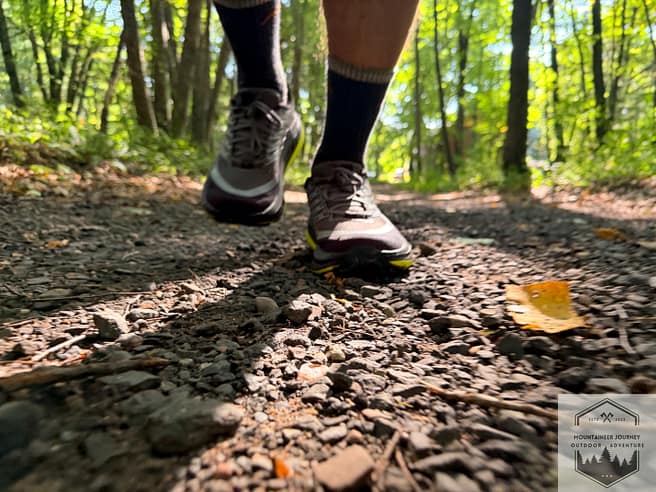
This is where the Hoka Stinson 8 earns its keep. The H Frame stability system combined with the massive sole flares creates one of the more enticing stability platforms. On rolling dirt and gravel roads, the shoe feels absolutely planted. There is no wobble, no vague squish, just a firm, guided ride that keeps the foot tracking straight.
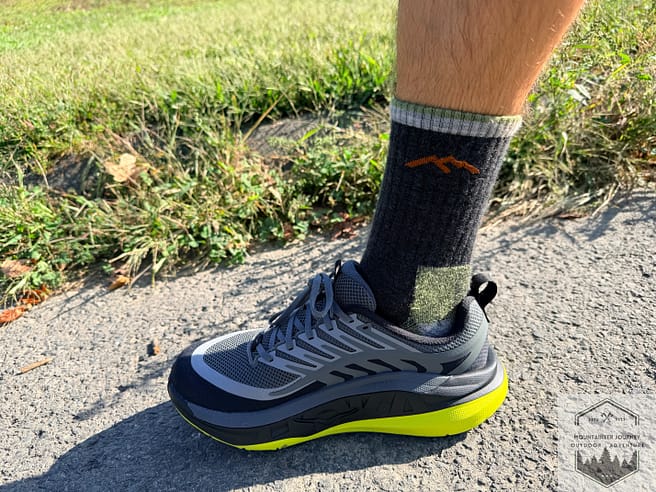
The H Frame layers firmer foam closer to the foot over a softer bottom layer, giving directional guidance without the harshness of a rigid medial post. This approach to stability is brilliant for runners who overpronate slightly or who just need extra support during longer efforts when form starts to break down.
Lateral stability is excellent. When crossing gravel trails and scattered basalt fragments, the wide base kept me from rolling an ankle even when I was not paying full attention to foot placement. The platform width at the forefoot and heel creates a huge contact patch that disperses forces across the entire sole rather than concentrating them at one point.
The torsional rigidity is noticeable and deliberate. This shoe resists twisting, which gives real confidence across uneven terrain but also means it is not a quick-reacting shoe. If you need to hop between rocks or weave through tight root sections, the Stinson 8 feels stiff and slow to respond. It is a stable platform for overpronators and heavy runners, not a nimble trail runner.
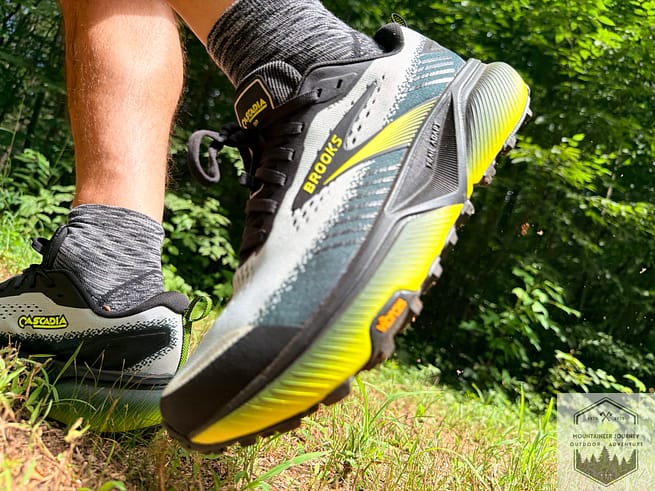
This shoe has no dedicated rock plate, but the combination of its tall stack height and midsole shaping makes one unnecessary. This is similar to the Brooks Cascadia 20. It seems like many newer trail shoes are moving away from a dedicated rock plate in favor of more stack height and firmer outsoles.
Stability and Support Score: 9/10 (20%)
Weight
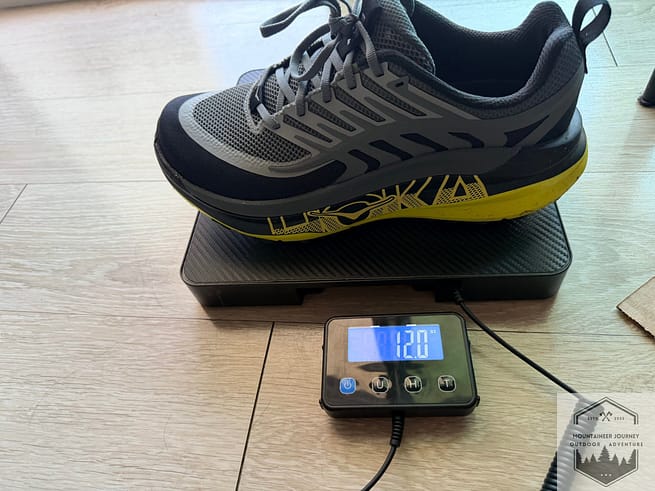
I weighed my men’s 10.5 at 12 oz per shoe on our calibrated scale. The official spec lists the shoe at 11.1 ounces for men’s size 9, making the Stinson 8 the lightest Stinson model to date, roughly a half ounce lighter than the Stinson 7.
The meta rocker helps smooth out heel strikes and keeps the ride moving forward. But when you start climbing a long gravel hill, the mass reveals itself. My calves and hips felt the load after a couple of hours, especially on sustained climbs where each step costs just a bit more energy than it would in a lighter shoe.
Clunky and blocky best describe the Stinson 8. Well, 12 oz. isn’t extremely heavy for a trail running shoe. You definitely feel all 12 oz on the trail.
Weight Score: 6/10 (15%)
Overall Protection
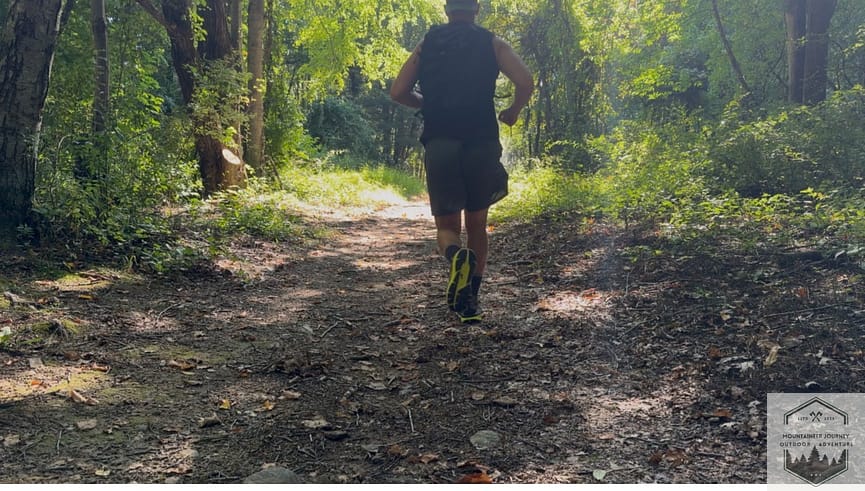
The Stinson 8 has pretty good protection underfoot. The combination of the larger stack height and wide base really disperses any jagged impacts.
The toe guard is thick and rigid, and it saved my toes more than once when I kicked hidden rocks on dusty dirt singletrack where visibility was poor.
The upper sidewall coverage offers solid protection from lateral rock strikes and brush scraping along narrow paths. The molded cage overlay adds structure that keeps debris from pushing through the mesh into your foot.
The tradeoff is real, though. All this protection comes at the cost of trail feel and agility. You really don’t have much ground connection, which is exactly what some runners want.
Overall Protection Score: 9/10 (10%)
Is the Hoka Stinson 8 Worth It?
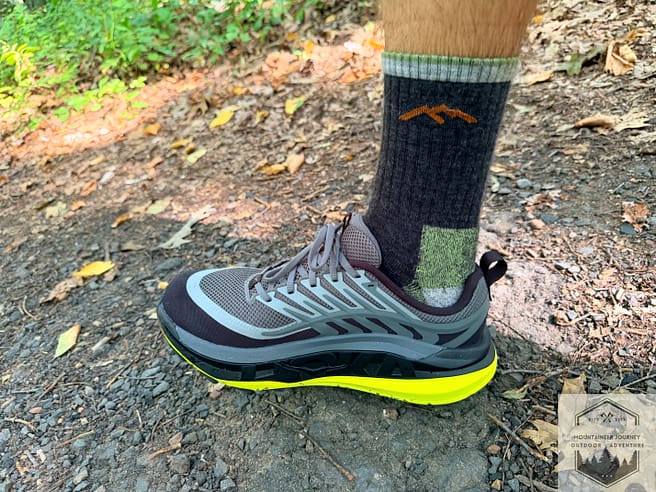
Yes, for the right runner. If you log big weekly volume on dirt and gravel roads, need a shoe that fits wide feet without compromise, and want a road-to-trail shoe that transitions seamlessly from pavement to forest roads, the Stinson 8 is a great option.
However, the $180 price tag is tough to justify. The Topo Ultra Adventure 5 is a very similar shoe with slightly less cushioning, but is $25 cheaper.
The main drawbacks are its weight, lack of agility, and limited performance on steep technical rock and in mud. The Stinson 8 is not optimized for speed workouts or technical trails. If those limitations don’t apply to your running, then the Stinson is a good option.
Overall, the HOKA Stinson 8 excelled during our testing. However, the $180 price tag is a bit much for the value you get.
Alternative Trail Running Shoes to Consider
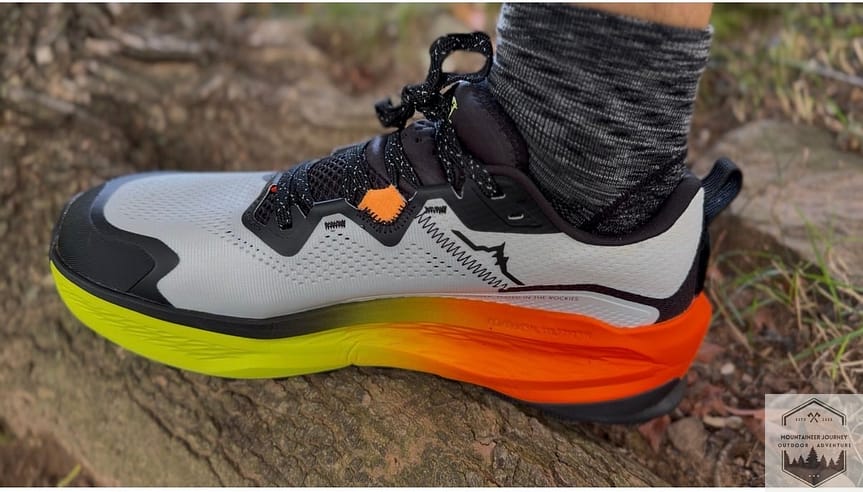
For a zero-drop alternative with aggressive traction and a similarly wide toe box, the Altra Lone Peak 9+ is worth a look. For those who want cushioning that was similar to the previous iteration, check out the Hoka Mafate X, or even the Speedgoat 7.
Value Score: 7/10 (15%)
Scoring Breakdown
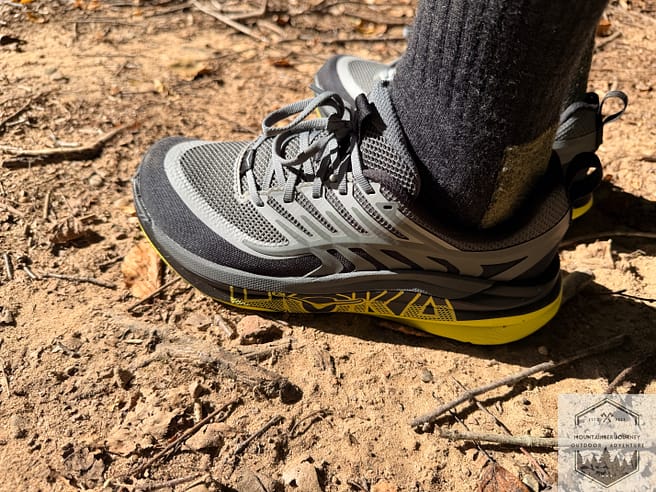
Comfort & Fit (20%): 8/10
Traction (20%): 7.5/10
Stability & Support (20%): 9/10
Weight (15%): 6/10
Overall Protection (10%): 9/10
Value (15%): 7/10
Total Weighted Score: 1.60 + 1.50 + 1.80 + 0.90 + 0.90 + 1.05
Our Score: 7.8/10
Frequently Asked Questions
When was the Hoka Stinson 8 released?
The Hoka Stinson 8 was released on August 1, 2026. I conducted this review after purchasing the shoe at retail.
Is the Hoka Stinson 8 waterproof?
No, the standard Hoka Stinson 8 is not waterproof.
Can you use the Hoka Stinson 8 for hiking as well as running?
Absolutely. The Stinson 8 works very well as a hybrid shoe for hiking, especially on long hikes across gravel roads, dirt singletrack, and mixed basalt and pumice terrain. The cushioning, wide base, and stability make it a comfortable all-day option for hikers who want the feel of a trail running shoe without giving up protection.
How We Tested and Our Methodology
At Mountaineer Journey, we independently review every piece of gear we test. We buy all shoes at retail with our own money. No company or manufacturer pays us to influence our opinions, and no brand approved this review before publication.
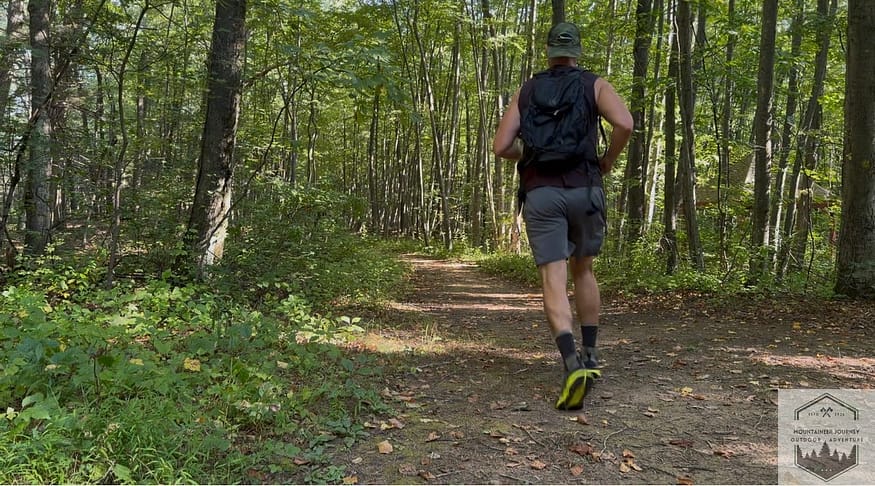
I have personally tested the Hoka Stinson 8 since its release in August 2026, putting over 60 miles on this pair across a range of terrain including long gravel road runs, mellow dirt singletrack, short sections of chunky basalt rock, and paved connector paths between trailheads. Specific tests included side hill traverses on loose gravel slopes, extended downhill repeats on packed dirt roads, and walking recovery days on mixed pavement and dirt surfaces.
Mountaineer Journey is 100% independent. Affiliate links help support our testing costs but never influence scores, recommendations, or opinions. You can find the Stinson 8 on our best trail running shoes list alongside every other shoe we have tested this year.
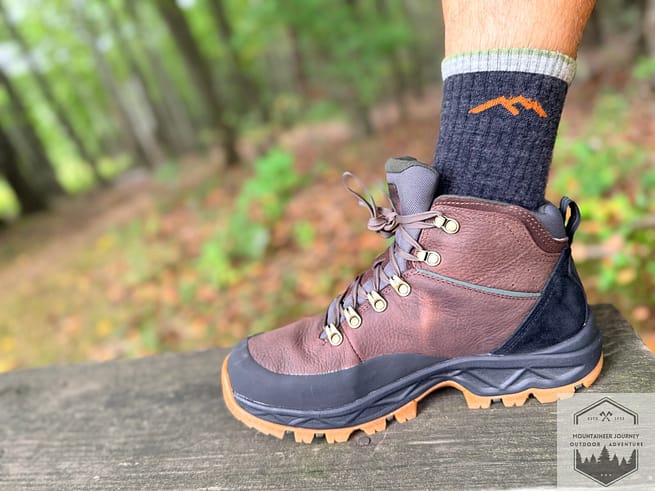

Tyler
Tyler is the founder Mountaineer Journey and a professional Mountain Guide with 15+ years of technical experience in trekking, mountaineering, and trail sports. Having logged thousands of miles from rugged alpine summits to urban paths, Tyler provides rigorous, field-tested insights on hiking, walking, and trail running gear. All reviews are 100% unsponsored and unbiased, ensuring you get honest scoring based on real-world performance. His mission is to help outdoor enthusiasts of all levels find reliable equipment that ensures comfort, safety, and performance on any terrain.