Our Score
Best Walking Shoes Of 2026 | Unsponsored
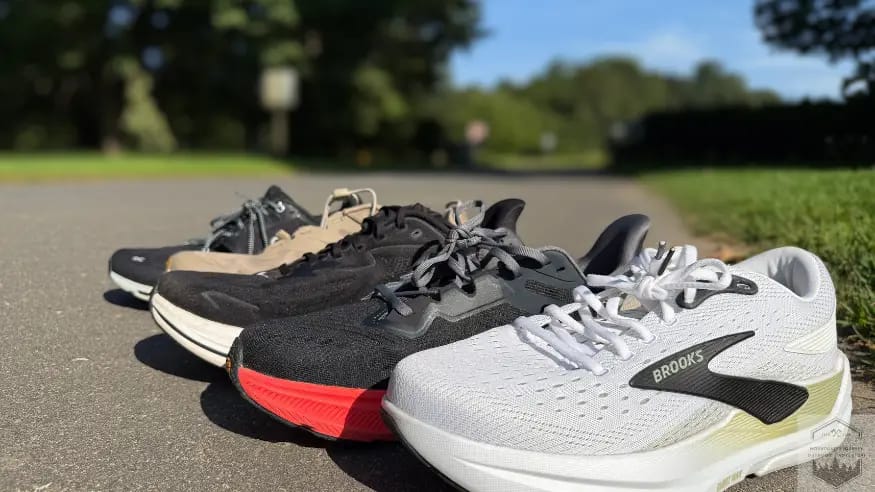
If you are looking for the best walking shoes of 2026, I have you covered.
This list of the best walking shoes is different because I’m not ranking shoes by vibes. I’m ranking them based on repeatable, measurable objective testing.
To build this guide, I tested each pair on 10-plus-mile days, humid summer walks, and long weeks of everyday wear on real sidewalks and streets.
I’ve spent the last 16 years at Mountaineer Journey testing footwear. To build this 2026 guide, I purchased every pair featured here with my own money and no brand deals. This was with one goal in mind: to ensure these results are unbiased.
The goal is simple: show you which walking shoes still feel good at mile one and mile ten, and which ones make sense for your goals.
Editor’s Note: This post was updated on 8/5/26 with the addition of the Brooks Ghost Max 4 as our top walking shoe, as well as the Hoka Clifton 11 cracking the top five.
Our Top 5 Walking Shoes of 2026
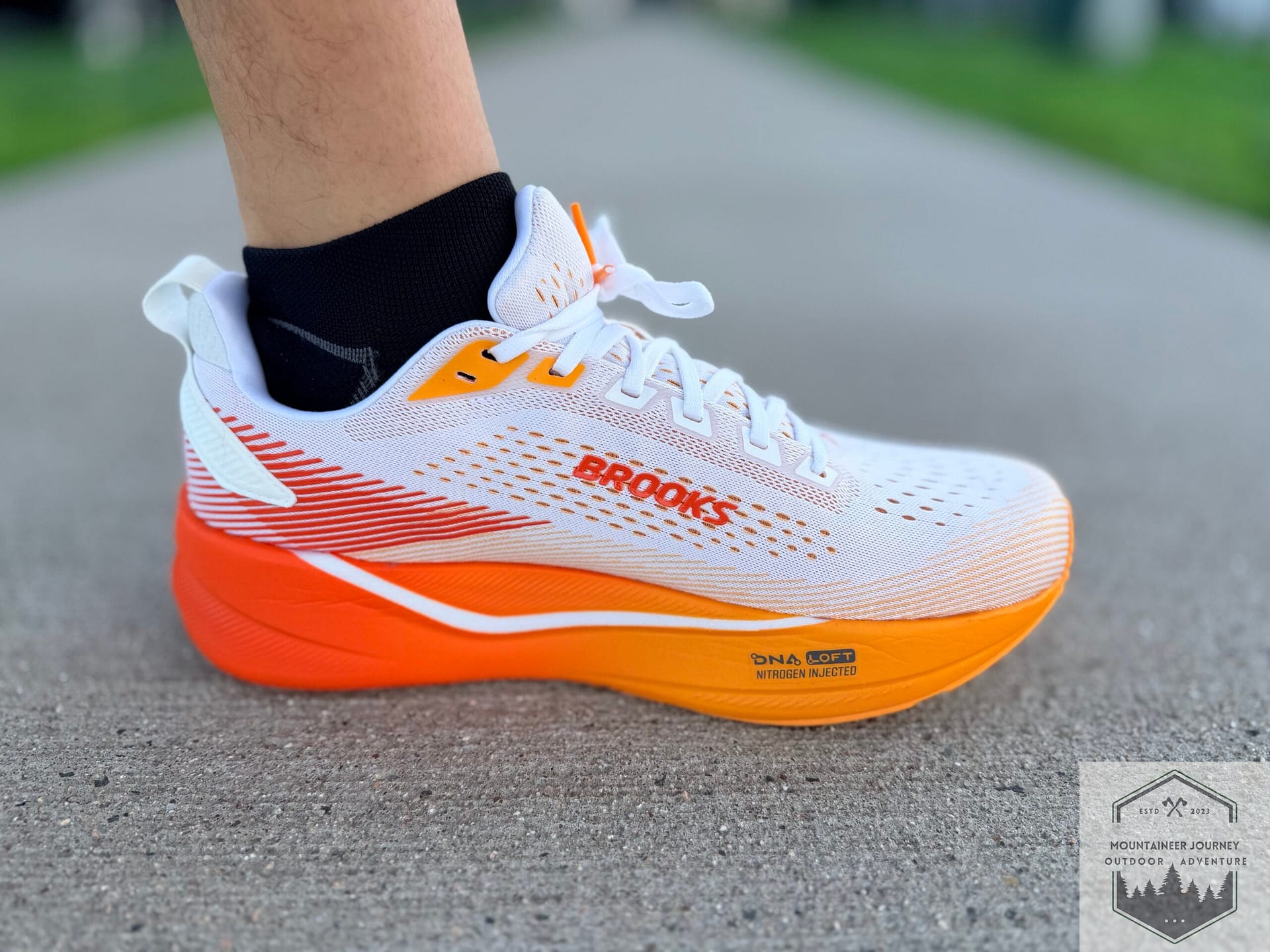
Brooks Ghost Max 4
The Ghost Max 4 is simply the best all-around trail shoe here, combining top-notch comfort with stability, grip, and undeniable performance. Our testing indicates that the shoe far outperforms any of the competition in our objective testing categories.
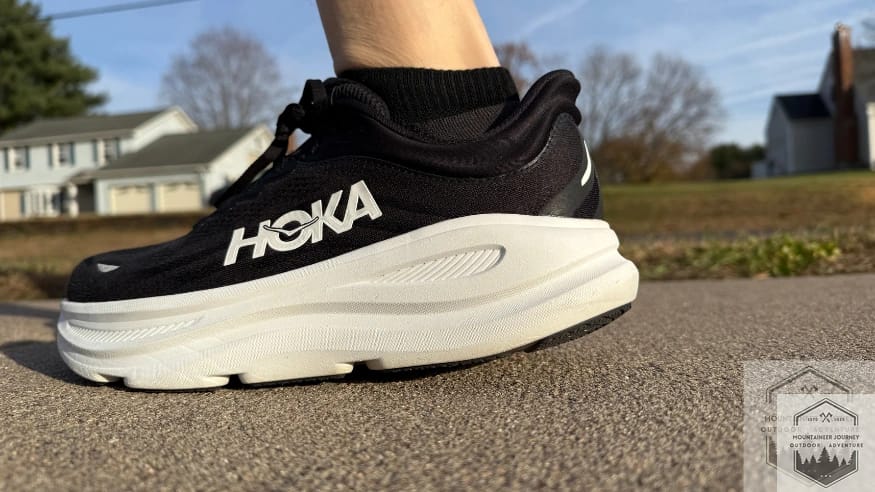
Hoka Bondi 9 (Most Comfortable)
The Hoka Bondi 9 comes in as the most comfortable walking shoe of 2026. The integrated mesh is breathable in summer weather; however, not as robust as the Ghost Max 3. Top comfort pick.
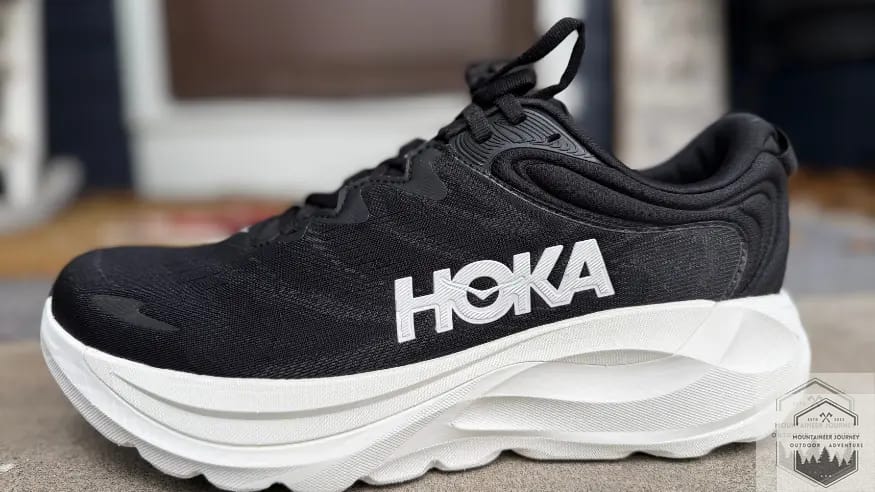
Hoka Gaviota 6 (Best Stability)
Gaviota 6 is an extremely comfortable and stable walking shoe. The H-frame technology provides a secure fit with no internal slippage, offering excellent impact absorption along with controlled stability.d stability.
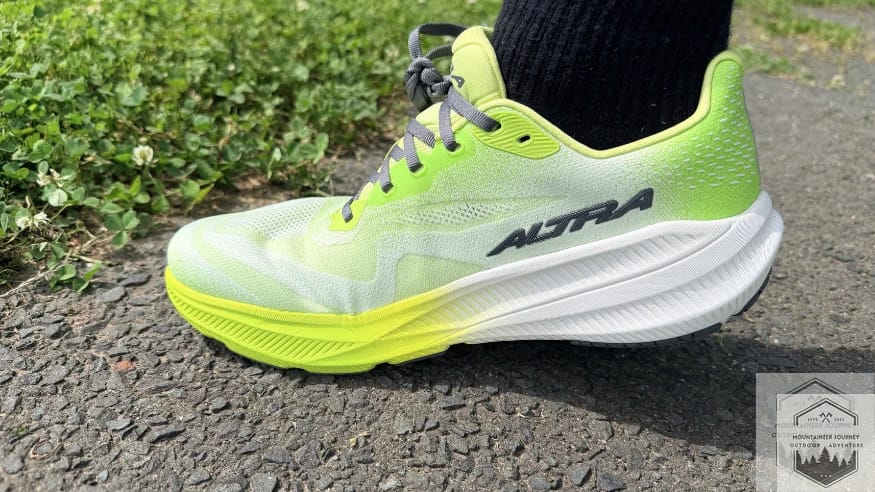
Altra Experience Flow 3 (Best Lightweight)
The Altra Experience Flow 3 weighs only 9 oz per shoe and offers excellent pop and breathable lightweight comfort.
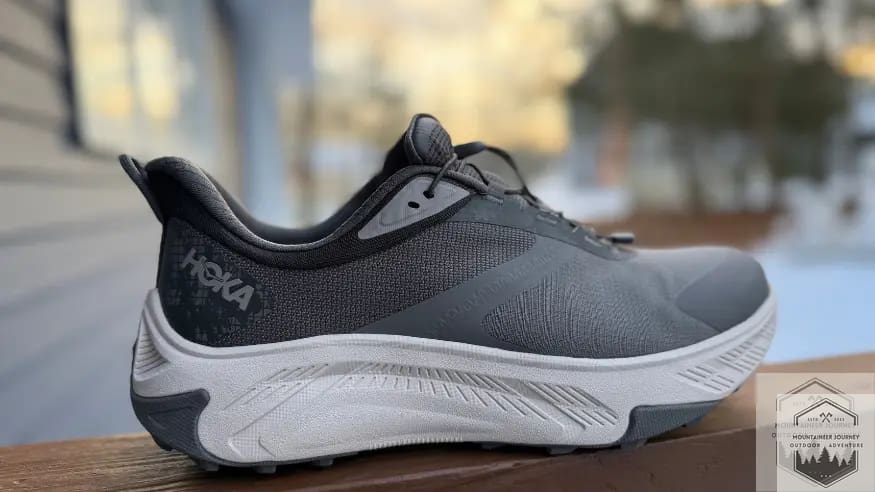
Hoka Transport 2 (Most Verastile)
The new Transport 2 is our most versatile walking shoe for 2026. Featuring enhanced lugs and a Vibram Megagrip outsole, it truly stands out. This shoe is perfect for daily walks and is suitable for light to moderate trails, making it a reliable choice for all your walking needs. all your walking needs.
As an independent reviewer, I purchase all products myself. Some links may be affiliate links that support the site at no cost to you
See Our Hands-On YouTube Video Of The Best-Rated Walking Shoes
The BEST Walking Shoe Of 2026
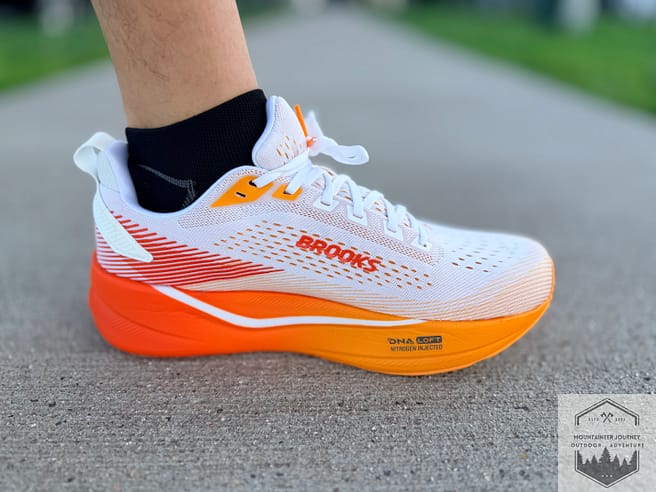
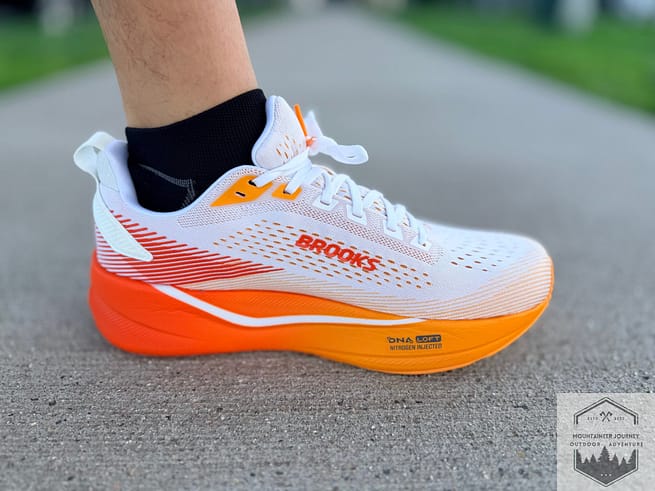
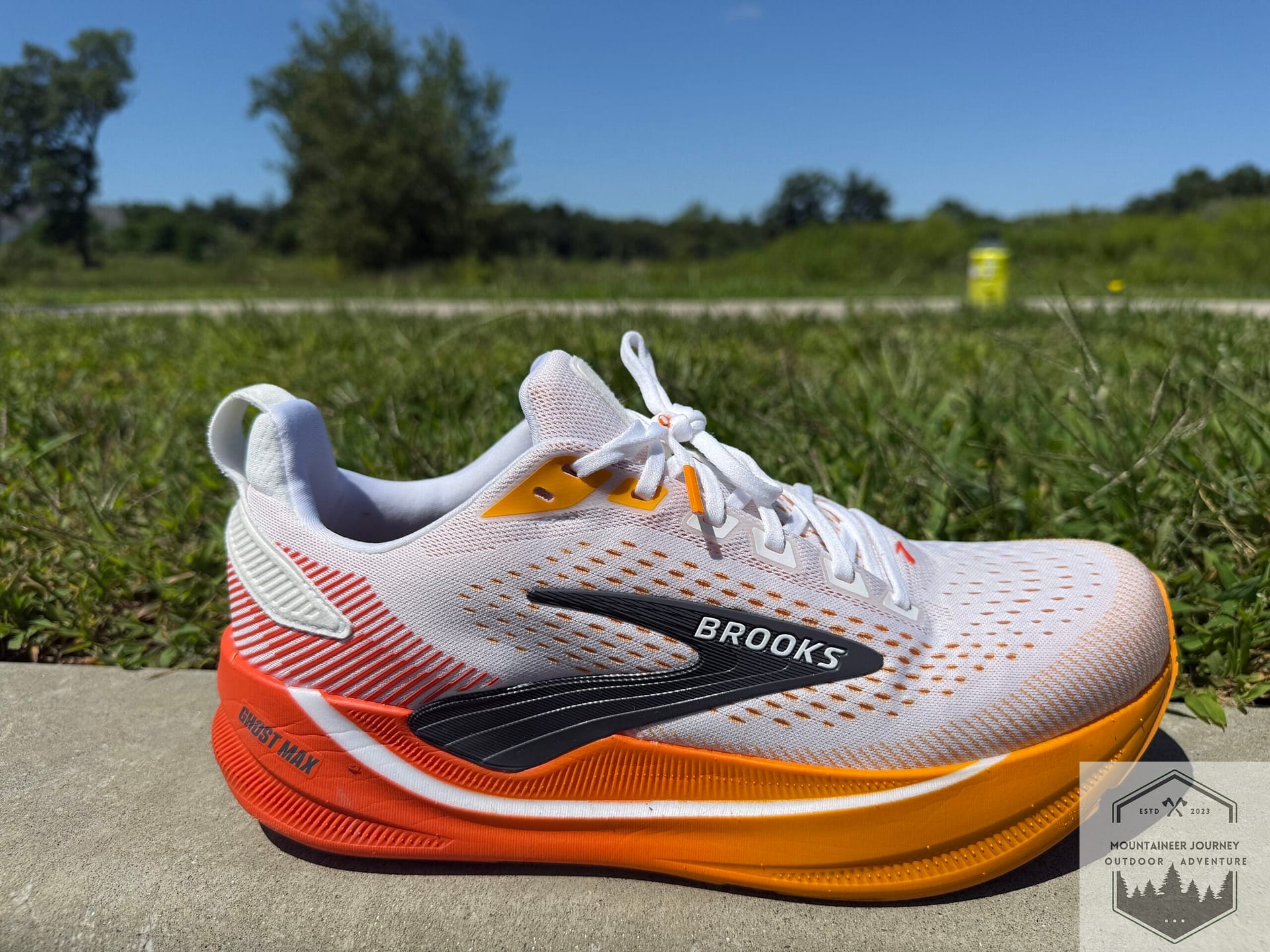
Brooks Ghost Max 4
Brooks Ghost Max 4 Rating: 9.1/10
The Brooks Ghost Max 4 takes the top spot as the best walking shoe of 2026.
The Brooks Ghost Max 4 is the most complete package when it comes to a walking shoe. The DNA Loft V3 midsole strikes a delicate balance of plushness without causing instability.
The first time I slipped these on, I noticed the immediate footbed comfort with a slight sink and feel. It wasn’t too harsh to the point where I felt a topple-over effect or instability issues. This is combated by the “bucket style.” The shoe’s design features an outsole that wraps around the heel instead of having a 40 mm stack height in the heel.
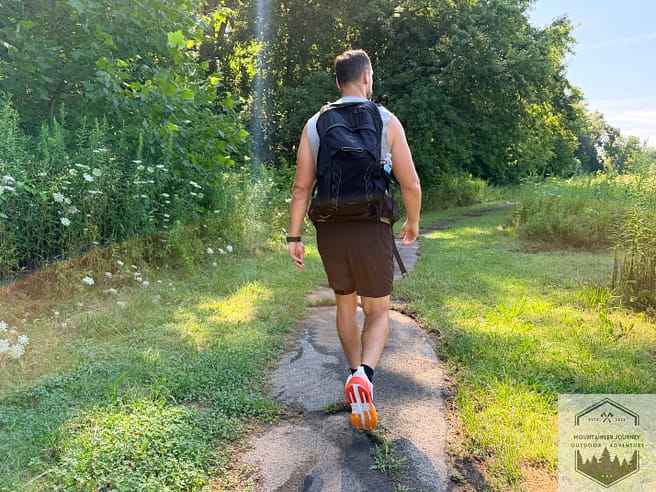
When it comes to impact absorption, the Ghost Max 4 is currently the best option on the market. After testing various walking shoes, I found that the Ghost Max 4 provides superior impact absorption compared to all the others.
During my testing, I noticed that my joints felt much more nimble, allowing me to cover longer and more challenging distances.
Brooks kept the extremely wide platform in the forefoot and heel, which enhances stability. This disperses the torquing forces when you’re on uneven terrain and helps combat any further instability issues.
Furthermore, the design incorporates plastic reinforcements surrounding each lacing eyelet to enhance lockdown stability. The engineered mesh conforms closely to the foot, ensuring a secure fit without creating any compression points.
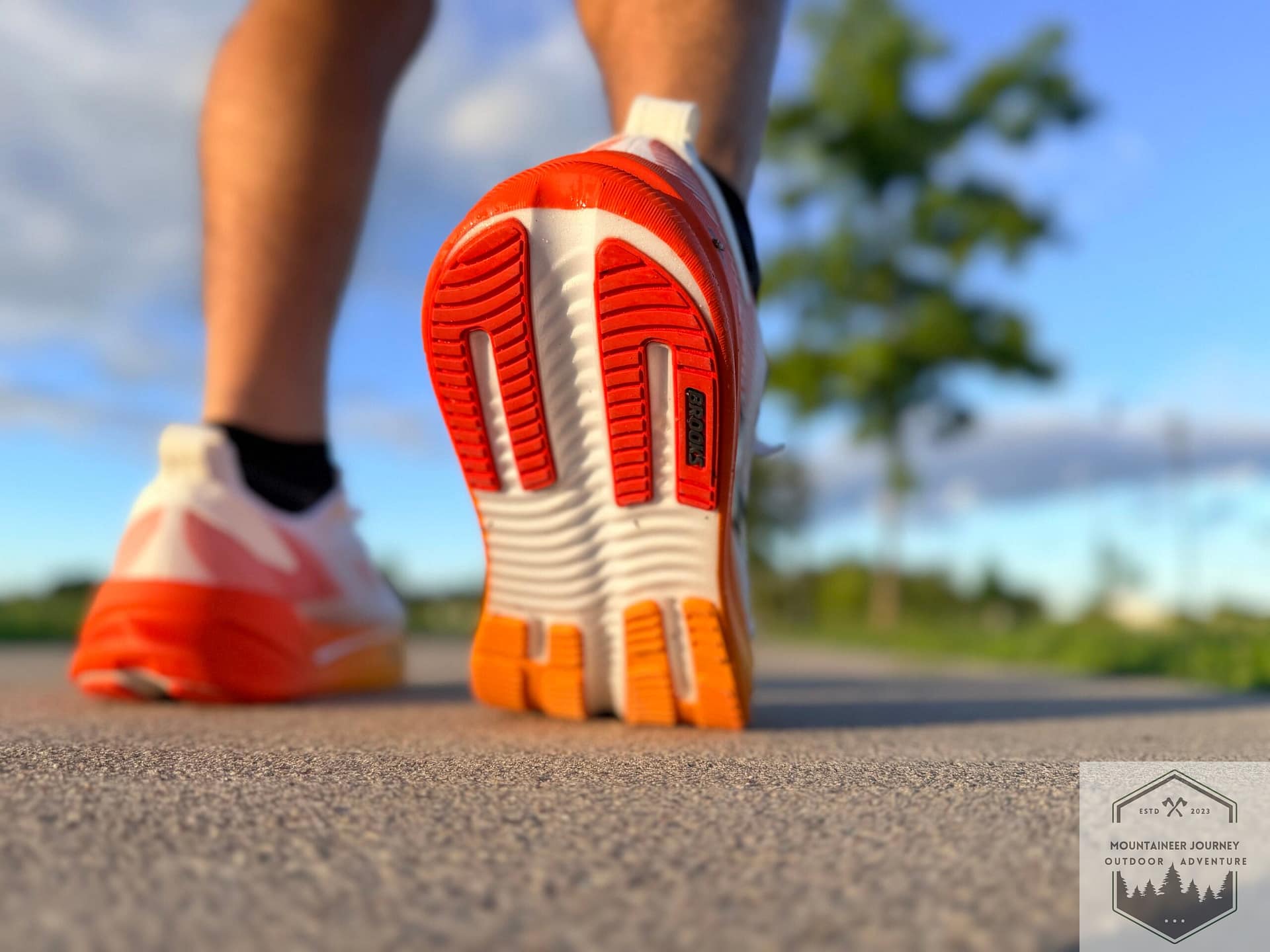
I was a little surprised how Brooks engineered the new outsole. There are a lot fewer traction islands compared to the previous Brooks Ghost Max 3. After testing on asphalt, concrete, wet terrain, and gravel, the results show consistent grip and stable footing across all surfaces.
The Ghost Max 4 is ideal for daily walkers, as well as for those who need a shoe for standing all day at work or as a recovery running shoe. However, I did notice some mild overpronation in my left foot, which was easily addressed with an arch support insert. While the Ghost Max 4 is not categorized as a max-support shoe, this slight concern might be a factor for some users considering this model.
Read More: Brooks Ghost Max 4 Review
Best Walking Shoe For All Day Comfort
Hoka Bondi 9
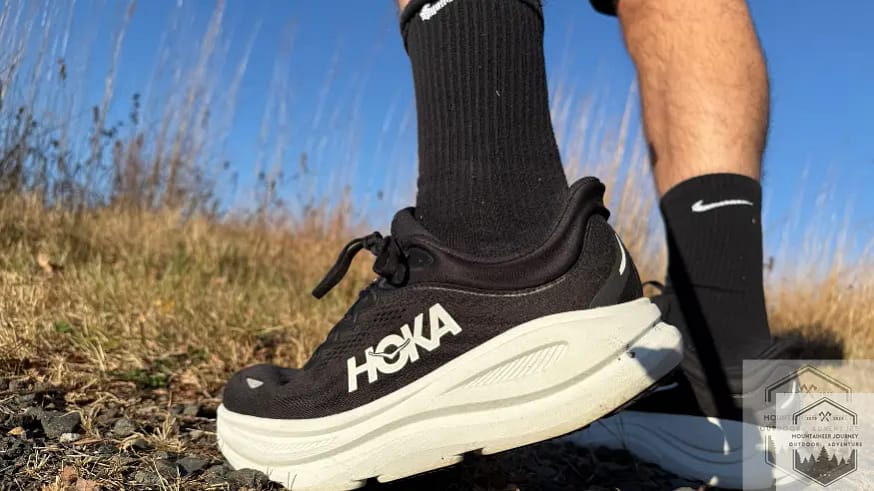
Hoka Bondi 9 Rating: 8.7/10


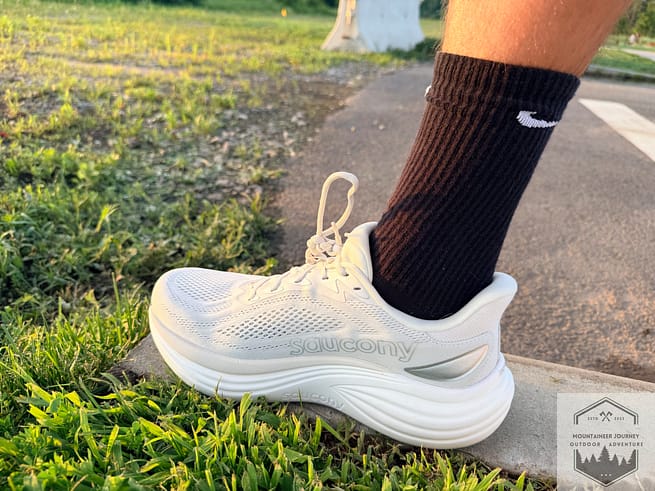
The Hoka Bondi 9 is our most comfortable walking shoe of 2026.
Walking on these feels like floating. The 41mm heel stack absorbs every impact, making it the most comfortable shoe for anyone dealing with joint pain or plantar issues.
During testing on extended summer walks, the impact absorption was exceptional.
However, if you prefer a ‘ground feel’ where you can sense the pavement’s texture, the 41mm stack height here will feel too disconnected and ‘numb’ for your preference.
The supercritical EVA foam remained springy without compressing, unlike cheaper foams that tend to do after heavy use. Hoka really nailed the engineering of this shoe.
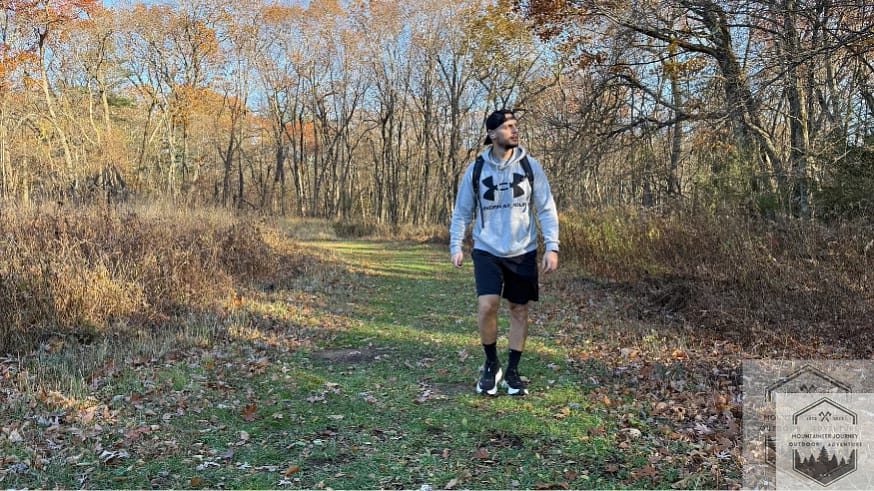
The meta rocker geometry makes forward motion effortless. I noticed I put less effort into each stride on inclines. The curved sole rolls you through each step naturally.
One downside of this shoe is its stability. During testing, it felt somewhat wobbly. Hoka designed the outsole to wrap up and over the foot, providing a supportive heel cup.
However, the 41 mm stack height can still contribute to a feeling of instability at times. If you have concerns about stability, this may not be the right shoe for you.
At 12 oz, the Bondi 9 stays surprisingly lightweight despite all that cushioning.
The durable rubber pods on the outsole grip wet surfaces well. I tested these on damp morning sidewalks and felt confident in my traction.
The breathable upper keeps feet cool, though not as well as the Clifton 10. The toe box offers enough room for toes to spread naturally.
Why second place? The Ghost Max 3 edges it out on stability for mixed terrain.
The Bondi excels on flat ground and paved surfaces. If you want the softest ride possible for long walks on predictable terrain, this is your shoe.
Read More: Hoka Bondi 9 Review
Best Stability Shoe
Hoka Gaviota 6
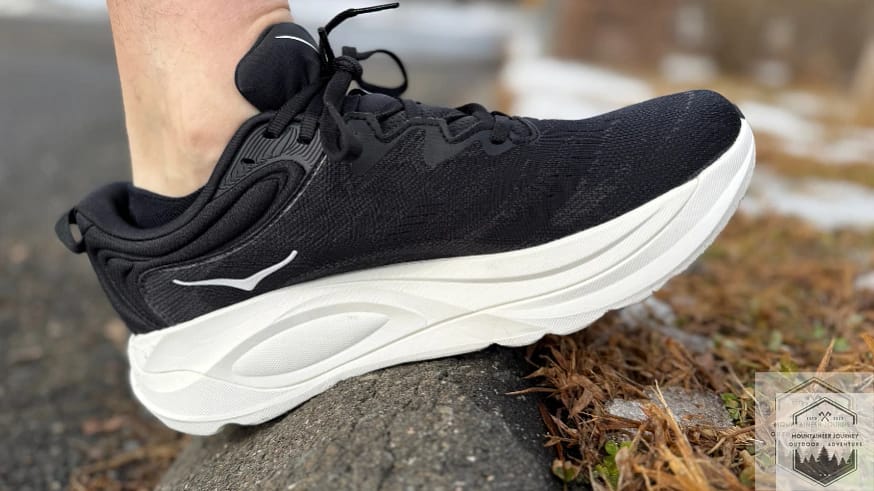
Hoka Gaviota 6 Rating: 8.7/10


The Hoka Gaviota takes the title of our Best Stability-Focused Walking Shoe of 2026.
At first glance, the Gaviota 6 is kind of an oxymoron. It looks like a max-cushioned comfort shoe, but it has a whole lot of cushion with stability technology.
The compression-molded EVA insole is extremely comfortable yet has enough spring to keep you moving forward.
My overpronation was easily corrected with the H-frame technology. At each step, the frame kept me centered without overly correcting my gait.
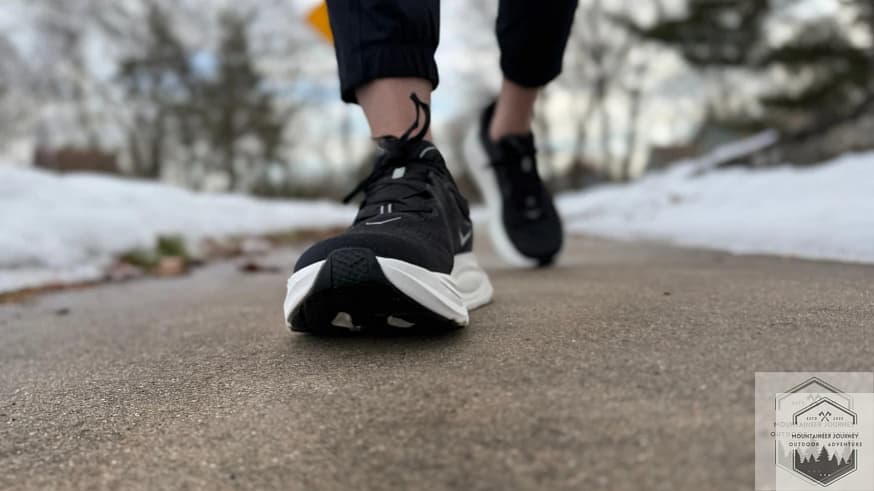
During testing, I found the upper mesh to be comfortable and conforming, but it didn’t compress around the sides or the top of my foot.
Just like the Ghost Max 3, the Gaviota 6 has traction island zones, which are much grippier than most rubber outsoles. I tested them on light trails, gravel, and flat asphalt, and they had excellent grip.
While they weigh 12 oz per shoe, they are somewhat heavier. However, the added comfort and support make it worthwhile.
Read More: Hoka Gaviota 6 Review
Best Walking Shoes For Walking And Standing All Day
Hoka Clifton 11
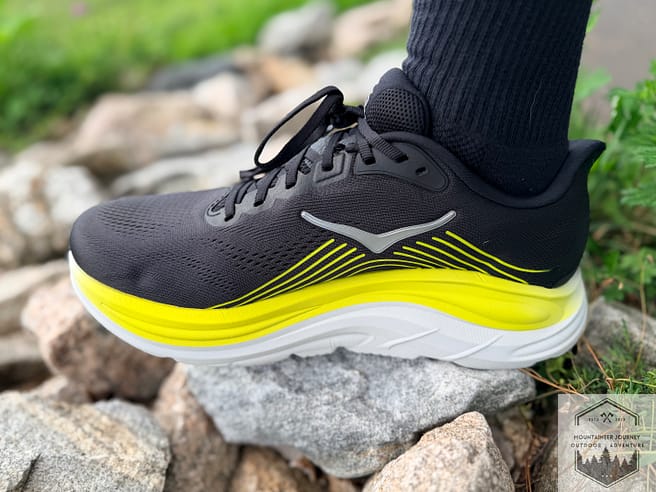
Hoka Clifton 11 rating: 8.6/10
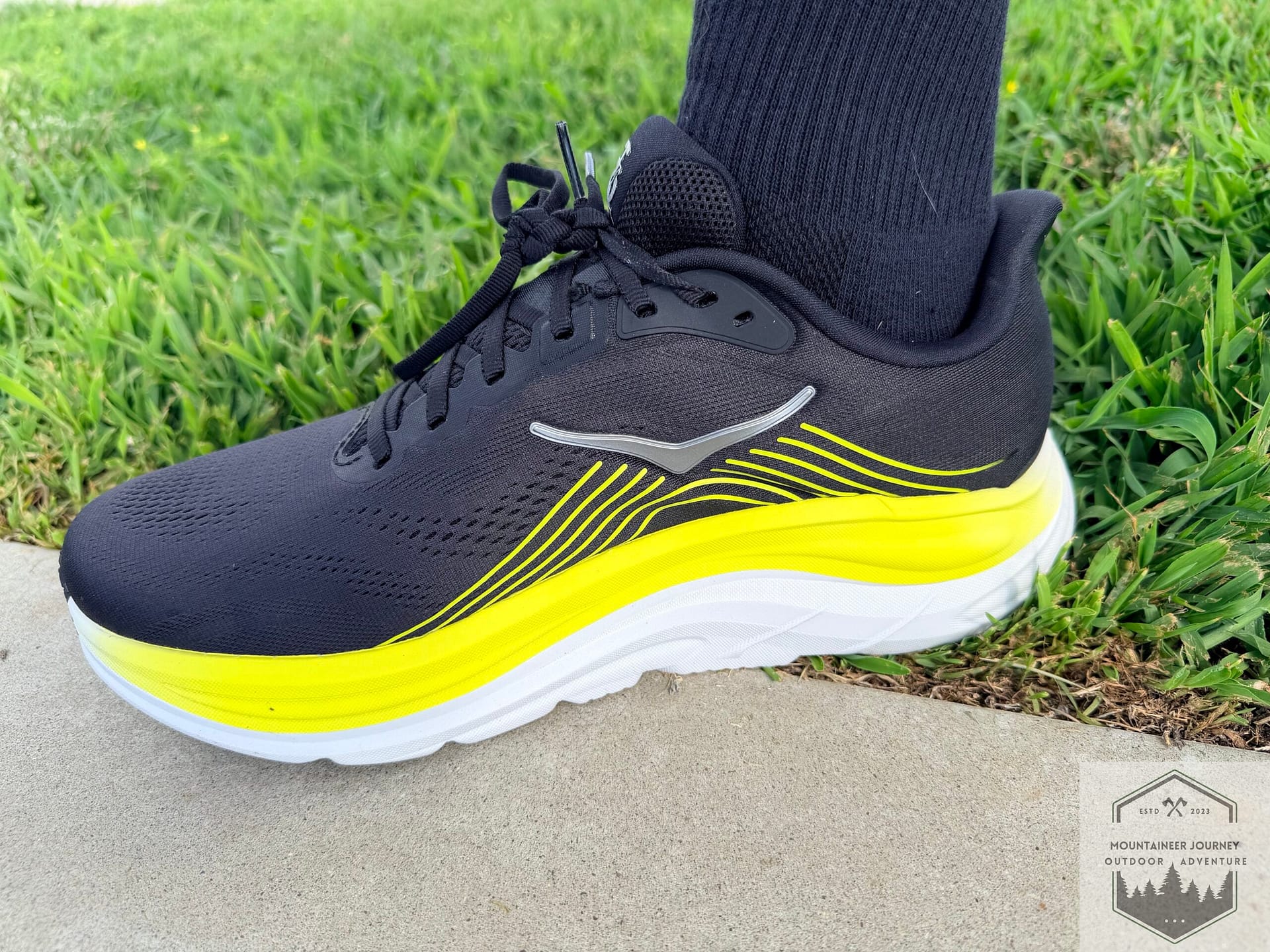
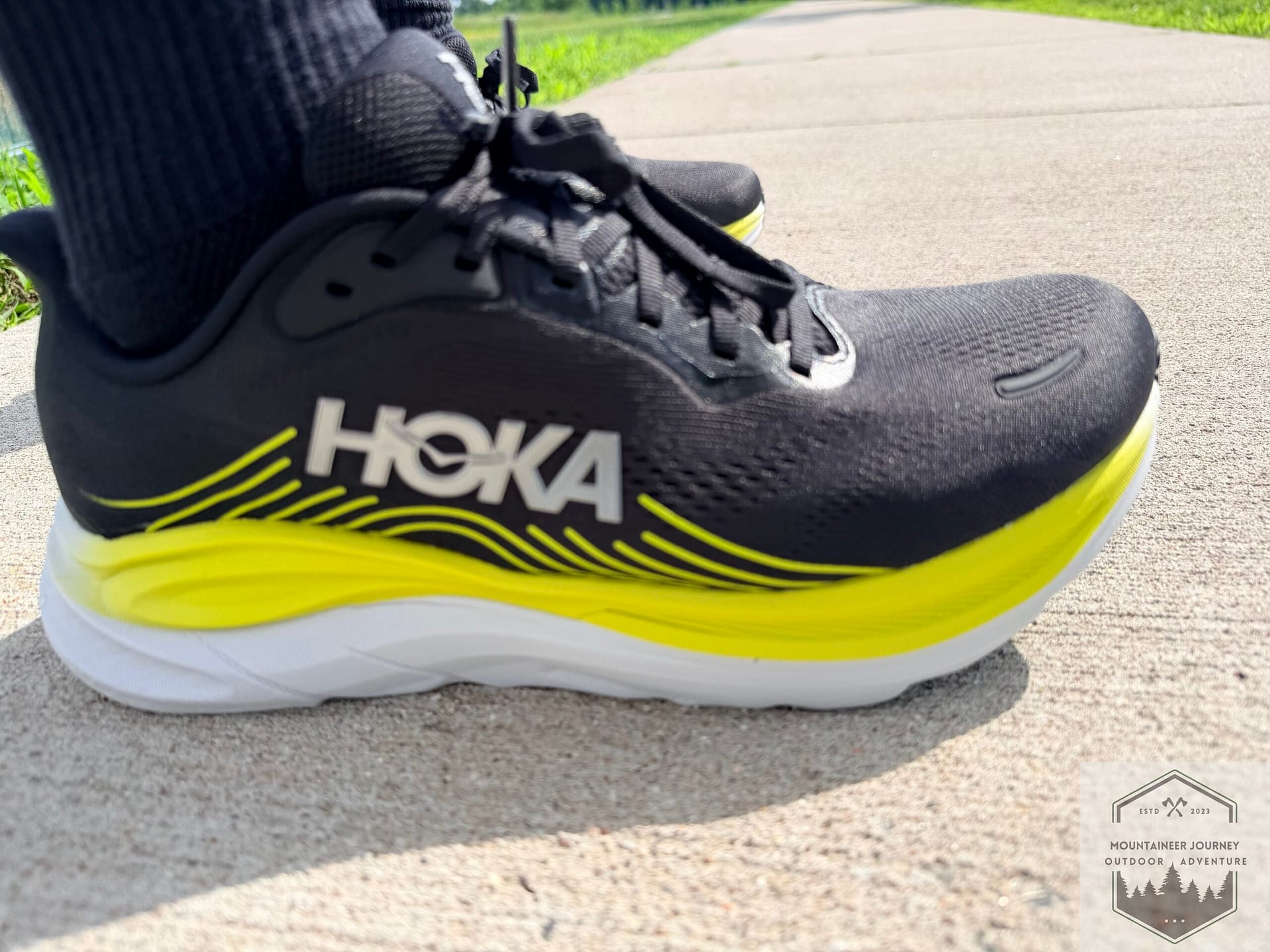
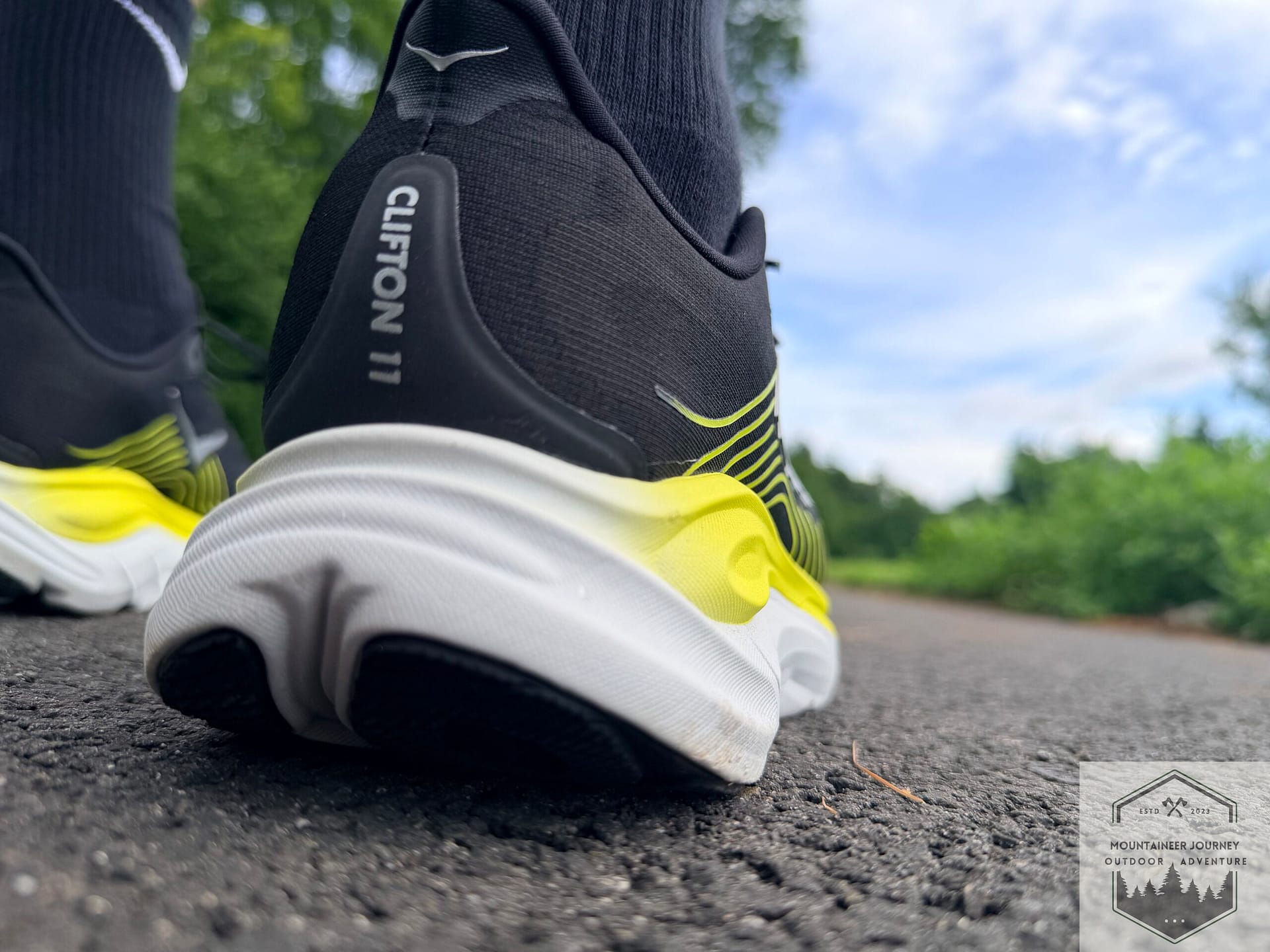
The Hoka Clifton 11 was just released in July of 2026. The new compression-molded EVA insole does an excellent job of balancing good cushioning with a nice firm midsole.
The reason this shoe is ideal for walking and standing all day is that it offers sufficient firmness without being excessively cushy, which can lead to back pain from prolonged standing.
The arch support on the Clifton 11s is quite impressive. I didn’t notice any overpronation issues even with a flat foot on my left side. There’s no excessive bounce or pop to these shoes, which is a good indicator for long-term durability, unlike the Asics Superblast 3.
After working 12-hour shifts at the hospital, my Clifton 11 shoes prevented my feet from feeling fatigued and aching by the end of the day. I was able to take off my Clifton 11s and go for my usual runs instead of feeling worn out from the long day.
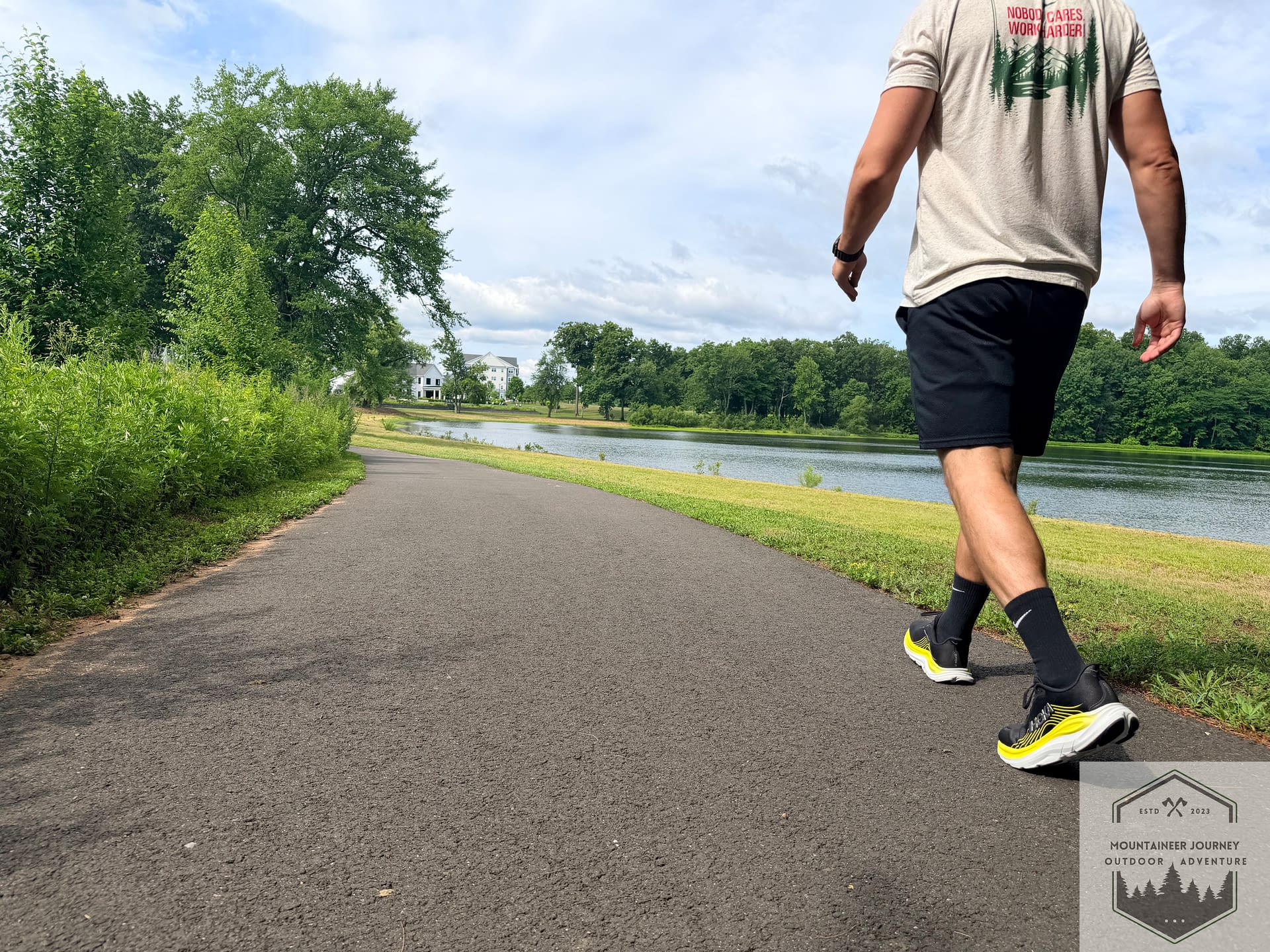
The more aggressive MetaRocker is really the staple of the Clifton 11. It allows an efficient heel-to-toe transition. It’s really saved me from fatiguing out earlier in the day. It also made it feel like the shoes are much lighter on my feet.
I weighed the Clifton at 10.5 per shoe on our calibrated scale. Although these shoes aren’t classified as ultra-lightweight because of the MetaRocker design and their effective heel-to-toe transition, they still feel very similar to ultra-lightweight options like the Saucony Triumph 24.
The Clifton 11 is ideal for seniors at work standing all day, those looking for balance cushioning without going over the top, or just a daily shoe to do it all.
Downsides: the Clifton 11 does not have perfect traction. While testing these out on wet asphalt and concrete, I did have a little bit of slipping. Unfortunately, they shaved off traction islands on this outsole to improve the weight, but at the expense of grip. Check out the Torin 9 or Transport 2 for better traction. Skip the Clifton 11 if you need top-notch grip.
Read More: Hoka Clifton 11 review
Best Lightweight Walking Shoe
Altra Experience Flow 3
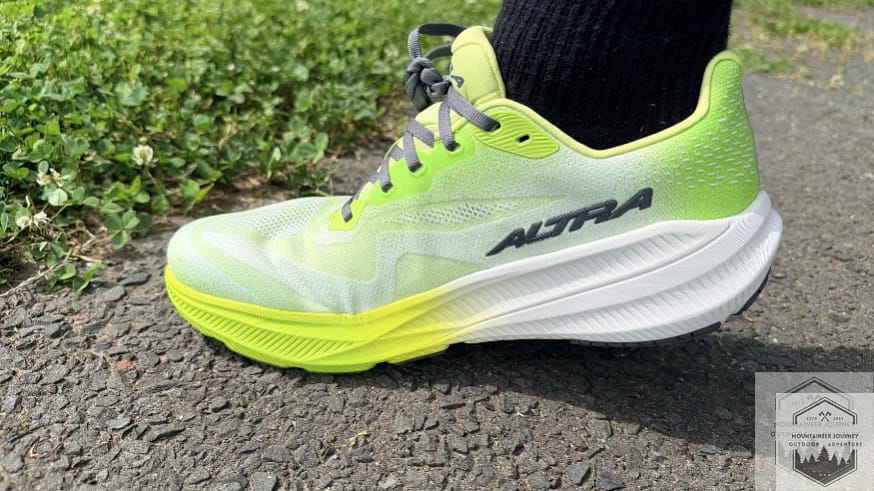
Altra Experience Flow 3 Rating: 8.5


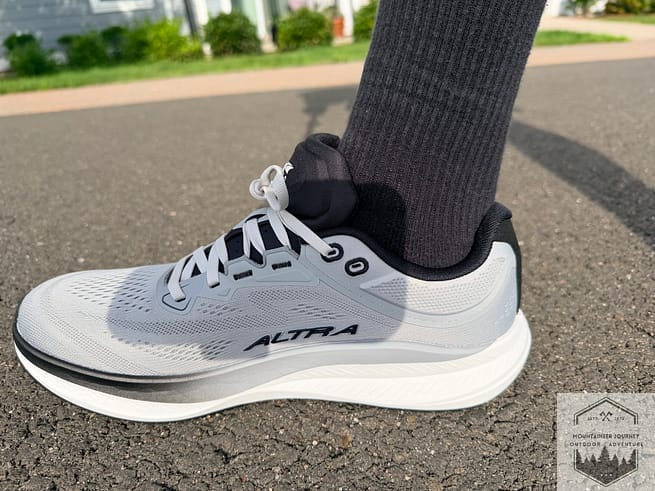
The Altra Experience Flow 3 is one of the widest and lightest walking shoes we have tested to date.
Each shoe weighs 9.6 oz, which is one of the lightest we have tested to date.
When I first tried these on, the footbed felt balanced. It was neither overly plush nor too firm, providing stability.
The foot shape fit is one of the best features of the Experience Flow 3. It allows your toes to splay out and gives them nice, wide room, especially while forefoot striking.
The bounce and pop are other great features of the Experience Flow 3, while the pop does not cause any wobbliness because the stack height is minimal (we measured 32mm in the heel and 28mm in the forefoot).
One limitation of the Experience Flow shoe is its lack of traction. While the traction islands on the shoe are well-designed, the extreme flexibility limits its grip. During testing on uneven surfaces, such as gravel, the shoe tends to bend and conform to the surface, which can result in slipping.
Overall, if you’re looking for a lightweight shoe with a good pop, the Experience Flow 3 is the way to go.
Read More: Altra Experience Flow 3 Review
Best Versatile Walking Shoe
Hoka Transport 2
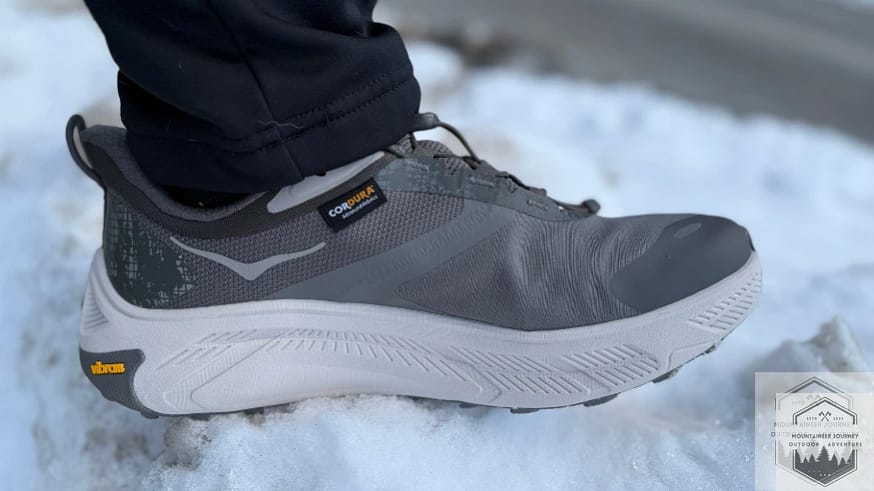
Hoka Transport Rating: 8.6/10
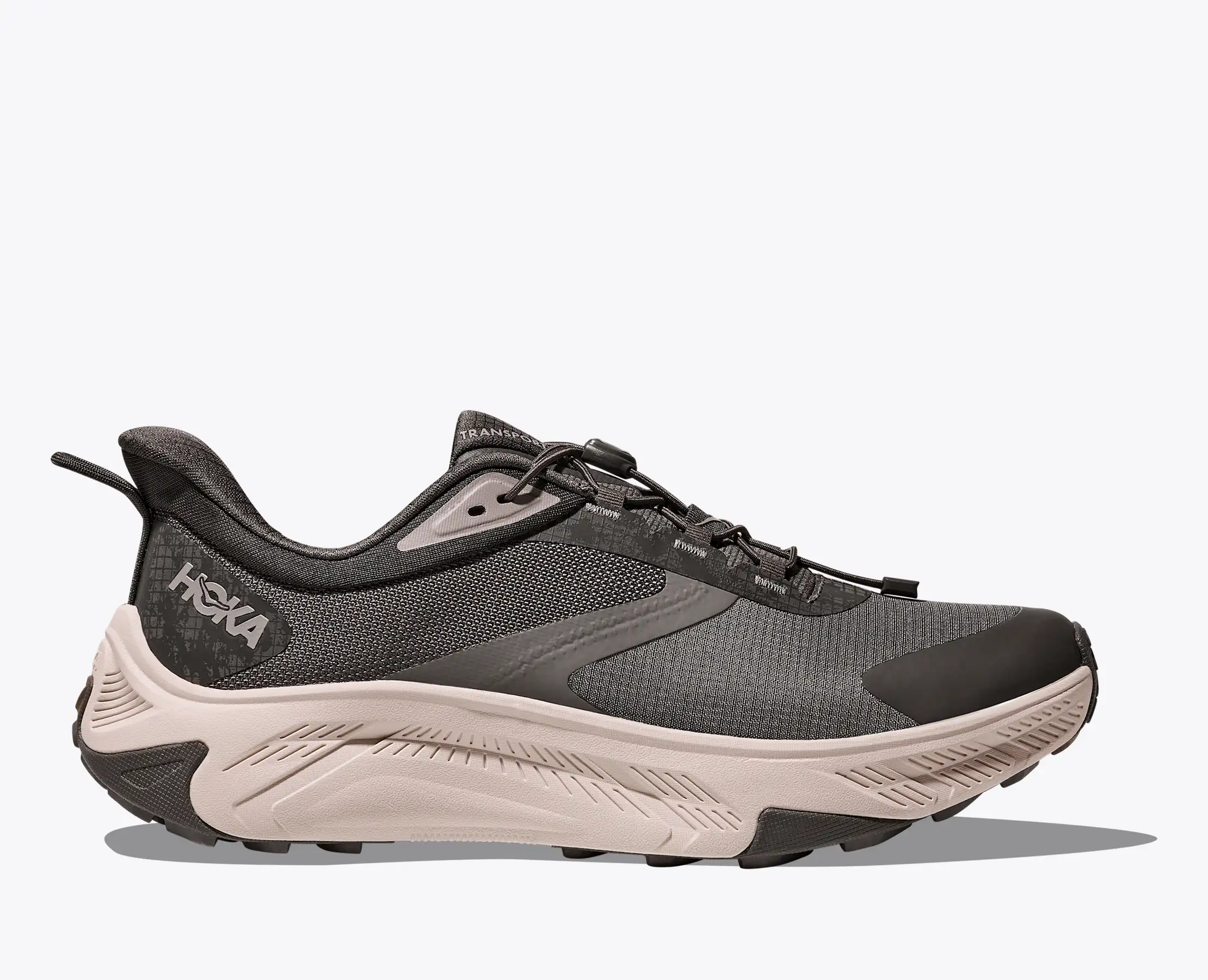
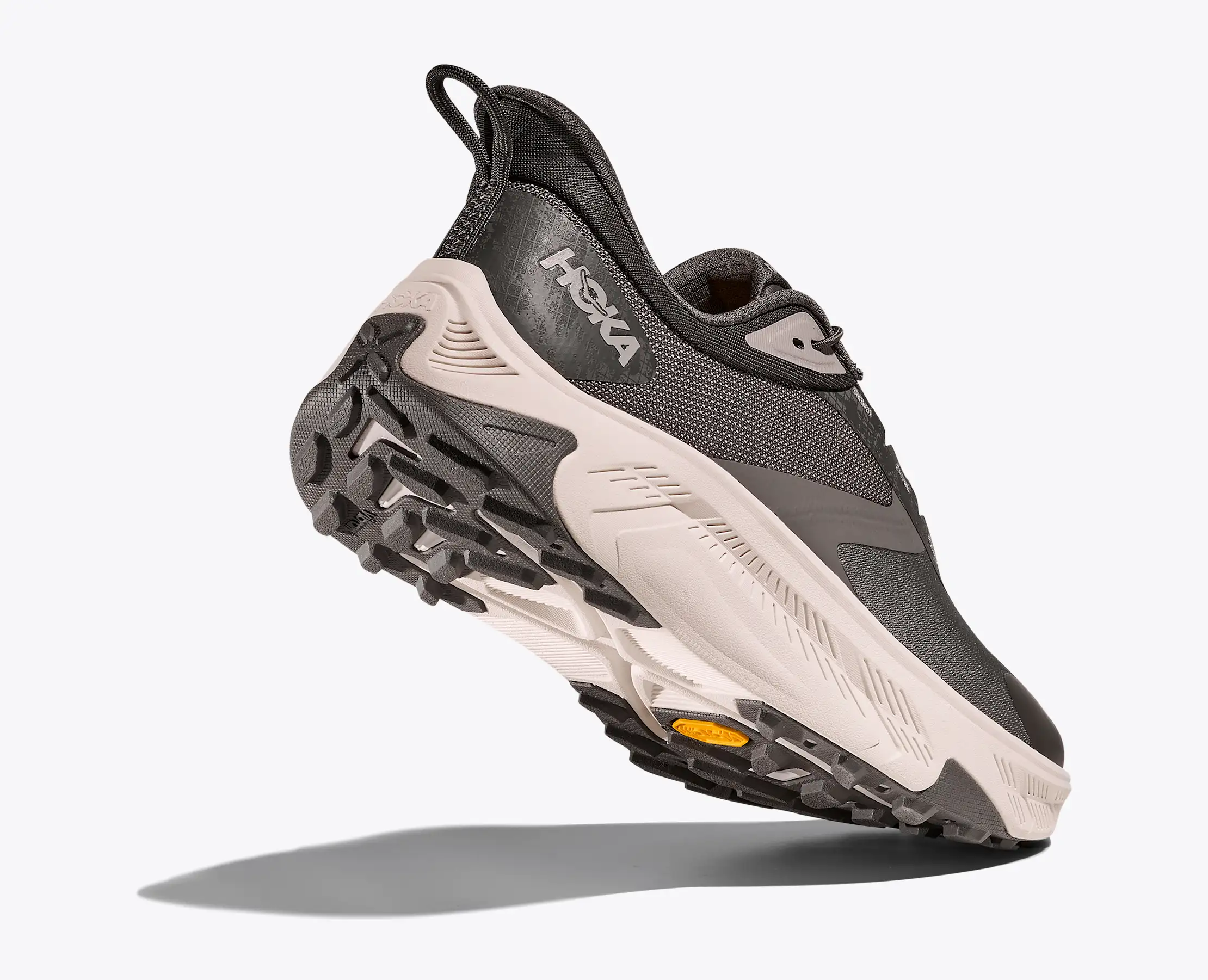
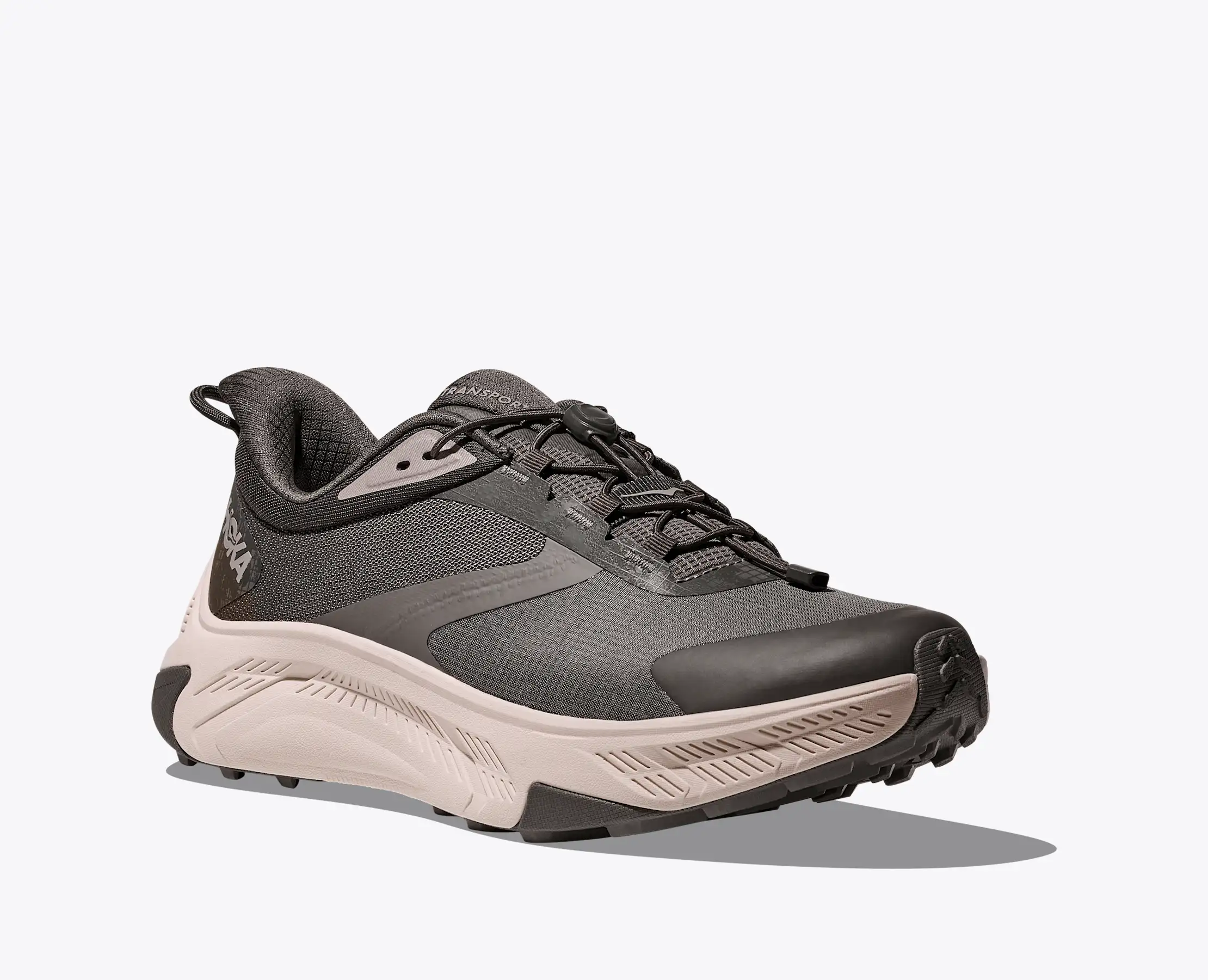
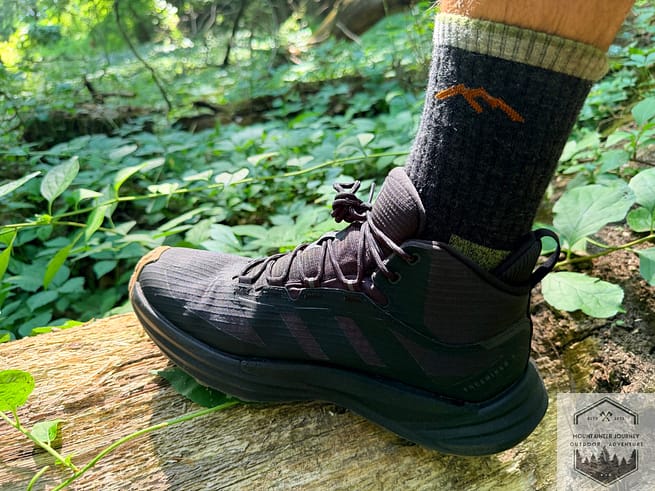
The Hoka Transport 2 is the most versatile walking shoe of 2026. This shoe is perfect for frequent travelers, those walking on uneven paths, or anyone looking for a hybrid between a walking and hiking shoe.
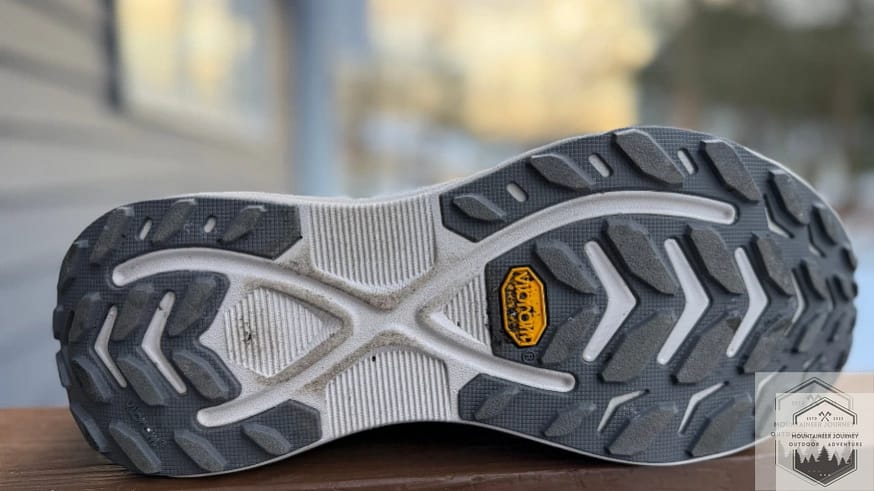
What sets the Transport 2 apart from other walking shoes is its Vibram Megagrip outsole with lugs.
You can use these for regular neighborhood walks on asphalt or on light trails, and they perform equally well.
I tested the Transport 2 on asphalt, concrete, light walking trails, gravel, and some limestone and sandstone.
The traction lugs held up extremely well. For those looking for extreme grip, the Transport 2 is an excellent option.
The EVA midsole provides moderate cushioning. Not as plush as the Bondi, but good enough for long extended walks.
The Cordura upper is moderately comfortable yet highly durable. While testing the Transport 2 in a men’s size 10.5E, I found that the Cordura upper was somewhat loose. I had to tighten my laces significantly to get the upper to conform to my foot properly.
Weighing in at 11.9 oz, the Transport 2 is relatively heavy, similar to the Gaviota 6.
However, you are getting a highly durable pair of shoes that offers excellent grip, making it the ultimate commuter shoe.
Read More: Hoka Transport 2
Other Walking Shoes We Tested
These shoes performed well but did not crack our top 5. Here is why:
7. Brooks Adrenaline GTS 25
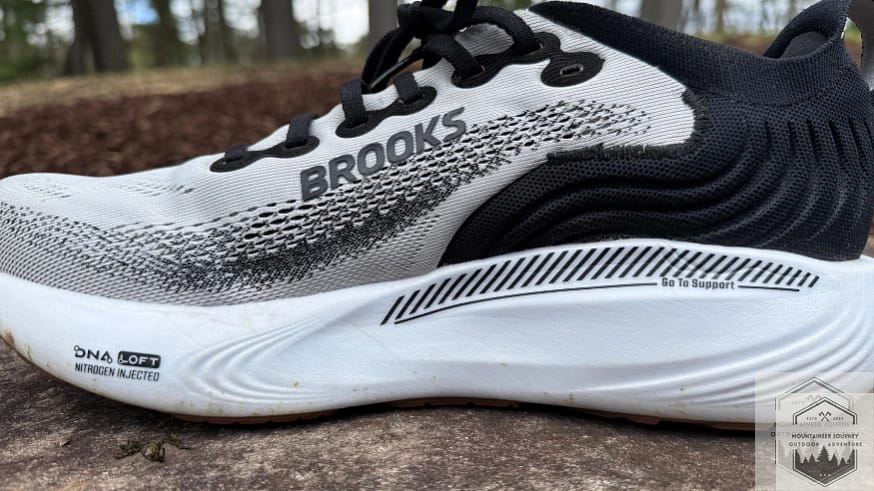
The Adrenaline GTS 25 is one of our top models for stability. The Go-to Support System helped with my overpronation.
This stability model is not as cushy as the Brooks Glycerin 23 GTS, but it definitely offers much more support due to the reduced stack height.
It really kept my foot locked in during the entire testing period. It is not as plush as the Glycerin model, but it does feature comfort similar to the Transport 2.
Read More: Brooks Adernaline GTS 25 Review
8. Brooks Glycerin 23
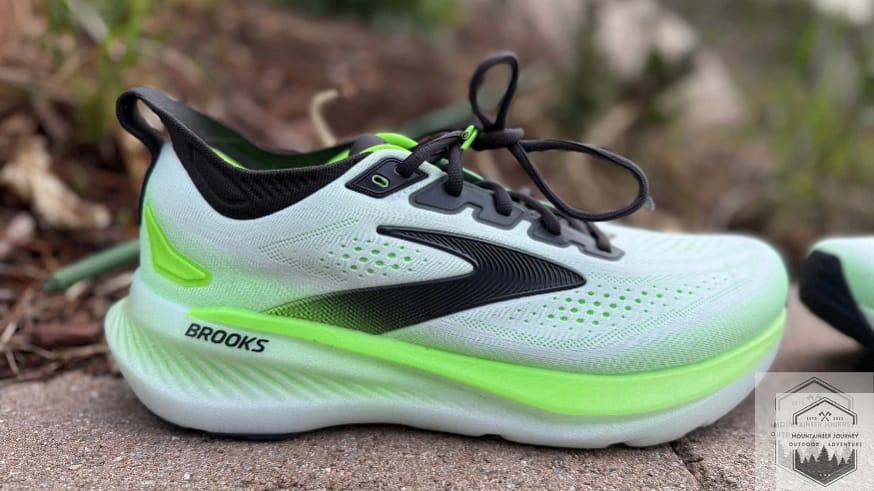
The Rubrics Gristlin 23 is a great option for those looking for a comfortable walking shoe.
Though it does have traction limitations due to the excess weight cut off at the outsole. Check out the Glossarin 23 for maximum comfort on even surfaces.
Read More: Brooks Glycerin 23 Review
9. Brooks Glycerin Max 2
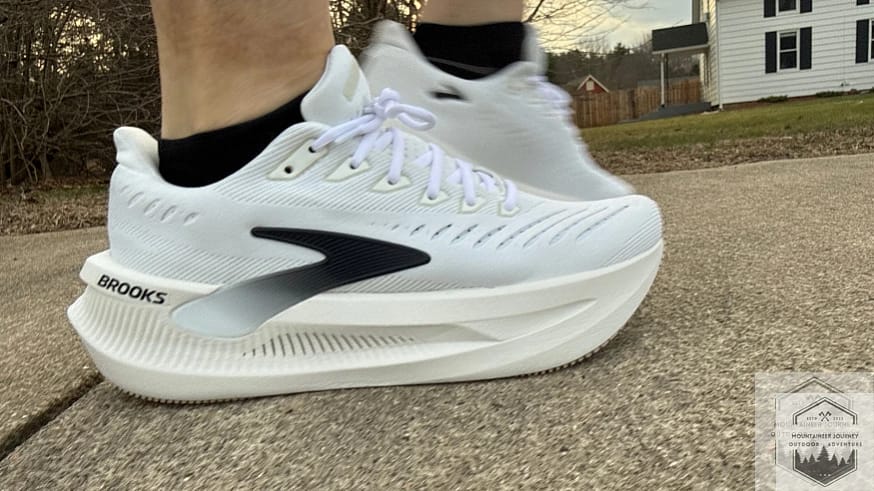
The Glycerin Max 2 is the second-most comfortable walking shoe, next to the Ghost Max 3.
However, it does have instability issues because the stack height is massive, causing the toe-lower effect. It features an aggressive rocker with one of the best toe-off phases we have tested to date.
Read More: Brooks Glycerin Max 2
10. On Cloud 6
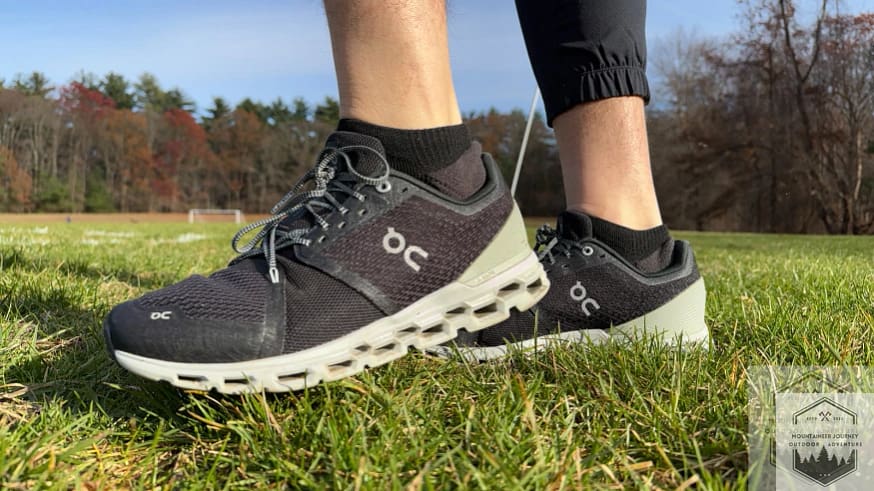
The On Cloud 6 looks great and feels zippy on sidewalks. CloudTec pods provide bouncy energy return. The shoe feels light at 8.5oz. The waterproof version handles light rain.
Why it missed the cut: Comfort is a major issue with this model. The insole is rigid and unforgiving. Traction testing was below average.
The pods also wear faster on rough surfaces than the rubber outsole on Hokas or Brooks. Stylish for running errands, but less durable and supportive for serious walking mileage.
Read Our Review: On Cloud 6 Full Review
How We Test Walking Shoes
Comfort and Cushioning
When I score comfort, I’m not judging soft vs firm in the store. I’m judging how it feels once the miles stack up.
My simplest test is mile 1 versus mile 10. If my knees, hips, or lower back start to feel beat up, the cushioning is bottoming out, and the foam is packing down.
Impact absorption is crucial for walking shoes. While some shoes with maximum stack heights can effectively absorb all the impact they encounter, others with the same stack height may not perform as well. Instead of focusing on specifications, we prioritize testing the shoes for performance.
Midsole compression matters. Cheap foam collapses quickly, while better foam stays consistent and keeps that protective, springy feel for weeks instead of turning dead and mushy.
Comfort also comes from the shoe’s sock liner. Many shoes have an extremely scratchy upper without a plush sock liner.
Support and Stability
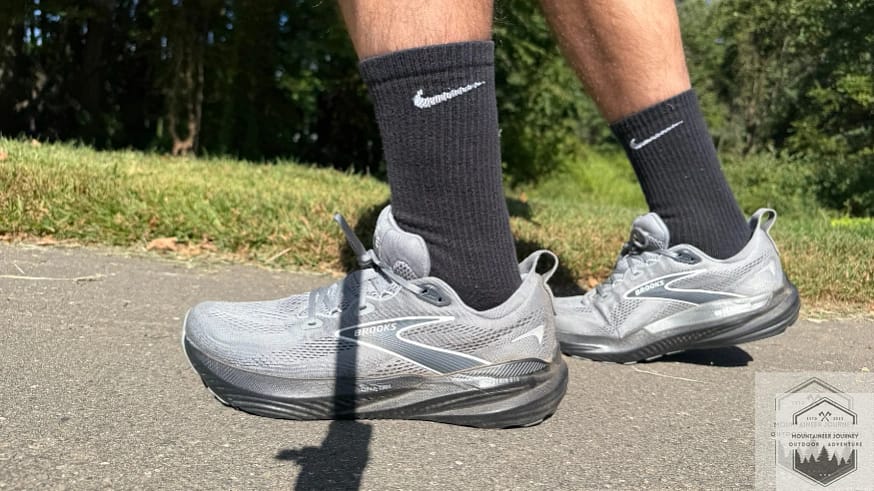
Support is really stability. I want the shoe to keep me aligned when the ground gets uneven, and my form starts slipping.
I test this on broken sidewalks and off-camber sections. If the platform feels narrow or the upper lets my foot drift, I feel it right away because I have to slow down and babysit every step.
A supportive shoe feels planted so I can walk normally and trust it. I also test for over-supination and over-pronation. Many shoes can keep you locked in, like the Brooks Go-To Support System or the Hoka H-frame.
A supportive upper can also pay huge dividends without any plastic posts or shanks. A nice conformative upper will keep your foot locked in place during any internal movement. Sometimes you may not even need internal plastic posts for stability.
Arch support has to hold up under miles, not just standing still. I also test with a day pack and without, because some shoes feel stable unweighted but get sloppy the second you add a load.
Traction
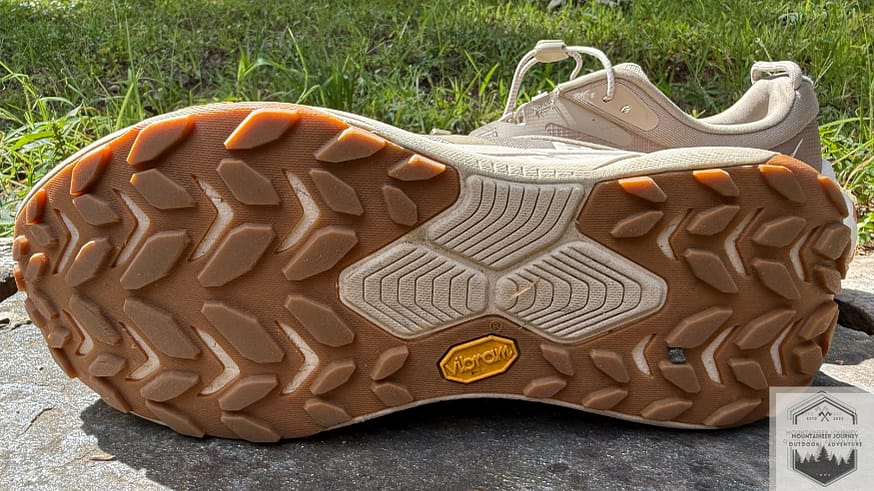
Traction is one of those categories where you do not notice it until it fails. I test it in real conditions, not just on clean, dry pavement.
Wet sidewalks, painted crosswalk lines, and damp leaves will wear out a walking shoe quickly. If I feel slight micro-slips while braking downhill or changing direction, I lose points.
For instance, consider the Brooks Glycerin 23. The designers removed part of the outsole rather than incorporating traction islands like those on the Ghost 18.
While this change reduces the shoe’s weight, it negatively affects performance because the outsole consists only of indentations rather than actual traction islands.
When traction is good, it feels boring in the best way. I’m not thinking about footing. I’m just walking.
Durability
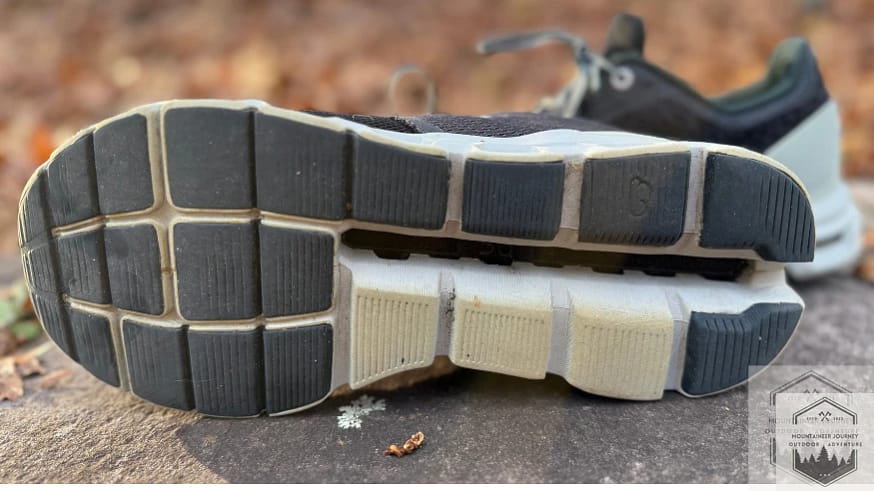
Durability shows up first in the outsole and high-wear zones, so I track it as a routine rather than guessing.
After every 20 miles, I check the outsole and the heel wear pattern. The heel should not grind down unevenly, as that usually indicates either a stability problem or rubber that’s too soft for daily use. I also look at the flex grooves.
They should stay intact and clean. If they start cracking, tearing, or separating early, that’s a red flag for long-term ownership.
Over time, I’m watching to see whether the shoe still feels the same underfoot or if the midsole starts to feel flat and lose impact absorption.
Durability is a significant factor in determining value. Is the shoe worth the price based on how many miles it lasts?
Fit
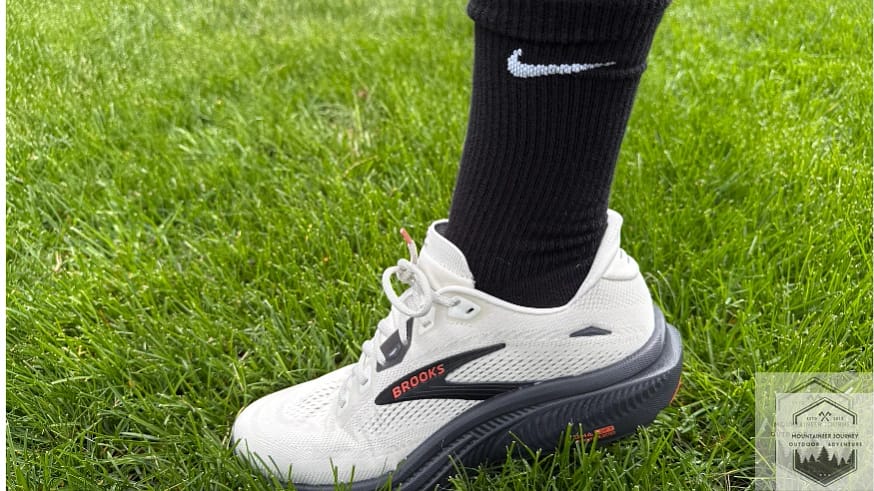
Fit matters more than specs because specs do not stop blisters. A good walking shoe should feel right from day one with almost no break in.
If I get hot spots or blisters on my test walks, it fails.
I watch for heel lift, since that turns into friction fast, and I make sure the toe box still feels good once my feet warm up and swell. When the fit is right, the shoe disappears and I just move.
Our Testing Breakdown For Rating Walking Shoes
- Comfort (30%)
- Stability & Support (20%)
- Traction (15%)
- Weight (15%)
- Fit (15%)
- Value (5%)
How We Tested And Our Methodology
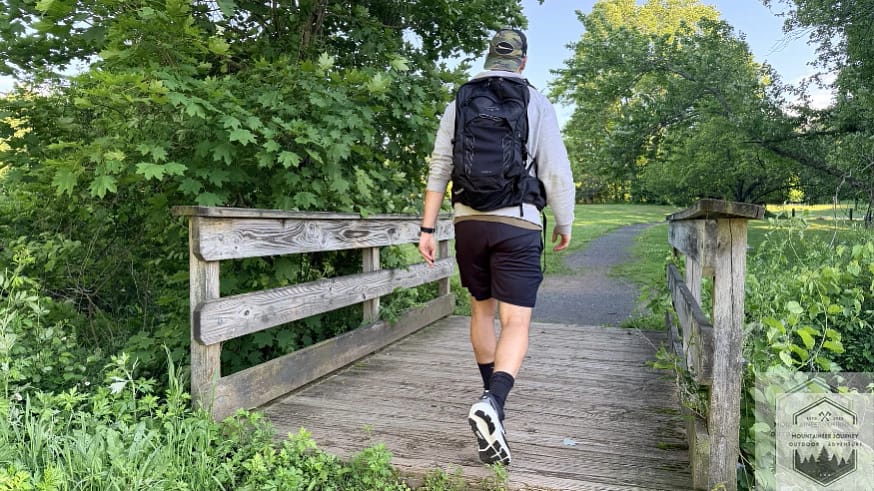
MountaineerJourney.com has been testing outdoor footwear for over 16 years. I buy every shoe with my own money, and I do not take payments, free gear, or brand deals that influence what I say. If a shoe is great, I’ll tell you.
My scores are built on a repeatable testing system I’ve refined across hundreds of reviews. I do not rate shoes based on a quick try-on or a short jog around the block.
Every claim comes from real mileage on actual trails and streets, across varying weather, surfaces, and distances, using the same types of routes and checks to keep comparisons fair.
These ratings come from real-world testing, not lab theory.
If I recommend a shoe, it’s because I have put serious miles on my personal pair and I know exactly how it holds up when fatigue sets in, when the ground gets slick, and when the cushioning either stays consistent or packs down over time.
Adventure Awaits,
Tyler
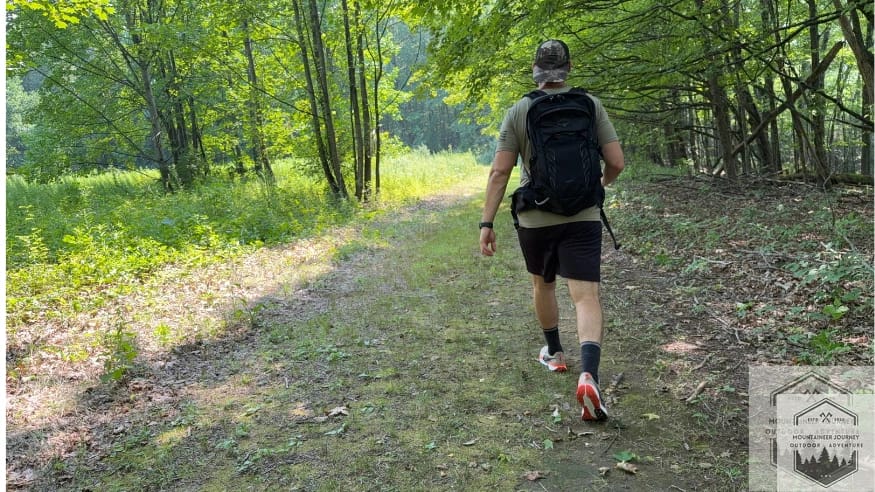

Tyler
Tyler is the founder Mountaineer Journey and a professional Mountain Guide with 15+ years of technical experience in trekking, mountaineering, and trail sports. Having logged thousands of miles from rugged alpine summits to urban paths, Tyler provides rigorous, field-tested insights on hiking, walking, and trail running gear. All reviews are 100% unsponsored and unbiased, ensuring you get honest scoring based on real-world performance. His mission is to help outdoor enthusiasts of all levels find reliable equipment that ensures comfort, safety, and performance on any terrain.