Best Trail Running Shoes for Hiking in 2026 (Unsponsored)
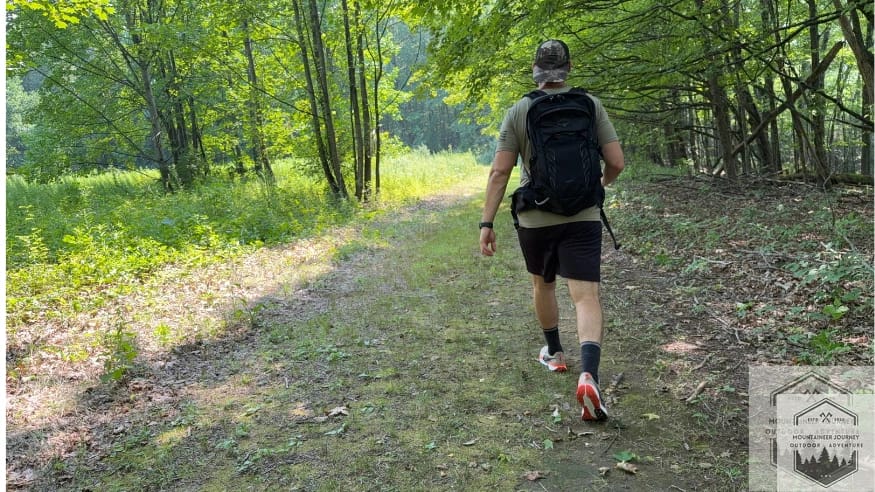
If you’re looking for the best trail running shoes for hiking in 2026, you’ve come to the right place. After testing dozens of trail runners on everything from muddy forest singletrack to rocky alpine terrain, we’ve identified the five trail shoes that excel specifically for hiking and backpacking, not just running.
This is an unsponsored review; we bought all these shoes with our own money and tested them extensively on real trails carrying actual hiking loads. These aren’t lab-only ratings or marketing claims; they’re based on how they perform on the trail.
Related: Best Trail Running Shoes for Men in 2026 (Unsponsored)
Editor’s Note: This review was updated on 6/5/26, with the Hoka Speedgoat 7 coming in at number 2, along with new testing insights and added media for all shoes. We also added the Peregrine 16 to the list.
Our Top 5 Trail Running Shoes for Hiking

Hoka Speedgoat 7 (Most Comfortable)
Top-of-the-line comfort with great performance.


Our top rated trail runner of 2025. Great durability on trail, tough enough to tackle technical terrain with ease. Tested over 100's of miles.
See Our Youtube Review
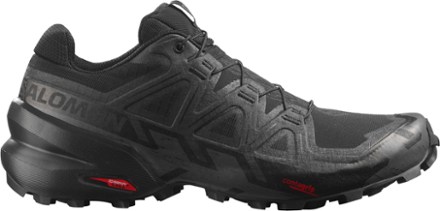
#1 Salomon Speedcross 6 – Best Overall Trail Running Shoe for Hiking
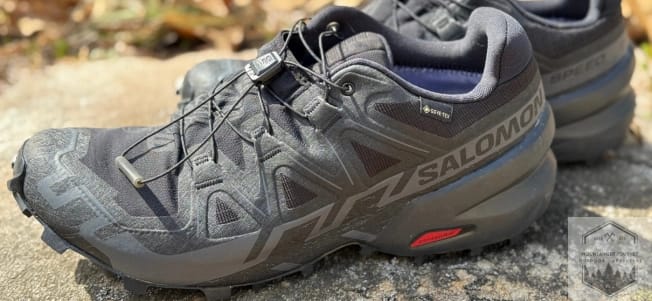
- Excellent Grip
- Waterproof
- Stiff Heel Counter
- Quicklace System
- Narrow
- High Heel To Toe Drop
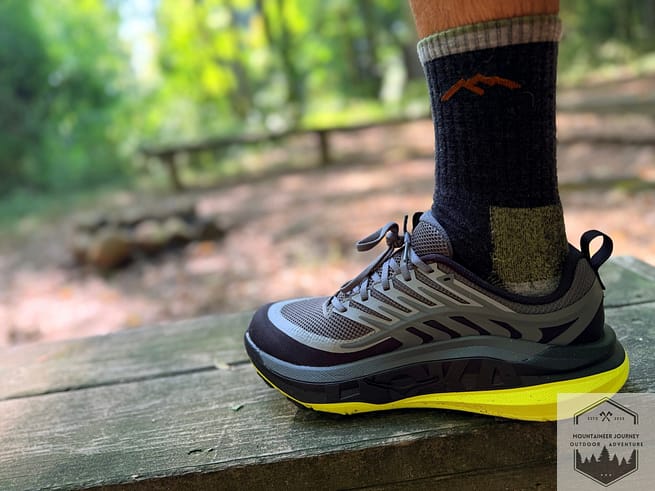
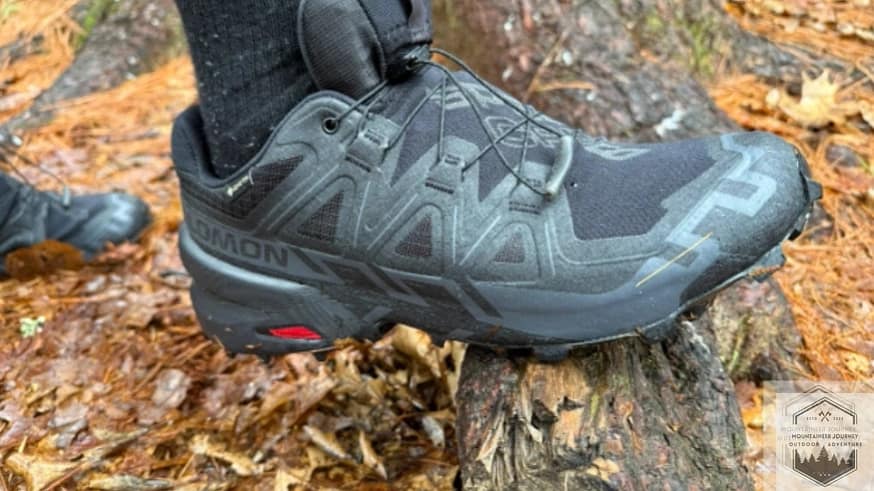
The Salomon Speedcross 6 takes our top spot for hiking because it excels where most hikers need it most: providing aggressive, confidence-inspiring traction on steep, soft, and technical trails where one wrong step with a pack can ruin your day.
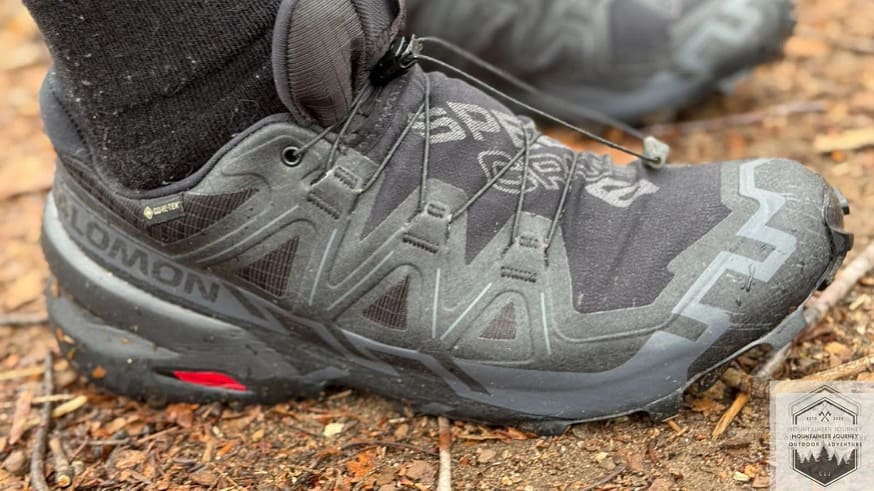
From the moment you lace up, the Speedcross 6 wraps your foot like a precision glove. The SensiFit system hugs your midfoot snugly, while the Quicklace system lets you dial in that race-car-tight feel with a single pull.
On technical terrain, this translates to zero slop inside the shoe; your foot and the sole move as one unit over rocks and roots. This was key during my testing because I was able to take on technical trails with ease, without any special added internal shanks or plates.
However, the footbed is quite firm. Do not choose this one if you’re looking for a very comfortable trail shoe. This one is more based on trail feel.
The deep chevron lugs are what make this shoe special for hiking. When you step into wet mud or loose forest duff, you can feel those rubber teeth bite into the earth and then release cleanly as you lift your foot.
On steep, greasy slopes where other shoes would skitter, the Speedcross claws its way up with authority. During one memorable slog up a rain-soaked ridgeline, these lugs shed sticky clay that would have turned other shoes into platform boots.
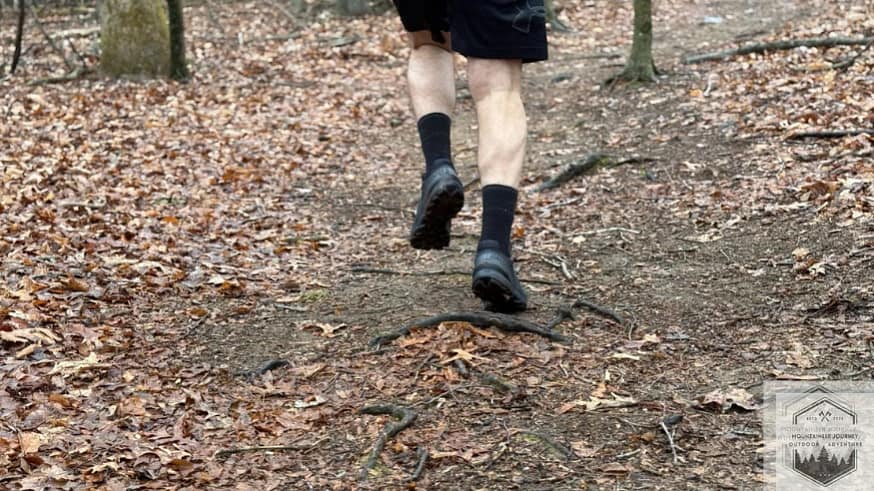
The Contagrip outsole feels firm yet tacky on wet rock not as soft as some Vibram compounds with enough grip to inspire confidence on slick wooden bridges and wet granite.
The 10mm heel-to-toe drop encourages a traditional heel-striking stride that feels natural coming from hiking boots.
Underfoot protection is excellent without being overly cushioned. When you accidentally kick a buried rock or root, the structured forefoot absorbs the impact cleanly.
The midsole is firm enough to provide a stable platform for technical moves but not so soft that you lose precision on narrow ridgelines or off-camber traverses. It’s a great balance of agility and stability.
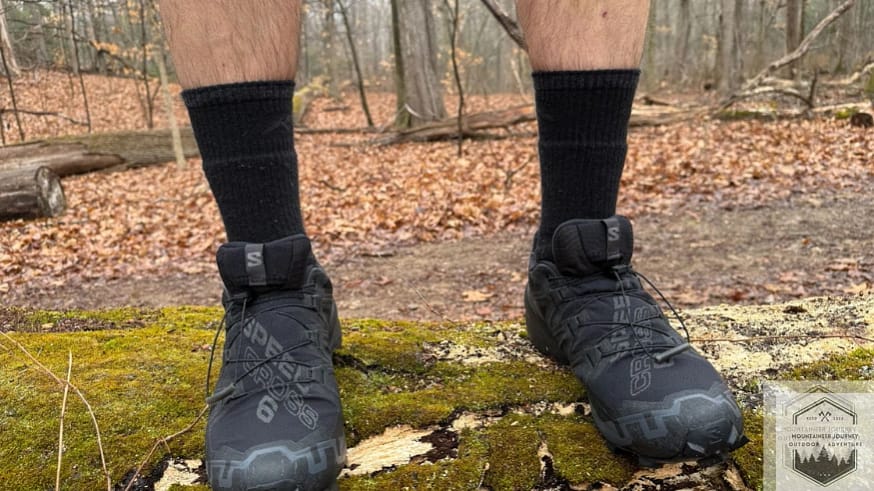
Buy if
- You are hiking on mainly technical trails with difficult terrain
- You prefer a high heel-to-toe drop ratio
- You want a swift, lightweight shoe that you can move quickly on the trail
DON’T Buy if
- You prefer a shoe with internal shanks and a very stiff heel counter
- You are a wide-footed hiker
- You want a non-waterproof shoe
- You’re not a big fan of the Contagrip Outsole
Speedcross 6 Hiking Performance Rating:
Read More: Salomon Speedcross 6 review | Worth It In 2026?
#2 Hoka Speedgoat 7
- Most Comfortable Trail Shoe
- Excellent Impact Absorption
- Extreme Grip
- Breathability
- Price
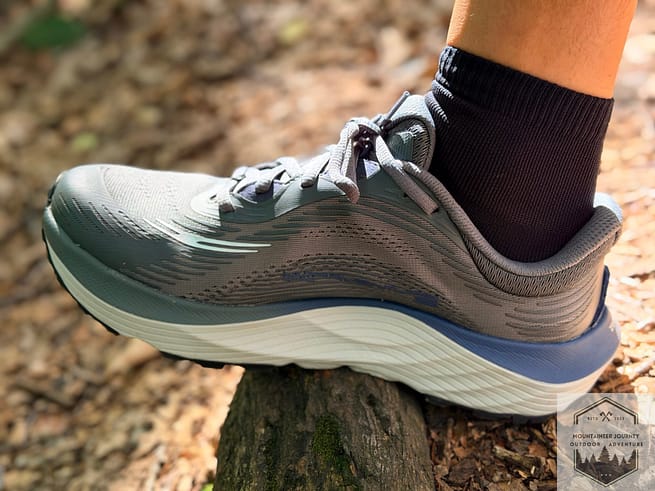
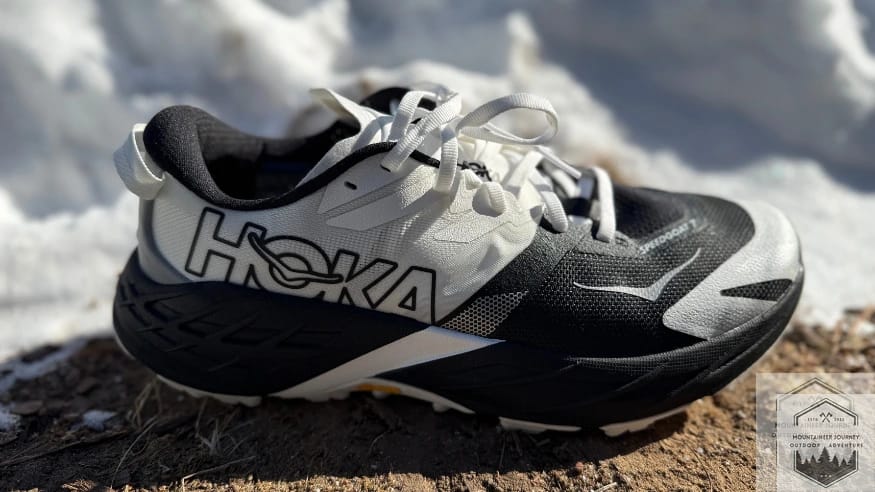
The Hoka Speedgoat 7 replaces the Hoka Challenger 8 as our most comfortable trail runner for hiking.
The Speedgoat 7 provides outstanding comfort with its flared heel design for enhanced stability. The upper conforms nicely to the foot without being restrictive, holding it securely like a glove and preventing any internal movement.
The impact absorption is excellent while descending Rocky, sharp, uneven edges. The Speedgoat 7 really absorbs jarring impacts while still maintaining a decent trail feel.
The Vibram Megagrip outsole is one of the best features of the 7. The lugs performed well on wet and dry terrain.
The Speedgoat 7 is a versatile trail running shoe designed for both technical and light trails. Its flared heel increases ground contact and provides a wider platform, enhancing the lever-arm effect to help keep the center of torque farther from the middle of your foot.
The improved textile upper makes this shoe ideal for hiking, as it is quite agile and weighs only 10.2 ounces per shoe.
Buy If
- You want the top impact absorption
- You prefer a lower heel-to-toe drop
- You prefer top-notch comfort
Don’t Buy If
- You prefer a good ground-feel connection
- You mainly hike flat terrain
- You need an extremely wide toe box
Speedgoat 7 Hiking Performance Rating:
Read More: Hoka Speedgoat 7 Review
#3 Brooks Cascadia 19 – Best All-Round Trail Running Shoe for Mixed Hiking Terrain
- DNA Loft V3 Midsole
- Excellent Traction
- Good Stability
- Price
- Narrow Toe Box
- Weight
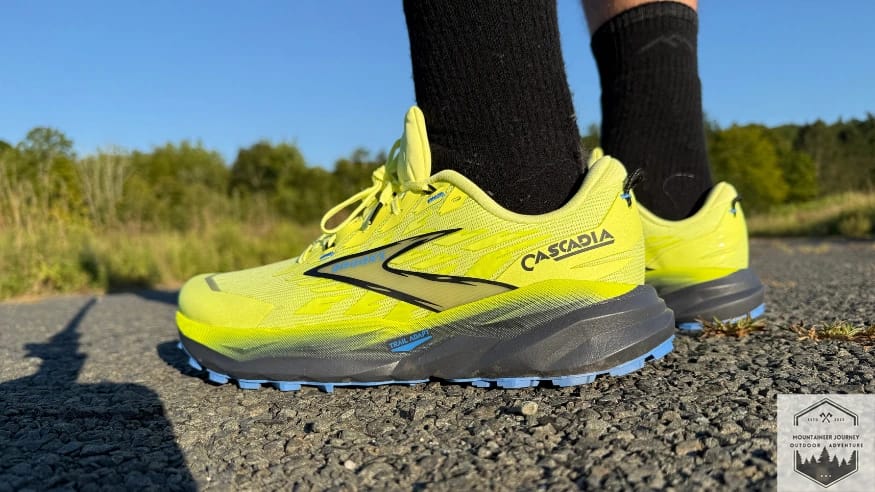
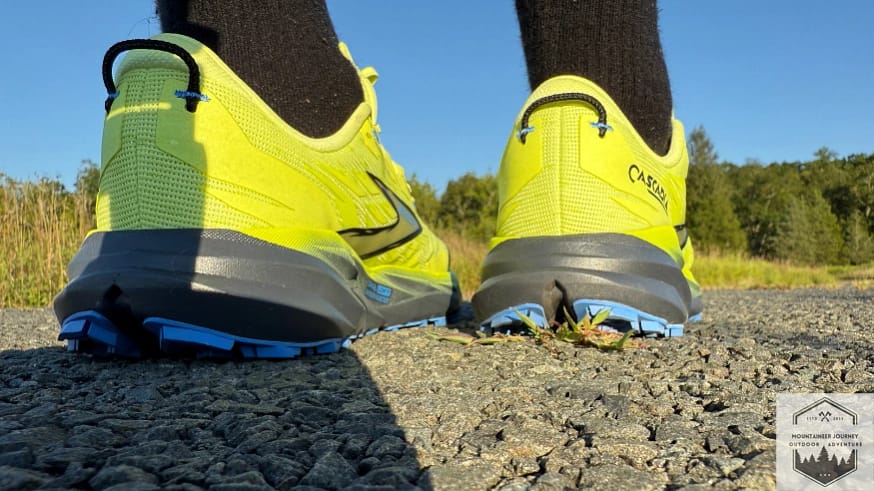
The Brooks Cascadia 19 claims our #3 position as the dependable, do-everything hiker’s trail runner the shoe that may not dominate any single category but performs well in every situation you’re likely to encounter on the trail.
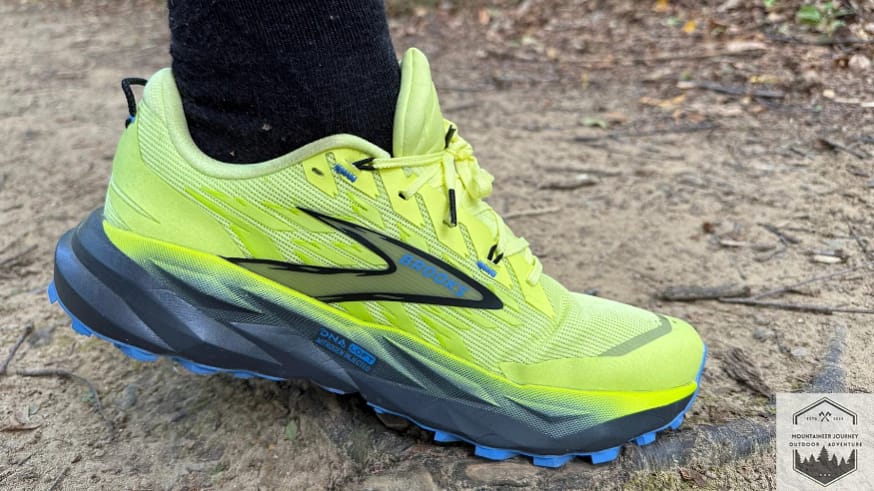
The Cascadia 19 feels like a trusted hiking partner underfoot. Brooks engineered a trail running shoe that really encompasses both a firm yet comfortable outsole.
The midsole strikes an ideal balance: soft enough to absorb impact on long descents, firm enough to provide a precise platform for technical moves.
This shoe is ideal for most hikers because it’s hard to complain about the 35mm stack, which provides great comfort and effective impact absorption without being overly soft.
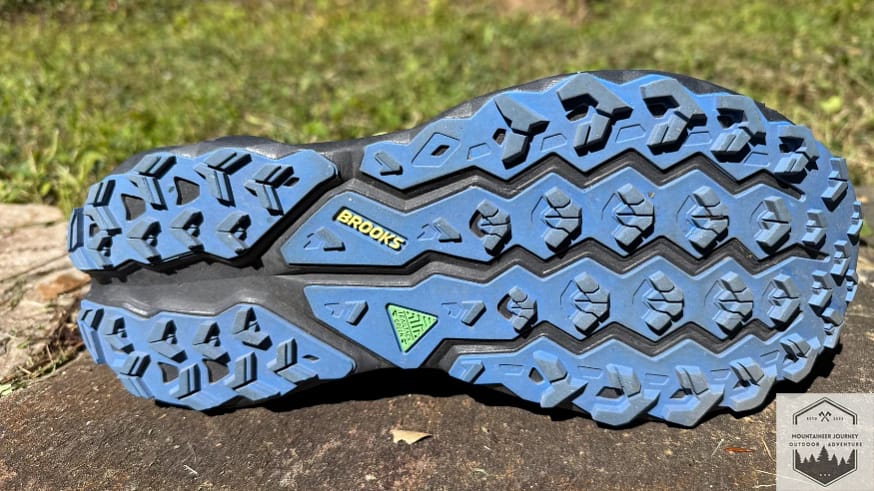
I was very impressed with the trail track rubber compound; the braking lugs are an ideal value-add for hikers. During my “Scree test,” I tested the braking ability of the lugs on downhill gravel, and the Cascadia 19 outsole did an excellent job of braking on such descents.
The shoe fits extremely well and is great for higher-volume use. I noticed my feet were swelling on the trail. The upper really expanded to give me that extra room without feeling overly compressive.
In addition, the upper really aids stability and resists collapse, especially while I was side-hilling with a full 40-pound pack.
Unlike ultralight race shoes that can feel flimsy under load, the Cascadia maintains its shape and support throughout long hiking days. The generous tongue padding prevents lace bite during extended climbs.
The Cascadia 19 is designed for durability. We tested one pair for 150 miles with minimal breakdowns and consistent performance.
What sets the Cascadia apart is its consistency: while it doesn’t dominate any single category, it performs strongly in traction, comfort, protection, and stability.
Buy If
- You want the best all-around trail running shoe hybrid
- You prefer a neutral drop
- You prioritize stability and protection over ultra-soft cushioning
Don’t Buy If
- You are looking for an ultra-light pair of shoes
- You prefer superior ankle protection.
Cascadia 19 Hiking Performance Rating:
Read More: Brooks Cascadia 19 Review | Worth It In 2026?
#4 Norda 001 – Best Premium Trail Running Shoe for Rugged Mountain Hiking
- Top-Notch Performance
- Best Durability
- Dyneema Upper
- Price
- Minimal Stack Height
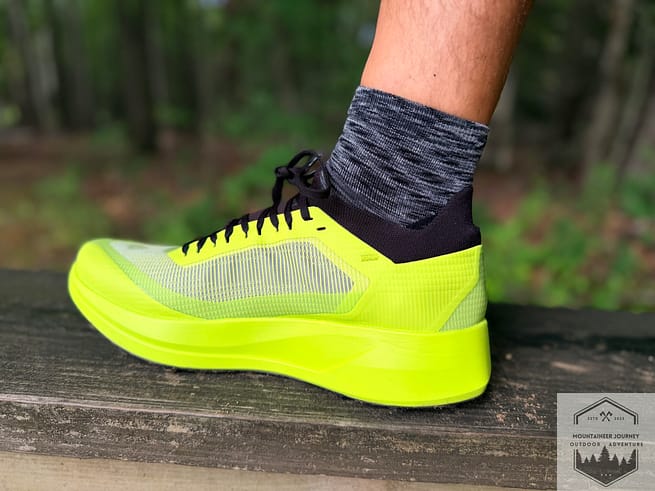
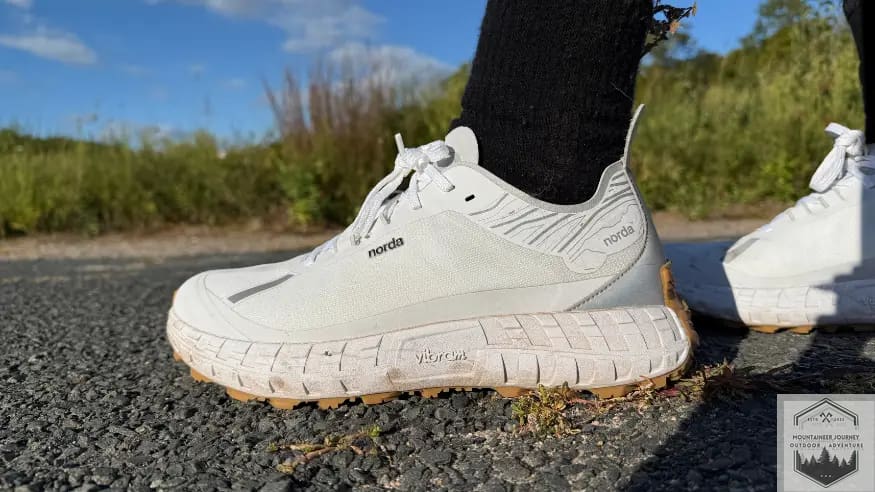
The Norda 001 ranks #4 among premium choices for serious mountain hikers who demand cutting-edge materials and construction for the harshest alpine conditions and are willing to pay significantly more for that level of performance and durability.
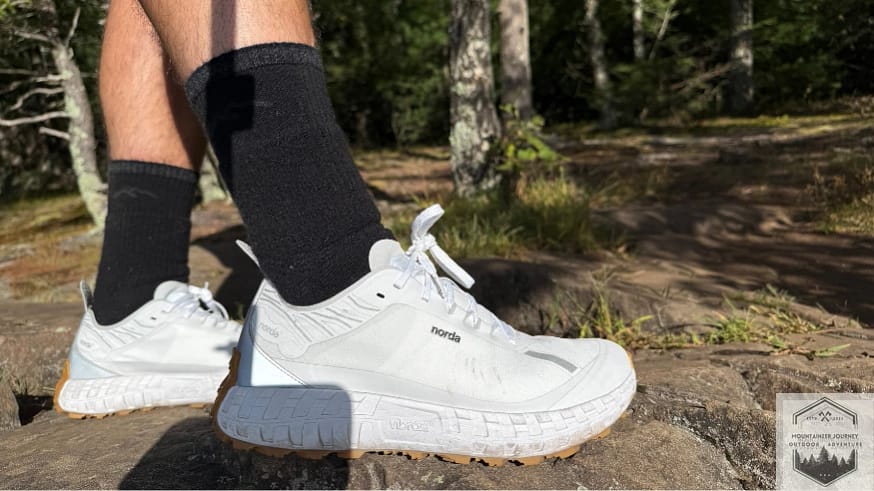
What makes the Norda 001 unique is its Dyneema upper, the same ultra-strong fiber used in high-end backpacking gear and sailing equipment.
This creates a distinctive feel even before you hit the trail. The upper feels crisp, almost paper-like but incredibly tough, wrapping your foot in what can only be described as fabric armor.
On tough technical trails, the Dyneema upper hugs your foot like an internal glove and keeps any overpronation at bay. The non-stretch quality means once you dial in the fit, your foot stays exactly where you placed it throughout technical moves.
Norda crafted this model without any internal plastic posts or shanks. Stability is achieved through a lower stack height and a robust upper.
The Vibram Megagrip outsole delivers exceptional rock performance. On wet granite slabs, the rubber feels almost sticky, gripping even when the rock surface is ultra-slick. On technical scrambles, the grip was pristine and dependable.
The minimal 26mm heel stack is perfect for hikers looking for ground connection and feel. The moderate lug pattern provides excellent traction without being overly aggressive.
However, that minimal stack height can be too burdensome for hikers who need that extra impact absorption.This can be especially tough on longer days where you need that impact absorption during your descent.
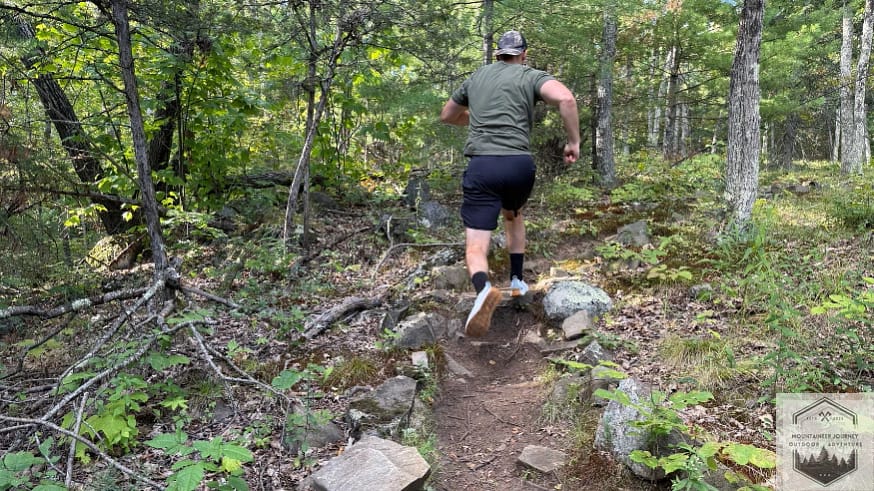
The midsole tuning emphasizes responsiveness over pillow-soft comfort. You feel supported and protected from sharp impacts, but not coddled; this shoe keeps you engaged with the terrain rather than floating above it.
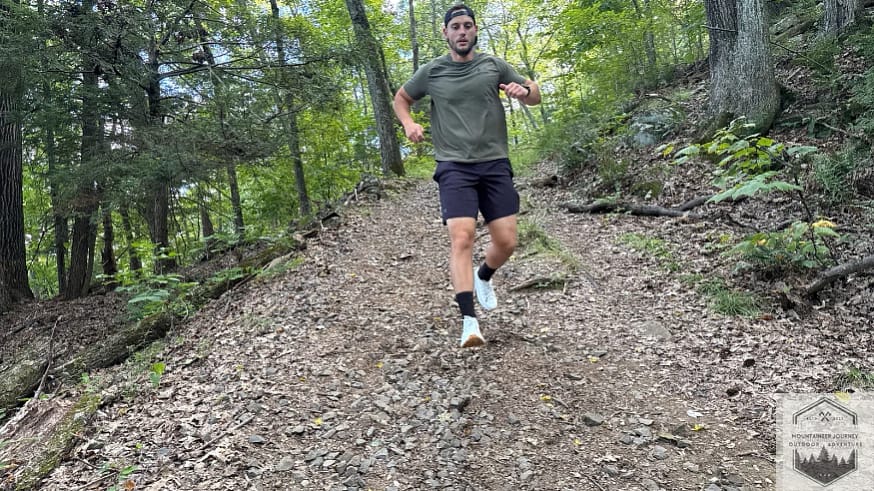
After testing the Norda 001 over 100 miles, I can confidently say that the materials are premium and durable.
The outsole has not flattened or lost any traction, and the upper is still going strong with no signs of delamination.
Don’t get it confused; the $285 price tag indicates this shoe is built for performance over comfort, not plush pillow comfort.
Buy If:
- You prefer trail feel over maximum impact absorption
- You are willing to pay a premium price
- You want a trail shoe that performs year-round
Don’t Buy If
- You prefer maximum cushioning and plushness
- You are a weekend-only hiker
- You prefer a minimal stack height
Norda 001 Hiking Performance Rating:
Read More: Norda 001 Review | Worth It In 2026?
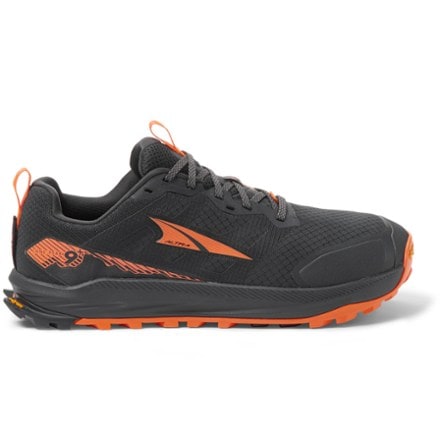
#5 Altra Lone Peak 9+ – Best Zero-Drop Trail Runner for Thru-Hiking
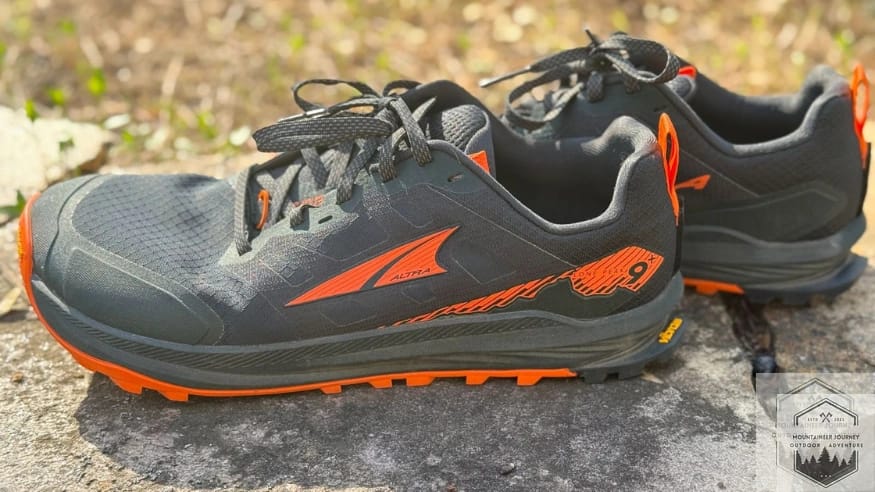
- Excellent Trail-Feel
- Upgraded Vibram Outsole
- Rock Plate For Protection
- Higher Price Point
- Durability Issues With Upper
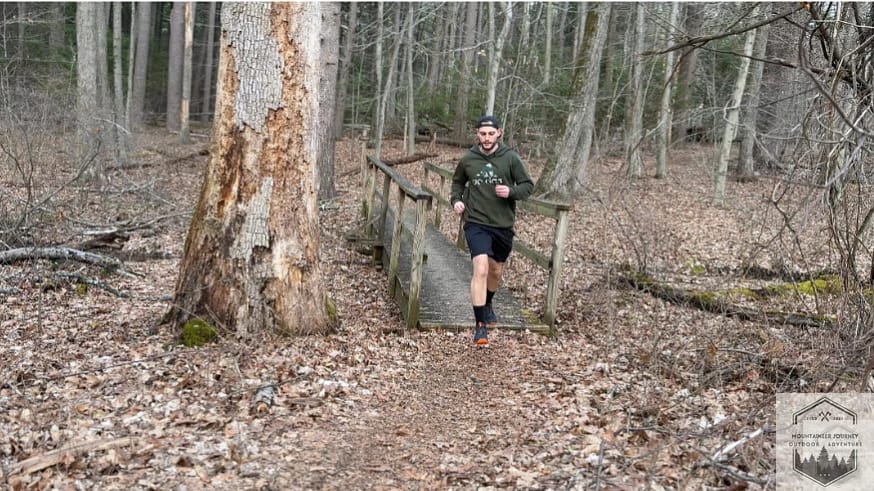
The Altra Lone Peak 9+ is our #5 and the zero-drop, wide-toe-box favorite of long-distance hikers.
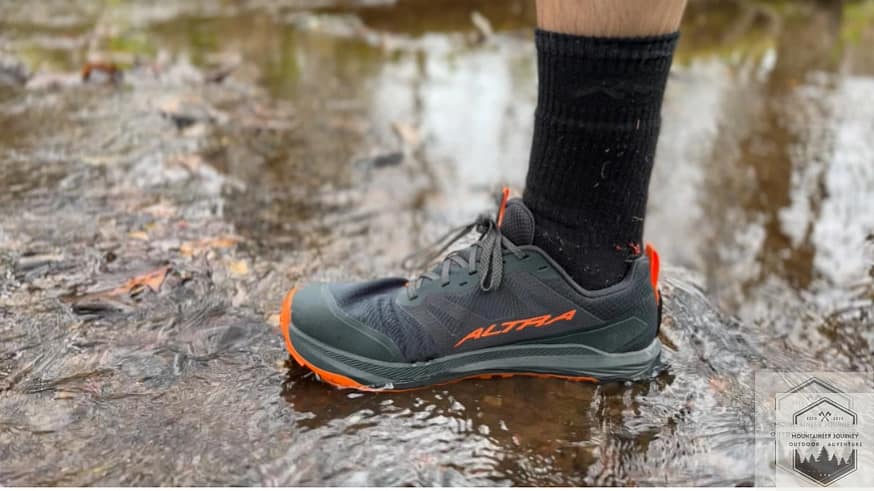
The zero-drop platform changes everything. Standing in the Lone Peak 9+, your heel and forefoot are level, encouraging a more natural, midfoot-striking stride.
Many hikers feel more stable and grounded, as if their foot is on a flat plank rather than a tilted platform. But if you’re used to higher-drop shoes, transition gradually; your calves and Achilles will need time to adjust to this flatter position.
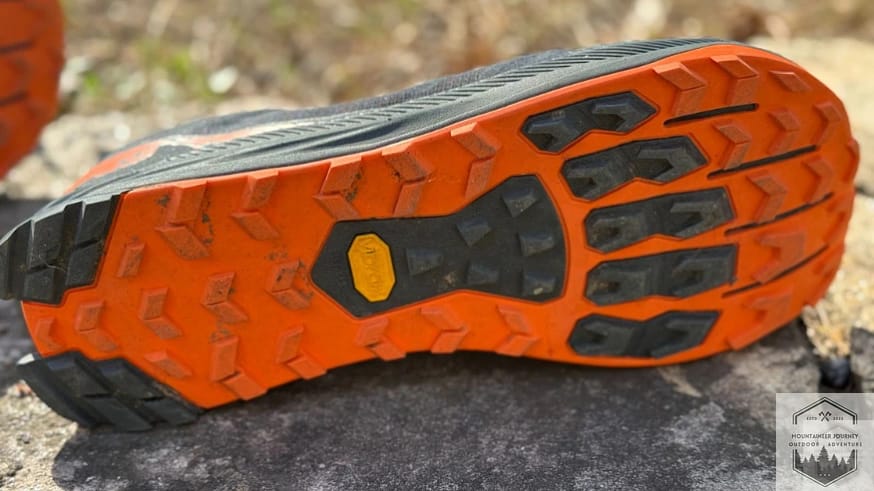
The zero drop really adds that ground feel exposed to you while on boulder fields. I was able to adjust my stride as needed and keep moving much faster than with other trail shoes. The Stoneguard insert helps absorb the impact that the zero-drop tends to put you at risk of.
The roomy toe box is a game-changer for long hiking days. By mid-afternoon, when your feet naturally swell, your toes can spread out and fan out like they would barefoot.
There’s no pressure on the sides of your toenails or cramped joints. On steep descents, instead of toes slamming into the front wall, they slide forward slightly but stay within that big “bucket”.
The combination of a zero drop design and excellent toe splay provides outstanding stability on the trail. The wide four-foot base allows for a natural splay of the toes, which helps reduce torque on your midfoot when navigating uneven terrain.
The Vibram outsole on the 9+ is way better than the previous MaxTrac. On wet rock and dew-slicked roots, the rubber compound is sticky, giving you that reassuring grip when you put weight on questionable surfaces.
The moderate lug pattern handles most trail conditions well without being harsh on mixed terrain.
Buy if
- You prefer a zero-drop hiking shoe
- You love the Altra Lone Peak 8, but want more aggressive traction.
- Those with wide feet, bunions, or toe crowding issues in conventional trail shoes
DON’T Buy if
- You want a waterproof shoe
- You prefer a maximalist outsole
- You prefer heel shanks and a shoe made for heel striking only
Lone Peak 9+ Hiking Performance Rating:
Read More: Altra Lone Peak 9+ Review | Worth It In 2026?
6. Hoka Challenger 8
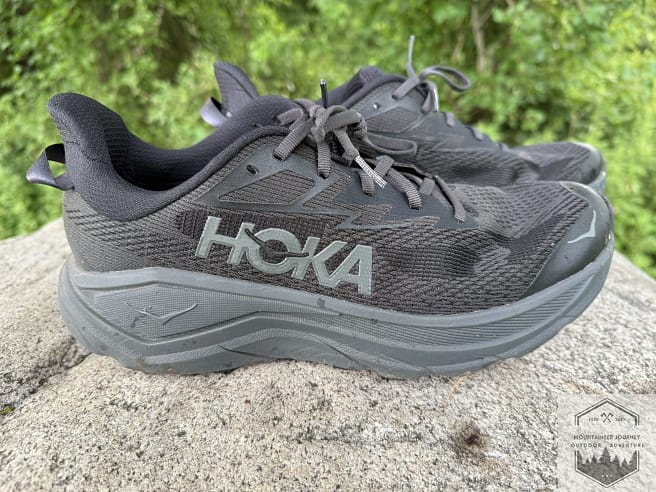
The challenge rate refers to a maximum-plus trail surface ideal for transitioning from road to trail. It offers excellent impact absorption, but it has significant limitations on technical trails. Stability can be an issue, and its outsole is not as aggressive as Vibram’s.
7. Saucony Peregrine 16
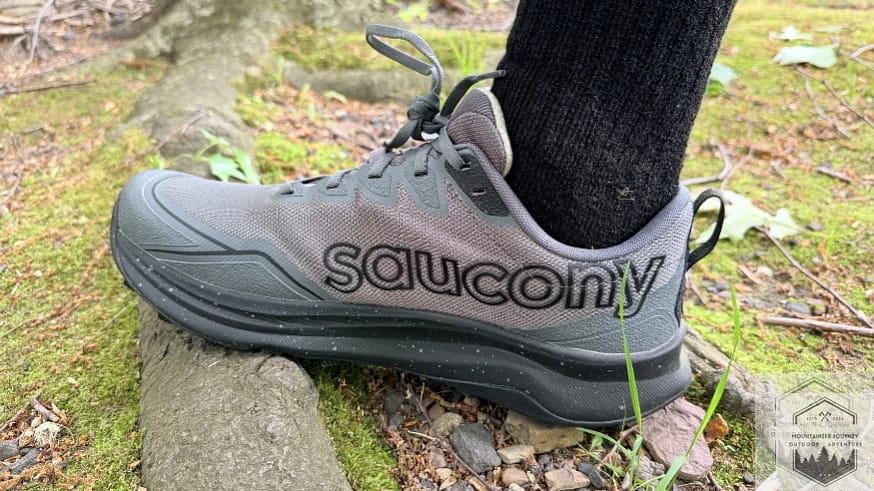
The Peregrine 16 is among the top-rated trail shoes for hiking. However, the new upper is not as compressive and feels quite loose, leading to stability issues on the trail. The Vibram outsole remains one of its best features.The Peregrine 16 is not as durable or stable as the top 5 trail shoes.
How We Tested These Trail Running Shoes for Hiking
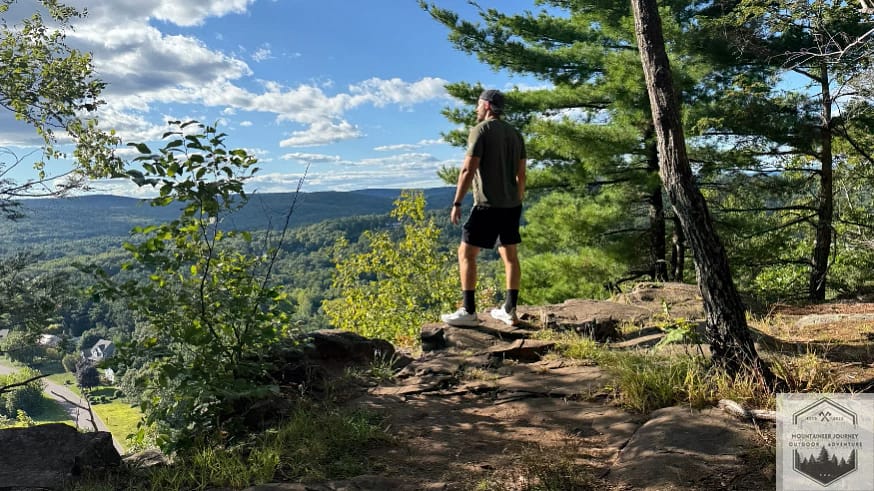
Our testing methodology focuses on real-world hiking performance rather than controlled lab conditions or short trail runs. These shoes were evaluated as hiking footwear first, with running performance as a secondary consideration.
Testing timeline and conditions: We spent the last two years testing these shoes, with continued testing into 2026 across varied climates and terrain types.
Independent purchase: All shoes were purchased with our own funds. No manufacturer paid for placement or influenced our rankings. Our goal is to help fellow hikers choose the right footwear, not to promote specific brands.
Our Scoring System for Hiking Performance
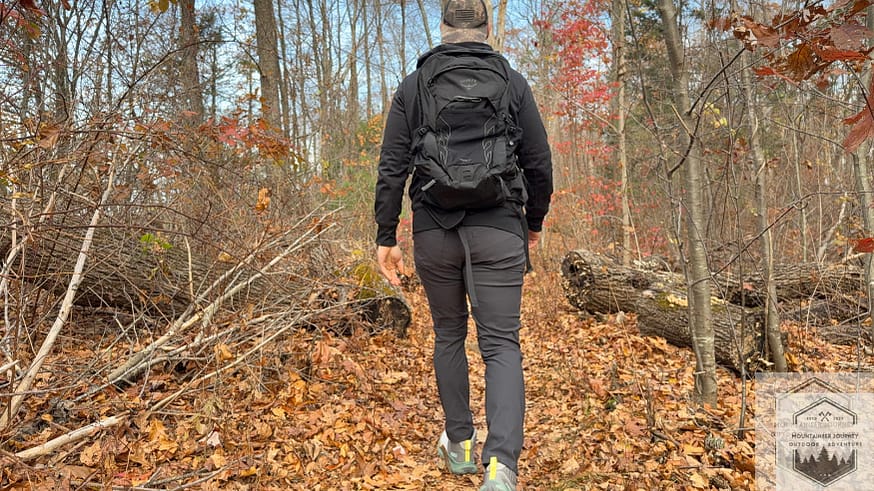
Our rating system is geared squarely at hiking performance, rather than those generic athletic shoe metrics. Each category is based on what really matters when you’re lugging a pack up and down varied terrain for hours.
- Underfoot Comfort & Cushioning (30%): How the midsole and insole feel after you’ve hiked a good 8 – 12 miles, including how well they soak up long descents and whether pressure points start to develop over time.
- Traction (25%): How well the shoes grip on wet rock, loose dirt, mud and steep downhills all while having to carry the weight of your pack.
- Protection & Stability (20%): Does the rock plate do its job, is the toe bumper up to the task, are the sidewalls security adequate, and how stable do the shoes feel under load?
- Fit & Comfort for Long Days (15%): How well do the shoes accommodate your toes, keep your heel securely in place, prevent hot spots & how comfortable they remain over the course of long, grueling hikes
- Durability vs Weight (10%): How well do the uppers, lugs and midsoles hold up to the real rough-and-tumble of the trail relative to how heavy the shoe is
Frequently Asked Questions
Can I Use Trail Running Shoes for Both Running and Hiking?
Yes, you absolutely can. Many trail running shoes work well for hiking; however, you must choose the right model based on your preferences and needs.
Do I Need Waterproof Trail Running Shoes for Hiking?
Generally, no. Breathable, non-waterproof mesh performs better for three-season hiking because it dries faster and reduces the risk of blisters from trapped moisture. Waterproof shoes only make sense for creek crossings and colder-weather hiking.

Tyler is the founder Mountaineer Journey and a professional Mountain Guide with 15+ years of technical experience in trekking, mountaineering, and trail sports. Having logged thousands of miles from rugged alpine summits to urban paths, Tyler provides rigorous, field-tested insights on hiking, walking, and trail running gear. All reviews are 100% unsponsored and unbiased, ensuring you get honest scoring based on real-world performance. His mission is to help outdoor enthusiasts of all levels find reliable equipment that ensures comfort, safety, and performance on any terrain.