

Our Score
Hoka Mafate 5 Review 2026 | Unsponsored
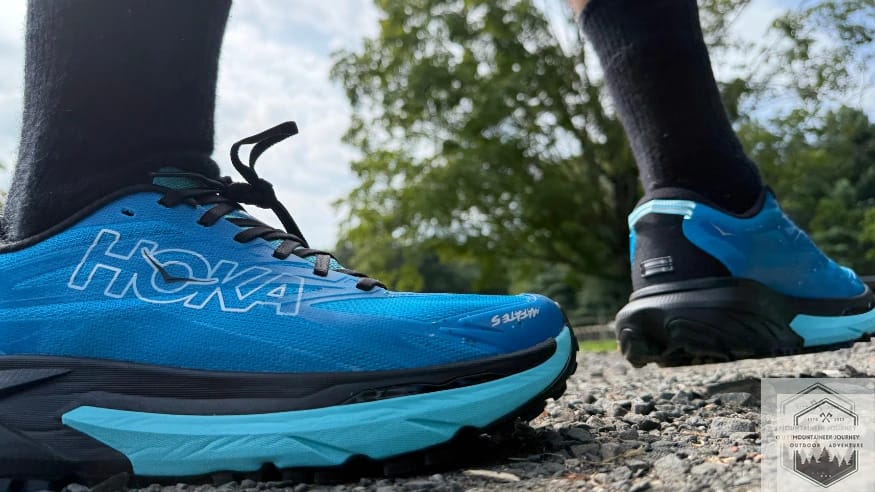
In this article, I’m going to share my HONEST Hoka Mafate 5 review after running over 90 trail miles on everything from wet granite to loose gravel for anyone wondering whether they’re truly WORTH IT in 2026.
The Mafate 5 is a Hoka shoe known for its high-stack, trail-oriented design, advanced midsole technology, and focus on comfort, grip, and versatility across various terrains.
Unlike the “sponsored” reviews out there, I bought the Mafate 5 with my own money, paid full retail, and tested them in both sub-freezing mornings and 85°F sunny afternoons so you’ll get the good, the bad, and the sweaty. This review is for trail runners, ultrarunners, and anyone considering the Hoka Mafate 5 for long-distance or technical trail use.
I’m sharing my scoring from 16 years as a professional trail runner and outdoors enthusiast, using the same testing approach I’ve applied to 50+ trail shoes over the past three years.
I’ll also be directly comparing the Mafate 5 to the Hoka Mafate X, Salomon Speedcross 6, Hoka Challenger 8, and Merrell Agility Peak 5.
Related: Best Men’s Trail Running Shoes (My Top Picks for 2026)
Editor’s Note: We updated this review on 12/27/25 with new insights after further testing miles with new findings regarding durability as well as updated scoring and video testing.
Hoka Mafate 5 Review In Short

The Mafate 5 comes with an 8mm heel-to-toe drop, which is a noticeable jump from the 4mm drop in the Mafate 4. This heel drop is a bold move by Hoka, representing a significant change from the previous model.
Comfort-wise, it’s easily a top-three comfort trail shoe for me this year. The midsole feels pillowy on flat dirt, but on rocky descents I noticed the heel compressing a little too much, which is where stability starts to drop off.
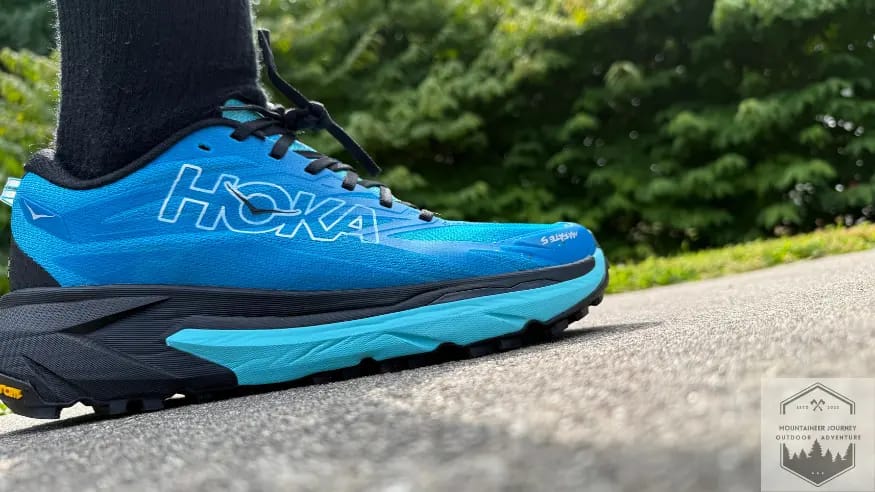
The Mafate 5 is a true max cushion trail shoe, offering more cushion than most competitors in this category. The shoe features a high stack height of 45 mm in the heel and 37 mm in the forefoot, providing significant cushioning underfoot. The plush cushioning makes the Mafate 5 especially suitable for long runs on flat and mild terrain.
hat heel compression reduces rearfoot stability compared to the Mafate 4. That’s the trade-off you’re making for this level of comfort. I will say, on colder mornings (40-50 °F) the outsole did not lose its springiness.
The tongue design is comparable to the Mafate X, very short and thin without enough padding. I felt the aggressive Vibram Megagrip outsole was extremely grippy with the 5 mm powerful deep lugs.
The new and improved warp knit upper is much more robust and protective than the previous iterations. Definitely an upgrade over the Hoka Challenger 7. The integrated rocker works extremely well for saving your stride efficiency and energy return on the trail.
The Mafate 5 is for trail runners who want maximum comfort on mild to moderate terrain, especially heel and midfoot strikers logging longer miles. If you run mostly hardpack, dirt, and gravel, it feels smooth and efficient, but for technical, off-camber rock it’s not the shoe to go after based on our testing.
Overall, we rated the Mafate 5 an 8.2/10.
Hoka Mafate 5 Pros & Cons
Pros
- Exceptional Comfort
- Aggressive Traction
- Outstanding Impact Absorption
Cons
- Price
- Not good on technical trails
- Stability downgrade
Watch Our Hands-On Youtube Hoka Mafate 5 Review
Should you buy the Hoka Mafate 5?
Buy if
- You want an extremely comfortable trail shoe
- Want an aggresive Vibram Megagrip outsole
- Prefer a rockered sole
DON’T Buy if
- You run on technical trails
- You prefer a nimble, agile trail runner
- You want high sensitivity with great ground feel
Hoka Mafate 5 Price and Where to Buy
The current retail price for the Mafate 5 sits at $185 on Hoka.com, a great value for the performance.
Quick note: If you use my links below, I may earn a commission at no extra cost to you. It helps support my unsponsored testing.
Comfort & Fit
“I tested a men’s 10.5 (regular width) and the fit was dialed. No pressure points, no numbness, and no weird hotspots. To be transparent, my feet run slightly wide so very narrow foot runners may find less lockdown.
There was no initial break in period and I felt they fit extremely well, especially with the new Dynamic Vamp in the toe box, which feels more flexible and forgiving when your feet swell on longer runs.
The insole accommodates your foot very well allowing your feet to slightly sink in without over too much “give” or “over squish”.
I measured the heel stack at 45 mm, and the cushioning is legit, especially if you heel strike. The midsole feels responsive and energetic on mild to moderate terrain, but the heel can over-compress when the trail gets rocky, which is where stability becomes the limiting factor.
Impact absorption while on the trail was outstanding, I really felt like I could go longer and harder because of the energy return the impact absorption saved me during my runs. The impact absorption was also very consistent during testing on varied terrains, there was no difference on sharp gravel vs limestone.
The warp knit upper really kicked it up in terms of breathability on the trail. I tested these in over at 95° F on trail runs and I felt a great wave of air in and out during my runs. The knit upper really hugged my foot without pressing too hard.
One downside Hoka still hasn’t fixed is the tongue. It’s short and thin like the Mafate 4 and Mafate X, and I had to pull it up before each run because it wanted to slide down once I got moving. By the end of longer runs, that thin tongue also gave me mild lace bite.
Hoka Meta Rocker
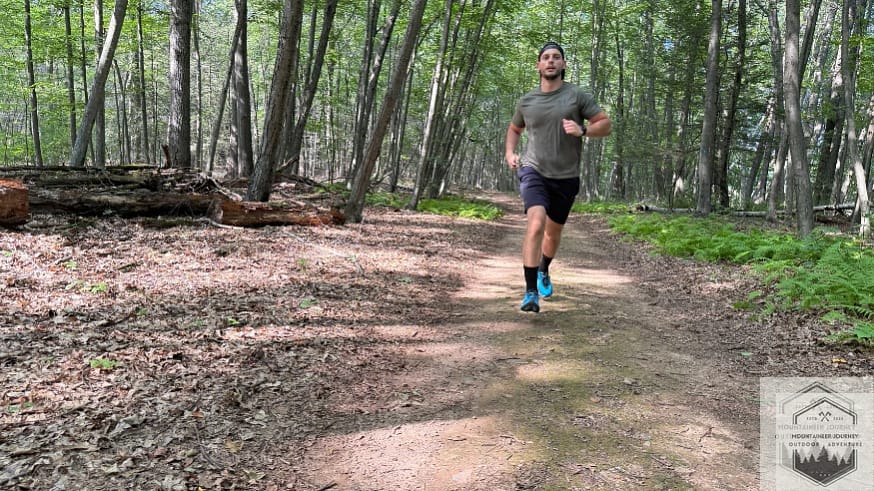
The Mafate 5 introduces a new type of rockered sole. The rocker feels later-stage and more structured this year. It held its shape better on uneven footing than what I felt in shoes like the Challenger 8.
As always I was able to maintain a more efficient stride and felt a rockered sole really made the 5 a lot more lightweight than it actually is.
Comfort & Fit Score: 9/10 (20%)
Traction
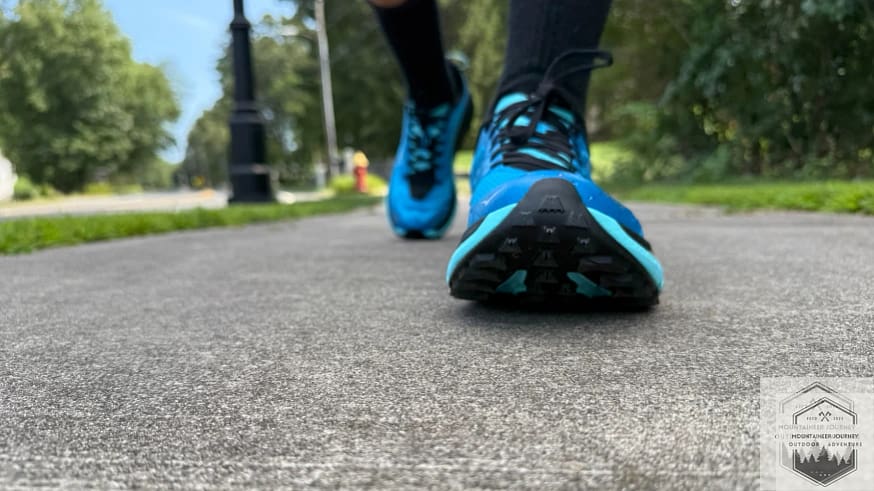
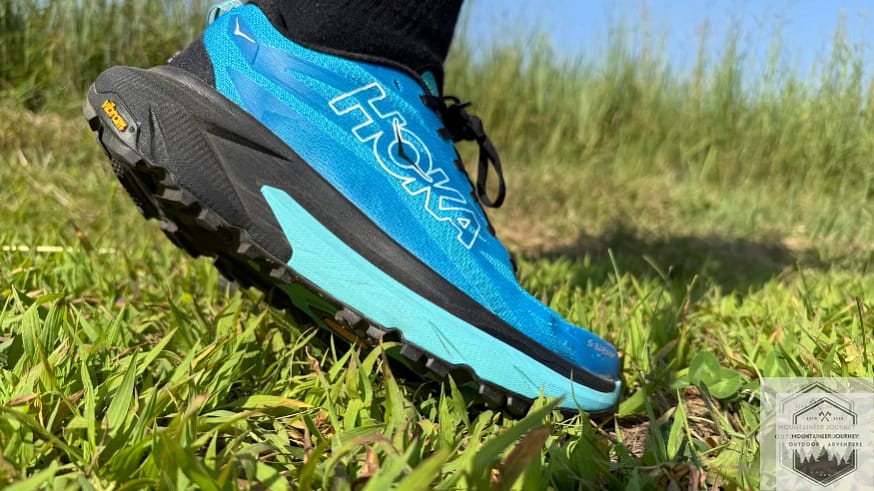
The Mafate 5 incorporates the Vibram Megagrip outsole, however the 5 mm lug patterns are very unique and unlike any other trail shoe.
The lugs at the midfoot of the shoe start out much larger and begin to thin out more towards the middle. This really helped shed mud on the trail as well as enhance the lateral traction of the shoe.
The lugs on the lateral side of the shoe are much more firm which really helped with grip during inclined running and uneven terrain.
Each lug is paired and spaced well, which helps with mud shedding. There are also small rubber ‘spikes’ in the lugs that add extra bite, especially on wet terrain.
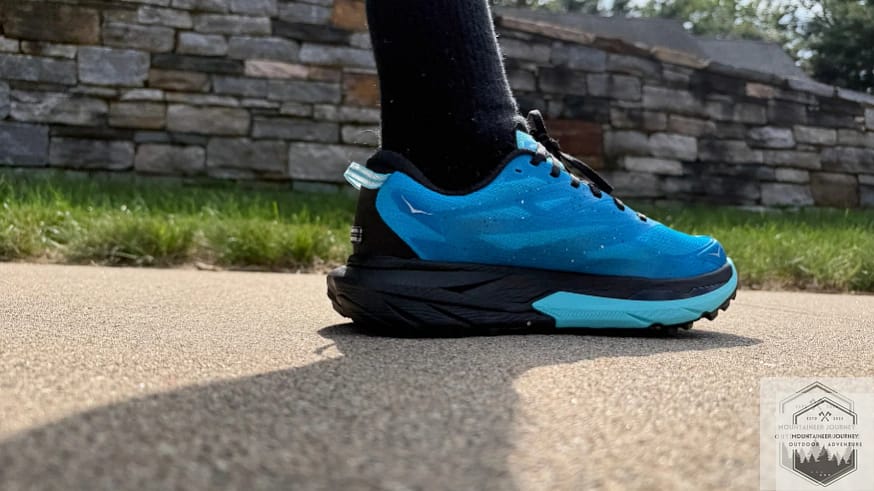
The lugs also extend further beyond the heel and forefoot, adding that extra bite when the shoe flexes on climbs or descents, boosting grip where you need it most. The rubber spikes give that extra stickiness on firmer terrain.
Testing the Mafate 5 on different dry and wet terrains such as slate, gravel, granite, asphalt, concrete, and leaf-covered ground really showed how versatile the traction is on varied terrain.
Traction Score: 9/10 (20%)
Stability & Support
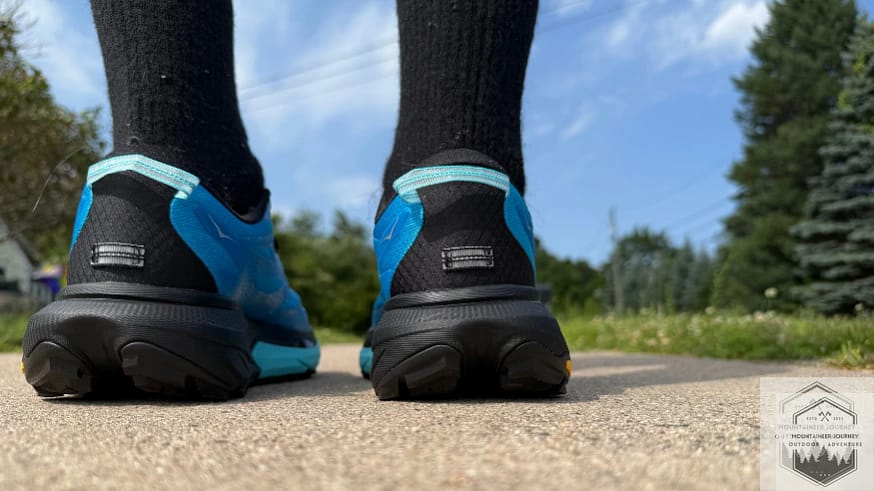
Now this is where I began to get a little disappointed with the Mafate 5. While the massive stack height and increased heel to drop is great for comfort, the overcompression of the outsole isn’t ideal for technical terrain.
The massive stack height without a very stiff heel counter tends to lead to that “topple over” effect when on very uneven terrain. Don’t get me wrong you can still use the Mafate 5 on mild to moderate terrain, however technical terrain you may begin to experience some issues.
On a rocky, off camber section, I could feel the Mafate 5 sink too deep the moment I loaded the outside edge of my foot. Instead of landing and staying planted, the foam compressed, the outsole squished, and my ankle had to do the stabilizing.
That’s when the “topple over” feeling showed up. The stack is so tall that if the heel isn’t locked in by a stiff counter, the platform can start to roll under you on uneven terrain. On smoother trails it feels comfortable and easy, but the second the rocks get jagged and the footing gets unpredictable, you can feel the shoe hesitate, wobble, and force you to slow down just to stay in control.
The new 8mm drop is great news for heel and midfoot strikers nonetheless, compared to the Mafate 4 where the drop was more neutral at 4 mm, this new upgrade is not a great option for forefoot strikers.
The heel counter is decent, but it isn’t stiff enough to fully control that rearfoot wobble when the foam compresses on uneven landings.
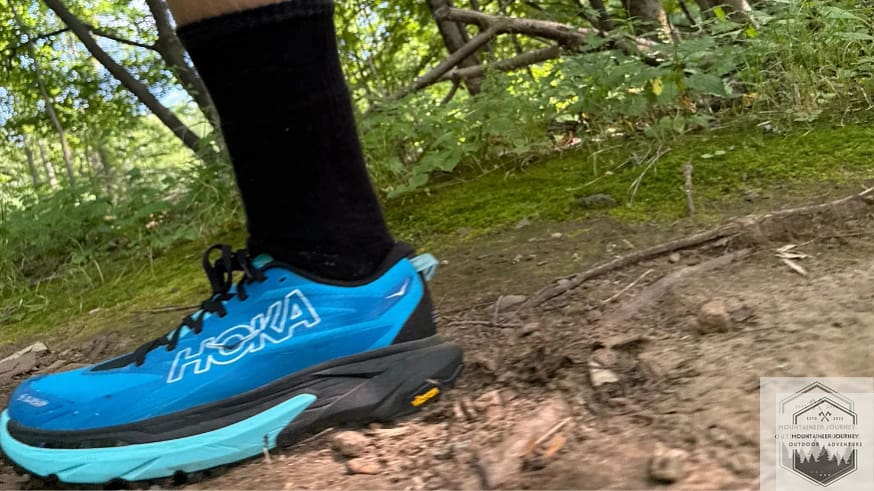
In addition, the Mafate 5 has a nice extended heel cup that really acts as a barrier between the side of your foot, cradling it in place and reducing that unwanted side-to-side movement on rough switchbacks.
The added TPU around the midfoot and forefoot help with that lateral stability that is much needed with this cushioned shoe. On 5 mile + runs, I felt the TPU really resisted over supination of my foot. These features work together to enhance stability, especially on less technical trails.
Personally, I wish Hoka would have just added a nice TPU heel counter just like the Stinson 7 to really compensate for the overly-compressive outsole. This really would’ve helped turn this shoe into an ultra competitive model.
Stability & Support Score: 7/10 (20%)
Weight
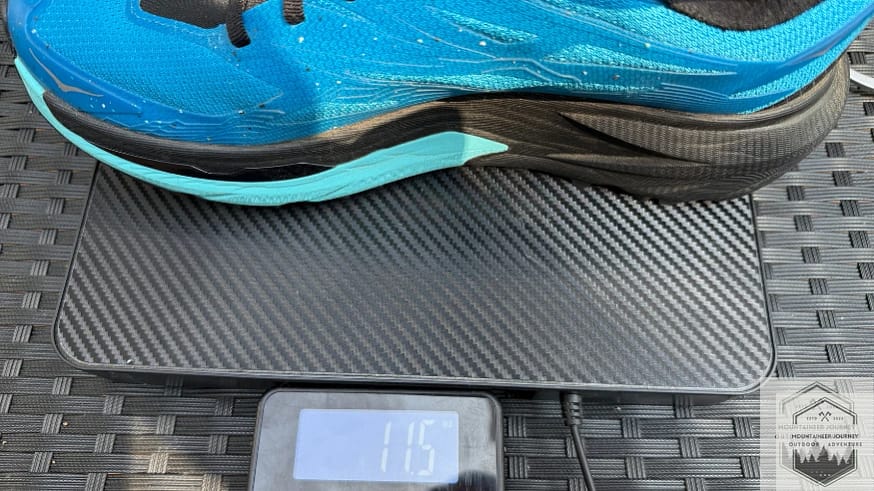
We weighed the Mafate 5 at 11.5 oz exactly how much Hoka states the shoe weighs. About an increase of 1 oz from the Mafate 4, not the worst with all the added foam.
It’s not a brick, but it’s also not a lightweight racer. If you want an ultra-distance shoe that feels nimble and quick on technical terrain, this isn’t the best match.
However the shoe feels much lighter than its counterparts due to the rockered sole improving my stride efficiency as well as energy return on flatter terrain.
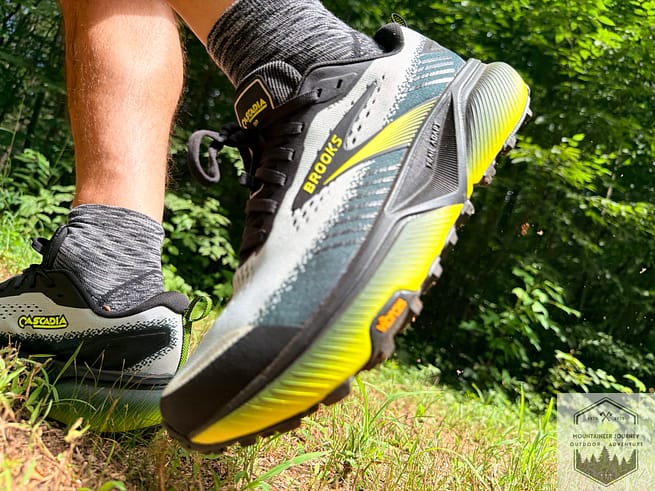
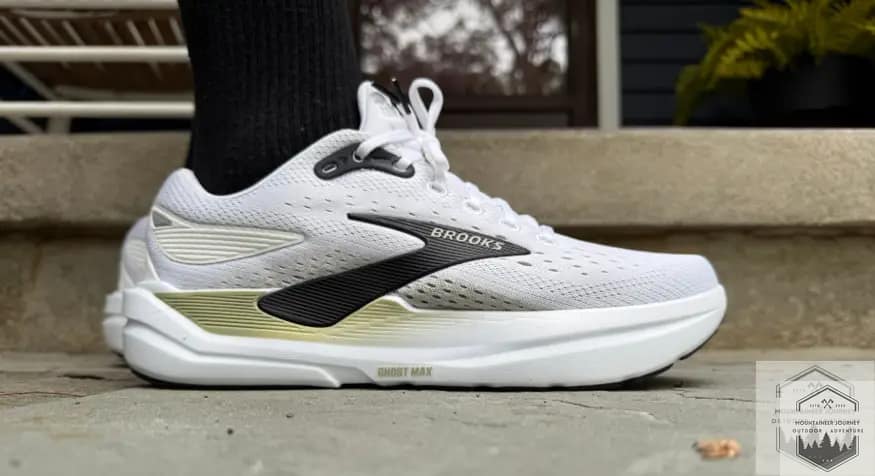
For direct comparision the Brooks Cascadia 19 weighed in at 11 ounces per shoe, and had the same exact lightweight feel to the shoe as well.
Weight Score : 8/10 (15%)
How’s The Overall Protection Of The Mafate 5?
There is a protective rubber toe cap that acts as a toe bumper, providing essential protection for your toes against impacts on rugged trails. The toe bumper is a bit thin right at the front, but it widens into a rubber wrap that covers most of the toe box. Hoka could’ve added a little more sturdiness here.
The design also features exposed foam in certain areas, particularly in the forefoot, which helps reduce weight but may impact long-term durability compared to fully covered midsoles.
With such a high stack height there’s plenty of foam between your foot and the ground. This model does not incorporate a rock plate but it really doesn’t need one.
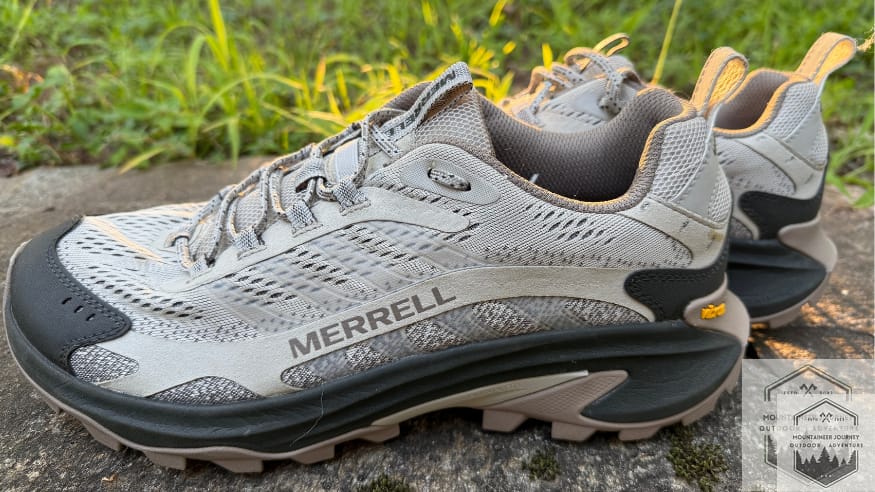
Users looking for maximum foot protection while on technical trails may want to consider the Merrell Agility Peak 5. Otherwise the overall protection is good from the Mafate 5.
Overall Protection Score: 7.5/10 (10%)
Durability

Hoka tends to put in the most quality materials they possibly can into their products. The new warp knit upper has held up well, without any weak points or breakdown.
With such a high heel stack height at 45 mm, this poses issues for wear on the outsole while losing some impact absorption. However, Hoka tends to make the outsole stack height higher in anticipation of the reduced impact absorption over time.
The traction lugs have shown minimal wear after testing them through 90 miles in varied terrain.
Based on my previous professional testing of similar models, I would expect the outsole to last 250-300 miles before showing any significant performance loss. As always, we will update this review with any durability changes over time.
Durability Score: 8/10 (10%)
Is The Mafate 5 Worth It?
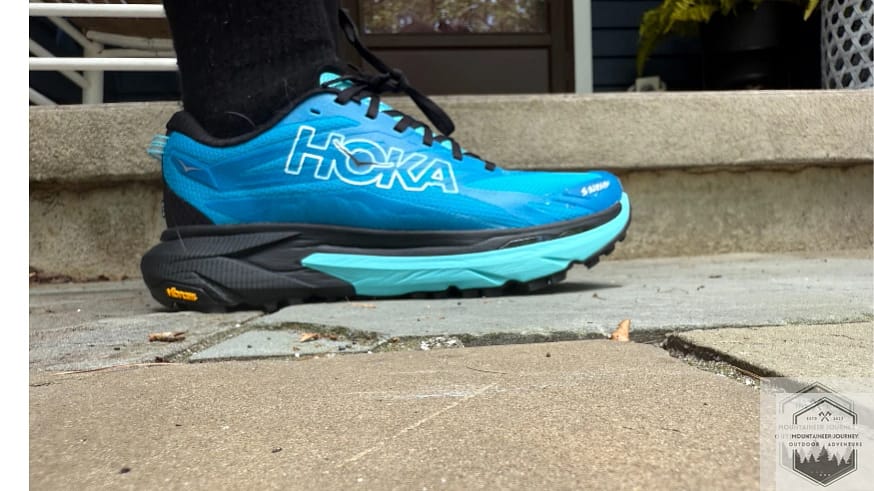
At $185 the Mafate 5 features an enticing package for someone who enjoys trail running but not at the ultra or competitive level.
Use the Mafate 5 for what it’s built for: heel strikers and moderate terrain. If that’s you, you’ll feel like you picked the right shoe.
While this is not made for technical runs and is less suited for challenging, rocky, or steep terrain, it excels on moderate trails and appeals to most trail runners, especially with the combined traction profile as well as comfortability.
As a weekend or intermediate trail runner, I don’t think you could go wrong with the Mafate 5 at $185.
What Other Trail Running Shoes Should You Consider?
If you are looking for more overall protection and a more hiking shoe hybrid check out the Altra Olympus 6. For runners looking for less drop and the same amount of comfort, check out the Brooks Cascadia 18.
If you want something that feels more precise and confident on technical terrain, look at a lighter, more locked-in option like the NNormal Kjerag 2.
Value Score: 4.5/5 (5%)
Scoring Breakdown
Comfort & Fit (20%): 9/10
Traction (20%): 9/10
Stability & Support (20%): 7/10
Weight (15%): 8/10
Overall Protection (10%): 7.5/10
Durability (10%): 8/10
Value (5%): 4.5/5
Total Weighted Score:
1.80 + 1.80 + 1.40 + 1.20 + 0.75 + 0.80 + 0.45 = 8.20 / 10
Frequently Asked Questions
Is Hoka Mafate a stability shoe?
No. The Mafate 5 isn’t a stability shoe in the traditional sense. It doesn’t use a stability post or guidance system. It’s a max-cushion shoe that can feel stable on moderate terrain, but it can get wobbly when the trail turns technical.
What is the difference between Speedgoat and Mafate?
The Speedgoat 6 carries more internal stability features than the new Mafate 5. However, the Mafate 5 is more comfortable and cushioned.
What’s the difference between the Hoka Mafate 4 vs Mafate 5?
There are major differences between the Mafate 4 & 5. First off, the Mafate 4 jumped from a 4 mm drop to an 8 mm drop on the 5. Also, they added the dual layer midsole and increased stack height to the 5.
What type of runner should choose the Mafate 5?
Ideal runners for the Mafate 5 include beginner to intermediate trail runners looking for comfort on mild to moderate terrain.
How We Tested and Our Methodology
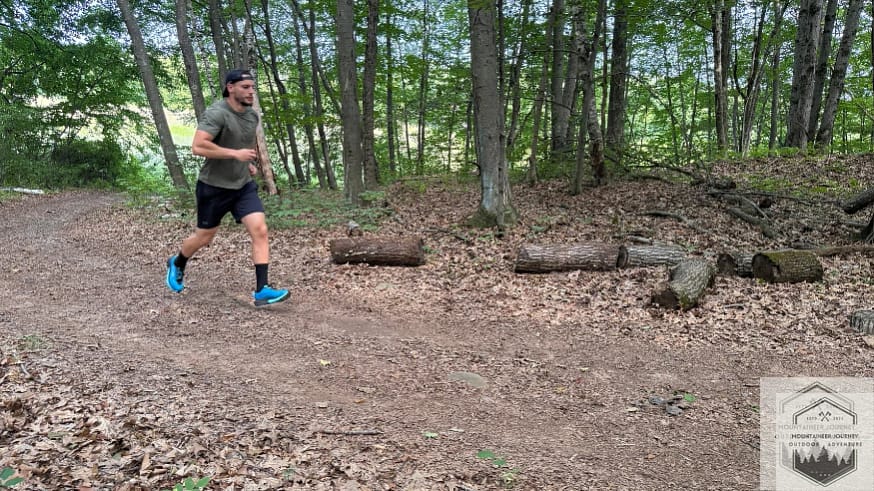
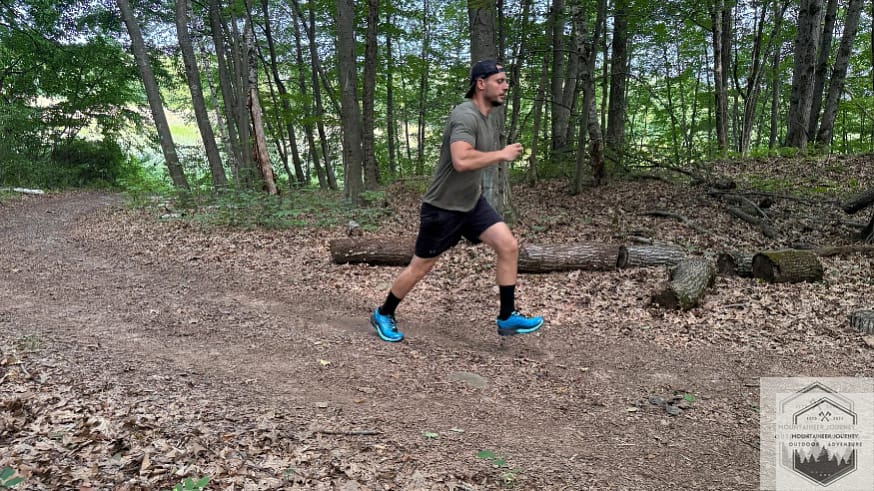
This Mafate 5 review is based on 90+ miles of testing on packed dirt, loose gravel climbs, wet granite, off-camber rock, and mixed road-to-trail miles. I ran in both dry and wet conditions, including colder mornings and hot afternoons, to see how the cushioning, traction, and stability changed across real terrain.
We currently purchase the products we test with our own money, and are not paid by any company or manufacturer to influence our opinions or decisions.
All of this is to give you the best possible review with OBJECTIVE scoring , so you can make the easiest and quickest choice possible.

Tyler
Tyler is the founder Mountaineer Journey and a professional Mountain Guide with 15+ years of technical experience in trekking, mountaineering, and trail sports. Having logged thousands of miles from rugged alpine summits to urban paths, Tyler provides rigorous, field-tested insights on hiking, walking, and trail running gear. All reviews are 100% unsponsored and unbiased, ensuring you get honest scoring based on real-world performance. His mission is to help outdoor enthusiasts of all levels find reliable equipment that ensures comfort, safety, and performance on any terrain.