

Our Score
Altra Lone Peak 9+ Review | Worth It In 2026?
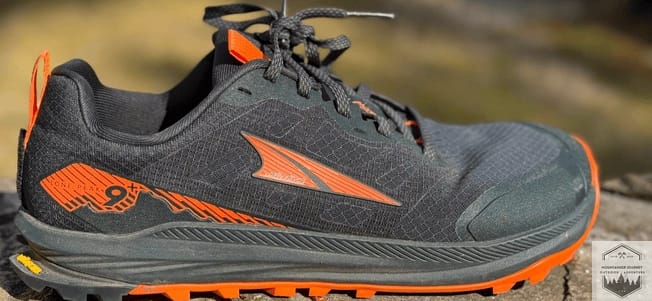
In this article, I’m going to share my HONEST Altra Lone Peak 9+ Review for those who are wondering whether they are WORTH IT in 2026.
As a seasoned trail runner with over 16 years of experience testing trail running shoes, I recommend them for those who are looking for a very grippy, zero drop, lightweight trail runner. Many users complained about the use of the Max trac rubber outsole, which was not up to par with something like the Vibram outsole.
For this review, I have put in over 75 miles into testing my own personal pair of the Altra Lone Peak 9+ since its release in early 2025 this year.
I’m very familiar with how they feel and perform on the trails. I’ll go over comfort/fit, traction, stability & support, weight, overall protection, and durability. I’ll be giving a score of each category based on OBJECTIVE testing standards and an overall score with recommendations at the end.
The Lone Peak 9+ has received praise from trail runners for the upgraded Vibram megagrip outsole. There aren’t any changes from the 9 to 9+ other than the Vibram outsole upgrade which is $20 more, let’s find out if it’s worth the upgrade!
The extra cost for the Vibram version puts the retail price of the standard Lone Peak 9 between $140 and $145, while the Lone Peak 9+ ranges from $155 to $160.
This makes sense for runners who prioritize traction and durability, as the Vibram version offers a premium outsole with better grip and performance in rugged conditions. Of course, there is a trade off—paying more for the Vibram version means a higher upfront cost, but the performance benefits may justify the extra expense for serious trail runners.
Related: Best Trail Running Shoes, Best Trail Running Shoes For Hiking
Editors Note: We updated this post on 12/23/25 with changes in scoring regarding stability and support, as well as new insights after 75 miles of testing.
Our Verdict
The Altra Lone Peak 9+ is made for trail runners seeking a zero drop shoe with great ground feedback. Our testing revealed the Vibram outsole is a worthy upgrade when it comes to traction, vs the regular Lone Peak 9 model. The Stoneguard insert with a modest stack height proves to be beneficial when it comes to stability on the trail. The welded overlays do cause some durability concerns, however we haven’t noted any delamination after 75 miles of testing. Overall, we rated the 9+ an 8.2/10.
Lone Peak 9+ Pros and Cons
Pros
- Zero drop
- Stoneguard Inset for increased stability on tough terrain
- Extremely lightweight, weighing in a 11 oz
Cons
- Price
- Durability concerns
- Not as cushioned as some competitors
Watch this Full Review on YouTube!
Should you buy the Altra Lone Peak 9+?
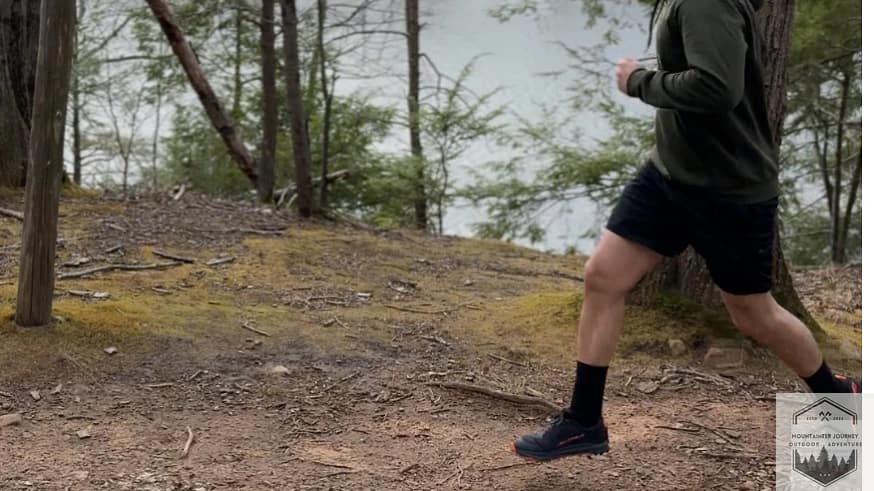
Buy if
- You want a zero-drop shoe for trail feel
- You want a trail runner for tackling technical and uneven terrain
- You are looking for a great deal, with a premium Vibram megagrip outsole
DON’T Buy if
- You prefer a traditionally stitched trail runner
- You prefer high heel-to-toe drop
Compare To Similar Products
Quality Trail Runner
8.2
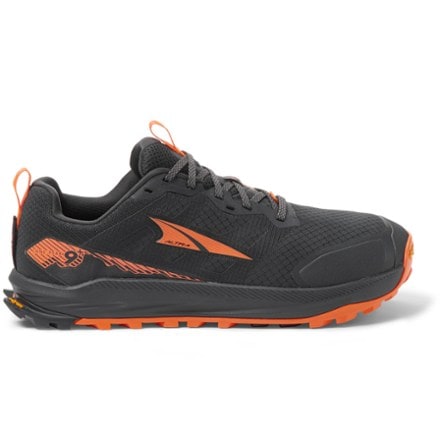
Altra Lone Peak 9+
Upgraded Vibram outsole is worth it. Well-fitted toe box with extra room for wide-fit athletes. Good performance mixed with comfort.
Top-Rated Trail Runner
8.1
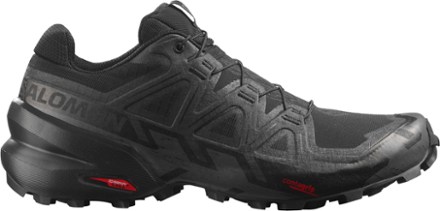
Salomon Speedcross 6
One of the best overall trail runners. Excellent on-trail performance with waterproofness. Improved from previous model
Top-Rated Trail Runner
8.3
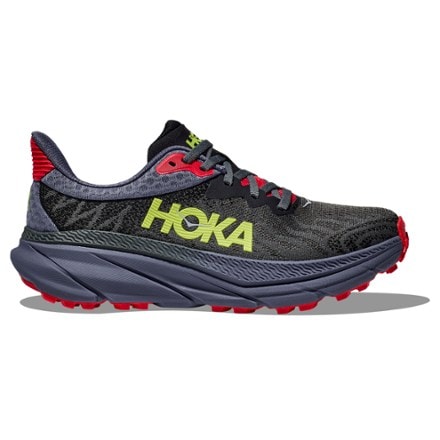
Hoka Challenger 7
Top-rated trail running shoe for light to moderate trail runners. Excellent cushioning and fit. Does not appeal to the hardcore trail runner.
Altra Lone Peak 9+ Price
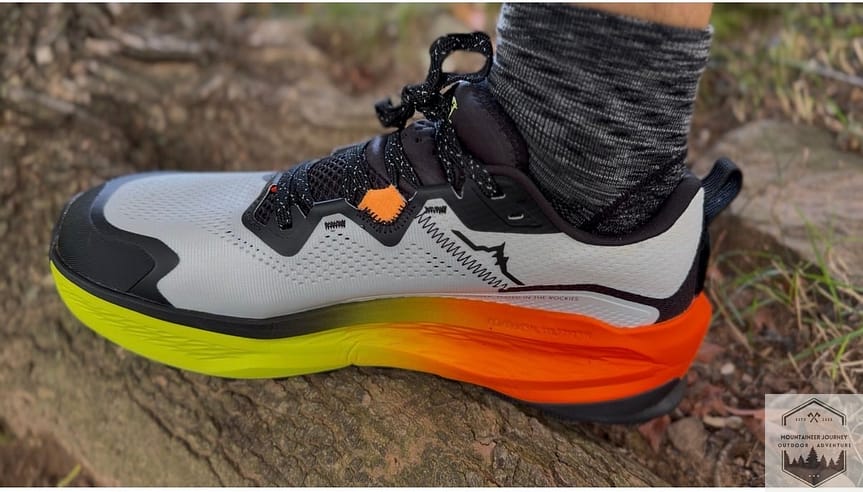
Right now, the Lone Peak 9 + retails at $155-160, but I found some awesome deals on Altrarunning.com for $155.
Get The BEST deal on the Lone Peak 9+ at the LOWEST Price Available! (Do NOT pay retail):
As an independent reviewer, I purchase all products myself. Some links may be affiliate links that support the site at no cost to you
Disclosure: These links may provide a discount and in return, give us a commission in order to run the website 🙂
Lone Peak 9+ Comfort & Fit : 8.5/10 (20%)
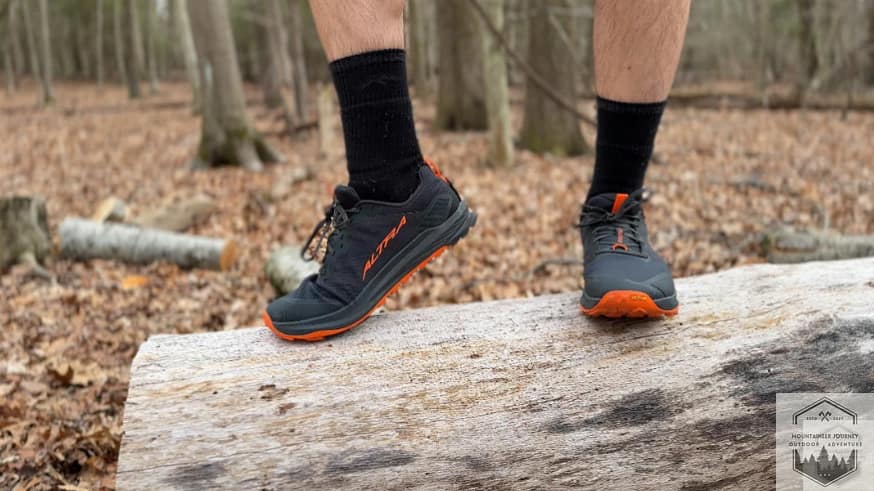
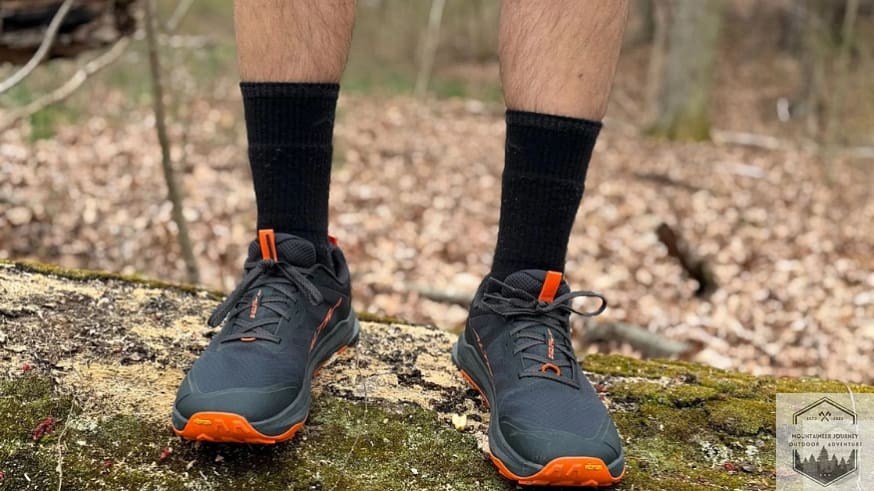
Immediately when trying on the 9+ I felt the nice wide toe box of the Altra brand. My toes were able to splay out for better control and stability on trail, forming a nice wide base. I absolutely did not have any areas of compression at the toe box. There is extra room for the big toe, allowing it to move freely and naturally, which is especially beneficial for long-distance runs. The design provides ample space to accommodate different foot shapes, including wider toes and high-volume feet, enhancing overall comfort.
The extra foam padding over the tongue of the shoe was an impressive new upgrade, no areas of extra compression or bulkiness.
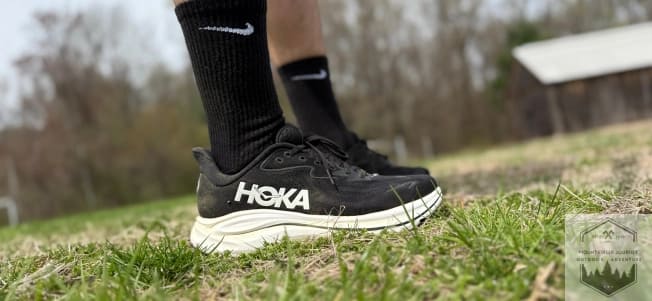
The midsole feels super comfortable and does a great job absorbing shock. Even when I picked up a light jogging pace, I didn’t notice any extra pressure on my knees or ankles. I noticed a nice bit of spring in each step—something I don’t usually get with trail runners. The shock absorption was similar to the Hoka Stinson 7, a more heavily cushioned shoe. The midsole of the Lone Peak 9+ is slightly softer than that of the Lone Peak 9, providing even more comfort.
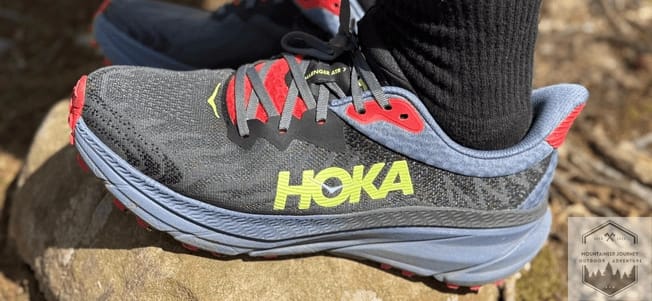
The toe box is extremely wide for a secured cushioned feel featuring the Footshape Fit. I measured the toe box at 3.87 in, which is the widest toe box I have measured for a trail runner thus far! The closest toe box width I measured was the Hoka Challenger at 3.3 in.
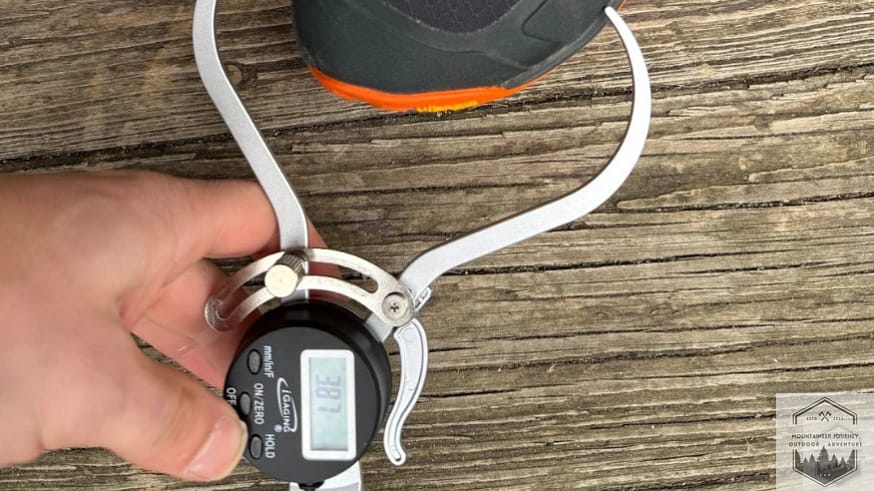
As for fit, I didn’t need to size up or down. I thought about moving a size down to men’s 10 rather than 10.5 because of the wide toe box. They fit perfectly, I didn’t have any critiques regarding fit for this model. However, some users have experienced lockdown issues in the midfoot and heel area, which may require heel-lock lacing for a more secure fit.
Traction: 8.5/10 (20%)
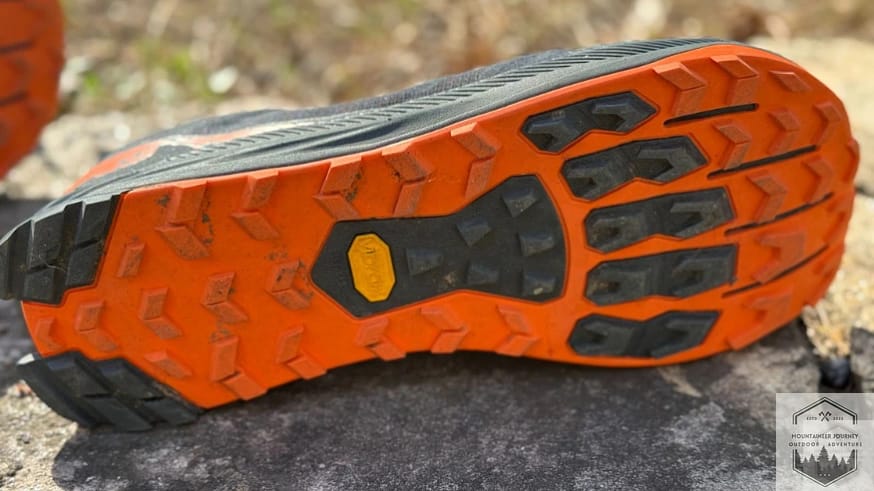
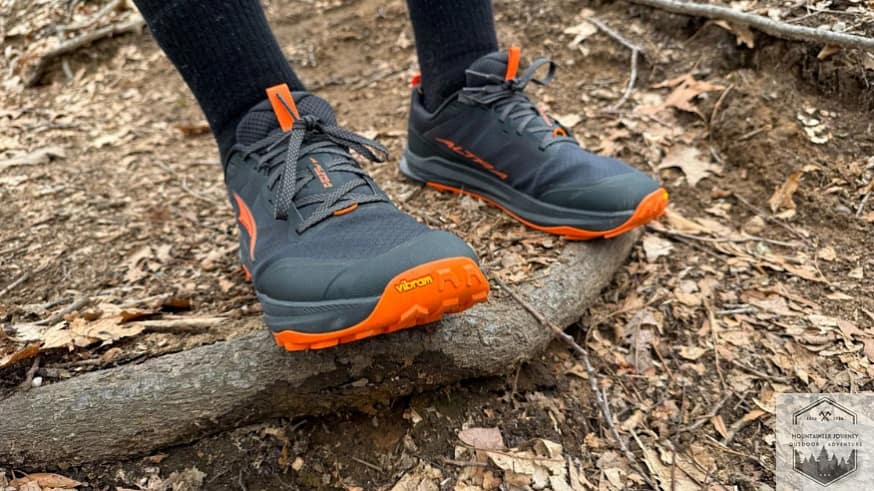
The standout feature of the Altra Lone Peak 9+ is the upgraded Vibram megagrip outsole. Compared to the standard Lone Peak 9 with its MaxTrac rubber, the difference in traction is on a whole other level, especially on loose and wet terrain.
The MaxTrac rubber outsole is decent—it’s the same one you’ll find on the Altra Lone Peak ALL-WTHR 2. That said, switching to the Vibram outsole on the 9+ was a much-needed move and definitely a solid upgrade.
I measured the lugs at 5 mm in depth, they did a great job holding onto grip in every sort of terrain imaginable, I even tested them in snow holding up great against sloppy/wet terrain. While testing them out on granite stone, the grip was solid and effective.
Compared to the Salomon Speedcross 6 with its Contagrip outsole, I’d say traction on this model edges it out just a bit,especially on uneven terrain. For reference I did a case study on Contagrip vs Vibram.
Read Here: Contagrip vs Vibram | Which Is Better?
One downside to the 9+ is torsional rigidity. The welded material is not great when it comes to structural integrity as well as keeping the sides of the upper rigid.
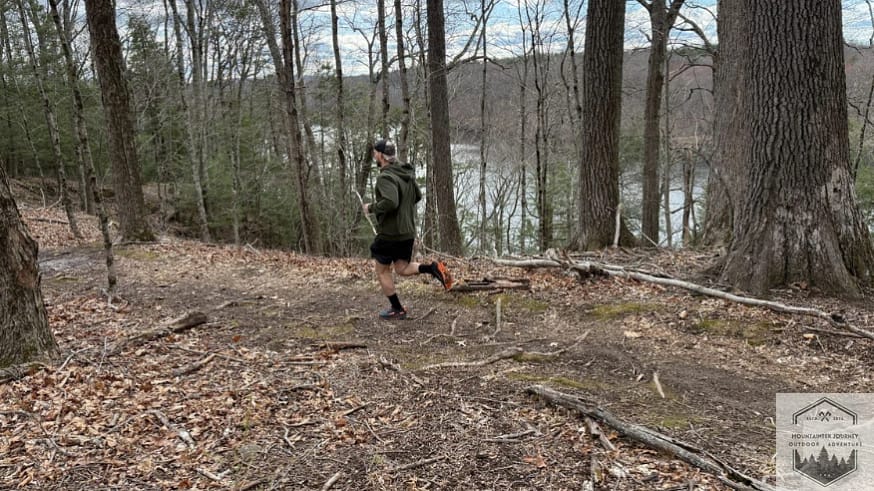
This also ends up affecting traction. Since the upper doesn’t lock your foot in all that well, you lose some of that secure fit—and that can lead to less ground contact and a less consistent grip on the trail. Even with the mild torsional rigidity, the traction still rates high on our list.
Overall, the traction on the 9+ is a big step up—especially compared to the Lone Peak 9. If grip matters to you, it’s definitely worth the upgrade.
Stability & Support 8.5/10 (20%)
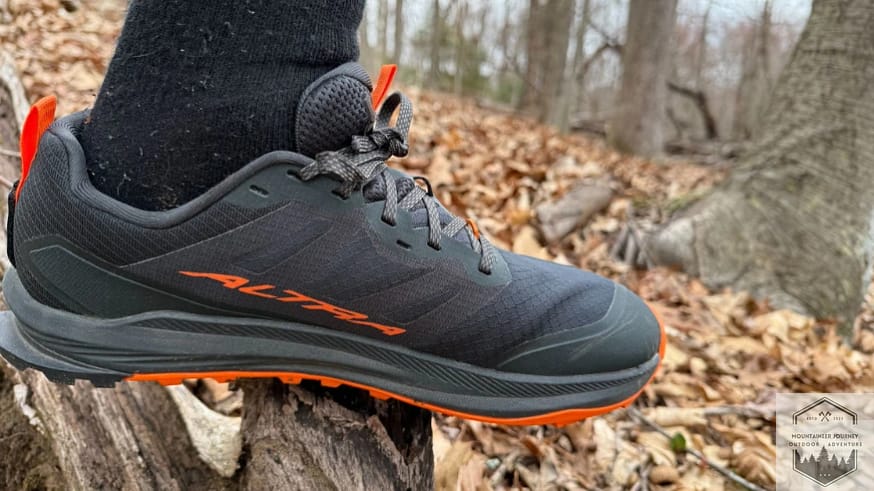
The stability and support of the Lone Peak 9+ is slightly above average. While the upper is comfortable and breathable, its flimsy outer does not make for a nice supportive outer membrane.
The Stoneguard insert helps counter some of the flimsiness in the Lone Peak 9+ upper. It adds some much-needed rigidity through the midsole and gives you that extra layer of protection from rocks and trail debris. The Stoneguard insert is manufactured by Altra and is made to be ultra lightweight as well.
The wide toe box (FootShape Fit) on the Altra Lone Peak gives you a solid, wide base on the trail, which really helps with stability. It lets your toes splay out naturally, giving you that grounded, stable feel to build off of with every step. I really felt the FootShape Fit really made a difference on uneven terrain, especially for forefoot stability.
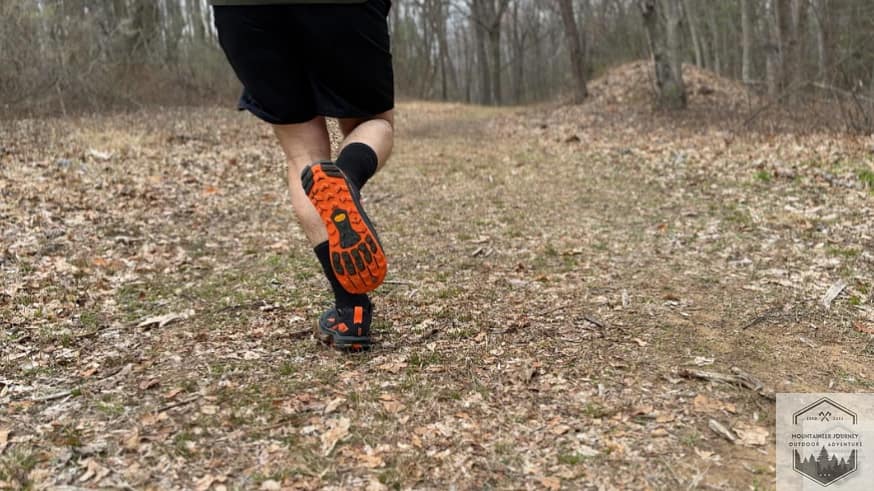
The zero drop feature of the Altra Lone Peak is quite noticeable. A zero heel-to-toe drop is the most natural running position your foot can be in, in my experience as a forefoot striker. The responsiveness of the zero drop technology is the best you can get to get immediate feedback towards your stride.
I was able to get solid ground feedback, especially on technical terrain. While climbing loose gravel, I naturally shortened my stride and felt more agile and in control. I ran the same stability test on this loose gravel with the Hoka Mafate 5, which has more cushioning and a higher drop, and I didn’t get the same result.
With the zero heel-to-toe drop with the wide toe box, the Lone Peak 9+ has one the highest graded stability and support ratings we have out there for trail runners.
Weight 7/10 (15%)
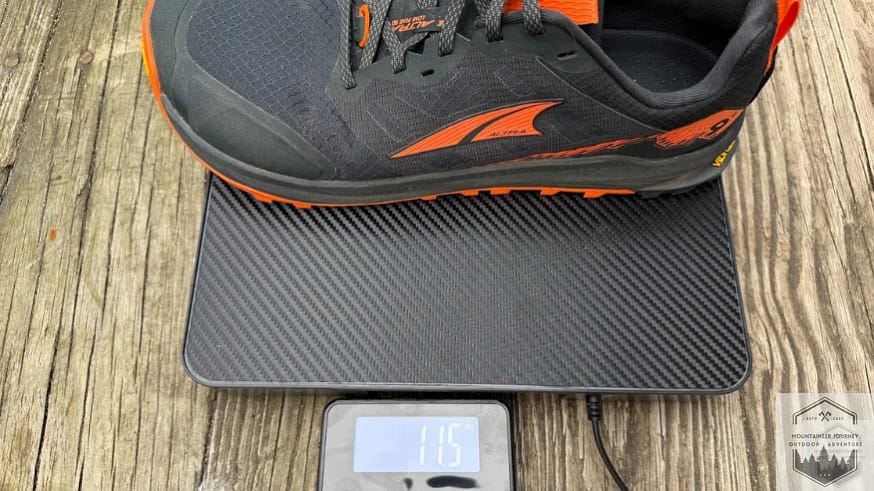
We weighed the 9+ at 11.5 oz for a men’s size 10.5. This is a bit heavier than most trail runners. The 9+ is designed to be lightweight because of the ripstop mesh and welded materials, however the Vibram megarip outsole tends to bring up the weight in any trail runner.
I was quite surprised by the weight, given the amount of lightweight materials the Lone Peak 9+ is made with, although the difference in weight for trail runners tends to be very narrow, a difference of 1-2 oz can greatly change the score.
For a frame of reference, the Hoka Speedgoat 5 weighed in at 11 oz as well.
How’s The Overall Protection Of The Lone Peak 9+ ?
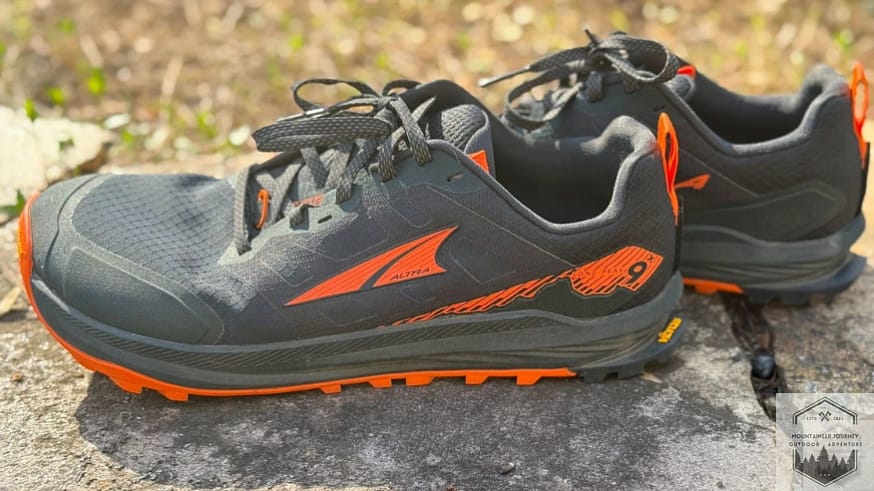
As we mentioned earlier, the Lone Peak 9+ comes equipped with Altra’s StoneGuard insert, a lightweight yet stable rock plate that adds a solid layer of underfoot protection. This feature really compensates for the zero-drop platform and the relatively exposed ripstop mesh upper, which otherwise leave the foot a bit vulnerable on rugged terrain.
When it comes to the side protection, both the medial and lateral sides have noticeable exposed areas. These can put you at risk for sharp rocks or trail debris piercing through, especially on technical routes with loose shale or jagged roots.
The heel zone, however, does see an upgrade in protection. Altra added a more robust insert along with reinforced nylon wrapping the heel, giving this area a bit more structure and resilience compared to the rest of the upper.
Up front, the toe box is wide, which is exactly what you expect from Altra. The toe cap coverage is only partial, wrapping roughly 65 percent of the toe box. It’s made from a durable rubber and backed by smaller rubber reinforcements across the front of the shoe. While it doesn’t fully encase the toes, it provides enough protection for moderate trail conditions.
The shoe features a 25mm stack height at both heel and forefoot, maintaining Altra’s signature zero-drop geometry. That stack height puts it right in the moderate cushioning range regarding impact absorption.
One convenient feature worth mentioning is the GaiterTrap™ hook-and-loop tab at the rear, which makes attaching gaiters a breeze in harsh weather or dusty trails. That said, we didn’t find a need to use it during our test runs.
The Altra Lone Peak 9 does come in a waterproof version ($10 more) the 9+ model we tested was not waterproof. The flood height is about an inch high from the outsole.
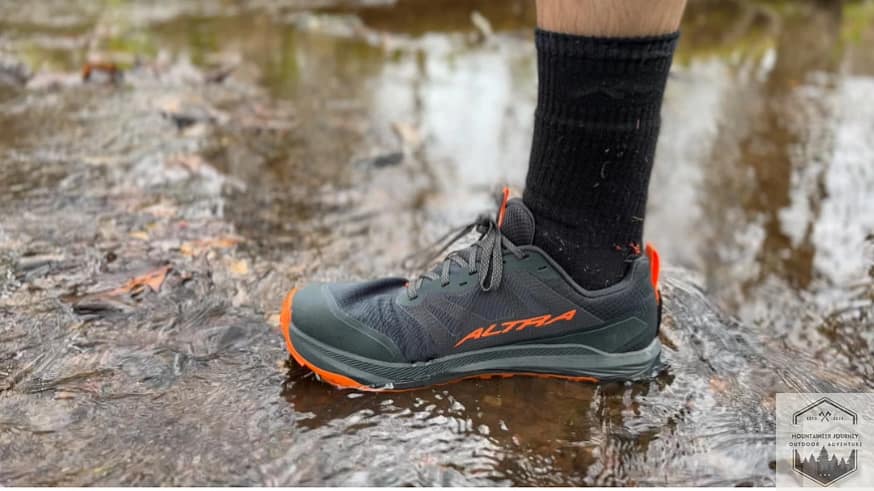
Overall, the Lone Peak 9+ offers average protection across the board. While we would’ve liked to see a bit more reinforcement in the sidewalls and toe box, Altra clearly prioritized lightweight construction and a natural foot strike feel over armored protection. It’s a great option for runners who want ground connection for feedback and flexibility, rather than a tank-like trail runner.
Lone Peak 9+ Overall Protection 7/10 (10%)
Durability 7/10 (10%)
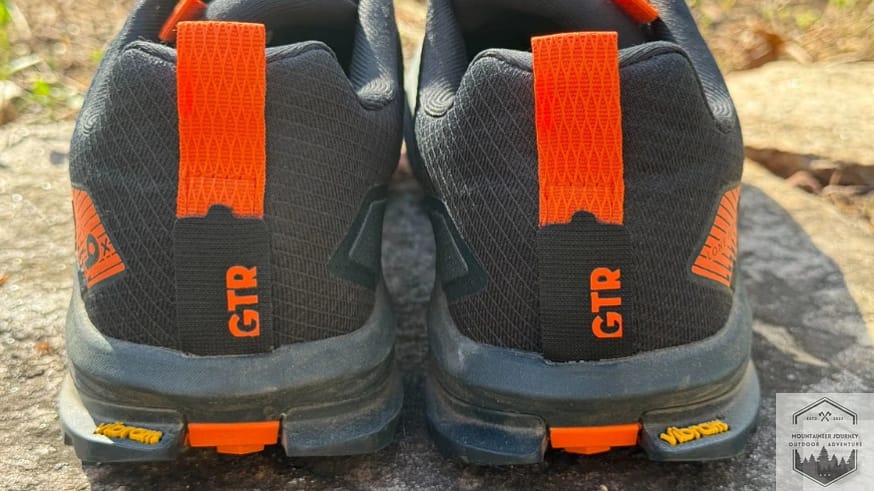
The Altra Lone Peak 9+ features a fully welded mesh upper, which helps reduce weight. This comes at a cost of reduced durability. Historically, welded construction doesn’t hold up as well as traditional stitching, especially over time and in rough conditions.
We’ve put over 75 miles on this pair so far, there has been a slightly loss of structural integrity over the forefoot without delamination. There hasn’t been a loss of stability with the change in structural integrity during testing so far.
While the forefoot upper has softened slightly with mileage, stability has remained consistent thanks to the wide zero-drop platform and StoneGuard insert doing most of the stabilizing work underfoot
On the bright side, the Vibram outsole has held up exceptionally well. The lugs are still robust, grippy, and haven’t shown any signs of shearing or flattening out, even after varied terrain and mixed mileage.
One common issue with welded uppers is toe cap delamination, and while we haven’t experienced that yet in our testing, it’s a known weak point worth mentioning for long-term users.
In terms of overall durability, the Lone Peak 9+ holds up better than the standard 9, largely thanks to the upgraded Vibram outsole. Keep in mind the welded construction may not go the distance for runners who are racking up serious vertical or mileage on harsh trails.
For light to moderate trail runners, the 9+ should perform well over time. But if you’re hitting technical terrain day in and day out, or you tend to be hard on your gear, you may want to look toward a model with reinforced stitching and a more rugged upper.
Is the Altra Lone Peak 9+ worth it?
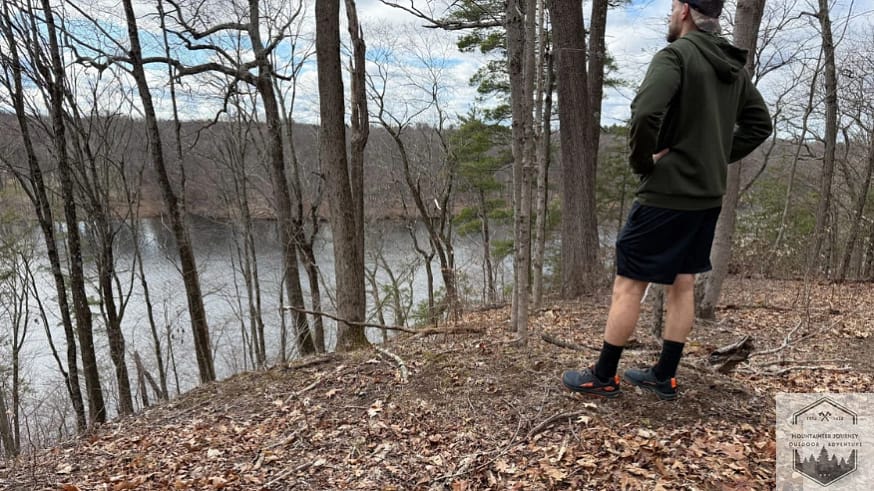
If you are looking for a responsive, and lightweight trail runner with UPGRADED traction the Altra Lone Peak 9+ is a great choice.
As a zero-drop, moderate stack trail runner this shoe appeals to the weekend trail runner looking for an upgraded outsole as compared to the original Altra Lone Peak 9.
If you are looking for a trail runner that mimics the natural human gait, this is the best the market has to offer based on our objective testing. This is one of the better trail runners to train responsiveness on trail.
With the added traction of the premium Vibram megagrip outsole, you’d usually have to pay $200 for this kind of build. Getting the Altra Lone Peak under $160 is a no brainer.
The strengths of this shoe is the stability, traction, zero drop technology, and upgraded outsole!
If you are looking for more technical terrain models take a look at the Salomon Speedcross 6 or even the Merrell Agility 5’s. One drawback of the 9+’s is the durability, more durable models out there include the Hoka Challenger 7, and Hoka Mafate Speed 5.
Overall, as a weekend trail runner on a budget, the Altra Lone Peak 9+ give you more than your money’s worth.
Value: 4/5 (5%)
Scoring Breakdown
Comfort & Fit (20%): 8.5/10
Traction (20%) : 8.5/10
Stability & Support (20%): 8.5/10
Weight (15%) : 7/10
Overall Protection (10%) : 7/10
Durability (10%) : 7 / 10
Value (5%) : 4 / 5
1.70 + 1.70 + 1.70 + 1.05 + 0.70 + 0.70 + 0.40 = 8.25 / 10
Our Rating: 8.2/ 10
As an independent reviewer, I purchase all products myself. Some links may be affiliate links that support the site at no cost to you
Frequently Asked Questions
What’s The Difference Between The Altra Lone Peak 9 and 9+
The major difference between the Altra Lone Peak 9 and 9+ is the Vibram megagrip outsole featured on the 9+, while the 9 has the Max trac outsole priced $15 less than the 9+.
How Does the Altra Lone Peak 9+ Fit?
The Altra Lone Peak 9+ fit true to size, I did not have to size up or down.
Why Are The Altra Lone Peak So Popular?
The Altra Lone Peak are very popular because of the zero drop technology, dependable traction, and affordable price. Altra comes out with affordable and upgraded versions of the Altra Lone Peak every few years that improve each time.
How We Tested and Our Methodology
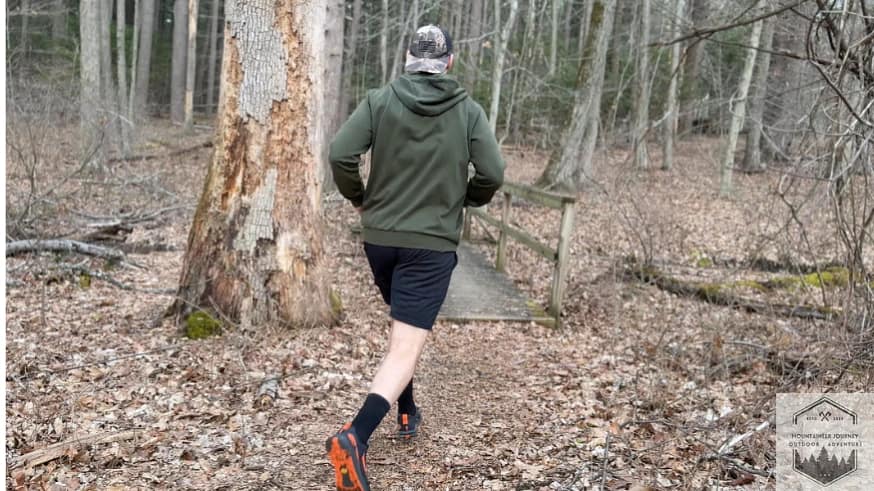
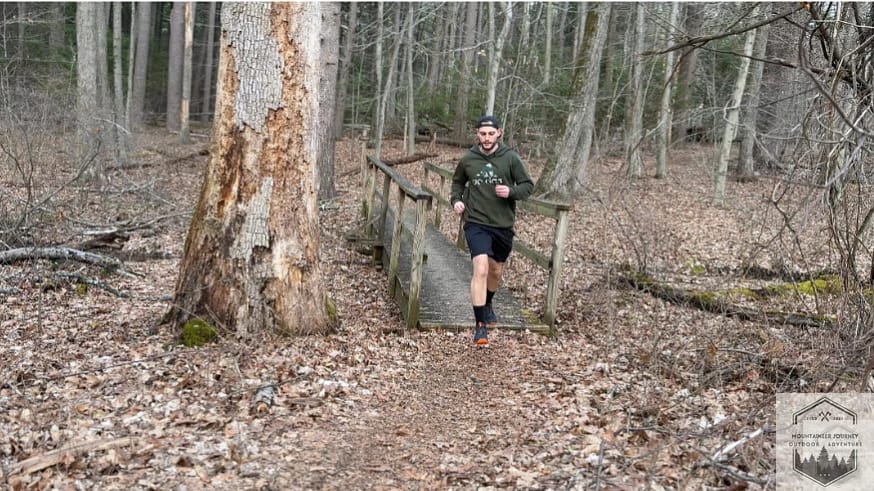
I personally tested the Altra Lone Peak 9+ since its release with the sole intent of giving you the most unbiased review possible. Mountaineer Journey is a 100% independent publisher with years of testing and reviewing outdoor equipment.
Over the past 15+ years, I’ve logged thousands of trail miles across everything from smooth singletrack trails to steep, technical singletrack. This includes long-distance runs in the Rockies, muddy East Coast climbs, loose desert terrain, and fast descents through alpine switchbacks. This kind of hands-on experience helps me evaluate how a trail running shoe truly performs—whether it’s truly stable, grips well on varied surfaces, and holds up over time under real mileage.
We currently pay for the products we test ourselves; no company or manufacturer pays us to sway our opinions or decisions.
Adventure Awaits,
Tyler

Tyler
Tyler is the founder Mountaineer Journey and a professional Mountain Guide with 15+ years of technical experience in trekking, mountaineering, and trail sports. Having logged thousands of miles from rugged alpine summits to urban paths, Tyler provides rigorous, field-tested insights on hiking, walking, and trail running gear. All reviews are 100% unsponsored and unbiased, ensuring you get honest scoring based on real-world performance. His mission is to help outdoor enthusiasts of all levels find reliable equipment that ensures comfort, safety, and performance on any terrain.